
If you’re managing a pool, you know how important it is to keep the water balanced and safe. Adding muriatic acid helps control the pH, but you might wonder how long you should wait before adding chlorine.
Getting the timing right is key to keeping your pool clean without wasting chemicals or causing irritation. You’ll discover the ideal wait time and practical tips that make your pool care routine easier and more effective. Keep reading to learn how to protect your pool and enjoy crystal-clear water all season long.
Credit: www.reddit.com
Muriatic Acid And Chlorine Basics
Muriatic acid and chlorine are common chemicals used in pool maintenance. They both help keep pool water safe and clean. Understanding their basic roles is important for proper pool care. This section explains what each chemical does and why timing matters when adding them to your pool.
Purpose Of Muriatic Acid In Pools
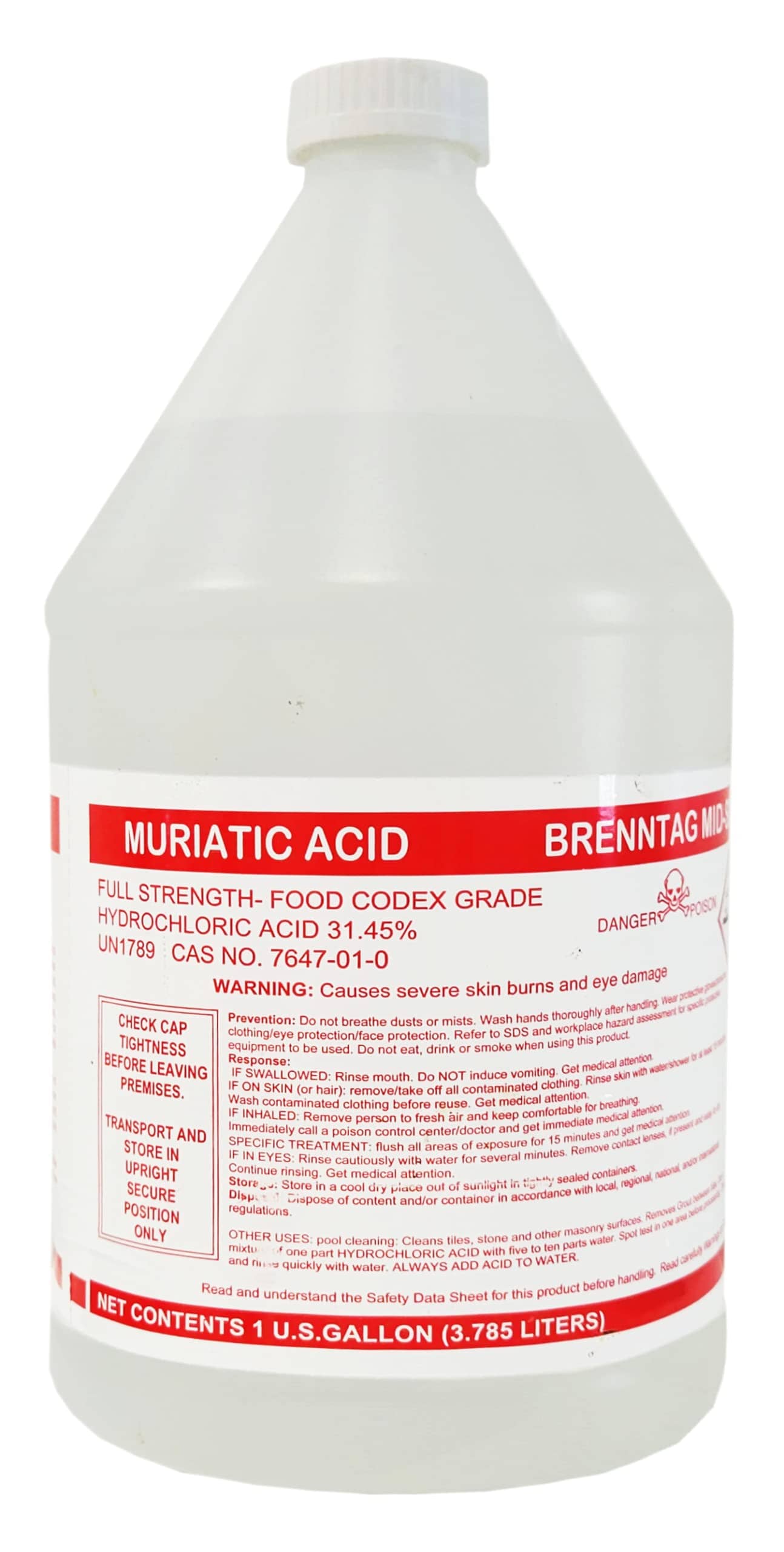
Muriatic acid lowers the pH level of pool water. High pH can cause cloudy water and scaling. Adding muriatic acid keeps pH balanced and water clear. It also helps prevent damage to pool surfaces and equipment. Proper pH balance improves chlorine’s effectiveness too.
Role Of Chlorine In Water Treatment
Chlorine kills bacteria and germs in pool water. It keeps the water safe for swimmers. Chlorine also controls algae growth and removes contaminants. Regular chlorine use prevents infections and unpleasant odors. It is a key part of maintaining healthy pool water.
Credit: www.florida-sunseeker.com
Chemical Reactions Between Acid And Chlorine
Understanding the chemical reactions between muriatic acid and chlorine is important for pool safety. These substances can interact and affect water balance. Adding chemicals in the wrong order can cause issues. Knowing how they react helps prevent problems in your pool maintenance.
How Muriatic Acid Affects Chlorine Levels
Muriatic acid lowers the pH of pool water. This change impacts chlorine’s effectiveness. Lower pH makes chlorine work faster but also breaks it down quicker. The acid can reduce free chlorine levels temporarily. Testing the water after adding acid is important. It helps ensure the chlorine level stays safe for swimmers.
Potential Risks Of Adding Chemicals Too Soon
Adding chlorine too soon after muriatic acid can cause dangerous reactions. The acid may cause chlorine to release harmful gases. This can irritate skin, eyes, and lungs. It may also reduce chlorine’s ability to clean the water. Waiting allows the acid to mix fully and the pH to stabilize. This reduces risks and keeps the pool safe.
Ideal Waiting Time Between Adding Chemicals
Knowing the ideal waiting time between adding muriatic acid and chlorine is very important. This helps keep your pool water safe and balanced. The right waiting time stops chemical reactions that can cause problems. It also protects the pool equipment and improves water clarity.
Timing matters because adding chemicals too soon can reduce their effectiveness. It can also create cloudy water or damage the pool surface. Following expert advice on waiting times helps you avoid these issues.
Recommended Timeframes From Experts
Experts suggest waiting at least 30 minutes after adding muriatic acid before adding chlorine. This time lets the acid fully mix and lower the pH safely. Some professionals recommend waiting up to 1 hour for best results. Always test the water’s pH and chlorine levels before adding more chemicals.
Waiting too long, like several hours, is usually not necessary. But it depends on your pool size and chemical amounts. Keep the pump running during this time to help chemicals spread evenly.
Factors Influencing Waiting Period
Several factors can change how long you should wait between chemicals. Water temperature affects how fast chemicals mix. Warmer water speeds up mixing, so you might wait less time. Cooler water slows down the process, needing longer waits.
Pool size also matters. Larger pools need more time for chemicals to spread evenly. The amount of acid and chlorine added changes the waiting time too. Always follow product instructions and test water regularly to decide the right wait.
Best Practices For Adding Muriatic Acid
Adding muriatic acid to your pool water needs care and attention. Following best practices ensures safety and proper water balance. Handling the acid correctly helps protect your pool and your health. It also prepares the pool for the next step, like adding chlorine.
Safe Application Methods
Always wear gloves and goggles when handling muriatic acid. Pour the acid slowly into the pool water, never the other way around. Avoid splashing to prevent skin or eye burns. Use a plastic container or a measuring cup designed for acids. Stand upwind to avoid inhaling fumes. Add acid in small amounts and spread it evenly. Allow the acid to mix well by running the pool pump for at least 30 minutes.
Monitoring Ph Levels After Acid Addition
Check the pool’s pH one hour after adding acid. Use a reliable test kit or digital meter for accuracy. The ideal pH range is 7.2 to 7.6 for pool water. If pH is still high, add more acid in small doses. Test the pH again after 30 minutes to an hour. Keeping pH balanced helps chlorine work effectively. Avoid adding chlorine immediately; wait until pH stabilizes.
Timing Chlorine Addition After Acid Treatment
Timing chlorine addition after muriatic acid treatment is important for pool safety. Muriatic acid lowers pH and balances water chemistry. Adding chlorine too soon can cause issues. The pool water needs time to stabilize before adding chlorine. This helps chlorine work better and keeps the pool safe.
Testing Water Chemistry Before Adding Chlorine
Always test pool water before adding chlorine after acid treatment. Use a test kit to check pH and chlorine levels. Wait until pH is between 7.2 and 7.6. This range ensures chlorine works well and does not irritate skin or eyes. If pH is still low, wait and test again later.
Adjusting Chlorine Dosage Based On Ph
Chlorine effectiveness depends on pH levels. When pH is low, chlorine works stronger. This can cause pool water to become harsh. When pH is high, chlorine becomes less effective. Adjust chlorine dosage to match pH. Use less chlorine if pH is low. Use more chlorine if pH is high. This keeps water clean and safe.

Credit: www.ezpools.com
Common Mistakes To Avoid
Adding muriatic acid and chlorine to a pool requires care. Many pool owners make mistakes that affect water quality. These errors can waste chemicals and harm swimmers. Understanding common mistakes helps keep pool water clean and safe.
Knowing when and how to add chemicals avoids problems. The key is timing and balance between acid and chlorine. Avoiding these mistakes leads to better pool care and less effort.
Adding Chlorine Immediately After Acid
Do not add chlorine right after muriatic acid. The acid lowers pH quickly, and chlorine needs stable pH. Adding chlorine too soon can cause chemical reactions that reduce chlorine’s effectiveness. Wait at least 1 to 2 hours after acid before adding chlorine. This gives time for acid to spread evenly and pH to stabilize.
Ignoring Ph And Chlorine Interactions
pH levels affect how chlorine works in the pool. High or low pH reduces chlorine’s power to kill germs. Muriatic acid lowers pH, so check pH after adding acid. Do not add chlorine without testing pH first. Keep pH between 7.2 and 7.6 for best chlorine action. Ignoring this balance wastes chemicals and harms water quality.
Tips For Maintaining Balanced Pool Chemistry
Keeping your pool water balanced is key to a safe and clear swimming experience. Proper pool chemistry prevents algae, protects equipment, and keeps swimmers comfortable. Maintaining this balance takes regular care and attention.
Simple habits can make a big difference in pool health. Understanding when and how to add chemicals helps avoid problems. Here are some practical tips to keep your pool chemistry in check.
Regular Testing And Monitoring
Test your pool water at least twice a week. Check pH, chlorine, and alkalinity levels carefully. Use reliable test kits for accurate results. Record your findings to track changes over time. Spotting trends helps you react before issues grow. Adjust chemicals slowly based on test results. Avoid adding too much at once to prevent imbalances.
Using Automation For Chemical Management
Automatic chemical feeders keep levels steady with less effort. These devices add chemicals in small, controlled doses. They work 24/7, reacting to water changes quickly. Automation reduces the chance of human error. Some systems connect to apps for easy monitoring. Automated tools help maintain balance even when you are away. They save time and keep the pool safer.
Frequently Asked Questions
How Long After Muriatic Acid To Add Chlorine?
Wait at least 30 minutes after adding muriatic acid before adding chlorine. This allows the acid to lower pH properly. It also prevents chemical reactions that can reduce chlorine’s effectiveness.
Can Chlorine Be Added Immediately After Muriatic Acid?
No, adding chlorine immediately can cause poor water balance. The acid needs time to mix and adjust pH first. Waiting helps chlorine work better and last longer.
Why Wait Between Muriatic Acid And Chlorine?
Waiting prevents chemical reactions that reduce chlorine’s power. It also ensures the water’s pH is stable. Stable pH helps chlorine kill germs effectively.
What Happens If Chlorine Is Added Too Soon?
Chlorine may react with acid and lose strength. This reduces sanitation and can harm pool equipment. Waiting ensures both chemicals work as intended.
Does Water Circulation Affect Timing Between Chemicals?
Yes, good water circulation helps spread acid and chlorine evenly. Strong circulation reduces wait time slightly. Aim for at least 30 minutes with good circulation.
Can I Test Ph Before Adding Chlorine?
Yes, test pH after adding muriatic acid. Ensure pH is between 7. 2 and 7. 6 before adding chlorine. Correct pH helps chlorine work best.
How Often Should Muriatic Acid And Chlorine Be Added?
Add muriatic acid only when pH is high, then wait 30 minutes. Add chlorine daily or as needed for sanitation. Regular testing keeps water balanced and safe.
Conclusion
Wait at least 30 minutes after adding muriatic acid before adding chlorine. This pause helps the chemicals balance and prevents unwanted reactions. Testing your pool’s pH and chlorine levels ensures safety and effectiveness. Regular checks keep your water clear and safe to swim.
Following these simple steps protects your pool and your health. Keep your routine steady and enjoy clean, fresh water every time.