
Are you wondering if it’s safe to jump into the pool right after adding ascorbic acid? You’re not alone.
Many swimmers and pool owners ask this question because they want to keep their water clean without risking their health. What if you swim too soon? Could it cause skin irritation or other problems? Keep reading to discover the facts you need to know before you take that first splash.
This simple step could protect your skin and make your swimming experience much better. Don’t miss out on these important tips!
Ascorbic Acid And Pool Water
Ascorbic acid interacts with pool water in several important ways. Understanding these effects helps pool owners keep their water safe and clean. This section explains what ascorbic acid is, why people add it to pools, and how it changes pool chemistry.
What Is Ascorbic Acid?
Ascorbic acid is a form of vitamin C. It appears as a white powder or crystals. It dissolves easily in water. People use it in pools mainly to remove stains and clear cloudy water.
Reasons For Adding Ascorbic Acid
Pool owners add ascorbic acid to remove metal stains. It helps clear discoloration caused by iron or copper. This acid also helps reduce chlorine levels quickly. It can improve water appearance without harsh chemicals.
Effects On Pool Chemistry
Ascorbic acid lowers the water’s chlorine level. It acts as a reducing agent, neutralizing chlorine fast. This can make the water less sanitized for a short time. The acid also changes the water’s pH, making it more acidic. Pool owners must test and adjust water chemistry after use.
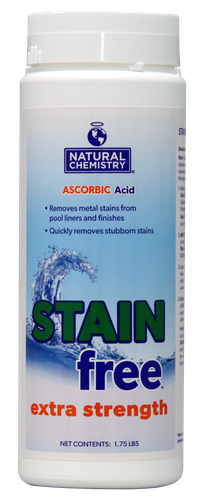
Credit: naturalchemistry.com
Safety Concerns After Adding Ascorbic Acid
Adding ascorbic acid to your pool water can raise safety questions. Understanding its effects helps keep swimming safe and fun. This section covers key safety concerns after adding ascorbic acid.
Impact On Chlorine Levels
Ascorbic acid reduces chlorine levels in pool water. Chlorine helps kill bacteria and keeps water clean. Lower chlorine means less protection against germs. Wait for chlorine to reach safe levels before swimming. Testing chlorine after adding ascorbic acid is important. This prevents swimming in unsafe water.
Potential Skin And Eye Irritation
High amounts of ascorbic acid may irritate skin and eyes. Some people may feel itching or redness. Avoid swimming if irritation occurs. Rinse skin and eyes with fresh water after swimming. Proper chemical balance reduces irritation risk. Always follow recommended ascorbic acid dosages.
Water Ph Changes
Ascorbic acid lowers pool water pH. Low pH means water is more acidic. Acidic water can damage pool surfaces and equipment. It may also cause skin dryness or discomfort. Test pH levels after adding ascorbic acid. Adjust pH to stay in the safe range for swimming.
When To Swim After Treatment
Knowing the right time to swim after adding ascorbic acid is important. It keeps the pool safe and comfortable. This section guides you on when to swim after treatment. Follow these steps to avoid skin irritation or eye discomfort.
Recommended Waiting Period
Wait at least 30 minutes after adding ascorbic acid before swimming. This allows the acid to fully dissolve and neutralize. Avoid jumping in too soon. It can cause skin redness or eye irritation. Patience ensures a better swimming experience for everyone.
Signs Pool Is Safe To Swim
Check if the water looks clear and clean. No cloudiness or unusual colors should appear. The water should not smell strong or chemical-like. If the pool feels normal and fresh, it is likely safe. These signs show the acid has settled properly.
Testing Water Quality
Test the pool water before swimming. Use test strips or a water testing kit. Check the pH and chlorine levels first. pH should be between 7.2 and 7.8 for comfort. Chlorine should be within safe limits to keep germs away. Testing ensures the pool is healthy and ready.
Best Practices For Pool Maintenance
Maintaining a clean and safe pool requires regular care and attention. Knowing the best practices helps keep the water clear and healthy. Proper maintenance prevents issues like stains, algae, and chemical imbalances.
Balancing Chemicals Safely
Keep pool chemicals in the right balance for safe swimming. Test and adjust pH, chlorine, and alkalinity often. Avoid adding large amounts of ascorbic acid or other chemicals at once. Follow product instructions carefully to prevent skin irritation or damage to pool surfaces.
Regular Water Testing
Test the pool water regularly to catch problems early. Use test strips or kits to check chlorine and pH levels. Track metal content when using ascorbic acid to reduce stains. Regular testing keeps the water safe and comfortable for swimmers.
Alternative Methods For Stain Removal
Use natural or gentle methods to remove pool stains. Baking soda and vinegar can help clean without harsh chemicals. Scrubbing with a soft brush removes surface stains carefully. Avoid overuse of strong acids to protect pool liners and tiles.
Common Mistakes To Avoid
Adding ascorbic acid to your pool water helps remove chlorine and improve water clarity. Knowing what mistakes to avoid keeps your pool safe and enjoyable. Many people make errors that can harm the water quality or their health. Avoid these common pitfalls to get the best results from ascorbic acid.
Overdosing Ascorbic Acid
Using too much ascorbic acid can lower the pool’s pH too much. This creates acidic water that can irritate skin and eyes. It may also damage pool surfaces and equipment. Always measure the correct amount based on your pool size. Follow package instructions carefully to avoid overdosing.
Ignoring Chemical Interactions
Ascorbic acid reacts with other pool chemicals, especially chlorine. Ignoring this can cause unexpected changes in water chemistry. Test your pool water before and after adding ascorbic acid. Check chlorine levels and pH to keep water balanced. This prevents unsafe swimming conditions and protects your pool.
Swimming Immediately After Addition
Swimming right after adding ascorbic acid is risky. The chemical needs time to mix and neutralize chlorine. Swimming too soon can expose your skin and eyes to harsh chemicals. Wait at least 30 minutes before entering the pool. This helps ensure the water is safe and comfortable for swimming.
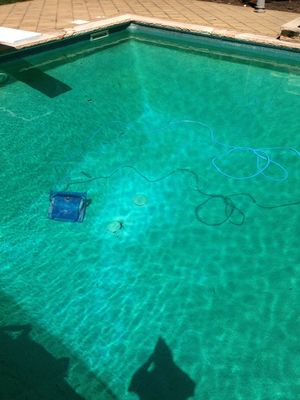
Credit: www.troublefreepool.com

Credit: www.amazon.com
Frequently Asked Questions
Can You Swim Immediately After Adding Ascorbic Acid To Water?
Swimming right after adding ascorbic acid is generally safe. The acid quickly dissolves and does not cause irritation in typical pool doses.
Does Ascorbic Acid Affect Pool Water Safety For Swimmers?
Ascorbic acid helps remove chlorine but does not harm swimmers. It lowers chlorine levels, making the water gentler on the skin and eyes.
How Long Should I Wait To Swim After Using Ascorbic Acid?
Waiting 15-30 minutes is usually enough before swimming. This time lets the acid fully work and mix in the water.
Can Ascorbic Acid Cause Skin Irritation While Swimming?
Ascorbic acid is mild and rarely irritates skin in pools. It can actually reduce chlorine-related dryness or redness.
Does Ascorbic Acid Change Pool Water Ph For Swimming?
Ascorbic acid lowers chlorine but has little effect on pH if used properly. PH should still be checked regularly.
Is It Safe For Children To Swim After Ascorbic Acid Use?
Yes, children can swim safely after ascorbic acid is added. It lowers chlorine, which often helps sensitive skin.
Can Ascorbic Acid Remove Chlorine Smell Before Swimming?
Yes, ascorbic acid neutralizes chlorine smell quickly. This makes the pool smell fresher and more pleasant for swimmers.
Conclusion
Swimming after adding ascorbic acid can be safe if done carefully. Wait a short time before entering the water. This allows the acid to mix well and reduce irritation. Check pool guidelines or ask a professional for advice. Keep the water balanced to avoid skin or eye discomfort.
Enjoy your swim but stay cautious. Safety matters most for a good experience.