
Are you struggling to keep your pool water balanced and wondering if adding calcium can help lower chlorine levels? You’re not alone.
Many pool owners ask this question because managing chemicals can feel confusing and overwhelming. Understanding how calcium interacts with chlorine could save you time and money while keeping your water crystal clear and safe. You’ll discover the truth about calcium’s effect on chlorine and learn simple tips to maintain the perfect balance in your pool.
Keep reading to find out what really works for your water chemistry!
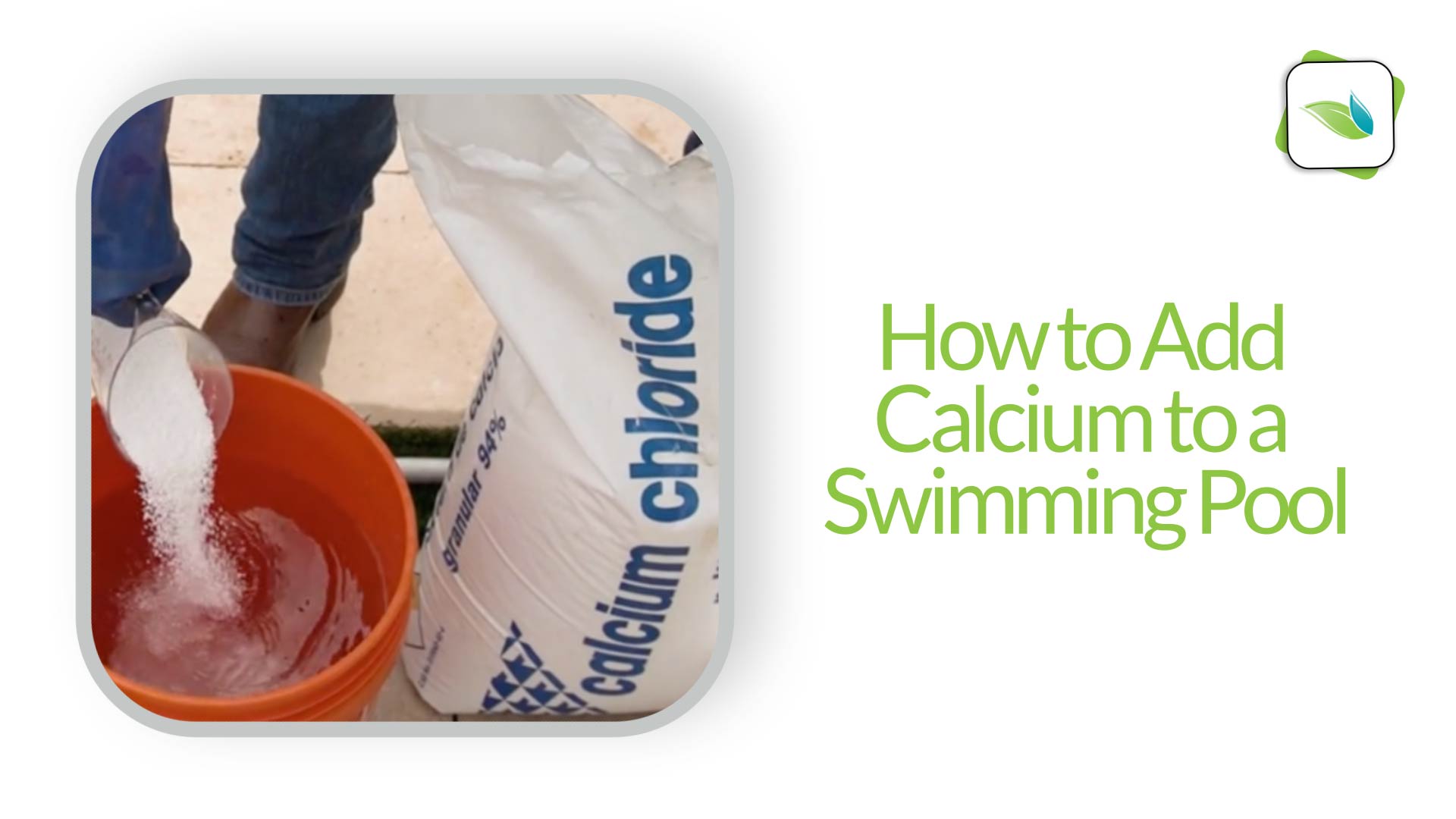
Credit: procedures.orendatech.com
Calcium’s Role In Pool Chemistry
Calcium is an important part of pool water chemistry. It affects water balance and the quality of your pool. Understanding calcium’s role helps keep the pool safe and clean.
Calcium interacts with other chemicals in the water. It influences how well chlorine works. Knowing how calcium works can help you manage chlorine levels better.
What Calcium Does In Water
Calcium adds hardness to pool water. It helps prevent corrosion of pool surfaces and equipment. Low calcium levels can cause water to become too soft.
Soft water can damage pool walls and metal parts. Calcium also helps keep water clear. It stops the water from becoming cloudy or dirty.
Calcium Hardness And Its Impact
Calcium hardness means how much calcium is in the water. Ideal hardness keeps water balanced and safe. Too much calcium can cause scaling on pool surfaces.
Scaling looks like white chalky deposits on tiles or equipment. Too little calcium can cause water to become corrosive. Balanced calcium hardness protects your pool and keeps chlorine effective.
Credit: procedures.orendatech.com
Chlorine Basics In Pools
Chlorine is a key chemical used to keep pool water clean and safe. It kills bacteria, viruses, and algae. Without chlorine, pools can become unsafe quickly.
Understanding how chlorine works helps maintain proper water balance. It also helps to know what affects chlorine levels in your pool.
How Chlorine Works
Chlorine kills germs by breaking down their cell walls. It turns harmful microorganisms into harmless substances. This process is called oxidation.
Chlorine also helps remove organic matter like sweat and dirt. It keeps the water clear and fresh. The right chlorine level ensures a healthy swimming environment.
Factors Affecting Chlorine Levels
Sunlight breaks down chlorine, reducing its strength. More sunlight means faster chlorine loss. Pools in direct sun need more frequent chlorine checks.
High temperature speeds up chlorine evaporation. Warm water causes chlorine to disappear faster than cold water. Pool usage also affects chlorine demand.
Other chemicals in the water can change chlorine effectiveness. For example, high pH levels reduce chlorine’s ability to kill germs. Testing water regularly helps keep chlorine balanced.
Interaction Between Calcium And Chlorine
Calcium and chlorine are common chemicals found in water treatment and pool care. Both play important roles but act differently. Calcium mainly affects water hardness. Chlorine serves as a disinfectant to kill bacteria and algae.
People often wonder if adding calcium changes chlorine levels. Understanding their interaction can help maintain balanced water chemistry. This keeps pools safe and clean without wasting chemicals.
Does Calcium Affect Chlorine Levels?
Calcium itself does not reduce chlorine levels in water. Adding calcium increases water hardness but does not use up chlorine. Chlorine levels drop due to sunlight, heat, or organic matter, not calcium.
Hard water with high calcium may feel different but does not weaken chlorine’s disinfecting power. Calcium does not react with chlorine to lower its concentration. Both chemicals act independently in water.
Common Misconceptions
Many believe that adding calcium lowers chlorine and reduces its effectiveness. This idea comes from confusing water hardness with chemical reactions. High calcium can cause cloudy water, making people think chlorine is low.
Another myth is that calcium binds with chlorine, removing it from water. This does not happen. Calcium mainly affects water balance and scaling, not chlorine levels. Understanding this helps avoid wrong chemical adjustments.
Credit: intheswim.com
Effects Of Adding Calcium On Chlorine
Adding calcium to pool water can change how chlorine works. Calcium affects the water’s chemistry. This change can impact chlorine’s strength and how long it lasts. Understanding these effects helps keep your pool clean and safe.
Calcium changes the balance in the water. This balance is important for chlorine to do its job. Too much or too little calcium can affect chlorine’s power.
Calcium Chloride And Chlorine Stability
Calcium chloride is a common source of calcium in pools. It dissolves quickly and raises calcium levels fast. This quick change can affect chlorine stability. Chlorine may break down faster if calcium is too high. Stable chlorine levels keep the pool safe and clean.
Potential Changes In Chlorine Effectiveness
High calcium levels can reduce chlorine’s effectiveness. Chlorine might not kill germs as well. It can also cause cloudy water. Low calcium, on the other hand, can make water corrosive. Corrosive water harms pool surfaces and equipment. Keeping calcium in balance helps chlorine work better.
Managing Calcium And Chlorine Balance
Keeping the right balance between calcium and chlorine is key for clean water. Calcium helps protect pool surfaces. Chlorine kills germs and keeps water safe.
Too much calcium can cause cloudy water and scaling. Too much chlorine may irritate skin and eyes. Understanding how these two chemicals interact helps maintain water quality.
Testing And Monitoring
Regular testing is the first step in managing chemical levels. Test calcium hardness and chlorine levels at least once a week. Use reliable test kits for accurate results.
Record your test results each time. Watch for changes in water clarity and smell. Early detection helps avoid bigger problems later.
Adjusting Chemical Levels Safely
Adjust calcium and chlorine slowly to avoid shocks to the water. Add chemicals in small amounts and wait before retesting. Follow product instructions carefully.
To lower chlorine, use chlorine neutralizers or let sunlight reduce levels naturally. To increase calcium, add calcium chloride gradually. Balance keeps water safe and pleasant.
Tips For Maintaining Clear And Safe Water
Maintaining clear and safe water requires careful attention to chemical balance and cleanliness. Proper management keeps water inviting and reduces health risks. Simple steps help prevent common problems like cloudiness and irritation.
Keeping water balanced protects pool surfaces and equipment. It also makes your chlorine work better. The right approach saves time and money on maintenance.
Avoiding Scale And Cloudiness
Too much calcium can cause scale buildup on pool walls and filters. This buildup looks cloudy and rough. Test calcium levels regularly to keep them in the ideal range.
Use a water softener if calcium is too high. Clean filters often to remove trapped minerals. Keep pH balanced to prevent calcium from settling out of the water.
Optimizing Chlorine Use
Chlorine kills germs but can lose strength if water chemistry is off. High calcium does not lower chlorine directly but can affect how chlorine works.
Keep chlorine levels steady by testing daily. Adjust pH to around 7.2 to 7.6 for best chlorine performance. Avoid adding too much calcium at once to keep water clear.
Use stabilizers to protect chlorine from sunlight. Store chlorine safely and add it during cooler parts of the day.
Frequently Asked Questions
Does Adding Calcium Reduce Chlorine Levels In Water?
Adding calcium does not directly reduce chlorine levels in water. Calcium hardness affects water balance but does not remove chlorine. Chlorine is usually lowered by sunlight or chemical neutralizers.
How Does Calcium Hardness Affect Pool Water Chemistry?
Calcium hardness helps keep water balanced and prevents corrosion or scaling. It does not change chlorine’s disinfecting power. Proper calcium levels protect pool surfaces and equipment.
Can Calcium Compounds Neutralize Chlorine In Pools?
Calcium compounds do not neutralize chlorine effectively. Chemicals like sodium thiosulfate or chlorine neutralizers are used for that. Calcium mainly affects water hardness, not chlorine content.
Why Is Calcium Important In Pool Water Maintenance?
Calcium prevents water from becoming too soft or too hard. Balanced calcium protects pool surfaces from damage. It also helps maintain clear and healthy water.
Does Increasing Calcium Affect Chlorine’s Disinfecting Ability?
Increasing calcium does not weaken chlorine’s disinfecting power. Chlorine works independently of calcium hardness. Proper chlorine levels remain essential for safe water.
What Happens If Calcium Levels Are Too High In Pools?
High calcium causes cloudy water and scaling on surfaces. It can make pool cleaning harder but won’t remove chlorine. Balancing calcium prevents these issues.
How To Safely Lower Chlorine Without Affecting Calcium Levels?
Use chlorine neutralizers or wait for chlorine to naturally dissipate. Avoid adding calcium to lower chlorine. Proper testing ensures safe and balanced pool water.
Conclusion
Adding calcium does not directly lower chlorine levels in water. Calcium mainly affects water hardness, not chlorine content. Chlorine decreases through sunlight, heat, and chemical reactions. To control chlorine, use proper pool treatments and test water regularly. Understanding these differences helps keep water safe and balanced.
Keep testing and adjusting for the best results. Simple steps make pool care easier and more effective.