
Are you confused about the difference between baking soda and soda ash? You’re not alone.
These two powders look similar but serve very different purposes. Knowing which one to use can save you time, money, and frustration. You’ll discover what sets baking soda and soda ash apart, how each one works, and when to choose one over the other.
By the end, you’ll feel confident making the right choice for your needs. Keep reading to clear up the confusion and get the facts straight.
Chemical Composition
The chemical composition of baking soda and soda ash defines their uses and properties. Both are sodium compounds but have different molecular structures. Understanding these structures helps in knowing how each reacts in various applications.
Baking Soda Structure
Baking soda is sodium bicarbonate with the formula NaHCO3. It contains one sodium ion, one bicarbonate ion, and hydrogen. This structure makes it a mild base. It reacts gently with acids, releasing carbon dioxide gas. This property is why it is popular in baking and cleaning.
Soda Ash Structure
Soda ash is sodium carbonate with the formula Na2CO3. It contains two sodium ions and one carbonate ion. Soda ash is a stronger base than baking soda. It is more alkaline and used in industries like glass making and water treatment. Its structure allows it to absorb carbon dioxide from the air.
Physical Properties
Understanding the physical properties of baking soda and soda ash helps to see their differences clearly. These properties affect how each is used in daily life and industry. Let’s explore their appearance, texture, solubility, and pH levels.
Appearance And Texture
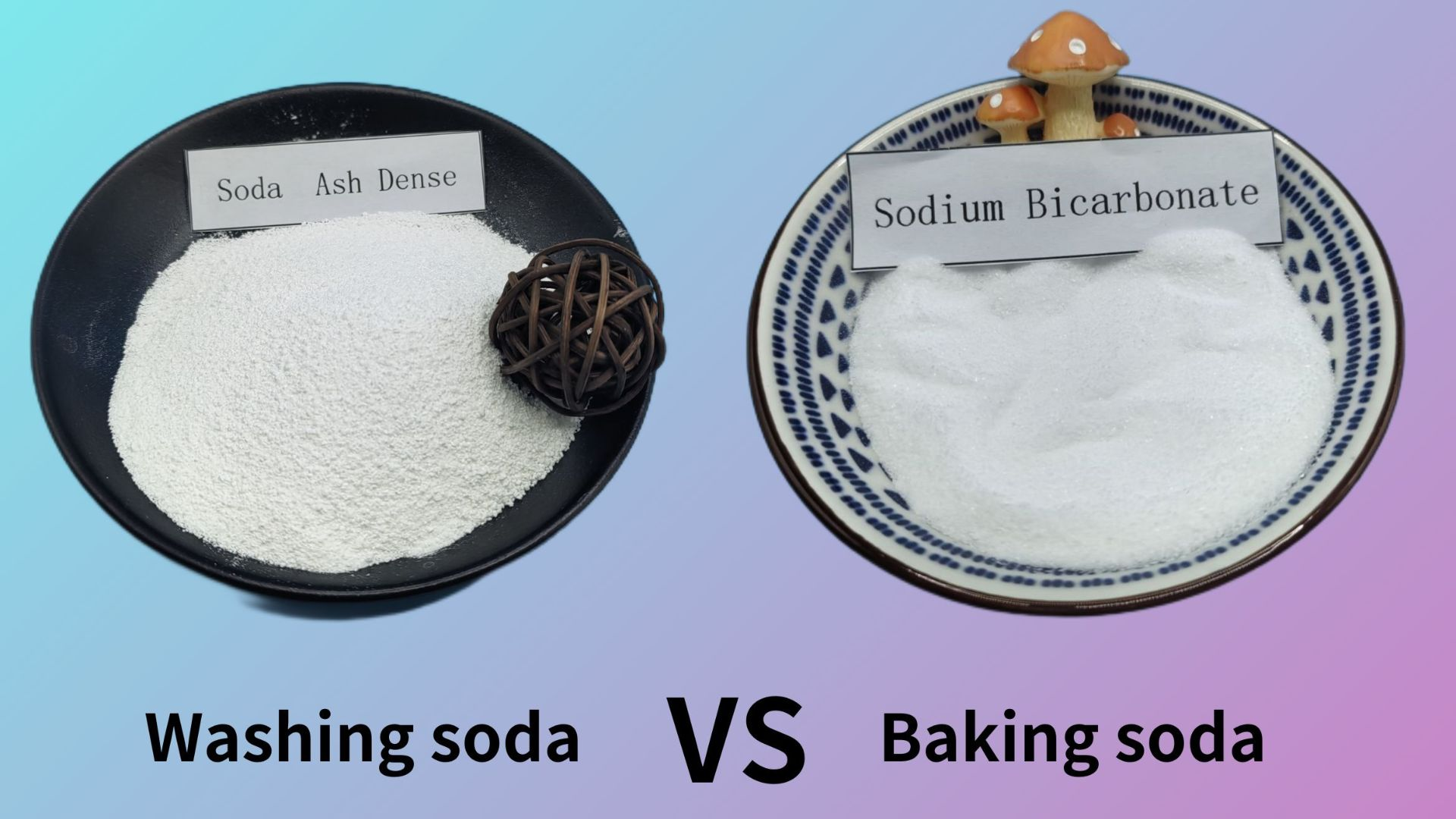
Baking soda is a fine, white powder. It feels soft and smooth to touch. Soda ash, on the other hand, is also white but looks coarser. Its texture is grainy and rough compared to baking soda. These differences help in identifying each substance easily.
Solubility And Ph Levels
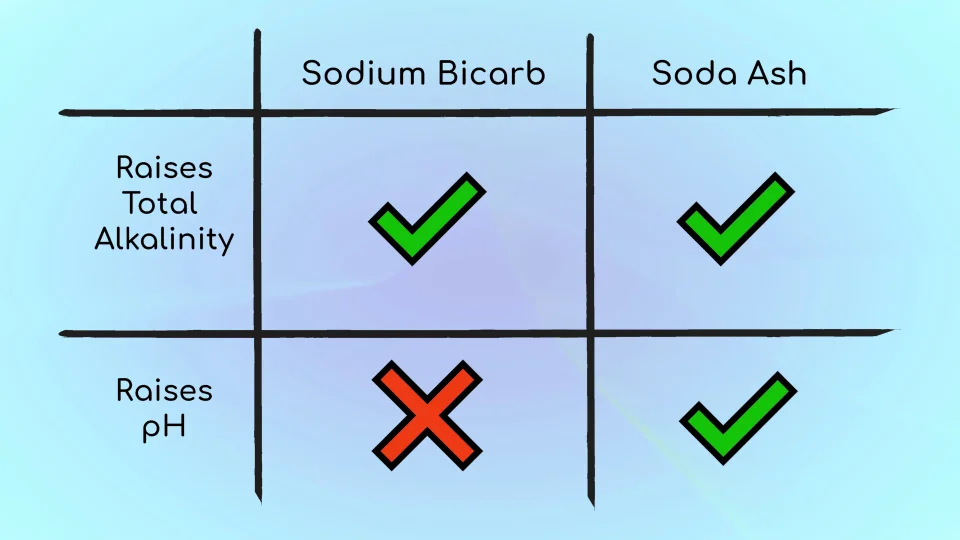
Baking soda dissolves well in water. It creates a mildly alkaline solution with a pH around 8.3. Soda ash is more soluble and forms a strongly alkaline solution. Its pH level ranges near 11, making it more basic than baking soda. These properties determine their uses in cleaning and chemical processes.
Common Uses
Baking soda and soda ash are both useful chemicals, but they serve different purposes. Each has unique roles in homes and industries. Understanding their common uses helps to choose the right one for the task. Below are some key applications of both substances.
Household Applications
Baking soda is a popular item in many homes. People use it for cleaning surfaces and removing odors. It works well in refrigerators, carpets, and shoes to absorb bad smells. Baking soda also helps with baking by making dough rise. It can soothe skin irritations and clean teeth gently. Soda ash, on the other hand, is less common in daily household tasks. Some use soda ash to soften hard water, which helps soaps and detergents work better. It also aids in homemade laundry detergents and pool maintenance.
Industrial Applications
Soda ash plays a major role in several industries. It is essential in glass manufacturing, helping to melt raw materials. Soda ash is used in making paper, detergents, and chemicals. It also helps treat water in large-scale systems. Baking soda is used less in heavy industries but finds a place in fire extinguishers and chemical manufacturing. Its mild nature makes it useful in food processing and pharmaceuticals. Both chemicals support many industries, but soda ash handles larger, more industrial tasks.
Credit: ask.orendatech.com
Health And Safety
Understanding the health and safety aspects of baking soda and soda ash is important. Both chemicals are common in homes and industries. Knowing how to handle them correctly helps prevent accidents. It also protects your health in daily use or work.
Handling Precautions
Wear gloves when touching baking soda or soda ash. Avoid inhaling dust from either substance. Use them in well-ventilated areas only. Store both chemicals in dry, cool places. Keep them away from children and pets. Do not mix with acids without proper knowledge. Always follow the instructions on product labels.
Potential Health Risks
Baking soda is generally safe but can irritate skin and eyes. Breathing in large amounts of baking soda dust may cause coughing. Soda ash is more alkaline and can cause burns on skin and eyes. Inhaling soda ash dust can irritate the nose and throat. Swallowing soda ash can be harmful and cause stomach pain. Seek medical help if exposure causes severe symptoms.
Environmental Impact
The environmental impact of baking soda and soda ash varies due to their different uses and production methods. Both chemicals play roles in many industries, but their effects on nature differ significantly. Understanding these differences helps in making smarter choices for the environment.
Production Process Effects
Baking soda is mainly made by reacting carbon dioxide with sodium carbonate. This process uses less energy and produces fewer emissions. Soda ash, or sodium carbonate, is often produced through mining or the Solvay process. Mining disturbs land and can cause pollution. The Solvay process uses more energy and releases chemicals that need careful handling. Soda ash’s production usually has a larger carbon footprint than baking soda.
Disposal Considerations
Baking soda breaks down easily in the environment. It is non-toxic and safe for most plants and animals. Soda ash has a higher pH, making it more alkaline. Large amounts can harm soil and water life by raising pH levels. Proper disposal of soda ash is important to avoid environmental damage. Both substances require careful handling, but baking soda poses fewer risks after use.

Credit: www.youtube.com
Cost And Availability
Cost and availability are important when choosing between baking soda and soda ash. Both chemicals serve different purposes but often compete in price and supply. Knowing their market costs and where to buy them can help in making smart choices.
Market Price Comparison
Baking soda usually costs more than soda ash. The reason is its purity and how it is processed. Soda ash is cheaper and sold in larger quantities. Prices vary by region and demand. Buying in bulk often lowers the price per unit. Small buyers may find baking soda more expensive in stores.
Sources And Suppliers
Baking soda comes from natural minerals or is made synthetically. It is widely available in grocery stores and online shops. Soda ash is mined from natural deposits or made from salt and limestone. Suppliers include chemical companies and industrial distributors. Soda ash is easier to find in large industrial markets. Baking soda is more common in household markets.
How To Choose Between Them
Choosing between baking soda and soda ash depends on what you need them for. Each has unique traits that suit different tasks. Understanding these differences helps pick the right one for your project.
Application-based Selection
Baking soda works well for cooking, cleaning, and small-scale uses. It is gentle and safe around food and skin. Soda ash fits better in industrial uses like glass making and water treatment. It has a stronger chemical effect. Think about what you want to do first. Then choose the one that fits your needs.
Effectiveness And Efficiency
Baking soda reacts slowly and is mild in action. It is efficient for light cleaning and baking tasks. Soda ash works faster and is more powerful. It handles tough cleaning and heavy-duty jobs better. Use baking soda for simple, everyday tasks. Pick soda ash when you need quick, strong results.
Credit: www.flchemicals.com
Frequently Asked Questions
What Is The Main Difference Between Baking Soda And Soda Ash?
Baking soda is sodium bicarbonate, while soda ash is sodium carbonate. They have different chemical properties and uses.
Can Baking Soda And Soda Ash Be Used Interchangeably?
No, they cannot be swapped easily. Baking soda is milder; soda ash is stronger and more alkaline.
What Are Common Uses Of Baking Soda Versus Soda Ash?
Baking soda is used in baking and cleaning. Soda ash is used in glass making and water treatment.
Is Soda Ash Safe For Household Cleaning Like Baking Soda?
Soda ash is more caustic and can irritate skin. Baking soda is safer for home cleaning tasks.
How Do Baking Soda And Soda Ash Affect Ph Levels?
Baking soda slightly raises pH, making solutions mildly alkaline. Soda ash significantly increases pH, making solutions strongly alkaline.
Conclusion
Baking soda and soda ash serve different roles in daily life and industry. Baking soda works well for cooking and cleaning at home. Soda ash fits better for large-scale uses like making glass or detergents. Knowing their differences helps you pick the right one for your needs.
Both are useful but not interchangeable. Choose based on your task to get the best results. Simple and clear—this makes the choice easy.