
Are you trying to decide between ozone and salt water systems for your pool or spa? Choosing the right water treatment can make a big difference in how clean, clear, and safe your water feels.
You want a solution that works efficiently, saves you money, and keeps your skin feeling great. This article will help you understand the key differences between ozone and salt water, so you can make the best choice for your home and lifestyle.
Keep reading—what you discover here could change the way you enjoy your pool forever.
How Pool Sanitizers Work
Pool sanitizers keep the water clean and safe. They kill harmful bacteria, viruses, and algae. Sanitizers prevent the water from becoming cloudy or smelly. Two popular types are ozone and salt water systems. Each works in a different way to protect your pool.
Basics Of Ozone Sanitization
Ozone is a powerful sanitizer. It is a gas made of three oxygen atoms. This extra oxygen makes ozone very reactive. When ozone meets contaminants, it breaks them down quickly. This reaction kills bacteria and viruses fast.
Ozone is created by a machine called an ozone generator. The generator sends ozone gas into the pool water. The ozone cleans the water and then turns back into oxygen. This means no harmful chemicals stay in the pool.
Mechanism Of Salt Water Systems
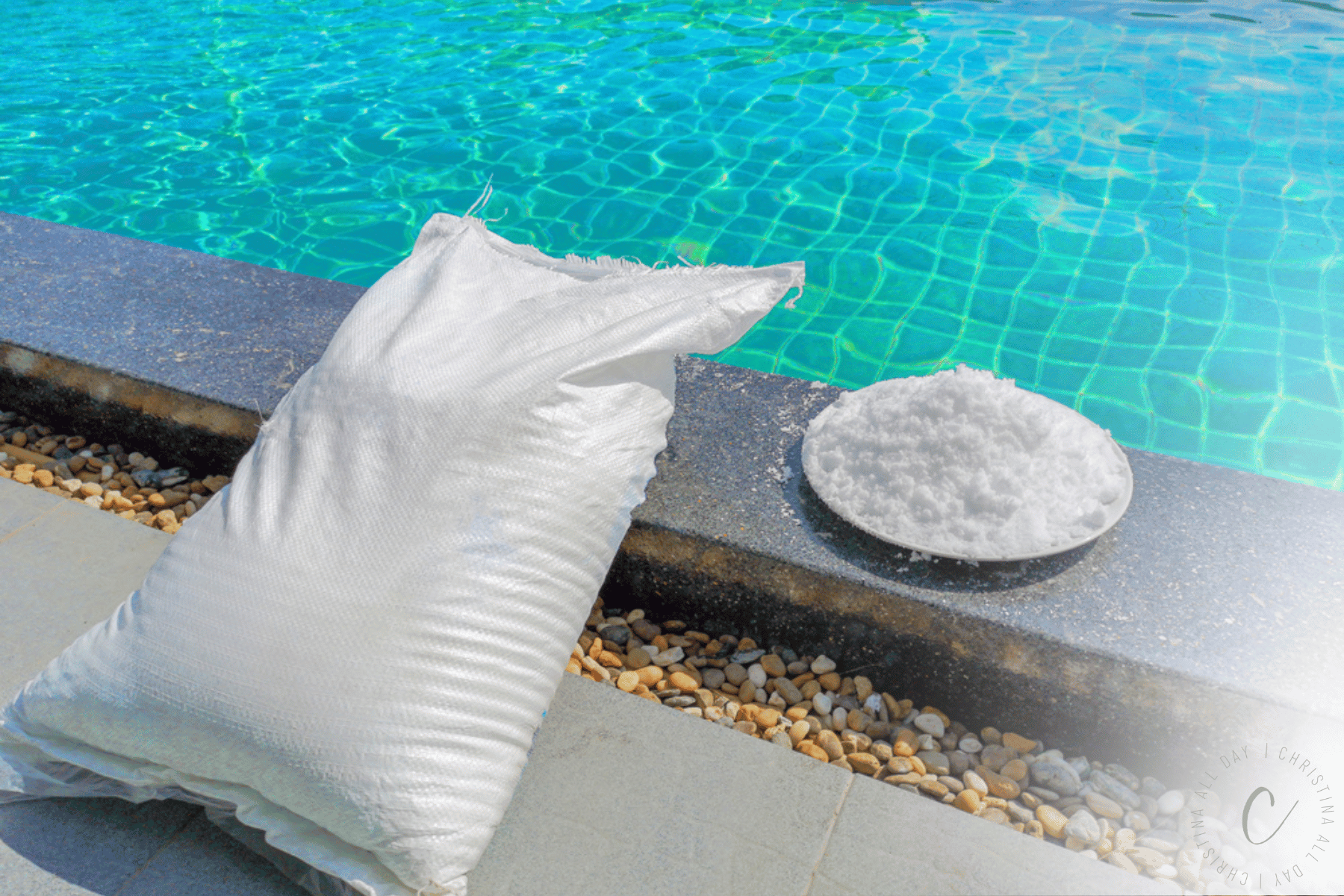
Salt water pools use salt to make chlorine. The salt goes through a special cell called an electrolytic cell. This cell changes salt into chlorine gas.
The chlorine gas dissolves in the water. It kills germs and algae. The chlorine then returns to salt form. This cycle keeps repeating as long as the system runs.
Salt water pools feel softer on the skin. They need less chlorine added by hand. The system keeps a steady level of sanitizer in the water.
Credit: christinaallday.com
Health And Safety Factors
Health and safety are key when choosing between ozone and salt water pools. Both water treatments affect the body differently. Understanding these effects helps you decide which option suits your needs best.
Impact On Skin And Eyes
Ozone pools usually cause less irritation to skin and eyes. Ozone breaks down quickly, leaving fewer chemicals behind. This means less dryness and redness after swimming.
Salt water pools have salt and chlorine byproducts that may irritate sensitive skin. Some swimmers notice itchy or dry skin after use. Eyes can also feel itchy or red because of salt and chlorine.
Chemical Exposure Risks
Ozone reduces the need for chlorine, lowering chemical exposure. It kills bacteria effectively without adding strong chemicals to water. This makes ozone pools safer for people with allergies or asthma.
Salt water pools still rely on chlorine, which forms when salt breaks down. Chlorine can cause breathing problems or skin reactions in some people. High chlorine levels increase risks of chemical burns and irritation.
Effectiveness Against Contaminants
Keeping pool water clean is key for safe swimming. Different systems fight contaminants in unique ways. Ozone and salt water systems each have strengths in removing harmful substances. Understanding their effectiveness helps choose the best option.
Both systems target bacteria, viruses, and algae. Their methods affect how well they keep water clear and safe.
Bacteria And Virus Removal
Ozone kills bacteria and viruses very quickly. It breaks down their cell walls and stops reproduction. Ozone works faster than many other disinfectants.
Salt water systems create chlorine through salt electrolysis. Chlorine kills germs but takes more time than ozone. Chlorine lasts longer in water, offering ongoing protection.
Ozone leaves no chemical residue. Salt water creates a small amount of chlorine that stays in the pool. This chlorine helps keep killing germs after treatment.
Algae Control
Ozone is effective in breaking down algae cells. It stops algae growth quickly but may need frequent use. Ozone alone may not prevent algae from returning.
Salt water systems maintain a steady chlorine level. This chlorine stops algae from growing over time. Salt water pools usually need fewer extra chemicals for algae control.
Salt water provides ongoing algae protection. Ozone acts fast but requires careful management to keep algae away.
Environmental Impact
Understanding the environmental impact of pool sanitation methods is important. Both ozone and salt water systems affect the environment differently. This section explains their energy use and chemical byproducts. These factors influence the overall eco-friendliness of each option.
Energy Consumption
Ozone systems need electricity to create ozone gas. This process uses more energy than salt water systems. Salt water pools rely on salt chlorinators that use less power. Lower energy use means less impact on the environment. Choosing a system with lower energy needs can reduce your carbon footprint.
Chemical Byproducts
Ozone breaks down contaminants without leaving harmful chemicals behind. It produces fewer chemical byproducts compared to traditional chlorine. Salt water pools generate chlorine through salt electrolysis. This process can create small amounts of chlorinated byproducts. These byproducts may affect water quality and nearby ecosystems. Ozone offers a cleaner alternative with fewer chemical residues.
Cost And Maintenance
Choosing between ozone and salt water systems depends heavily on cost and maintenance. Both options have different expenses upfront and over time. Understanding these differences helps in making the right choice for your pool.
Initial Setup Expenses
Ozone systems often cost more to install. They need special equipment like ozone generators. These devices require professional installation to work properly.
Salt water systems have a higher initial cost too. You must buy a salt chlorine generator. This unit turns salt into chlorine for the pool. The installation is simpler but the device itself can be pricey.
Ongoing Maintenance Needs
Ozone systems require less chemical use. The ozone kills bacteria quickly and reduces chlorine needs. The equipment needs regular checks and occasional parts replacement.
Salt water pools need salt added regularly. The salt chlorine generator also needs cleaning to avoid buildup. Salt levels must be monitored to protect pool surfaces and equipment.

Credit: delozone.com
User Experience
User experience plays a big role in choosing between ozone and salt water systems for pools. How the water feels and looks matters most to swimmers. The noise and smell also affect comfort during use. Both systems offer different sensations and sounds that users notice immediately.
Water Feel And Clarity
Ozone-treated water feels very soft and clean on the skin. It removes impurities well, making the water clear. Swimmers often say it feels fresh and smooth.
Salt water pools have a mild salty taste and feel slightly different. The water is gentle but has a tiny bit of saltiness. Clarity is usually good but can vary with maintenance.
Noise And Odor Factors
Ozone systems are mostly quiet with no strong smells. This creates a peaceful swimming environment. Some users notice a faint ozone scent, but it is not bothersome.
Salt water systems can cause a slight buzzing noise from the chlorinator. The water sometimes has a faint chlorine smell. This smell is usually mild and fades quickly.
Choosing The Right Sanitizer
Choosing the right sanitizer for your pool affects water quality and maintenance. It impacts how clean and safe your pool stays. Ozone and salt water systems both offer unique benefits. Understanding factors like pool size, climate, and personal taste helps decide which fits best.
Pool Size And Usage
Large pools need strong sanitizers to keep water clean. Ozone works well in big pools because it kills germs fast. Salt water systems also suit large pools but require more salt and power. For small pools, salt systems are easier to manage. Consider how often the pool gets used too. High use needs more powerful sanitation.
Climate Considerations
Climate affects sanitizer choice greatly. Hot climates speed up chemical reactions. Ozone can break down quickly in warm weather. Salt water systems handle heat better and keep water balanced. Cold climates slow chemical processes. Ozone can work well in cooler pools. Think about your local weather before choosing.
Personal Preferences
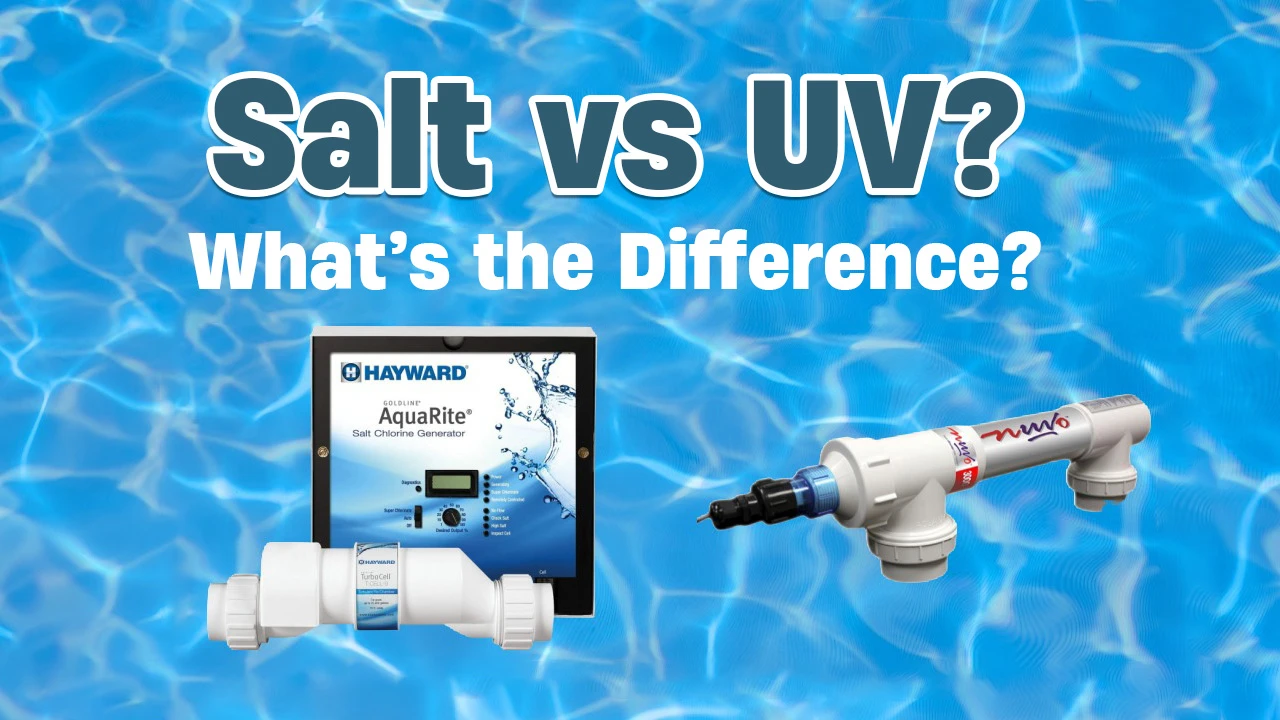
Some people prefer salt water for its softer feel on skin. It also reduces the need to handle chemicals. Ozone offers very clear water with fewer byproducts. Salt systems require adding salt but less chlorine. Ozone needs special equipment and power. Consider your comfort with maintenance and costs.
Credit: www.eztestpools.com
Frequently Asked Questions
What Are The Main Differences Between Ozone And Salt Water Pools?
Ozone pools use ozone gas to clean water, killing bacteria quickly. Salt water pools use salt to create chlorine naturally for sanitation. Both methods reduce chemicals but work differently.
Is Ozone Or Salt Water Better For Sensitive Skin?
Ozone pools usually cause less skin irritation than salt water pools. Salt water can sometimes dry skin and eyes. Ozone breaks down faster, leaving less chemical residue.
How Do Ozone And Salt Water Systems Affect Pool Maintenance?
Ozone systems need special equipment but less chemical balancing. Salt water pools require salt cell cleaning and monitoring salt levels. Both reduce the need for added chlorine.
Which System Is More Cost-effective: Ozone Or Salt Water?
Ozone systems have higher initial costs but use fewer chemicals over time. Salt water pools cost less to install but may need more repairs. Long-term costs vary by pool size and use.
Can Ozone Or Salt Water Pools Prevent Algae Growth Better?
Ozone is strong against algae and kills it quickly. Salt water also helps control algae but slower than ozone. Both systems improve water clarity and reduce algae risk.
Conclusion
Choosing between ozone and salt water depends on your pool needs. Ozone cleans water quickly and uses less chemicals. Salt water feels softer and requires less maintenance. Both help keep pools clear and safe. Think about your budget and how much work you want to do.
Either choice can make swimming more enjoyable. Simple care keeps your pool fresh all season. Choose what fits your lifestyle best.