
Are you trying to decide between stamped and brushed concrete for your next project? Choosing the right finish can transform your space, adding style and durability that lasts for years.
But with so many options, it’s easy to feel overwhelmed. What’s the difference? Which one suits your needs better? This article will help you understand the key features, benefits, and drawbacks of stamped versus brushed concrete—so you can make the best choice for your home or business.
Keep reading to discover the perfect concrete finish that matches your vision and lifestyle.

Credit: coughlinconcrete.com
Stamped Concrete Basics
Stamped concrete is a popular choice for outdoor and indoor surfaces. It adds style and texture to plain concrete. This method creates patterns that look like stone, brick, or wood. It changes the hard surface into a decorative one. Many homeowners prefer stamped concrete for patios, driveways, and walkways.
The process is quick compared to laying real stone or brick. It also costs less but still offers a beautiful finish. Stamped concrete comes in many designs and colors. It allows you to customize your space with ease.
What Is Stamped Concrete
Stamped concrete is regular concrete with patterns pressed into it. The patterns are made using special tools while the concrete is soft. This gives the surface a textured look. The concrete then hardens with the design in place.
This method copies natural materials like stone or wood. It is a smart way to get a high-end look without high costs. Stamped concrete is strong and lasts for many years.
Common Patterns And Designs
Common stamped concrete patterns include stone, brick, and tile. Slate and cobblestone are also popular choices. Wood plank designs mimic real wood floors or decks. Some patterns combine shapes for a unique look.
Colors vary from earth tones to bright shades. The color can be mixed in or applied on top. This variety helps match stamped concrete to any home style.
Materials And Installation Process
Stamped concrete starts with regular cement, sand, and gravel mix. Color additives are mixed in or sprayed on the surface. After pouring, the concrete is smoothed and leveled.
While still soft, stamps are pressed onto the surface. These stamps create the design and texture. The concrete is left to harden and dry fully. Finally, a sealant is applied to protect the surface and color.
The whole process takes a few days depending on size. Proper installation ensures durability and beauty for years.
Brushed Concrete Essentials
Brushed concrete offers a simple, practical finish for many outdoor and indoor spaces. It provides a non-slip surface that is durable and easy to maintain. This type of concrete is common in driveways, sidewalks, and patios. Understanding the basics of brushed concrete helps you choose the right texture and look for your project.
What Is Brushed Concrete
Brushed concrete is a type of finish created by dragging a brush over fresh concrete. This brushing happens before the concrete fully hardens. The process creates small grooves on the surface. These grooves add texture and improve traction. It is a popular choice for areas that need extra grip.
Texture And Appearance
The surface of brushed concrete feels rough but not harsh. Its texture is subtle, with fine lines running in one direction. This look is natural and clean. Brushed concrete often appears light gray. It can show slight color changes depending on the mix and weather. The finish reduces shine, making the surface less slippery.
Materials And Application Techniques
The main material is standard concrete mix. After pouring, workers wait until the concrete firms up slightly. Then, they use a stiff broom or brush to create the texture. The brush strokes run across the surface evenly. Proper timing is key to avoid damaging the concrete. Sealing the surface afterward helps protect it from stains and weather.
Design And Style Comparison
Stamped and brushed concrete offer distinct design and style options. Both create unique looks for outdoor and indoor spaces. Understanding their design differences helps you pick the best choice for your project.
Each style adds texture and character to concrete surfaces. They change the feel and look of patios, driveways, walkways, and more.
Visual Appeal And Customization
Stamped concrete mimics natural materials like stone, brick, or wood. It adds intricate patterns and shapes that bring elegance and charm. The texture is deeply embossed for a strong visual impact.
Brushed concrete has a more subtle look. It shows fine lines and grooves from the brushing process. This style gives a clean, simple, and modern feel. It is less detailed but still attractive in its own way.
Color Options And Finishes
Stamped concrete offers many color choices. You can blend several shades to create natural effects. Colors often come with sealers that add shine or a matte finish.
Brushed concrete usually has a uniform color. It often keeps the natural gray tone of concrete. You can add color stains or dyes, but the finish remains matte and less vibrant.
Suitability For Different Spaces
Stamped concrete fits well in decorative areas. It suits patios, pool decks, and entryways where design stands out. Its textured surface also helps with slip resistance.
Brushed concrete works best in practical spaces. Driveways, sidewalks, and garage floors benefit from its durability and grip. The simple look fits both residential and commercial settings.
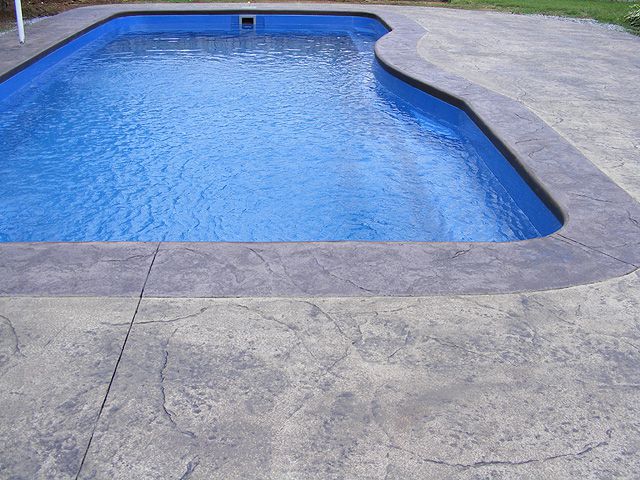
Credit: www.riverpoolsandspas.com
Durability And Maintenance
Durability and maintenance are key factors when choosing between stamped and brushed concrete. Both types offer strength and lasting appeal. But their care and lifespan differ. Understanding these differences helps in making the right choice for your project.
Longevity Of Stamped Vs Brushed Concrete
Stamped concrete often lasts longer than brushed concrete. The stamping process adds a protective layer. This layer helps resist cracks and wear. Brushed concrete has a rougher surface. It can wear down faster over time. Proper sealing extends the life of stamped concrete. Without sealing, both types can fade and chip.
Cleaning And Upkeep Tips
Cleaning stamped concrete requires gentle washing. Use a mild detergent and soft brush. Avoid harsh chemicals that can damage the surface. Brushed concrete needs regular sweeping to remove dirt. Power washing can help but use low pressure. Both surfaces benefit from resealing every few years. This keeps them looking fresh and protects against stains.
Resistance To Weather And Wear
Stamped concrete handles weather changes well. The sealant protects against rain, sun, and frost. Brushed concrete is more vulnerable to cracking in freezing weather. Heavy foot or vehicle traffic may wear down brushed surfaces faster. Stamped concrete resists stains and erosion better. Both need care to maintain their strength and appearance.
Cost Factors To Consider
Choosing between stamped and brushed concrete means thinking about costs. Not just the price of installation, but also upkeep and how it changes your home’s value. These cost factors help you pick the right concrete finish for your budget and needs.
Initial Installation Expenses
Stamped concrete usually costs more to install than brushed concrete. The patterns and colors require extra work and special tools. Brushed concrete is simpler, so it takes less time and skill. The size of the area also affects the price. Larger spaces mean higher costs for both types.
Long-term Maintenance Costs
Stamped concrete needs sealing every few years to keep its look. Without sealing, it can fade or crack. Brushed concrete is low maintenance and does not need sealing often. Both types may need repairs if damaged, but stamped concrete repairs can be pricier.
Value Added To Property
Stamped concrete adds a decorative touch that can increase your home’s appeal. This can raise the property’s market value. Brushed concrete offers a clean, simple look but adds less value. Think about how much you want to invest in curb appeal and resale price.

Credit: trioconcrete.ca
Best Uses For Each Surface
Stamped and brushed concrete each offer unique benefits for different spaces. Choosing the right surface depends on where you want to use it and the look you want to achieve. Understanding the best uses helps you pick the perfect finish for your project.
Outdoor Applications
Stamped concrete shines in outdoor areas like patios and walkways. It mimics natural materials such as stone or brick, adding charm to gardens and yards. Its durability resists weather and heavy foot traffic well.
Brushed concrete suits driveways and sidewalks. The texture provides extra grip, reducing slip risks when wet. It handles harsh weather and wear without losing its rough surface.
Indoor Settings
Stamped concrete adds style to indoor floors. It works well in entryways and basements, offering a decorative touch. The patterns bring warmth and a polished look to plain concrete.
Brushed concrete is less common inside but fits utility rooms or garages. Its simple texture helps hide dirt and wear. It’s easy to clean and maintain in busy indoor areas.
Commercial Vs Residential Preferences
Commercial spaces favor stamped concrete for its design options. It impresses customers and fits many business styles. The surface withstands heavy use and still looks good.
Residential areas often choose brushed concrete for function. It’s safer for families with children or pets. The rough texture reduces slip hazards around pools or decks.
Choosing The Right Contractor
Choosing the right contractor is key for a successful concrete project. The quality of work depends on the skills and knowledge of the contractor. The right professional makes sure your stamped or brushed concrete looks great and lasts long.
Careful selection helps avoid costly mistakes and delays. Trustworthy contractors guide you through the process and use the best materials. They understand the unique needs of stamped and brushed concrete finishes.
Experience And Expertise
Experience matters a lot in concrete work. Contractors with years of experience know how to handle different surfaces and designs. They understand the best techniques for stamping or brushing concrete. Skilled workers avoid cracks and uneven surfaces. Choose a contractor who has worked on projects similar to yours.
Portfolio And References
Check the contractor’s past work to see their style and quality. A strong portfolio shows their ability to create beautiful stamped or brushed finishes. Ask for references from previous clients. Talking to past customers reveals how reliable and professional the contractor is. Positive feedback means you can trust their work.
Warranty And Support
A good contractor offers a warranty for their work. This guarantees repairs if problems arise after installation. Support after the job is done shows the contractor stands behind their work. Ask about the length and coverage of the warranty. Choose a contractor who provides clear support terms and quick responses.
Frequently Asked Questions
What Is The Main Difference Between Stamped And Brushed Concrete?
Stamped concrete has patterns and textures, while brushed concrete has a rough, non-slip surface. Stamped concrete looks decorative, and brushed concrete focuses on safety.
Which Concrete Type Is Better For Outdoor Patios?
Stamped concrete is popular for patios due to its decorative look. Brushed concrete works well for areas needing slip resistance.
How Does The Cost Of Stamped Compare To Brushed Concrete?
Stamped concrete usually costs more because of the extra work and materials. Brushed concrete is simpler and less expensive to install.
Can Stamped Concrete Mimic Natural Materials Like Stone Or Wood?
Yes, stamped concrete can imitate stone, brick, or wood patterns. This makes it a stylish choice for many outdoor spaces.
Is Maintenance Different For Stamped And Brushed Concrete?
Stamped concrete needs sealing to keep its look and protect it. Brushed concrete requires less care but may need occasional cleaning.
Conclusion
Stamped and brushed concrete both offer strong, stylish surfaces. Stamped concrete adds pattern and texture for a unique look. Brushed concrete gives a simple, non-slip finish. Choose based on your style and safety needs. Both types last long with proper care.
Think about your space and budget before deciding. Either choice can improve your outdoor area’s appeal. Easy to maintain and affordable options. Your perfect concrete depends on your personal taste.