
When it comes to keeping your pool clean and safe, you might be wondering whether bromine or chlorine is the better choice. Both chemicals have their own strengths and weaknesses, but which one suits your needs best?
Understanding the key differences between bromine and chlorine can save you time, money, and hassle. By the end of this article, you’ll know exactly which option fits your lifestyle and pool care routine. Ready to make your pool sparkle with the right sanitizer?
Let’s dive into the bromine vs chlorine debate.
Credit: www.combinedshipping.co.uk
Pool Sanitizers At A Glance
Sanitizers keep pool water clean and safe. They kill germs and stop algae growth. Without sanitizers, pools become unhealthy places to swim.
Choosing the right sanitizer helps maintain clear water. It also protects swimmers from infections. Two popular pool sanitizers are bromine and chlorine.
Role Of Sanitizers In Pools
Sanitizers remove harmful bacteria and viruses. They help prevent skin and eye irritation. Sanitizers also control algae, keeping water clear.
They break down sweat, oils, and dirt brought by swimmers. This keeps pools fresh and inviting. Proper sanitizer levels are essential for pool health.
Common Types Of Pool Sanitizers
Chlorine is the most common sanitizer. It kills germs quickly and is affordable. Chlorine works best in outdoor pools under sunlight.
Bromine is another popular option. It lasts longer in warm water and resists sunlight better. Bromine is gentle on skin and eyes, ideal for indoor pools.
Both sanitizers have pros and cons. Pool owners choose based on pool type and personal needs.
Chemical Properties Of Bromine And Chlorine
Bromine and chlorine are both halogens found in the periodic table. They share some similarities but have distinct chemical properties. Understanding these properties helps explain how each element behaves in different environments.
Both elements exist as diatomic molecules, meaning they form pairs of atoms. Their physical states differ at room temperature, which affects their uses and handling. These differences extend to how they react with other substances, especially water.
Basic Characteristics
Chlorine is a greenish-yellow gas with a strong smell. Bromine is a reddish-brown liquid that gives off a sharp odor. Both are highly reactive and toxic in nature. Chlorine has a lower atomic number and is lighter than bromine. Bromine has a higher boiling point, so it stays liquid longer at room temperature.
Chlorine is more abundant in the Earth’s crust and atmosphere. Bromine appears mostly in saltwater and brine deposits. Both elements have seven electrons in their outer shell, making them eager to gain one more electron. This eagerness drives their chemical reactions.
How They React In Water
Chlorine dissolves in water to form a pale yellow solution. It reacts quickly, producing hydrochloric acid and hypochlorous acid. These acids give chlorine its strong disinfecting power.
Bromine also dissolves in water but forms a darker solution. It reacts slower than chlorine and produces hydrobromic acid and hypobromous acid. These acids also help kill bacteria but are less aggressive than chlorine’s acids.
Both elements can kill germs and are used to clean water. Chlorine works faster but can cause more irritation. Bromine works gently and lasts longer in warm water. Their chemical behavior in water affects how they are used in pools and water treatment.
Effectiveness Against Pool Contaminants
Choosing the right sanitizer for your pool depends on how well it handles common contaminants. Bromine and chlorine both fight germs and keep water clean. Each has strengths in controlling different types of pool problems. Understanding their power helps you keep your pool safe and clear.
Bacteria And Viruses
Chlorine kills bacteria and viruses quickly. It reacts fast to germs and keeps water safe. Bromine also kills these microbes but works slower than chlorine. Bromine stays active longer in warm water, making it good for hot tubs. Both help prevent infections and illness in swimmers.
Algae Control
Chlorine is strong against algae and stops it from growing fast. It breaks down algae cells on contact. Bromine fights algae too but is less effective than chlorine. It needs higher levels to control algae well. Pool owners using bromine must watch algae growth closely.
Organic Matter Breakdown
Chlorine breaks down sweat, oils, and other organic matter quickly. This helps reduce unpleasant smells and keeps water clear. Bromine breaks down organic matter slower but keeps working longer in the water. It produces fewer strong odors than chlorine. Both help maintain clean, fresh pool water.

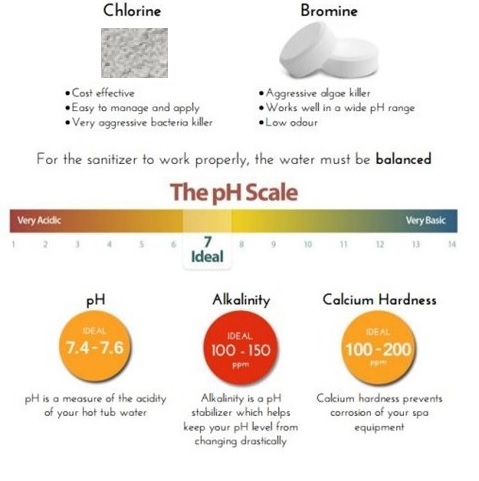
Credit: www.doheny.com
Impact On Pool Water Quality
Pool water quality depends a lot on the sanitizer used. Bromine and chlorine both keep water clean but affect it differently. Understanding their impact helps maintain a safe and pleasant swimming environment.
Water Ph Levels
Chlorine tends to lower the pH level of pool water. Low pH can make water acidic, which may cause skin irritation. Bromine is gentler and keeps pH more stable. Stable pH helps protect pool equipment and swimmer comfort.
Odor And Taste
Chlorine often produces a strong, sharp smell. This can be unpleasant for some swimmers. Bromine has a milder, less noticeable odor. It also leaves less taste in the water, making swimming more enjoyable.
Water Clarity
Both bromine and chlorine help keep water clear by killing bacteria. Chlorine works fast but can cause cloudy water if not balanced. Bromine works steadily and often results in clearer water. Clear water is safer and more inviting for swimmers.
Safety And Health Considerations
Safety and health are important when using bromine or chlorine. Both chemicals can cause problems if handled carelessly. Knowing how they affect the body helps prevent injuries. Proper care reduces risks for everyone involved.
Skin And Eye Irritation
Bromine and chlorine can irritate skin and eyes. Contact may cause redness or burning. Chlorine often causes stronger irritation than bromine. Avoid touching your face after handling these chemicals. Wash hands thoroughly to remove any residue.
Respiratory Effects
Breathing in vapors from bromine or chlorine can hurt the lungs. Symptoms include coughing and shortness of breath. Chlorine gas is more likely to cause breathing problems. Use these chemicals in well-ventilated areas only. Masks can help reduce inhalation risks.
Handling And Storage
Store bromine and chlorine in cool, dry places away from sunlight. Keep containers tightly closed to avoid leaks. Use gloves and protective clothing during handling. Follow all safety guidelines on the product labels. Proper storage limits accidental spills and exposure.
Cost And Maintenance
Cost and maintenance are key factors when choosing between bromine and chlorine. Both chemicals keep pools clean but differ in price and upkeep. Understanding these differences helps you manage your pool better and save money.
Initial Investment
Bromine usually costs more to buy at first. The supply and production process make bromine pricier than chlorine. Chlorine is cheaper and more widely available. Pool owners often choose chlorine to save on starting costs.
Ongoing Expenses
Bromine lasts longer in water, so you may use less over time. Chlorine breaks down faster and needs more frequent adding. This can raise the total cost of chlorine maintenance. The cost difference depends on pool size and usage.
Ease Of Use And Monitoring
Chlorine is easier to test and balance with simple kits. Bromine requires more careful monitoring to keep levels safe. Chlorine works faster and shows clear signs when it needs adding. Bromine’s slower action means less frequent checks but more skill.
Environmental Impact
Both bromine and chlorine are used to disinfect water and control bacteria. Their environmental effects vary, which matters for eco-friendly choices. Understanding these impacts helps protect nature and maintain clean water.
Chemical Residue
Bromine leaves fewer harmful residues than chlorine. Chlorine often forms toxic by-products like trihalomethanes. These chemicals can persist in water and soil. Bromine’s residues break down faster, reducing long-term harm.
Biodegradability
Bromine compounds generally biodegrade quicker than chlorine compounds. Faster breakdown means less pollution in natural waters. Chlorine residues can stay longer and affect water quality. Bromine’s better biodegradability makes it a safer option for the environment.
Effect On Surrounding Ecosystems
Chlorine can harm fish and aquatic plants if it enters natural water bodies. Its toxic nature disrupts ecosystems and reduces biodiversity. Bromine is less toxic to aquatic life at low levels. Using bromine can lower the risk of damage to rivers and lakes.
Credit: www.spaworld.com.au
Choosing The Right Sanitizer
Choosing the right sanitizer for your pool is key to keeping the water clean and safe. Both bromine and chlorine work well, but your choice depends on several factors. Understanding these will help you pick the best option for your pool.
Pool Size And Usage
Large pools may need more sanitizer to stay clean. Chlorine is often preferred for bigger pools because it works fast. Bromine can be better for smaller pools or spas. Frequent swimming means more sanitizer is needed to keep water clear.
Climate Considerations
Warm climates can affect how long sanitizers last. Chlorine breaks down faster under strong sunlight. Bromine stays active longer in heat and sunlight. Cold weather slows down sanitizer action. Choose a sanitizer that suits your local climate.
Personal Preferences
Some people react to chlorine’s smell or feel. Bromine causes less skin and eye irritation. Chlorine is usually cheaper and easier to find. Consider your budget and comfort when choosing. Your choice should fit your lifestyle and needs.
Frequently Asked Questions
What Are The Main Differences Between Bromine And Chlorine?
Bromine is a red-brown liquid at room temperature, while chlorine is a greenish-yellow gas. Chlorine is more reactive and commonly used in water treatment.
Which Is Safer For Swimming Pool Disinfection, Bromine Or Chlorine?
Chlorine is widely used and effective but can cause stronger odors and irritation. Bromine is gentler on skin and eyes but works best in warmer water.
How Do Bromine And Chlorine Kill Bacteria In Water?
Both chemicals destroy bacteria by breaking down cell walls and stopping cell functions. Chlorine works faster, while bromine lasts longer in water.
Can Bromine Replace Chlorine In All Water Treatment Applications?
Bromine can replace chlorine in pools and spas but is less common in drinking water treatment. It performs better in hot water environments.
What Are The Cost Differences Between Bromine And Chlorine?
Chlorine is usually cheaper and more available worldwide. Bromine costs more but requires fewer applications in some cases.
Conclusion
Both bromine and chlorine serve important roles in water treatment. Bromine works well in warmer water and stays effective longer. Chlorine acts fast and is widely available. Each has its strengths and weaknesses to consider. Choose based on your water type and needs.
Safe, clean water is the goal. Understanding these elements helps make the best choice. Simple and clear for healthier water every day.