
Imagine never having to worry about your pool’s water level again. Adding autofill to your existing pool can save you time, effort, and protect your pool from damage caused by low water levels.
If you’ve been manually topping up your pool or watching the water drop after every swim, this simple upgrade can change everything. You’ll discover how easy it is to add autofill to your pool, the benefits it brings, and what you need to know before getting started.
Ready to make pool maintenance effortless? Let’s dive in.

Credit: www.amazon.com
Benefits Of Pool Autofill
Adding an autofill system to your existing pool brings many benefits. It makes pool care easier and helps keep the water at the right level. This small upgrade saves time and prevents common problems. Let’s explore how pool autofill can improve your pool experience.
Save Time And Effort
Autofill stops the need to check water levels daily. It fills the pool automatically when water drops. You do not have to carry buckets or hoses. This frees up your time for fun or rest. Pool care becomes less of a chore.
Maintain Ideal Water Level
Water evaporates or splashes out during use. Autofill keeps the water at the perfect height. This helps the pool look good and stay clean. The water level stays steady without your help. Consistent water levels protect the pool’s structure.
Prevent Damage To Pool Equipment
Low water levels can harm pumps and filters. Autofill keeps water above the minimum level needed. This stops air from getting into the system. It reduces wear and tear on pool machines. Your equipment lasts longer and works better.
Choosing The Right Autofill System
Choosing the right autofill system is important for a smooth pool experience. It ensures your pool stays full without manual work. This choice depends on your pool type, budget, and device options. Understanding these factors helps you pick the best system that fits your needs.
Types Of Autofill Devices
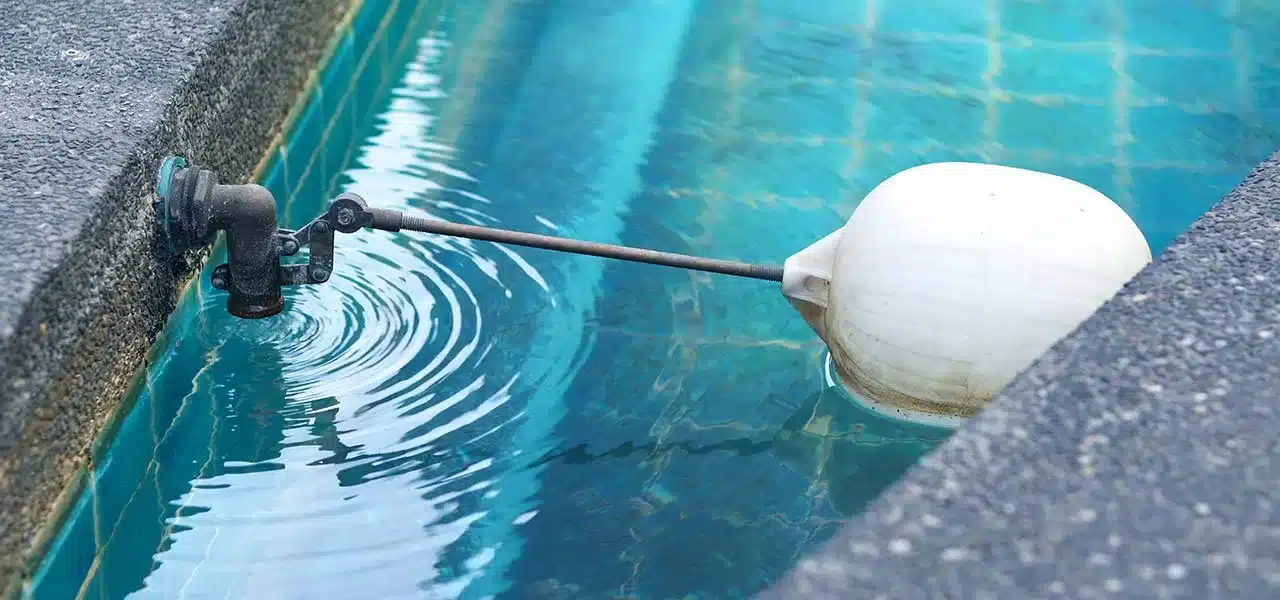
There are different autofill devices available. Float valve systems use a ball float to control water flow. Electronic sensors detect water levels and add water automatically. Pressure-activated valves open and close based on water pressure. Each type works differently and suits different pool setups.
Compatibility With Existing Pools
Check if the autofill device fits your pool design. Some systems need specific plumbing or electrical connections. Older pools may require adjustments before installation. Measure your pool’s water line and plumbing to ensure a good fit. Compatibility avoids costly changes and installation problems.
Budget Considerations
Set a clear budget for your autofill system. Basic float valves cost less but need more maintenance. Electronic sensors cost more but offer precise control. Consider installation costs and future savings on water bills. Choose a system that balances cost with features and reliability.
Tools And Materials Needed
Adding an autofill system to your existing pool can save time and effort. To do this job well, you need the right tools and materials. Proper preparation makes the installation easier and safer. Here is a list of what you need before starting.
Essential Tools
You need a drill to make holes in the pool wall. A pipe cutter helps to trim pipes to the right length. A wrench tightens fittings securely. Screwdrivers come in handy for small adjustments. A measuring tape ensures accurate cuts and placements. A level keeps pipes straight and aligned. Finally, pliers help hold and bend wires or pipes if needed.
Required Materials
Use PVC pipes for water supply lines. Get PVC fittings like elbows and tees for connections. A ball valve controls water flow to the pool. Teflon tape seals threaded joints to stop leaks. A float valve controls water level inside the pool. You also need a hose or tubing to connect the system. Waterproof sealant protects openings from water damage.
Safety Equipment
Wear safety goggles to protect your eyes from debris. Gloves protect your hands from sharp edges and chemicals. Ear protection reduces noise from power tools. A dust mask prevents inhaling dust or fumes. Wear sturdy shoes to avoid injuries from dropped tools. Keep a first aid kit nearby for minor cuts or scrapes.
Credit: intheswim.com
Step-by-step Installation Guide
Adding an autofill system to your existing pool saves time and keeps water levels steady. Follow this step-by-step guide to install the device correctly. Each step is easy to follow and ensures your pool stays full without effort.
Preparing The Pool Area
Clear the pool area of debris and dirt. Make sure the pool surface near the water line is clean and dry. Check for any cracks or leaks around the pool walls. Gather all tools and parts needed for installation. Turn off the pool pump and close water valves for safety.
Mounting The Autofill Device
Select a spot near the pool’s water line to mount the autofill device. Use the mounting bracket to fix the device securely. Ensure the device is level and stable. Avoid placing it near pool lights or electrical outlets. Tighten screws firmly but do not over-tighten.
Connecting Water Supply
Attach the water supply line to the autofill device inlet. Use Teflon tape on threaded joints to prevent leaks. Connect the other end to your garden hose or water line. Open the main water valve slowly. Check all connections for drips or leaks and tighten if needed.
Testing And Adjusting Settings
Turn on the autofill device to test the water flow. Watch the water level rise inside the pool. Adjust the float or sensor to set the desired water height. Let the device run for a few minutes and observe. Make small adjustments until the water stops at the right level.
Troubleshooting Common Issues
Adding an autofill system to your pool can save time and keep water levels steady. Sometimes, issues may arise that affect performance. Knowing how to fix common problems helps maintain your pool’s health and function.
Below are some frequent issues and easy ways to troubleshoot them. This guide helps you keep your autofill system running smoothly.
Water Leaks
Leaks can waste water and cause damage. Check all connections and valves for cracks or loose fittings. Tighten any loose parts gently. Replace worn-out washers or seals. Look under the pool deck or near the autofill unit for wet spots. Fix leaks quickly to prevent bigger problems.
Sensor Malfunctions
Sensors control the autofill system by detecting water levels. Dirt or debris on sensors can cause wrong readings. Clean the sensors with a soft cloth regularly. Make sure the sensor wires are not broken or loose. Test the sensor by adding water slowly and watch if it stops at the right level. Replace faulty sensors to ensure accuracy.
Inconsistent Water Levels
Uneven water levels reduce pool comfort and may strain the system. Check if the sensor is installed at the correct height. Adjust the sensor position if needed. Inspect the autofill valve to see if it closes completely. Blocked or damaged valves can cause overfilling or underfilling. Regular maintenance keeps water levels steady and safe.
Maintenance Tips For Autofill Systems
Adding an autofill system to your pool makes water level control easier. To keep it working well, regular maintenance is important. Simple care steps help avoid problems and save money on repairs.
Regular Cleaning
Clean the autofill sensor and valve often. Dirt and debris can block sensors. Use a soft cloth and mild soap. Avoid harsh chemicals that damage parts. Clean water flow paths to prevent clogs. This keeps the system accurate and reliable.
Seasonal Adjustments
Adjust settings for different seasons. Water evaporates faster in summer, so raise the fill level. Lower it in winter to avoid overflow. Check for leaks after storms or heavy rain. Seasonal care protects your pool and autofill system.
When To Replace Components
Parts wear out over time. Replace sensors if water levels are wrong. Change valves if they leak or stick. Check hoses and connections yearly. Timely replacement stops bigger issues and keeps your pool safe.
Credit: www.youtube.com
Frequently Asked Questions
What Is Autofill In A Pool System?
Autofill keeps the pool water level steady by adding water automatically when needed.
Why Add Autofill To An Existing Pool?
It saves time and effort by keeping water levels balanced without manual refilling.
How Does Pool Autofill Work?
A sensor detects low water levels and opens a valve to add water until full.
Can I Install Autofill On Any Pool Type?
Most pools can have autofill added, but check compatibility with your pool system first.
What Are The Benefits Of Using Pool Autofill?
It prevents water loss, protects pool equipment, and keeps the pool ready to use.
Is Pool Autofill Expensive To Install And Maintain?
Costs vary, but autofill systems are generally affordable and require little maintenance once set up.
Conclusion
Adding autofill to your existing pool saves time and effort daily. It keeps water levels steady without constant checking. This upgrade helps protect your pool’s equipment from damage. Installation is simple and does not require major changes. Choose the right system for your pool size and needs.
Regular maintenance ensures the autofill works smoothly for years. Enjoy a more convenient and worry-free pool experience. Your pool stays ready for fun anytime. A small change with big benefits.