
Are you finding your Richmond water heater’s temperature just a bit off? Maybe your showers are too hot or not warm enough, and you’re wondering how to fix it.
Adjusting the temperature on your Richmond water heater is easier than you think—and it can save you money and energy while keeping your home comfortable. You’ll learn simple, step-by-step tips to get your water heater set just right. Keep reading, and soon you’ll enjoy perfect water temperature every time.
Credit: allurelakestorey.com
Richmond Water Heater Basics
Richmond water heaters are common in many homes. They provide hot water for showers, dishes, and laundry. Knowing the basics helps you adjust the temperature safely and easily. This guide covers the types of Richmond water heaters and where to find the temperature control.
Understanding these basics ensures your water heater works well. It also helps save energy and avoid scalding risks. Let’s explore the important details about Richmond water heaters.
Types Of Richmond Water Heaters
Richmond offers several types of water heaters. The most common are tank and tankless models. Tank water heaters store hot water in a large tank. Tankless models heat water only when needed. Both types have different ways to adjust temperature. Knowing your type helps you find the right control and settings.
Location Of Temperature Control
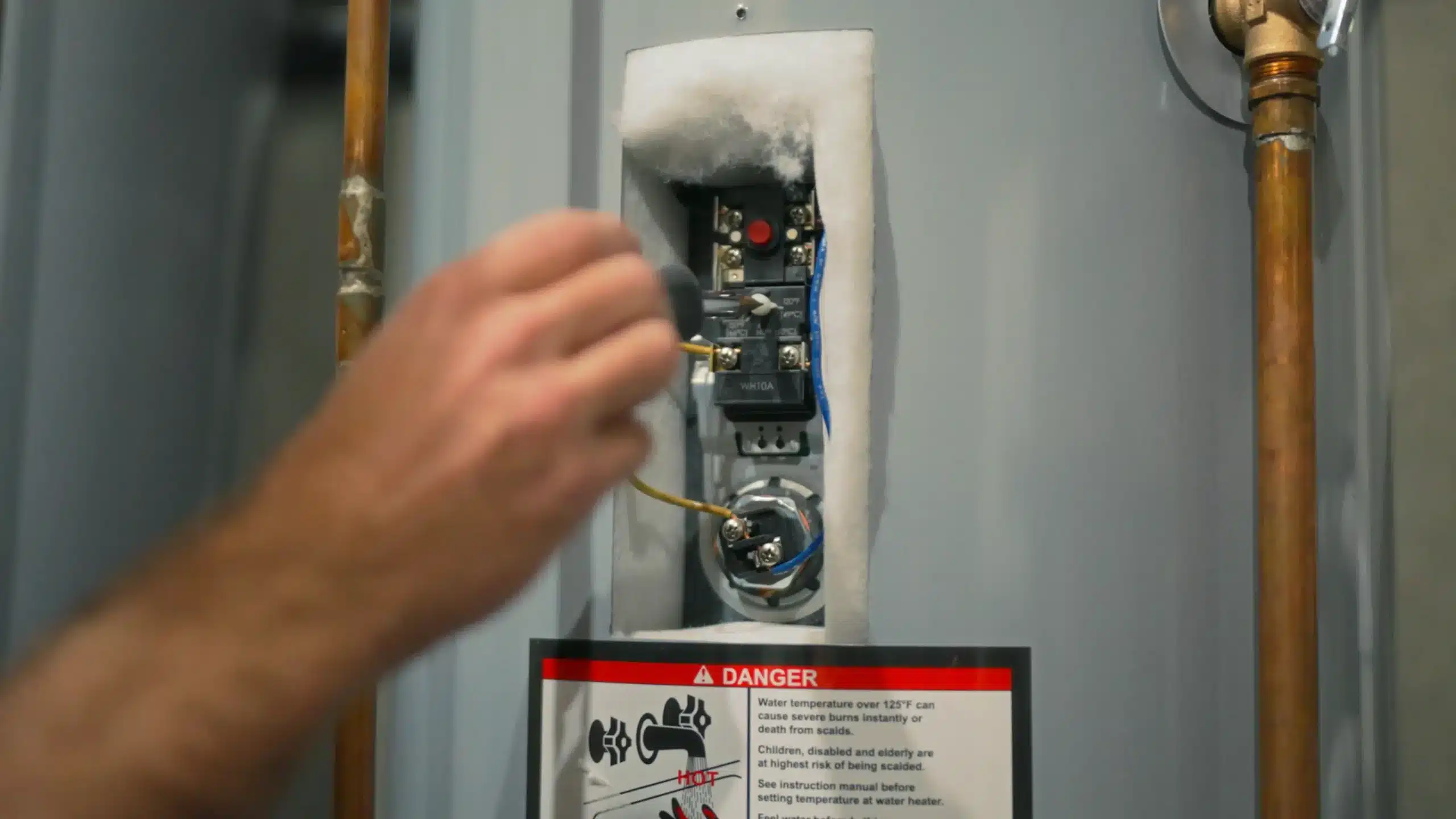
The temperature control is easy to find on Richmond heaters. On tank models, it is usually behind a panel near the bottom. You may need a screwdriver to open the panel. On tankless heaters, controls are often on the front display. Some models have digital settings, others use a dial. Always check your heater’s manual to locate the control safely.

Credit: www.reddit.com
Safety Precautions
Adjusting the temperature on your Richmond water heater needs care. Safety is very important. Taking simple safety steps can stop accidents and damage.
Turn Off Power Supply
Always switch off the power before adjusting the heater. This stops electric shocks or short circuits. For electric models, turn off the circuit breaker. For gas models, shut off the gas valve. Never work on the heater while it has power.
Avoid Scalding Risks
Set the temperature to a safe level to avoid burns. Water hotter than 120°F can cause scalding. Keep the setting between 120°F and 130°F for safety. Check the water temperature after adjusting. Use caution when testing hot water to protect your skin.
Step-by-step Temperature Adjustment
Adjusting the temperature on your Richmond water heater is simple. It helps save energy and keeps water at the right heat. Follow these clear steps to change the temperature safely and quickly.
Accessing The Thermostat
Start by turning off the power to the water heater. Find the access panel on the side of the unit. Use a screwdriver to remove the screws holding the panel. Carefully take off the panel to see the thermostat inside. You might also see some insulation, which you should gently pull aside.
Adjusting The Dial
Look for the temperature dial near the thermostat. It usually shows numbers or temperature levels. Use a flathead screwdriver to turn the dial. Turn it slowly to raise or lower the heat. The ideal temperature is around 120 degrees Fahrenheit. Do not set it too high to avoid burns and save energy.
Resetting The Panel
After adjusting the dial, put the insulation back in place. Reattach the access panel and screw it tightly. Turn the power back on to the water heater. Check the water temperature after a few hours. Make more adjustments if needed, following the same steps. This keeps your water heater working well and safe.

Credit: www.reddit.com
Ideal Temperature Settings
Setting the right temperature on your Richmond water heater matters. It keeps water safe and saves energy. Too hot can cause burns. Too cold might not kill germs. The ideal temperature balances comfort, safety, and cost. Understanding this helps you adjust your water heater wisely.
Recommended Temperature Range
The U.S. Department of Energy suggests 120°F as the ideal setting. This temperature prevents scalding and controls bacteria growth. It is warm enough for daily use like showers and washing dishes. Avoid setting above 130°F. Higher temperatures increase burn risks and energy bills. Check your water heater dial and set it close to 120°F.
Energy Efficiency Tips
Lowering your water heater temperature reduces energy use. Each 10°F drop can save about 3% to 5% on energy costs. Insulate your water heater and pipes to keep water hot longer. Fix leaks promptly; they waste energy. Use a timer if your model supports it. Heat water only when needed. These small steps improve efficiency and lower bills.
Troubleshooting Temperature Issues
Troubleshooting temperature issues with your Richmond water heater can save time and money. Knowing common problems helps you fix your water heater quickly. Temperature problems often point to simple fixes. Understanding these issues keeps your hot water steady and safe.
Water Too Hot Or Too Cold
Water temperature can be too hot or too cold due to setting errors. Check the thermostat first. Adjust the dial to the recommended 120 degrees Fahrenheit. Too hot water risks burns. Too cold water means the heater is not working well. Sediment build-up inside the tank can lower heating efficiency. Flushing the tank might help. Also, check for broken heating elements. They can cause uneven heating.
Thermostat Malfunction Signs
A faulty thermostat causes temperature problems. Signs include sudden temperature changes. Water may get hotter or colder without reason. The heater might turn on and off often. Another sign is no hot water at all. If the thermostat is damaged, replace it. Testing with a multimeter confirms if it works. Proper thermostat function ensures consistent water temperature. Regular checks prevent bigger issues later.
When To Call A Professional
Adjusting the temperature on your Richmond water heater is often simple. Yet, some issues need expert help. Knowing when to call a professional saves time and prevents damage.
Persistent Temperature Problems
Sometimes, your water heater does not keep the right temperature. It may be too hot or too cold, even after adjusting the dial. This problem can mean a faulty thermostat or a broken heating element. These parts need special tools and skills to fix. Ignoring the issue can cause bigger damage or safety risks. A professional can find the exact problem and fix it safely.
Regular Maintenance Tips
Regular care helps your water heater work well for years. Flushing the tank once a year removes sediment buildup. Checking the anode rod protects the tank from rust. Testing the pressure relief valve keeps your heater safe. A professional can perform these tasks correctly and spot small issues early. Scheduling yearly maintenance keeps your water heater efficient and reliable.
Frequently Asked Questions
How Do I Find The Temperature Dial On A Richmond Water Heater?
The temperature dial is usually behind the access panel on the water heater. Remove the panel carefully to see the dial. It often has markings from low to high.
What Is The Best Temperature Setting For Richmond Water Heaters?
A good setting is 120 degrees Fahrenheit. This prevents scalding and saves energy. It also keeps your water hot enough for daily use.
Can I Adjust The Temperature Without Tools?
Most Richmond water heaters need a flathead screwdriver for adjustment. Some models have a dial you can turn by hand. Check your model to be sure.
How Long Does It Take For Water Temperature To Change?
It usually takes about 30 minutes to an hour. The water heater needs time to heat the tank fully. Avoid changing the setting too often.
Is It Safe To Set My Richmond Water Heater Above 140 Degrees?
Setting above 140 degrees can cause burns and uses more energy. It is not recommended for homes with children or elderly. Keep it at a safe, moderate level.
Conclusion
Adjusting the temperature on your Richmond water heater is quick and simple. Set it to a safe level to avoid burns and save energy. Check the settings regularly to keep your water just right. Small changes can improve comfort and lower bills.
Stay safe and enjoy warm water every day. Taking control of your water heater helps your home run smoothly. Try it today and notice the difference.