
Choosing between a 1/2 vs 3/4 hp garage door opener depends on your door’s weight and material, as most standard residential doors work fine with 1/2 hp, while heavier wood or carriage-house doors need the extra power of a 3/4 hp motor. If you have a single-car garage door, the smaller motor is usually enough. If you have a heavy, double-wide, or custom door, you’ll need the 3/4 hp motor to avoid excess strain.
Comparing garage door motor power
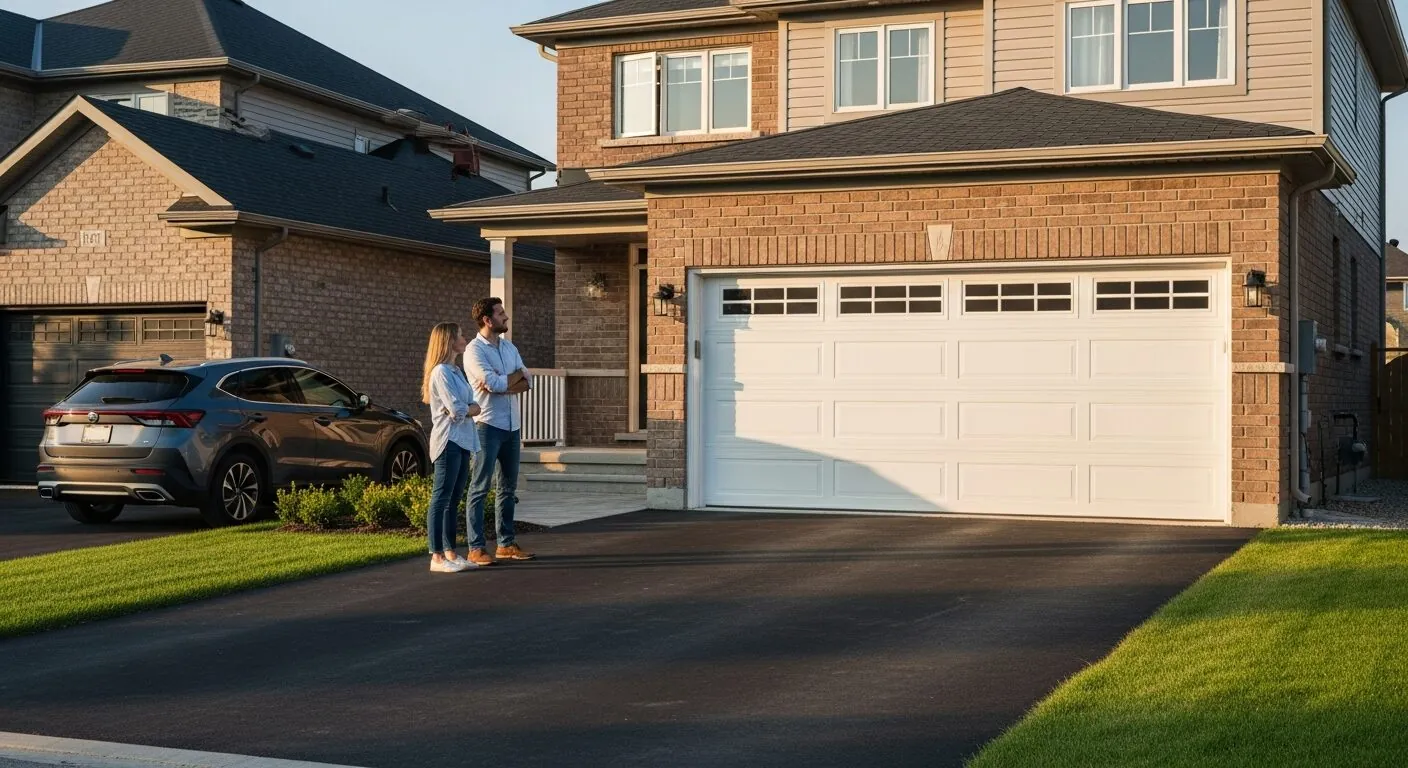
Selecting the right motor strength prevents premature wear on your system. While horsepower ratings provide a guide, modern openers often use DC motors that adjust speed and force differently than older AC models. Always check your specific door’s weight against the manufacturer’s maximum lift capacity to ensure safety.
| Method | How long | Effort | Cost | Best for |
|---|---|---|---|---|
| 1/2 HP Motor | Long-lasting | Low | Low | Standard light doors |
| 3/4 HP Motor | Long-lasting | Low | Medium | Heavy custom doors |
| 1 HP+ Motor | High durability | Minimal | High | Massive carriage doors |
If your door is made of lightweight aluminum, a 1/2 hp motor is the industry standard. If your door is solid wood or features heavy insulation, you should upgrade to a 3/4 hp motor to ensure smooth operation.
Most homeowners make the mistake of choosing a motor based solely on the door’s material rather than the actual weight. A door that feels heavy when lifted manually by hand requires a motor with a higher torque rating, regardless of the material.
Apply the rule of thumb: if your door weighs more than 300 pounds, skip the base models entirely. You should also verify if your door uses extension springs or torsion springs. Torsion systems require more consistent power delivery. If you have a double-wide door, always choose a 3/4 hp motor or higher to account for the increased surface area and wind resistance.
Installing a 1/2 hp garage door opener
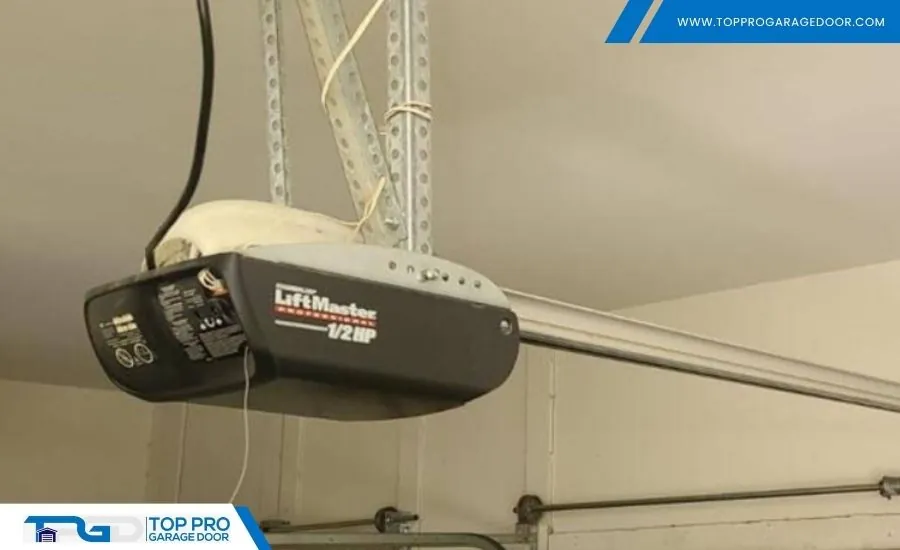
A 1/2 hp unit is the most common choice for standard metal or vinyl sectional doors. It provides enough torque to lift doors that weigh up to 300 pounds without straining the internal gears.
Mount the rail system to the header bracket above the door center. Ensure this bracket is bolted directly into the structural header rather than just the drywall, as the entire weight of the door pulls against this single point.
Secure the motor head to the ceiling brackets using vibration-dampening hardware. If you hear a metallic rattling during operation, your mounting bolts are likely loose or missing these rubber washers.
Attach the trolley and connect the arm to the door panel. The arm must be installed at a slight angle when the door is closed to prevent the trolley from binding against the rail stop.
Set the force limits according to the Underwriters Laboratories safety standards for automatic door operators. If the door reverses before hitting the floor, increase the downward force in small increments. If it fails to reverse when hitting a two-by-four laid flat on the ground, the force is set too high and poses a crush hazard.
Test the safety reversal sensors by placing an object in the path of the door. The beam must be positioned no more than six inches above the floor. If you place it higher, a small child or pet could crawl underneath the sensors.
This unit isn’t for oversized, custom-built carriage doors, as the motor will overheat.
Upgrading to a 3/4 hp garage door opener
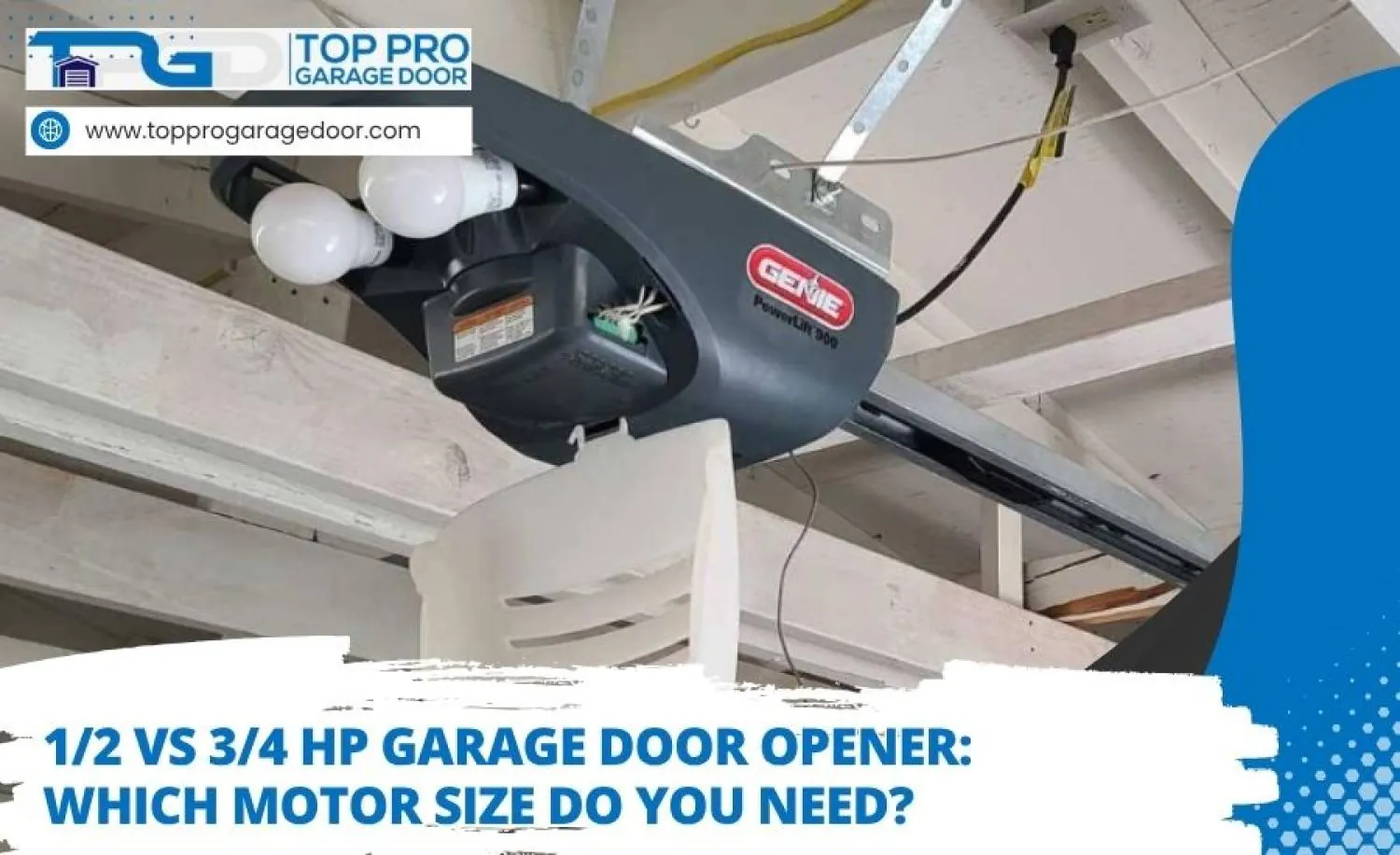
A 3/4 hp motor offers more reserve power, which is critical if your door is heavy or exposed to extreme temperature changes. While a 1/2 hp motor struggles against the added friction of cold-weather grease, the 3/4 hp unit maintains consistent speed.
Verify the door tracks are level and the rollers move freely without resistance. If you feel any binding while lifting the door by hand, the motor will fail prematurely regardless of its horsepower. You must fix the mechanical balance before installing the new unit.
Install the heavier-duty rail supplied with the 3/4 hp motor kit. These rails are engineered to withstand the increased torque and prevent the bowing that occurs with lighter-gauge steel. Bolt the motor housing to the ceiling joists, ensuring a tight fit to minimize vibration.
Program the travel limits and force settings using the digital control panel. Cycle the door three times to confirm the motor doesn’t labor. If the door reverses mid-travel, increase the force setting by one increment at a time until it stops.
This motor is essential for double-wide doors or those with heavy glass inserts. If your door is perfectly balanced, you might not notice a speed difference, but the motor will run cooler and last longer. Avoid this upgrade if you have a lightweight, single-panel aluminum door; the extra torque can actually cause the door to buckle or twist under the strain of the start-stop cycle. These units are relatively inexpensive compared to the potential cost of replacing worn internal gears.
Choosing the right motor for your home
Selecting the correct horsepower is a balance between your door’s physical weight and your budget. If you’re in a hurry to replace a broken unit, a 1/2 hp model is almost always in stock at local hardware stores. If you’re doing this for the first time, you should prioritize a motor with a soft-start feature, which reduces stress on the hardware regardless of the horsepower rating.
If your door is made of solid wood or features carriage-house styling, skip the 1/2 hp options entirely. These doors often exceed 300 pounds, and a smaller motor may experience increased wear, potentially leading to premature gear failure. Use a 3/4 hp motor for any door taller than seven feet or wider than sixteen feet.
If you want the best possible result, choose a 3/4 hp motor. It provides extra headroom, meaning the motor never has to work at its maximum capacity. This trade-off—paying more now to avoid mechanical failure later—is the smartest move for long-term ownership.
If your garage door is heavy, don’t try to save money by choosing the smaller motor. The cost of replacing a burnt-out motor later will far exceed the initial savings. Most homeowners assume the motor carries the weight, but the springs do the heavy lifting. If you can lift your door manually with one hand, a 1/2 hp unit is sufficient. If the door feels heavy or sluggish, you must upgrade to 3/4 hp to prevent premature motor burnout.
Maintaining your garage door system
Regardless of your motor’s power, the most important factor is the balance of your door. A heavy door that’s properly balanced will put less strain on a 1/2 hp motor than a light door that’s poorly balanced. You should perform a monthly safety check by disconnecting the opener and lifting the door manually. It should stay in place when you let go at chest height.
If the door slams down or flies up, the spring tension is wrong. Adjusting springs is dangerous work that can cause severe injury; if your springs aren’t balanced, contact a professional technician. Don’t attempt to loosen the bolts on the bottom bracket, as these hold the cable under extreme tension.
Always lubricate the hinges and rollers with a silicone-based spray twice a year. Use a lithium-based grease or silicone spray as recommended by your door manufacturer.
Keep the sensors clean and free of debris, as even a small spider web can block the beam and cause the door to reverse unexpectedly. If the door reverses without obstruction, check the alignment of the sensor eyes. If the LED indicator light flickers rather than glowing a solid color, tighten the mounting bracket to ensure the beam remains perfectly level across the threshold. If the light remains off, inspect the wiring for fraying caused by vibration.
Related guides
- LiftMaster vs Chamberlain: Which Garage Door Opener Is Best
- 1/2 vs 3/4 Horsepower Garage Door Opener: Which One to Choose
- Chamberlain Garage Door Opener Troubleshooting: Easy Fixes
Frequently asked questions
Can I replace a 1/2 hp with a 3/4 hp opener?
Yes, you can upgrade to a 3/4 hp unit on any standard residential track system. The mounting points are usually identical, though you should check the weight rating of your ceiling brackets to ensure they can support the slightly heavier motor housing. Always ensure the new motor’s power matches your door’s weight requirements to prevent unnecessary wear on your garage door hardware.
How long does a garage door motor last?
Most garage door motors last for a significant period with regular maintenance and proper spring balance. The lifespan depends on how often you cycle the door and whether the motor is sized correctly for the weight it lifts. If you notice the motor sounds strained or the door moves slower than usual, it’s time to check the spring tension and the lubrication of the tracks.
Is it safe to use a 1/2 hp motor on a double door?
No, it’s generally unsafe to use a 1/2 hp motor on a double door because the extra weight will cause the motor to overwork. Most double-wide doors require the additional torque of a 3/4 hp motor to operate safely and reliably. If the door is light, you might get away with it, but the gears will likely wear out much faster than they would with a larger motor.
What happens if I choose a motor that’s too weak?
If you choose a motor that’s too weak, the internal gears will strip or the motor will burn out prematurely. You may also notice the door moving very slowly or reversing during operation because it hits the force limit. This creates a safety hazard and forces you to replace the entire unit much sooner than expected. Always choose a motor with a slightly higher capacity than your door requires.
How much does a 3/4 hp opener cost?
A 3/4 hp opener typically costs 20% to 30% more than a 1/2 hp model due to the more robust motor windings and internal components. The exact price varies by brand and whether you choose a belt, chain, or screw drive system. You can check current pricing at your local home improvement retailer to see the price gap between the different power levels in your area.
Is a belt drive better than a chain drive?
A belt drive is generally quieter and requires less maintenance than a chain drive, making it popular for attached garages. However, the performance of the motor itself is more important for lifting capacity than the drive type. If you have a very heavy door, prioritize the 3/4 hp motor regardless of whether it uses a belt or a chain for the lifting mechanism.
Conclusion
Checking your door’s manual or looking for a weight rating sticker is a great way to start. If you’re still unsure which motor fits your setup, don’t hesitate to ask a local technician for their professional opinion. Getting the right match today will save you from unnecessary repairs down the road.
