
Stop using the door immediately, as a garage door wire came off because the tension system is compromised and poses a severe risk of injury. You must secure the area to prevent anyone from operating the opener, which could cause the door to fall or move unexpectedly. If the door is currently open, don’t attempt to force it shut, as the heavy panels may be unsupported and prone to collapsing. Contact a professional technician right away to assess the hardware, as this is a high-tension mechanical failure that requires specialized tools to resolve safely.
Immediate steps to secure your door
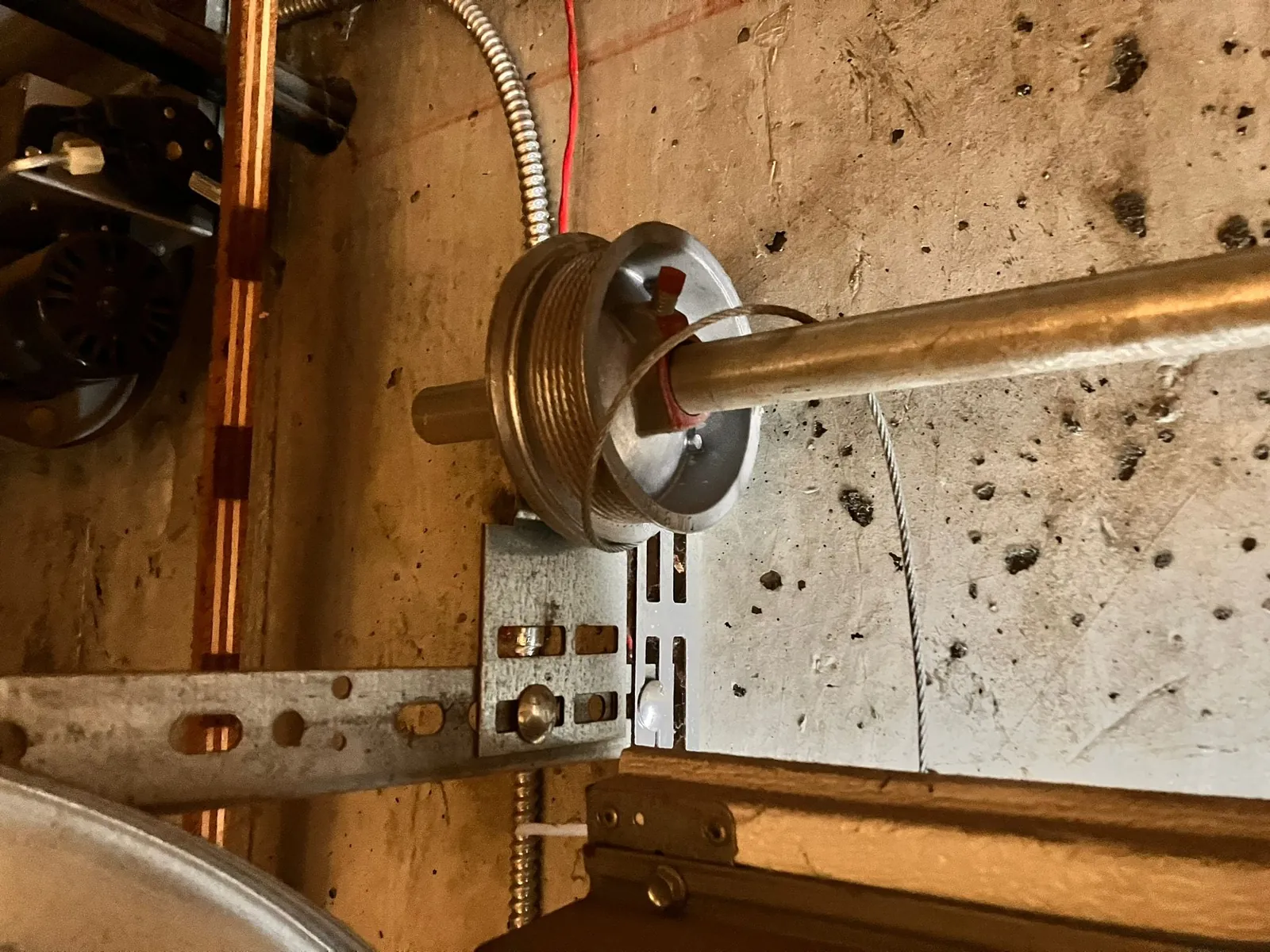
Unplug the garage door opener from the power outlet immediately to ensure no one can trigger the motor. This prevents the system from engaging a damaged spring or frayed cable, which could cause the door to collapse under its own weight.
If the door is currently open, wedge a heavy object or a sturdy sawhorse under the bottom panel to block it from moving further downward. Don’t rely on the opener’s tension to hold the door in place.
Install a physical locking mechanism, such as a side bolt or a padlock inserted through the track, to stop the door from being lifted manually. If you lack these tools, drive a large nail or bolt through the track just above a roller. This creates a hard stop that prevents the door from sliding upward.
Keep all people and pets out of the garage area until a qualified technician arrives. A garage door can weigh over 200 pounds; if a cable snaps, the door may fall with enough force to cause severe injury.
How the cable system functions
Garage doors rely on a system of high-tension cables and springs to balance the heavy weight of the door panels. These cables attach to the bottom corners of the door and wind around drums located on a torsion bar at the top.
When a garage door wire comes off, it usually means the cable has slipped from its drum or snapped entirely due to metal fatigue or improper alignment. This loss of tension causes the door to become unbalanced, meaning the motor is now lifting the full weight of the door without the mechanical advantage of the spring system.
If the door hangs crooked by more than an inch when partially open, the cable has likely lost its seat on the drum. If the screw is tight but the cable remains slack, the torsion spring has likely lost its wind or snapped, requiring a professional recalibration.
If the cable is frayed or broken, it must be replaced immediately, as it can’t be repaired safely. A single strand of wire fraying is a warning sign that the entire cable is compromised; failing to replace it now will lead to a catastrophic snap within weeks. You should never attempt to adjust the torsion springs yourself, as they’re under extreme pressure and can cause serious harm if they release suddenly.
The system works by transferring energy from the springs to the cables. If the cable is detached, that energy has nowhere to go, making the entire assembly highly unstable. If you hear a loud bang followed by the door refusing to move, stay clear of the tracks. The spring has likely broken, and the door is now a dead weight that can collapse without warning if the motor is engaged.
Checking the damage safely
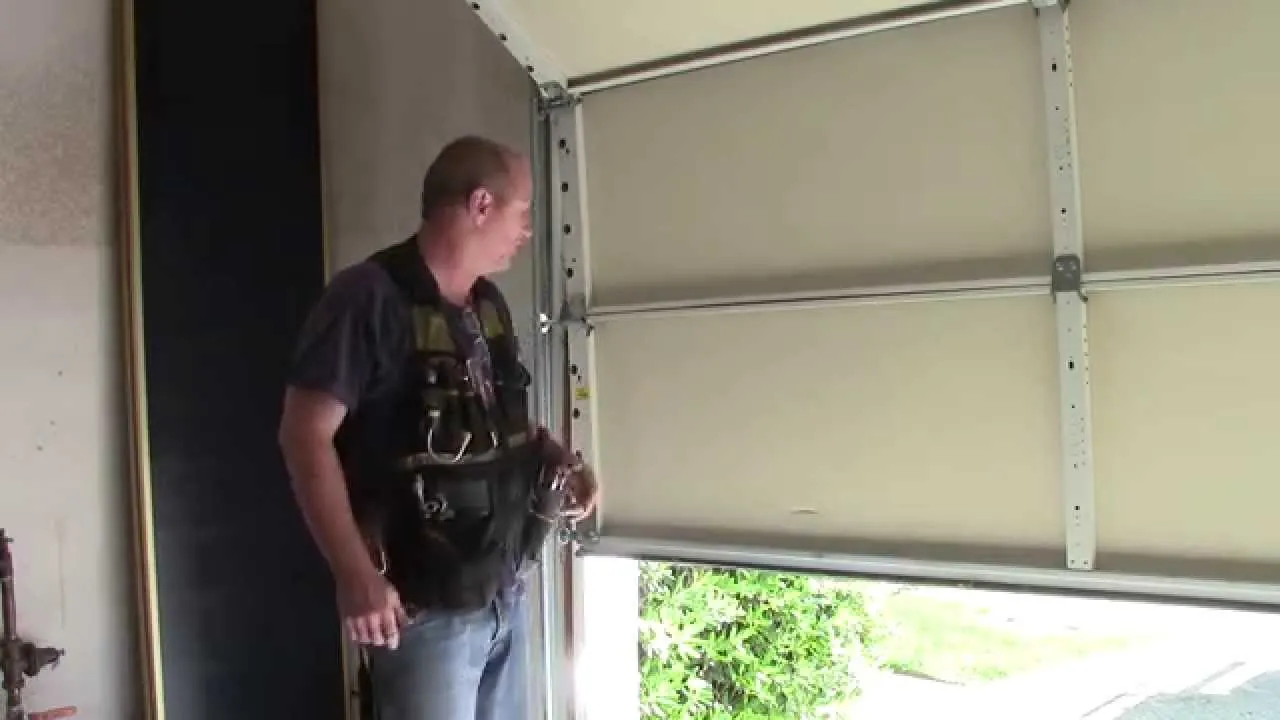
You can perform a visual inspection to see if the cable is simply off the track or if the hardware is damaged.
Check the drum alignment
Look at the cable drums at the ends of the torsion bar. If the cable has slipped off the groove, the drum might be loose or the shaft might be bent. A properly seated cable stays firmly in the drum grooves when the door is closed.
Inspect the cable condition
Examine the steel wire for signs of fraying, rust, or snapping. A healthy cable looks smooth with no loose strands. If you see any broken wires, the entire cable must be replaced by a professional.
Observe the bottom bracket
Check the attachment point at the bottom of the door where the cable connects. If this bracket is bent or the bolt is missing, the cable can’t maintain the correct tension. A straight bracket is necessary for the cable to track correctly.
Verify track clearance
Check if the vertical tracks are loose or bent, as this can cause the door to bind and throw the cable. The track should be plumb and securely bolted to the wall. If the track is wobbling, it’s a sign that the mounting hardware has failed.
Fixing a garage door wire that came off
Repairing a detached cable involves resetting the tension on the torsion springs and winding the cable back onto the drum. This process requires a specific sequence: the spring tension must be released, the cable must be re-seated in the drum, and the tension must be re-applied using winding bars.
If you aren’t familiar with the specific torsion system installed on your door, don’t attempt this. The springs hold enough force to cause severe injury or property damage if they slip during the winding process.
If the cable came off because of a loose drum screw, a technician will tighten the set screws on the shaft to prevent future slippage. Always check the shaft keyway for signs of rounding; if the metal is deformed, tightening the screw won’t stop the drum from shifting again.
If the cable is damaged, replace both the left and right cables as a set. Cables stretch at different rates over time, and a new cable paired with an old one will cause the door to pull unevenly, eventually bending the bottom brackets.
The sign that the fix has held is that the door moves smoothly and stays in place when you open it halfway manually. If the door drifts downward, the tension is too low. If it flies upward, the tension is too high.
If the problem returns within a week, it usually indicates that the spring or the drum is worn out and requires a complete replacement of the hardware assembly. Don’t attempt to re-tension a spring that has lost its ability to hold a consistent load.
When to hire a professional
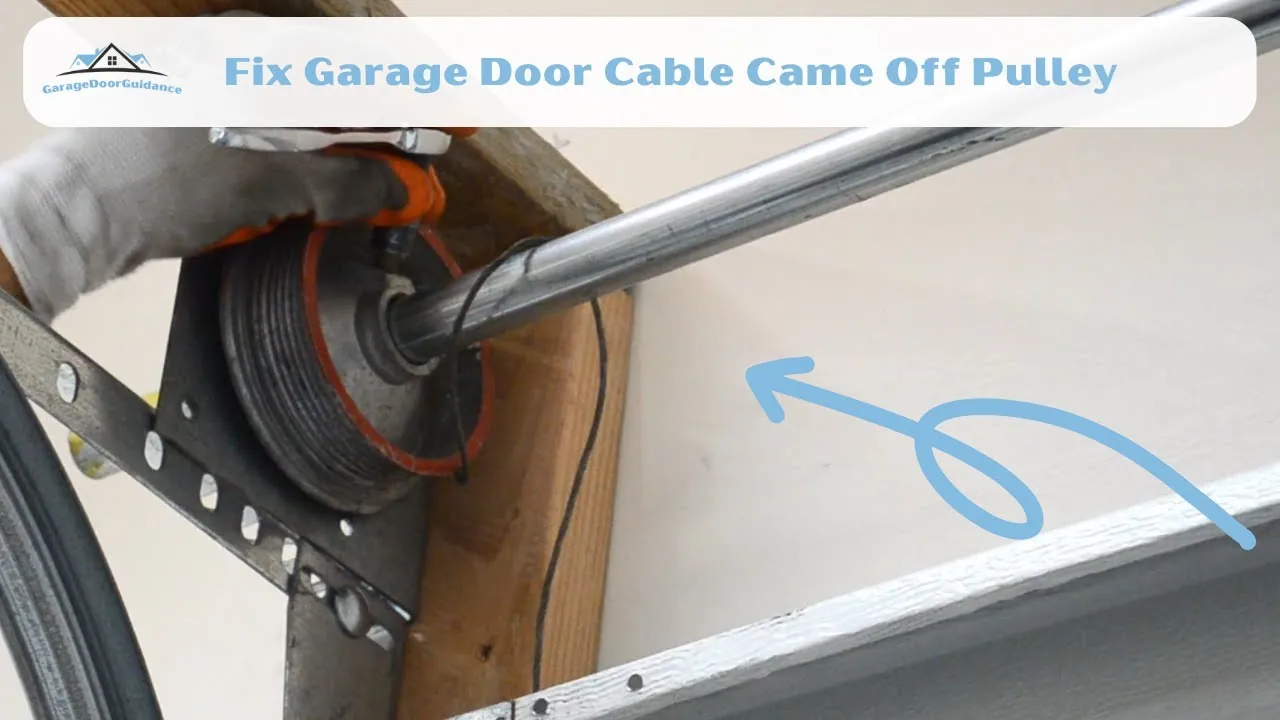
You should stop working on the door the moment you realize the torsion springs are involved. These springs are under hundreds of pounds of pressure and hold enough energy to cause fatal injuries if they snap or are released incorrectly. Professionals have specialized winding bars and the training to manage this energy safely.
If you see a gap in the spring coils, the spring is broken. Don’t attempt to operate the door, as this will burn out your opener motor or snap the cables. If the door is merely off-track but the springs are intact, you might be able to reset the rollers, but only if the cables remain under tension. If the cables are slack, the door is unstable and requires a professional.
When you call a technician, describe whether the cable is snapped or just unspooled, and mention if the door is currently stuck open or closed. They will typically look at the condition of the springs and the integrity of the door panels first.
Don’t try to hold the door up or manipulate the cables yourself, as the weight of a standard residential garage door can easily exceed 200 pounds. Attempting to force a heavy, misaligned door often results in crushed fingers or permanent damage to the vertical tracks.
Related guides
- Maytag Centennial Washer Stuck on Sensing: How to Fix It
- Toilet Seat Wont Stay Up Fix: Adjust Hinges and Bolts in 2026
Frequently asked questions
Can I reattach the cable myself?
You shouldn’t attempt to reattach the cable yourself because it requires releasing the high-tension springs, which poses a significant risk of severe injury. Professionals use specific tools to safely manage this pressure, while ordinary hand tools are insufficient and dangerous for this task.
Is it safe to leave the door open?
It isn’t safe to leave the door open if a cable is off, as the door lacks the necessary support and could collapse unexpectedly. You should block the door with a sturdy object or lock it in place to ensure it can’t fall on anyone or anything.
How much does a cable repair cost?
Cable repair is generally inexpensive compared to a full door replacement, depending on your location and the specific parts needed for your door model. This price usually includes the cost of new high-strength steel cables and the labor required for a technician to balance the system safely.
Why did my cable come off?
The cable usually comes off because of a loss of tension, often caused by a loose drum screw, a broken spring, or an obstruction in the track. If the cable is loose or off the drum, you must call a technician.
How long does a garage door cable last?
A garage door cable typically lasts for a significant period under normal use, though this varies based on the number of open-close cycles and the local humidity levels. You can check your door’s owner manual for the manufacturer’s expected lifespan for your specific hardware.
Does it matter if only one cable is off?
It matters significantly because an unbalanced door puts uneven stress on the opener and the remaining hardware, which can cause the entire door to twist or jam. You must have both cables checked for equal tension to ensure the door operates safely and remains level during movement.
What happens if I keep using the door?
If you continue to use the door, you risk damaging the opener motor, bending the door panels, or causing a total collapse of the system. This leads to much more expensive repairs than fixing the cable issue immediately.
Conclusion
The most important thing to remember is that the tension system is the heart of your garage door’s safety. If you notice any unusual noises, the door moving unevenly, or a cable hanging loose, stop all operations immediately to protect yourself and your property. Professional help is the only safe path forward for any issue involving the cables or the spring assembly.
