
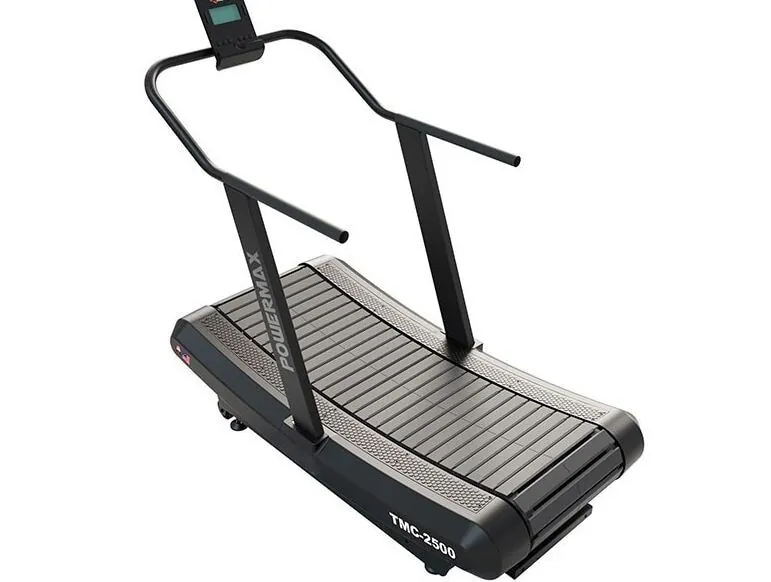
If you have a limited budget, you should buy gym equipment second hand because it often costs 50% to 70% less than new gear. This strategy works well for heavy iron plates, dumbbells, and simple steel racks that don’t have complex moving parts. However, you must inspect the items for structural rust or loose bolts before you pay. If the equipment is electronic, like a high-end treadmill, you should be very careful because older motors are expensive to fix and hard to replace.
Deciding between second hand equipment repairs or replacements
| If this is true | Repair | Replace |
|---|---|---|
| Item is over 10 years old | Never | Replace |
| Surface rust on steel | Sand and paint | Never |
| Cracked plastic casing | Never | Replace |
| Frayed cables on pulley | Never | Replace |
| Missing small hardware | Replace bolts | Never |
| Electronic display broken | Never | Replace |
Apply the fifty-percent rule to determine if a repair is worth your time. If the cost of parts and your labor—valued at your hourly wage—exceeds half the price of a new unit, choose replacement.
Many owners mistakenly attempt to patch cracked plastic housings with epoxy or tape. This rarely holds under tension and often masks structural fatigue that leads to sudden failure. If the integrity of the frame is compromised, discard the item immediately.
Distinguish between cosmetic wear and mechanical failure by testing the load. If a machine makes a rhythmic grinding noise under pressure, the internal bearings are likely shot. Replacing one bearing often reveals that the others are equally worn, turning a simple fix into a total overhaul. When in doubt, prioritize the safety of the user over the sunk cost of the machine.
When fixing gear is the better move
Choosing to fix your gear is a smart way to save money when the issue is purely cosmetic or involves simple hardware. Solid steel items like power racks, weight benches, and free weights are built to last for decades. If you find a quality rack with surface rust, you can easily restore it by sanding the area and applying a fresh coat of rust-resistant metal paint. This keeps the frame strong without needing a professional welder.
Simple mechanical parts are also worth saving. If a bench has a torn vinyl pad, you can buy new foam and fabric to reupholster it yourself for a fraction of the cost of a new bench. Hardware like bolts, nuts, and pins are standard sizes found at any local hardware store. If you’re missing a pin for your squat rack, simply measure the diameter of the hole to ensure a snug fit.
Weights are the best candidates for second-hand buys. Cast iron plates or rubber-coated dumbbells don’t wear out unless they’re dropped repeatedly on hard concrete. Even if the rubber is slightly scuffed, the weight remains accurate. Always weigh a plate on a digital scale if you suspect it isn’t marked correctly.
If a plate is within 5% of its stated weight, it’s generally acceptable for most home training. Checking the Consumer Product Safety Commission guides helps you identify if a specific model was ever recalled for safety issues, which is a vital step before you decide to bring any used metal into your home gym.
When buying new is the smarter choice
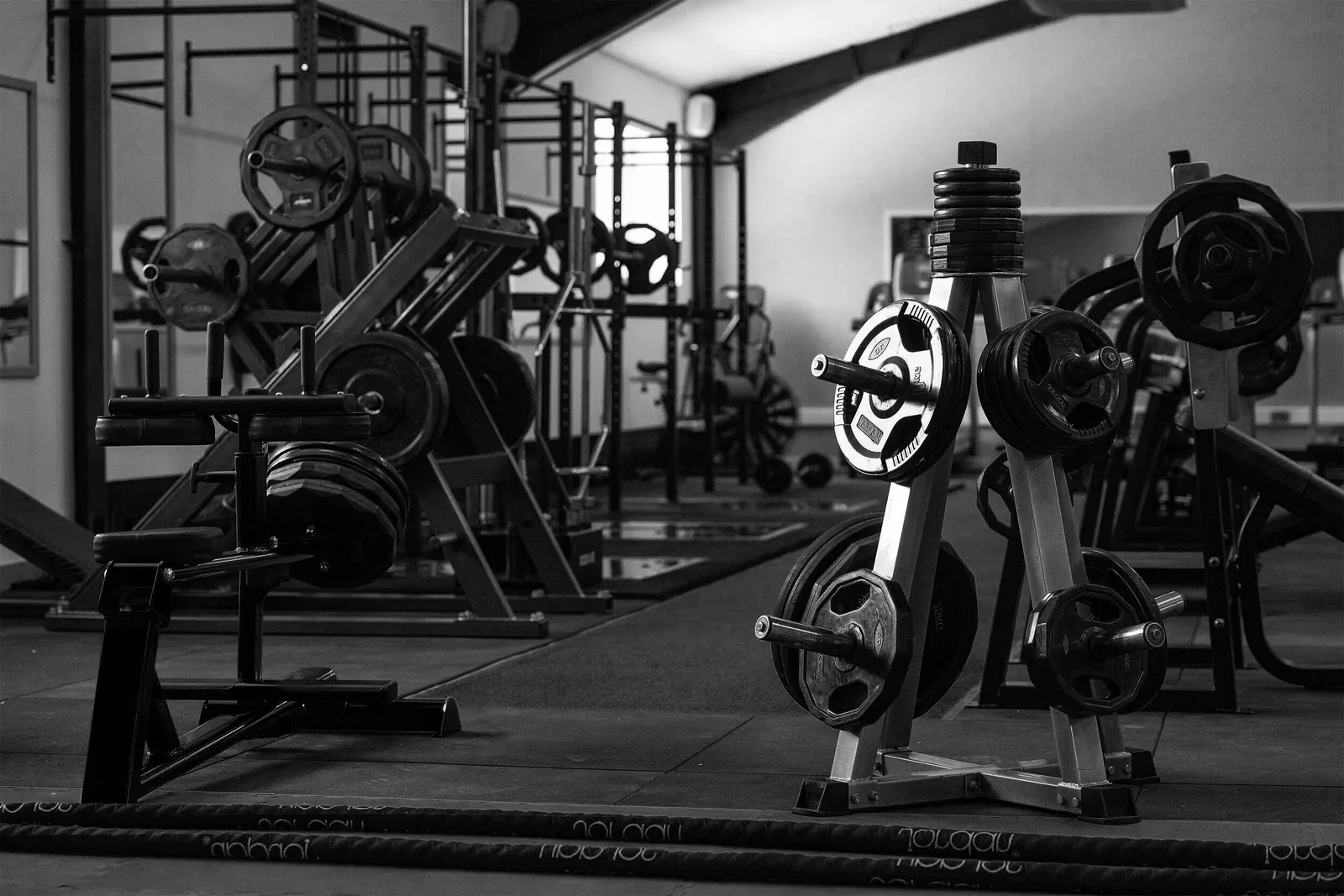
Sometimes, trying to save money on a used piece of equipment is a bad financial decision. If you’re looking at cardio machines like treadmills, ellipticals, or stationary bikes, avoid anything that shows signs of deep mechanical fatigue. These machines rely on complex circuit boards, sensors, and motors that have a limited lifespan. Once a motor burns out or a control board fails, the cost of parts and professional labor often exceeds the price of a mid-range new machine.
You should also walk away from any equipment that has structural damage. If you see cracks in the welds of a frame, a bent support beam, or deep corrosion that has eaten into the steel, the item is unsafe. A frame that has lost its integrity can fail under a heavy load, leading to serious injury. Never attempt to repair a cracked weld on a weight-bearing structure unless you’re a certified professional welder.
Another reason to buy new is the lack of warranty on used goods. Most manufacturers offer limited warranties only to the original buyer. If you purchase a used rower and the internal chain snaps after two weeks, you’re responsible for the full repair cost.
If the repair requires proprietary parts that the company no longer manufactures, you’ll be left with a useless piece of equipment. If a machine feels “sticky” or makes grinding noises during your test, it’s a sign that the bearings are worn out. Replacing internal bearings is a job for a technician and rarely worth the effort for home users.
The costs people forget
The price of a professional inspection if you’re unsure about the safety of a heavy machine. Expect to pay a modest fee for a qualified technician to verify the motor and structural integrity, which is far less than the cost of potential repairs. Skipping this check often leads to hidden repair bills that exceed the original purchase price.
The time you spend driving to pick up large, heavy items that don’t fit in your car. Factor in at least three hours for a round trip, including loading and securing the load. If you lack a trailer, you must also budget for a truck rental, which is inexpensive compared to the cost of professional delivery services.
The price of new hardware, like bolts or washers, needed to make the item stable again. Always replace rusted fasteners immediately; using degraded hardware risks total mechanical failure under load.
The potential loss of your money if the machine stops working shortly after you buy it. Assume the item has a zero-day warranty. If you can’t afford the full replacement cost, walk away.
Questions to ask before you buy
Before you hand over any money, ask the seller about the history of the equipment. Ask if the item was stored in a garage or a damp basement, because humidity causes hidden rust inside the joints of a frame. If the seller can’t tell you how old the equipment is, check the manufacturer’s label for a serial number and look it up online.
Ask if the equipment has been serviced recently and if the original manual is included. Having the manual is important because it shows you the correct assembly steps and maintenance schedule. Ask if you can test the machine under a load to ensure the parts move smoothly without clicking or grinding. If the seller refuses to let you test it, assume there’s a hidden fault.
Finally, ask if all the original parts are present. If the item is missing specific brackets or cables, you might not be able to find replacements, rendering the machine useless. If the repair requires specialized tools or electrical work, stop and find a professional to help. Working with high-tension cables or electrical components is dangerous if you lack the right training.
Features that prevent future failures
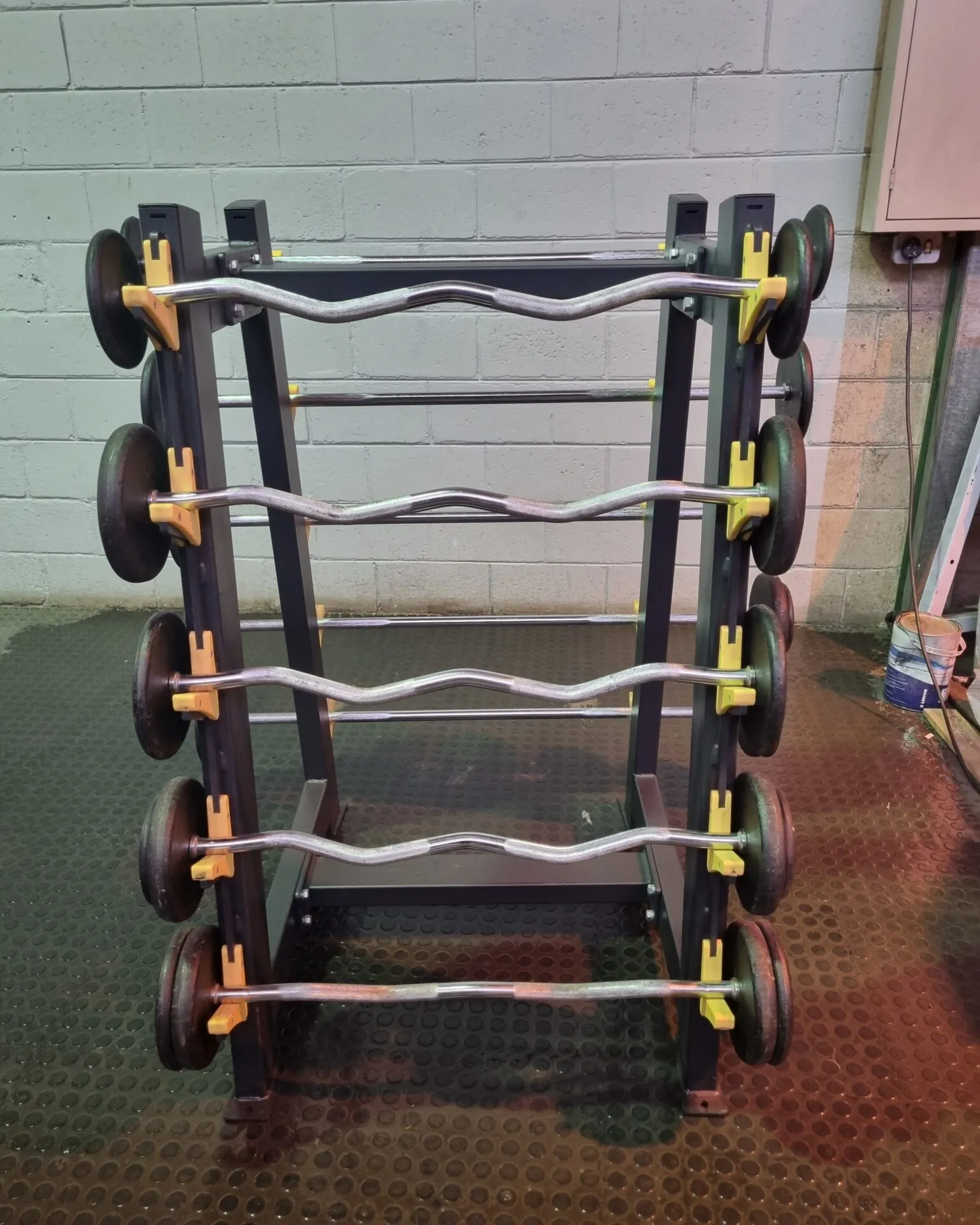
When you hunt for used gear, look for heavy-gauge steel frames rather than lightweight aluminum or plastic. The thickness of the steel, often measured in “gauge,” determines how much weight the frame can hold. A lower gauge number means thicker, stronger steel. Check the manufacturer’s website for the specifications of the original product to see the maximum weight capacity. This ensures the frame won’t bend under the weight you intend to lift.
Prioritize equipment with standard, replaceable parts. Simple machines that use pulleys, chains, or basic pins are easier to fix than those relying on complex digital interfaces. Look for brands that have been in business for many years, as they’re more likely to have replacement parts available. If you can’t find a part on the company’s official site, check if the item uses standard hardware store parts.
Check the condition of the contact points, such as rubber grips, pedal straps, or seat pads. These are the first things to wear out, but they’re also the easiest to replace. If the frame is in great shape but the grips are falling apart, you can easily swap them for new ones. This allows you to get a high-quality frame at a low price while still having a comfortable, clean setup for your daily workouts.
Related guides
- Ancillary Equipment Types and Examples: A Complete Guide
- What Is Auxiliary Equipment and How Does It Work Explained
- 6 Types of Testing Equipment Used in Electrical Engineering
Frequently asked questions
How much should I pay for used gym equipment?
You should pay no more than 50% of the current retail price for used equipment that’s in good condition. Always check the official manufacturer’s website to see the current price of a new version before you make an offer to ensure you’re getting a fair deal.
Is it safe to buy used weight plates?
It’s safe to buy used weight plates as long as they aren’t cracked or heavily corroded. Cast iron is extremely durable and rarely fails, but you should clean any surface rust with a wire brush before use. If you’re buying rubber-coated plates, check for large chunks of missing material that could affect the balance of the weight when you’re lifting.
How do I know if a used treadmill works?
You know a treadmill works by testing the motor at both low and high speeds for at least 10 minutes. Listen for any knocking sounds or the smell of burning plastic, which indicates a failing motor or belt. If the display flickers or the speed is inconsistent, the internal control board is likely failing and will be very expensive to repair.
How long does second-hand gym gear last?
Gym gear lasts for 10 to 20 years if it’s made of solid steel and kept in a dry environment. The lifespan depends entirely on the build quality of the specific model and how well the previous owner maintained it. You can check the expected lifespan for specific items by looking at the warranty period listed in the original owner’s manual provided by the manufacturer.
What is the best way to move heavy equipment?
The best way to move heavy equipment is to disassemble it into smaller, manageable sections before transport. Use a heavy-duty dolly to move the base frame and ask a friend to help you lift it into your vehicle. Always secure the pieces with moving straps to prevent them from sliding and causing damage to your car or the equipment during the drive.
Does the brand of the equipment matter?
The brand matters because well-known companies keep parts in production for many years, making it easier to find replacements. If you buy a generic or discontinued brand, you may find it impossible to source simple parts like replacement cables or pins. Research the company’s support page to see if they still list parts for the specific model you’re looking to buy.
Conclusion
Start by checking local online marketplaces to see what is available in your neighborhood today. You’ll likely find a great deal waiting just a short drive away. Once you pick up your first piece of gear, you’re ready to build a home workout space that doesn’t break the bank.
