
Replacement parts for your home system include torsion springs, cable drums, rollers, and wall-mounted control panels. You can easily find wayne dalton garage door opener parts by checking the model number printed on the motor housing or the sticker on the back of the door panel. While these components keep the door moving smoothly, the single factor that separates them is the specific series or drive type of your unit, such as chain drive, belt drive, or the unique TorqueMaster system.
Garage door repair components at a glance
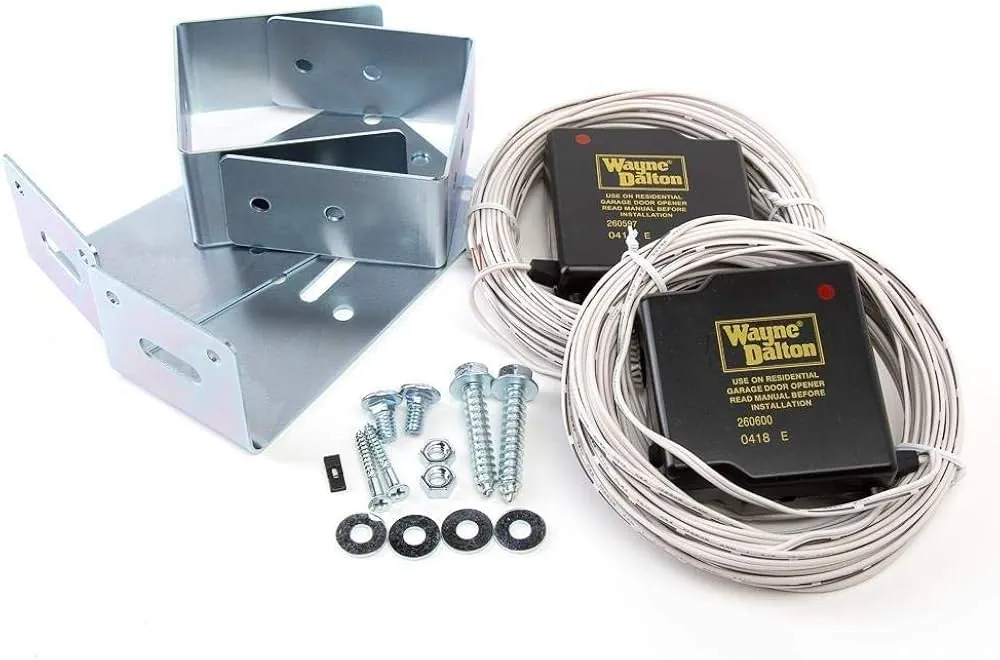
Identifying the correct component ensures your repair is safe and compatible with your existing hardware. Use the table below to match common parts to their primary function and examples of where you might see them in your system.
| Part name | Best for | Common example |
|---|---|---|
| Torsion springs | Counterbalance weight | TorqueMaster spring cartridge |
| Cable drums | Lifting force | 4-inch cable drum |
| Nylon rollers | Silent operation | 2-inch ball bearing roller |
| Wall station | System control | Wireless wall-mounted keypad |
| Safety sensors | Obstruction detection | Photo-eye beam set |
Always measure the wire diameter, inside diameter, and length of your torsion springs before purchasing a replacement.
If your door feels heavy when lifted manually, the spring tension is likely lost. If the door moves smoothly but the opener hums without engagement, the issue usually lies with the drive gear or the wall station wiring.
Never mix hardware brands. Using a drum designed for a different shaft diameter will cause the cables to fray within weeks. If you see visible rust on the cable strands, replace the entire set immediately to prevent a sudden snap.
TorqueMaster spring system
The TorqueMaster system is a specialized internal spring mechanism that houses the torsion spring inside the header tube rather than mounting it on the wall. It suits homeowners who prefer a cleaner look and added safety, as the spring is fully enclosed to prevent accidental contact.
- Provides a safer environment by containing the spring tension within a steel tube.
- Allows for precise tension adjustments using the manufacturer-specified winding tool.
- Reduces the risk of injury during manual operation because the spring isn’t exposed.
If your spring breaks, you must replace the entire cartridge to ensure the door remains balanced. You can identify your system type by looking for a small gear-like end bearing on the side of the door header. A homeowner should only attempt these repairs if they have the proper winding tools and experience with high-tension springs; otherwise, contact a professional technician.
Garage door rollers
Rollers are the small wheels that guide the door panels along the vertical and horizontal metal tracks. They suit any system that has become noisy or jerky during the opening and closing cycles.
- Reduces friction between the door edge and the metal track system.
- Ensures the door moves vertically without binding or tilting to one side.
- Extends the lifespan of the motor by lowering the force required to move the door.
Most residential doors use 2-inch diameter rollers. If your door rattles loudly, replace the standard plastic rollers with steel, ball-bearing versions to achieve a smoother glide.
Ensure you measure the stem length of your current rollers before buying new ones, as stems can vary from 4 inches to 7 inches depending on the door thickness and hinge placement. Avoid using grease on the track itself, as this attracts dirt and creates a gritty buildup that damages the roller wheels over time.
Safety sensors and photo-eyes
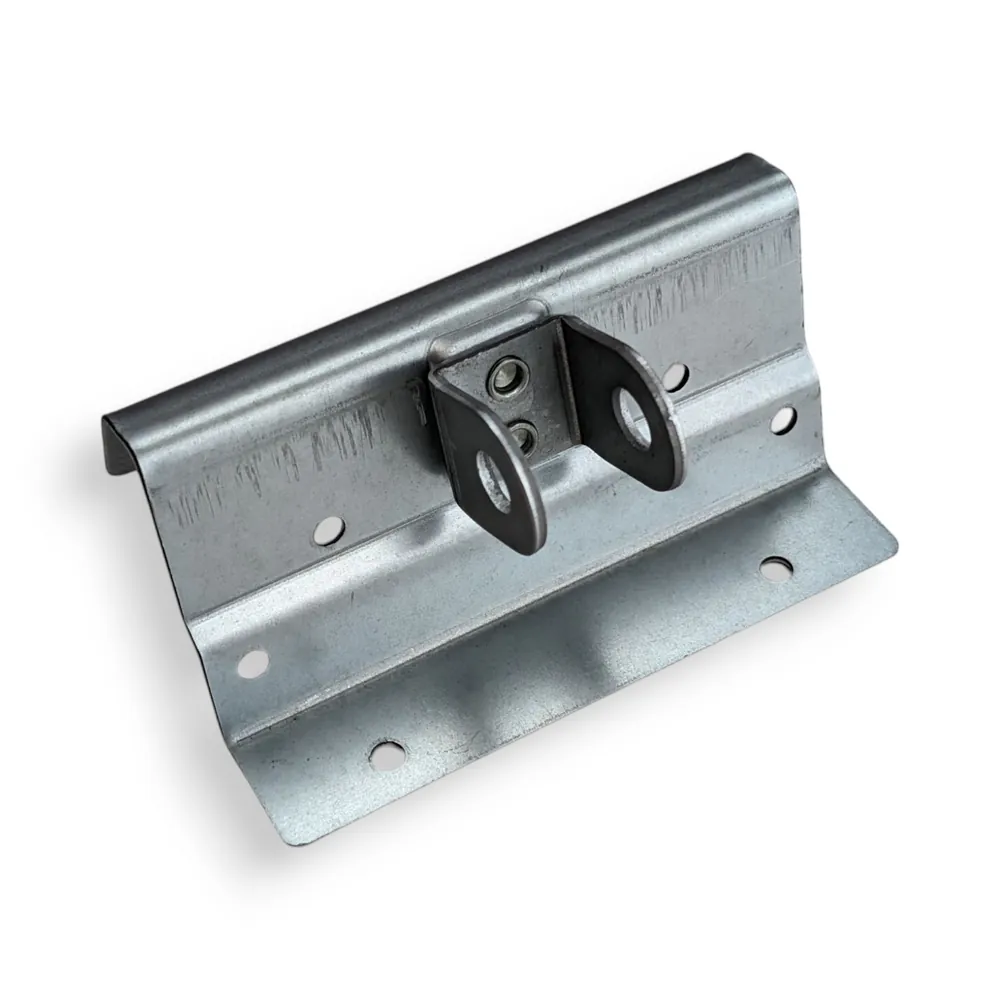
Safety sensors are infrared beams that prevent the garage door from closing if an object or person is in the path. They suit every modern residential installation and are a mandatory safety feature for all automatic doors.
- Stops the door instantly if the infrared beam is interrupted by an object.
- Reverses the motor direction to prevent damage to your vehicle or property.
- Provides a visual indicator, usually a LED light, to confirm the beam is aligned.
If your door refuses to close and the wall button flashes, the alignment between the two sensors is likely the issue. Check that both lenses are clean and facing each other directly across the opening.
If one sensor has a solid green light and the other is dark, they aren’t communicating. This is a simple fix that involves loosening the mounting bracket and pivoting the sensor until the signal is restored. If the wiring is frayed, you’ll need to splice in new 22-gauge bell wire to restore the connection.
Wall-mounted control panels
Wall stations allow you to operate the door, toggle the light, and lock the system from inside the garage. They suit users who want a central point of control that’s more reliable than a handheld remote.
- Activates the door motor with a simple push-button interface.
- Includes a vacation mode that disables all remotes for added security.
- Controls the garage light independently of the door movement cycle.
These panels connect to the motor head via two low-voltage wires. If the panel is unresponsive, check the connections at the back of the motor unit to ensure they haven’t vibrated loose. If you replace the unit, ensure the new control panel is compatible with your specific motor frequency, as some newer digital models won’t recognize older analog signals. Always disconnect the power to the motor before touching the wiring terminals to avoid a short circuit.
Additional essential maintenance parts
-
Cable assemblies: These heavy-duty steel cables carry the full weight of the door. Inspect them for fraying or rust regularly, as the frequency depends on your specific usage; always consult your owner’s manual for the authoritative maintenance schedule. A snapped cable forces the door to hang unevenly, which often bends the track or strips the motor gears. If you see even a single broken strand, replace the entire set immediately.
-
Hinges and fasteners: These metal plates connect the door panels. If the bolt holes become oval-shaped or the metal shows signs of bending, replace them to prevent the panels from sagging. Sagging panels create friction against the frame, which forces your opener to work harder and shortens its lifespan.
-
Limit switches: These determine where the door stops. If your door hits the floor too hard or stops inches short, calibrate the switches using the manufacturer’s manual. Most systems use a simple screw adjustment. If the door reverses before hitting the floor, check the optical sensors for debris first; if the path is clear, the limit switch is likely failing.
Choosing the right Wayne Dalton garage door opener parts
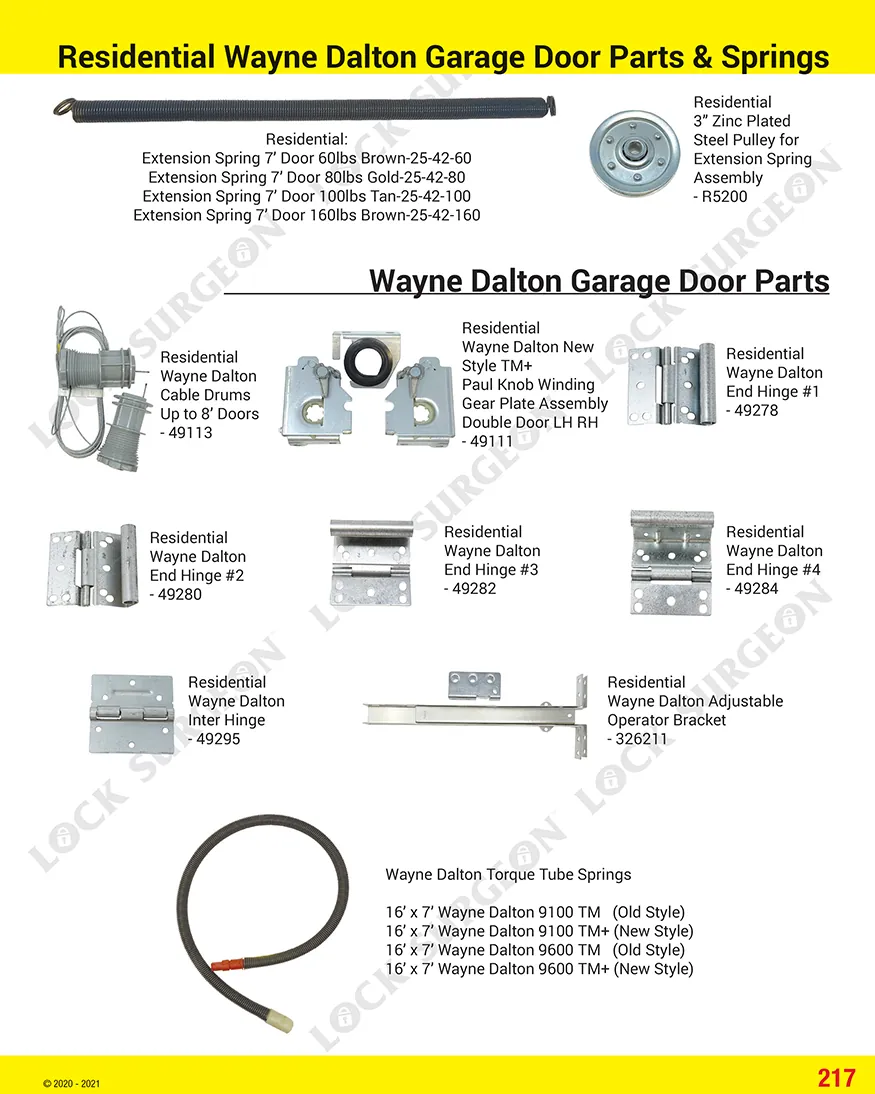
Deciding which item to purchase depends on the specific symptom your door is showing. If the door makes a loud screeching noise, replace the rollers; if it refuses to move even when the motor hums, the issue is likely a broken spring or a jammed cable drum. If the door moves a few inches and then reverses, the problem is almost always an obstruction or an alignment issue with the safety sensors.
Most of these parts aren’t universal. You should always cross-reference the part number found on the old component with the manufacturer’s catalog before buying a replacement. You can typically combine roller and hinge replacements as part of a general tune-up, but internal spring systems are standalone components that should never be mixed with other brands or aftermarket parts that don’t list your specific model number as compatible.
When choosing springs, measure the wire gauge, inside diameter, and overall length of the existing coil. If you see a color code painted on the spring end, match that exactly to ensure the tension rating remains calibrated to your door’s weight.
Avoid the mistake of buying “heavy-duty” universal springs based on marketing claims. Using a spring rated for a heavier door than yours will cause the opener to struggle, potentially stripping the drive gears within weeks. If your door has two springs, replace both simultaneously to maintain balanced tension. Replacing only one creates a torque imbalance that twists the door frame and ruins the track alignment.
Related guides
- Chamberlain Garage Door Opener Troubleshooting: Easy Fixes
- LiftMaster vs Chamberlain: Which Garage Door Opener Is Best
- LiftMaster vs Overhead Door Garage Door Openers: The Verdict
Frequently asked questions
How long do garage door springs last?
Most torsion springs are rated for a specific number of cycles, with one cycle being a full open and close. Your springs will eventually reach their fatigue limit based on your daily usage, so you can check your specific activity by keeping a log of door usage.
Is it safe to replace garage door cables myself?
It isn’t safe for a beginner to replace cables because they’re under high tension and connected to the spring system. If the cable snaps or slips while you’re working on it, the door can drop suddenly and cause serious injury. If you lack specialized winding bars and professional experience, you should hire a certified technician to perform this repair.
Why does my garage door opener flash 10 times?
A 10-flash sequence usually indicates an issue with the safety sensor alignment or a wiring break in the sensor circuit. Check that the LED lights on both sensors are glowing steadily and that no debris is blocking the beam. If the lights are blinking, you must adjust the mounting bracket until the alignment is precise and the signal is constant.
How do I know which roller size I need?
You need a 2-inch diameter roller for the standard residential track found in most homes. Measure the length of the stem attached to your current roller before ordering, as these vary from 4 to 7 inches depending on your specific door brand and hinge configuration. Always remove one old roller to use as a physical reference when shopping for the correct replacement size.
Can I use universal parts for my garage door?
You can use universal parts for rollers, hinges, and fasteners, but you must avoid universal parts for springs and electronic control boards. Internal mechanisms like the TorqueMaster system require specific, branded components to function correctly and safely. Using an incorrect spring size will cause the motor to burn out prematurely because it will be working against the wrong counterweight balance.
What happens if I ignore a noisy garage door?
A noisy garage door usually indicates excessive friction from worn rollers or insufficient lubrication, which can lead to premature motor failure and bent tracks. Addressing these sounds early prevents the motor from straining against increased resistance, saving you from costly repairs caused by stripped internal gears.
Conclusion
Keeping your system in top shape doesn’t have to be a headache. If you aren’t sure which component you need, don’t hesitate to reach out to a local professional for a quick inspection. They’ll help you find the right fit so you won’t have to worry about your door getting stuck again.
