
To open a garage door manually when the power is out or the remote fails, you pull the emergency release cord to disconnect the trolley from the drive rail. For most models, opening a LiftMaster garage door opener safely is a matter of pulling the red cord downward and then sliding the door upward by hand. This manual operation is essential during power outages, and it ensures you aren’t trapped inside your garage when the electronic system stops responding.
Necessary tools for manual release
You don’t need complex tools to disconnect your opener, but you must have a clear path to the equipment. Ensure the area under the door is free of debris before you begin.
A sturdy, stable step ladder is essential. You must be able to reach the emergency release handle without standing on the top cap or overextending your reach. If your feet aren’t flat on a rung, move the ladder closer to the center of the door.
Wear thick leather work gloves to protect your hands from sharp metal edges on the tracks. These edges are often burred or coated in old, hardened grease that can slice skin.
Carry a high-lumen flashlight if the power is out. You need to see exactly where the release cord connects to the carriage. Fumbling in the dark increases the risk of pinching your fingers in the drive chain.
Safety glasses are mandatory. Garage ceilings are magnets for loose insulation, spider webs, and metal shavings that drop the moment you disturb the door mechanism.
If the door feels heavy, stop immediately. A properly balanced door should lift with less than ten pounds of force. If you need both hands to budge it, the torsion springs have lost their tension or snapped.
Don’t attempt to adjust or replace springs yourself. These components are under extreme pressure and can cause catastrophic injury if they release unexpectedly. If the door doesn’t glide smoothly, call a professional technician.
Use a helper to hold the door steady if you suspect the spring is failing. They should stand to the side, not directly under the panel, to prevent injury if the door drops suddenly.
If you’re working alone, use a C-clamp on the track just above the top roller once the door is open. This prevents the door from sliding back down while you’re distracted by the release mechanism.
Steps to open your LiftMaster garage door
- Close the garage door completely using the wall button or remote if the power is on. If the power is out, ensure the door is fully shut against the floor before you start.
- Locate the red emergency release handle hanging from the trolley, which is the carriage that moves along the center rail.
- Pull the handle down firmly until you hear or feel a click, which indicates the trolley has disconnected from the drive chain or belt.
- Step away from the ladder and move to the center of the garage door.
- Lift the door slowly by the handle on the door itself, not the frame, until it reaches the fully open position.
- Ensure the door stays in the open position before walking underneath it to enter or exit.
Careful: Never pull the red handle while the door is moving, as this can cause the door to drop suddenly. Tip: If the door is stuck, don’t force it; check the tracks for obstructions or bent metal that might be preventing the door from moving freely.
Adjusting for door conditions
The effort required to open a door varies based on the door’s weight and the condition of the springs. Always start with a small amount of force to gauge the resistance.
| Door Condition | Effort Required | What to Watch For |
|---|---|---|
| Well-balanced | Light | Smooth, consistent travel |
| Out of balance | Moderate to heavy | Door drops or drifts |
| Broken spring | Very heavy | Don’t attempt to lift |
| Debris in track | High | Grinding or sticking |
Starting with a gentle lift is safer than using maximum force. If you feel extreme resistance, stop immediately, as forcing the door can cause it to slip off the tracks.
Test the balance by disconnecting the opener and lifting the door manually to waist height. If the door stays in place, the springs are balanced. If it slams shut or flies upward, the spring tension is incorrect. A door that requires more than 10 pounds of upward force to move is likely suffering from fatigued springs.
Never ignore a grinding sound. This usually indicates that the rollers are worn or the track is obstructed by hardened grease and grit. If you see metal shavings on the floor, the rollers have likely seized. Replace them immediately to prevent the door from binding.
If you have a double-car door, perform this test on both sides. If one side feels significantly heavier, the cable tension is uneven. Adjusting this requires professional tools, as the tensioned cables can cause severe injury if they snap during an amateur repair attempt.
How to confirm the door is secure
A good result is a door that stays in place when you stop lifting it. If the door slides down on its own, it isn’t properly balanced.
If the door falls, the springs are weak or broken. You can prevent this by keeping the tracks clean and free of heavy grease, which attracts dirt. Always ensure the door is fully closed and locked before you leave the garage unattended, especially when the emergency release is engaged, as the door is no longer held down by the opener.
Test the balance by lifting the door to the three-foot mark. If it drifts more than six inches in either direction, the tension is off. A door that stays put at three feet but slams shut from the top indicates a spring that’s losing its temper.
Many homeowners make the mistake of tightening the opener force settings to mask a failing spring. This forces the motor to fight the weight of the door, which will burn out your opener’s gears within months. If the door feels heavy to lift by hand, don’t adjust the opener. Call a professional to reset the spring tension instead.
Rules for maintenance and safety
The primary rule is to never use the emergency release cord to pull the door open or closed. The handle is only for disconnecting the mechanism from the rail. Using it to move the door manually puts excessive strain on the trolley and can snap the release cable, leaving you locked out.
After you finish using the manual mode, you must re-engage the trolley by pulling the release cord toward the door or pushing the auto-connect lever, depending on your model. You’ll hear a distinct click when it reconnects. If the door doesn’t move with the motor after this, the trolley is still disengaged. Check the carriage position; it must be locked into the drive chain or belt to function.
If you’re unsure about the mechanical state of your door, consult the manual provided by the manufacturer. Never attempt to adjust the tension on the springs yourself. These parts are under extreme tension and require specialized tools. A single slip while adjusting a spring can cause it to snap, releasing enough force to cause severe injury or property damage.
If you hear loud popping noises or see frayed cables, contact a certified technician immediately. These signs indicate imminent failure. Waiting even one more cycle can lead to a total collapse of the door system.
Alternative ways to operate the door
Using a battery backup
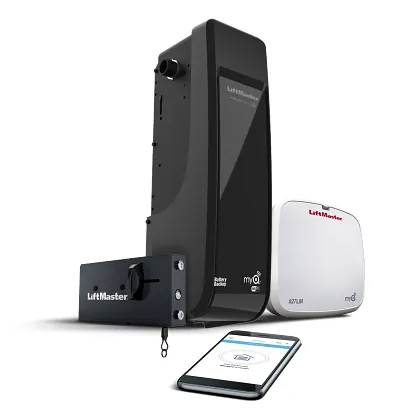
Some modern openers feature an integrated battery backup. When the electricity fails, the opener automatically switches to this power source. This allows you to use your remote or wall button normally without needing to pull the manual release cord at all.
Keypad entry
If you’re locked out of the garage, an external keypad allows you to enter your personal code. If the power is out, a keypad will only work if the opener has a battery backup or is connected to a generator.
Professional manual override
If the release mechanism is jammed or broken, don’t force it. A professional garage door technician can safely bypass the stuck trolley and repair the release system without damaging the drive rail or the door itself.
Frequently asked questions
Can I open my garage door if the power goes out?
Yes, you can open the door manually by pulling the red emergency release cord. This disconnects the door from the electric motor, allowing you to lift it by hand. Always ensure the door is fully closed before you pull the cord.
How long does it take to reset the door?
It takes about 30 seconds to re-engage the trolley. Once the power returns, manually slide the door until the trolley reconnects with the carriage, or operate the opener until the carriage engages the trolley.
Is it safe to leave the door in manual mode?
No, leaving the door in manual mode isn’t safe for home security. When the trolley is disconnected, the door isn’t locked to the rail, making it easy for anyone to lift the door from the outside.
What happens if the door hits the floor too hard?
If the door hits the floor with force, the down-limit setting is likely incorrect. You should adjust the limit settings according to the owner’s manual for your specific model to prevent damage to the door panels and the floor.
How do I know if my springs are broken?
You’ll know the springs are broken if the door feels extremely heavy or won’t stay open on its own. If you suspect a broken spring, don’t attempt to lift the door, as the weight can be dangerous.
Conclusion
Operating the door by hand is a simple process, but it requires caution and awareness of your door’s balance. Always prioritize your safety by keeping your fingers away from moving parts and ensuring your ladder is secure before reaching for the release cord. If the door feels unusually heavy or if you hear grinding noises during operation, consult a professional to ensure your system remains safe and reliable for daily use.
