
A silicon fiber is a high-performance ceramic material made by heating chemical precursors, like polycarbosilanes, to extremely high temperatures in a controlled environment. You create this material through a process called polymer pyrolysis, which turns liquid or solid plastic-like strands into solid ceramic fibers. These fibers withstand temperatures exceeding 1,000°C while maintaining their strength and shape. They’re essential for aerospace parts and engine components that must endure intense heat without melting.
The quality of these fibers depends on the purity of the starting material and the precision of the heat treatment. If the temperature fluctuates during production, the internal structure of the fiber becomes brittle and fails under stress. A common mistake people make is trying to produce these fibers using standard industrial heating equipment without vacuum or inert gas protection. This leads to oxidation, which ruins the chemical composition and destroys the material’s ability to resist heat.
How silicon fiber is made
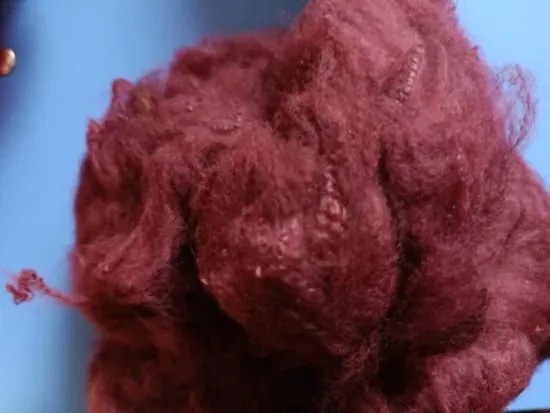
The creation of these fibers requires a specialized environment to ensure they remain stable. You must follow these steps to turn chemical precursors into a finished ceramic product.
- Melt or dissolve the raw polymer precursor to create a viscous liquid that can be pushed through a spinneret.
- Extrude the liquid through tiny holes to form long, thin filaments that are collected on a large spool.
- Cure the green fibers in an oven at 200°C to 400°C to cross-link the molecular chains so they don’t melt during the next stage.
- Heat the cured fibers in an inert atmosphere, such as argon or nitrogen, at temperatures between 1,000°C and 1,400°C to remove non-silicon elements.
- Cool the finished fibers slowly to prevent internal cracking caused by thermal shock.
If you’re working with oxide ceramics like alumina instead of silicon carbide, skip the inert gas entirely. Oxide fibers need air during pyrolysis to burn off the organic binder completely. Using argon here traps carbon inside the filament and ruins its strength.
Spinneret hole diameter sets your final fiber size directly. A fifty-micron hole typically yields a ten-micron fiber after firing shrinks it down. Smaller holes clog faster when the precursor contains undissolved particles.
Tip: Always verify the chemical purity of your precursor before extrusion, as even 1% of impurities can lower the final heat resistance.
Tip: Ensure your furnace maintains a consistent oxygen-free atmosphere, as National Institute of Standards and Technology guidelines for ceramic processing highlight that oxygen exposure at high temperatures causes immediate degradation of silicon-based materials.
Production Time Factors
The time needed to create these fibers varies based on the chemical formulation and the desired diameter of the final strand.
A precursor formulated for a 10-micrometer strand will finish curing hours before one meant for a 25-micrometer strand.
Thicker cores hold heat longer, which forces you to extend the thermal cycle to avoid an uncured center.
| Stage | Time Required | What changes it | What to watch for |
|---|---|---|---|
| Precursor melting | 1–3 hours | Viscosity levels | Bubbles in the melt |
| Fiber spinning | 2–5 hours | Spool speed | Filament breakage |
| Thermal curing | 12–24 hours | Fiber thickness | Surface sticking |
| High-heat pyrolysis | 24–48 hours | Final density | Color changes |
Bubbles during melting usually mean residual moisture is boiling off inside the polymer mass.
Dry your precursor resin under vacuum at 80°C for at least four hours before loading the extruder.
Filament breakage during spinning almost always traces back to tension rather than temperature.
Match the take-up spool speed to the extrusion rate so the fiber draws down without snapping.
Surface sticking during curing happens when strands touch before the outer skin cross-links fully.
Space them at least two millimeters apart on the rack.
If the process takes significantly longer than these ranges, check your furnace’s heating rate; increasing the temperature too quickly will cause the fibers to break or lose their uniform shape.
Assessing Fiber Quality
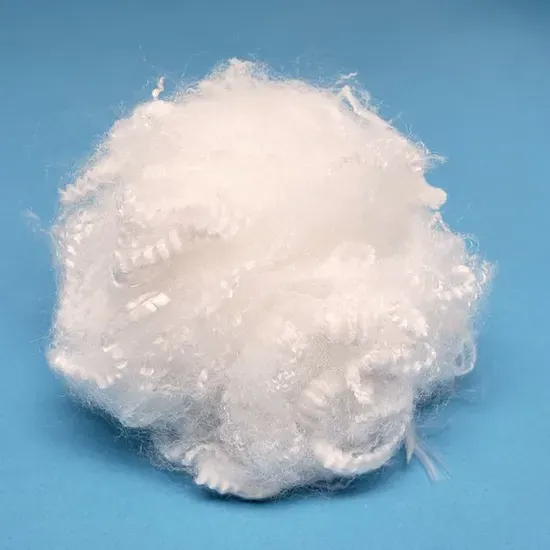
You can tell if the fiber is finished by checking its color and flexibility. A properly produced silicon fiber is typically dark gray or black and feels stiff but holds a slight bend without snapping. If the fiber is brown or white, the pyrolysis stage was incomplete, meaning the organic binders weren’t fully removed.
If you see a metallic sheen, the temperature likely exceeded the threshold, causing surface oxidation that makes the material brittle. You can verify this by running a fingernail along the length; if it flakes or sheds dust, the fiber will fail under minimal stress.
The final test is a tensile strength measurement. Use a universal testing machine to pull a single strand until it breaks. If the fiber snaps at a load lower than the manufacturer’s specification for that specific grade, the internal crystalline structure is flawed. Expect a variance of no more than five percent between samples from the same batch. If your results show a wider spread, your furnace is likely experiencing uneven heat distribution.
Always wear nitrile gloves and a respirator when handling these fine, sharp fibers. They cause microscopic skin punctures and lung irritation that often go unnoticed until inflammation begins.
Errors That Damage Fibers
Incomplete curing occurs when you rush the transition to the final heat stage. If the polymer fails to cross-link fully, the fibers will melt and fuse into clumps inside the furnace. To prevent this, limit your temperature ramp rate to no more than two degrees Celsius per minute. This slow progression ensures heat penetrates every strand evenly before the internal structure sets.
Atmospheric leaks are equally destructive. Even trace amounts of oxygen entering the furnace during the high-heat stage force the silicon to oxidize into silica. You can identify this error by the sudden appearance of white, chalky residue on the fiber surface. Once oxidized, the material becomes brittle and loses its capacity to withstand thermal stress. If your furnace pressure drops below the baseline, stop the cycle immediately to prevent total batch failure.
Rapid cooling creates internal tension that manifests as micro-cracks throughout the fiber length. These fractures are often invisible to the naked eye but cause the material to snap under minimal load. You must allow the cooling cycle to run for the full duration specified by your control software. Never bypass the final soak phase, even if you’re behind schedule.
Related guides
- What Is Ninja NeverStick Coating Made Of: The Material Breakdown
- What Is Processed Water and How Is It Made: A Simple Guide
Frequently asked questions
How strong are silicon fibers compared to steel?
These fibers are significantly stronger than steel by weight, often maintaining a tensile strength of over 2,000 megapascals. While steel loses its structural integrity around 500°C, these ceramic fibers retain their mechanical properties at temperatures well above 1,000°C. The exact strength depends on the fiber diameter and the specific manufacturing process used to create the crystalline structure.
Is it safe to handle silicon fibers?
It isn’t safe to handle these fibers without protective gear because they’re extremely thin and can easily penetrate the skin or be inhaled. You must wear gloves, safety glasses, and a respirator when working with raw fibers to prevent irritation. Small broken pieces act like microscopic glass splinters, which are difficult to remove once they enter the skin.
Can I make these fibers at home?
No, you can’t safely make these fibers at home because the process requires specialized high-temperature furnaces capable of maintaining an inert gas environment. These machines require high-voltage power and specific safety venting for chemical vapors that aren’t available in residential settings. Attempting this process without professional equipment and proper ventilation poses a severe risk of fire and toxic gas exposure.
What happens if the fiber gets wet?
Silicon fibers are generally resistant to water, but moisture can weaken the surface if the fibers haven’t been properly coated. In high-heat applications, any trapped water can turn into steam and cause the fiber to shatter instantly. You must ensure all fibers are completely dry and stored in a low-humidity environment before exposing them to extreme heat.
How long do these fibers last?
These fibers can last for thousands of hours in high-heat environments provided they aren’t exposed to corrosive chemicals or mechanical impact. Their lifespan depends on the specific chemical composition and the peak temperature of the environment they’re used in. If you’re using them for aerospace or engine parts, you should follow the replacement schedule set by the component manufacturer.
Conclusion
As manufacturing methods improve, these ceramic strands won’t just stay in jet engines. They’ll likely show up in everyday electronics and renewable energy systems too. If you’re curious about advanced materials, it’s worth exploring how local research labs are testing them right now.
