
The main advantages and disadvantages of metal depend on its high strength and durability, though it remains susceptible to corrosion and heavy weight. Engineers often choose metal when structural integrity is the primary requirement, but they switch to polymers or composites if weight reduction or chemical resistance is more critical for the specific application.
Comparing common engineering materials
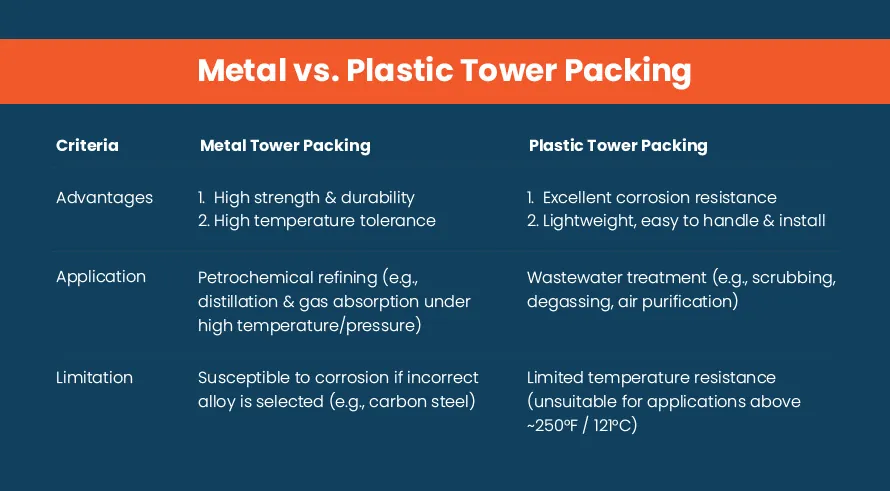
Selecting the right material requires balancing mechanical properties against environmental factors. While metals are superior in load-bearing scenarios, other materials often outperform them in specific conditions like high-acidity environments or where electrical insulation is necessary.
| Material | Strength | Weight | Corrosion | Best for |
|---|---|---|---|---|
| Steel | High | High | Moderate | Structures |
| Aluminum | Moderate | Low | Low | Transport |
| Titanium | Very High | Medium | Very Low | Aerospace |
| Polymers | Low | Very Low | None | Insulation |
The cost of these materials varies significantly based on market demand and processing needs. If you need maximum durability at a low cost, steel is usually the standard choice; if you require a high strength-to-weight ratio for aerospace parts, titanium is the preferred, albeit expensive, option.
Using steel for structural projects
Steel is the most widely used metal for construction because of its predictable mechanical behavior and high tensile strength. To work with steel effectively, you must follow specific fabrication techniques to maintain its structural integrity throughout the life of the project.
Cut the steel to the required dimensions using an abrasive saw or plasma cutter.
Prepare the edges by grinding away burrs and cleaning surface oxidation with a wire brush. Skipping this step leaves microscopic fissures where rust begins, which can compromise the entire frame within five years.
Join components using structural welding or high-strength bolts. If your project faces high-vibration loads, consult a structural engineer to determine the appropriate connection method, such as slip-critical bolting or certified structural welding. Always follow the American Institute of Steel Construction guidelines for connection design.
Apply a protective coating like galvanization or epoxy paint to prevent rust in outdoor environments. If the steel will be submerged or near saltwater, use a multi-layer zinc-rich primer. Steel is excellent for heavy-duty frameworks, but its primary weakness is oxidation. Regular maintenance ensures long-term stability in moist conditions.
Working with aluminum for lightweight designs
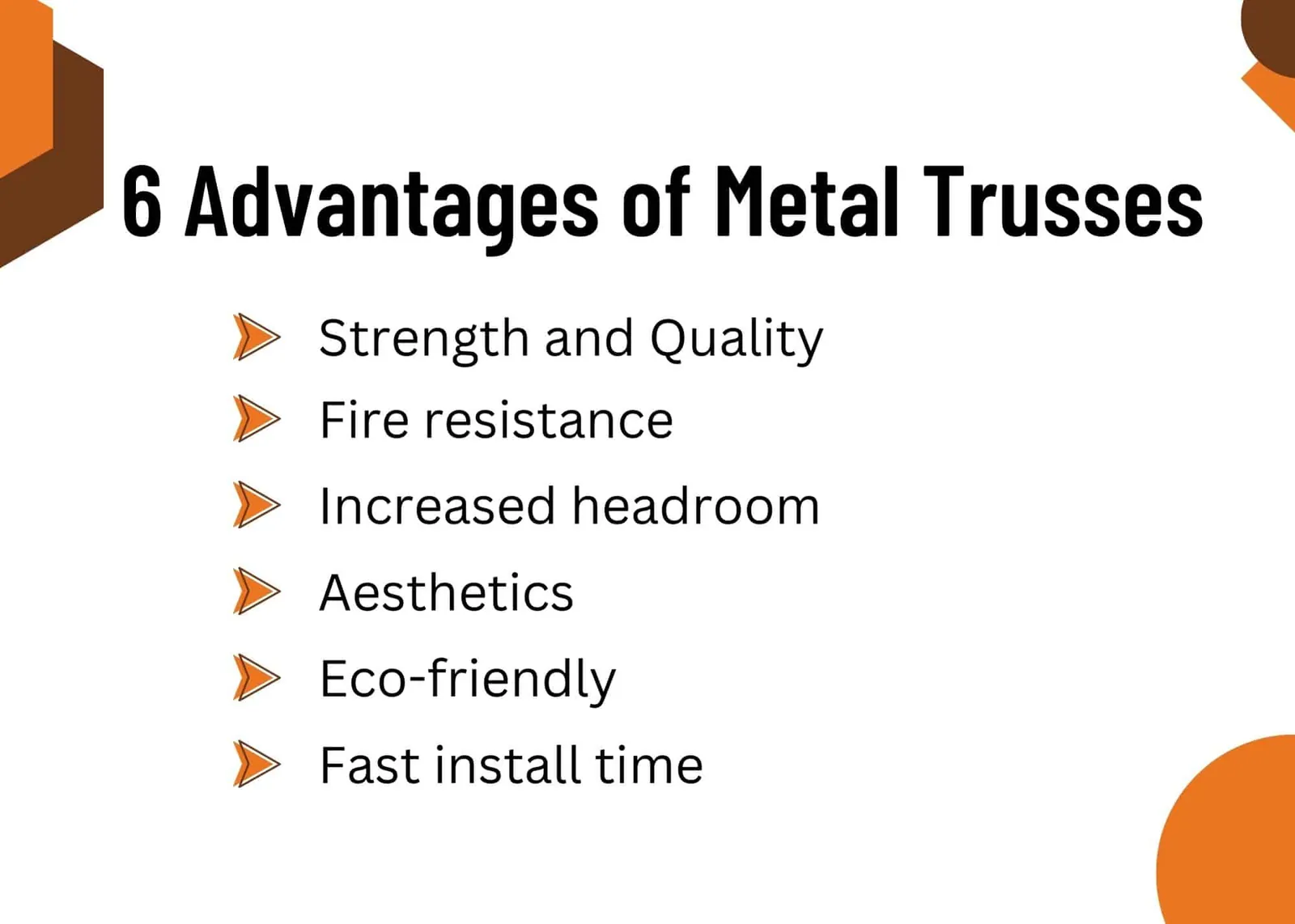
Aluminum provides a significant weight advantage over steel, making it ideal for applications where mass must be minimized. Because it’s softer than steel, you must adjust your machining speeds and feeds to prevent the material from melting or clogging your tools.
- Select the correct alloy, such as 6061 for general use or 7075 for high-stress applications.
- Use sharp, polished cutting tools with high-speed spindles to achieve a clean surface finish.
- Apply a specialized lubricant to reduce friction and heat buildup during drilling or milling.
- Use TIG or MIG welding processes specifically calibrated for aluminum to ensure proper penetration.
This metal is perfect for automotive panels, aerospace components, and consumer electronics. A notable limitation is its lower fatigue resistance compared to steel, meaning it may crack if subjected to repeated cycles of high stress over a long period.
If your part will see millions of load cycles, design for steel instead. Aluminum doesn’t exhibit a distinct fatigue limit like steel, so components must be designed for a specific fatigue life based on expected stress cycles.
Keep the wall thickness above one millimeter in structural sections. Anything thinner tends to warp under the heat of standard TIG welding.
Never use carbide tools designed for steel on aluminum. The wrong rake angle causes built-up edge that tears the surface rather than shearing it cleanly.
Incorporating titanium for high-performance needs
Titanium is favored for its extraordinary strength and immunity to most forms of corrosion. However, it’s difficult to machine because it’s a poor conductor of heat. This causes high temperatures to concentrate at the tool tip rather than dissipating into the material.
Use rigid, low-speed machining setups to minimize vibration during the cutting process. If you notice chatter or surface ripples, reduce your spindle speed by 20 percent immediately.
Flood the work area with high-pressure coolant to manage the intense heat generated at the tool interface. Without a consistent stream directed precisely at the cutting edge, the material will work-harden, making subsequent passes nearly impossible.
Employ carbide tooling with specialized coatings to prevent the titanium from welding to the cutter. A common mistake is using standard steel bits, which fail within minutes due to the extreme thermal load.
Perform heat treatment in a vacuum or inert gas environment to prevent surface contamination. Oxygen exposure at high temperatures creates a brittle “alpha case” layer that ruins structural integrity.
Titanium is the gold standard for medical implants and jet engines. The primary drawback is its high cost and the specialized, expensive equipment required to process it safely and accurately.
Choosing the right material for your project
When you’re in a hurry, steel is the best choice because it’s widely available and easy to source from local suppliers. If you’re doing this for the first time, aluminum is the winner because it’s softer and more forgiving to cut or drill with standard home tools.
If you want the best possible result whatever it takes, titanium is the superior option due to its unmatched strength and environmental resistance. The trade-off is always between ease of fabrication and the final performance requirements.
Aluminum melts at temperatures significantly lower than steel, meaning it loses structural integrity at much lower heat levels. People often pick 6061 aluminum for everything because it’s cheap and machines cleanly. That works until the part needs to hold threads under repeated vibration.
If your design requires high heat resistance, don’t choose aluminum; if your design requires extreme lightness, don’t choose steel. You should read the specific material data sheet for your chosen alloy to see its exact yield strength and thermal limits before starting your build.
Considerations for all metal projects
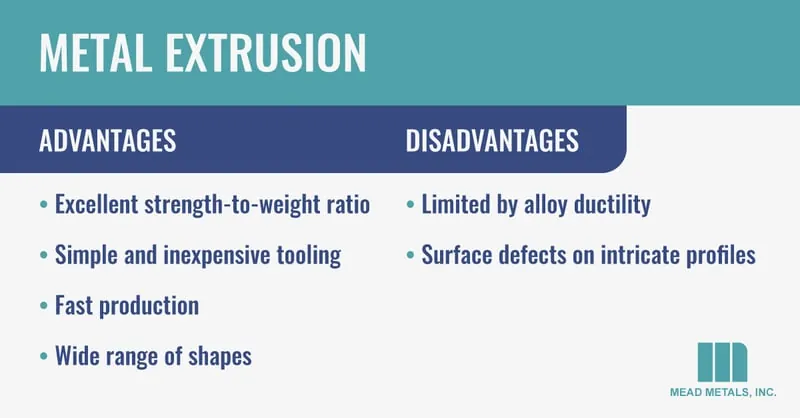
Regardless of the metal you pick, you must account for thermal expansion and surface preparation to ensure success. Every metal expands when heated, which can cause joints to fail or parts to seize if you don’t provide enough clearance in your design.
Always clean the surface thoroughly before bonding or painting, as oils and oxides can prevent proper adhesion. If you’re performing tasks like welding or grinding, you must wear appropriate personal protective equipment to prevent injury from sparks, metal dust, or toxic fumes. If a project involves structural loads that could risk human safety if they fail, consult a licensed structural engineer before proceeding.
Frequently Asked Questions
Can I weld different metals together?
No, you can’t directly weld different metals like steel and aluminum together because they have different melting points and chemical properties. You must use mechanical fasteners, such as rivets or bolts, or specialized transition joints to join them safely.
Why does my metal rust so quickly?
Metal rusts quickly when it’s exposed to moisture and oxygen, especially in salty or humid environments. You can slow this process by applying a protective primer and paint, or by using a corrosion-resistant alloy like stainless steel.
How long does metal last outside?
Metal can last for decades or even centuries if it’s properly maintained and protected from the elements. The lifespan depends entirely on the specific alloy and the environment, so check the manufacturer’s corrosion ratings for your specific material.
Is it safe to drill metal at home?
Yes, it’s safe to drill metal at home if you use the correct drill bits and secure the material firmly with a clamp. Always wear safety glasses to protect your eyes from flying metal shavings and keep your hands away from the spinning bit.
What happens if I use the wrong metal?
Using the wrong metal can lead to premature failure, such as bending, cracking, or rapid corrosion. If you’re unsure which material to use, compare the strength and environmental requirements of your project against the technical specifications of the metal you’re considering.
Conclusion
Choosing the right material doesn’t have to be a guessing game. As technology advances, new alloys are constantly solving old problems like rust and excess weight. You should look into recent material science journals to see how these innovations might help you pick the perfect option for your next big project.
