
The air we breathe and the substances we use in science labs are composed of various elements, and the density of common gases is determined by their molecular weight at a standard temperature and pressure of 0°C and 1 atm. These substances exist in a gaseous state at room temperature, and while they share the property of being compressible, they differ significantly in their mass per unit of volume. This variation depends primarily on the molar mass of the elements or molecules involved.
Common gases and their properties
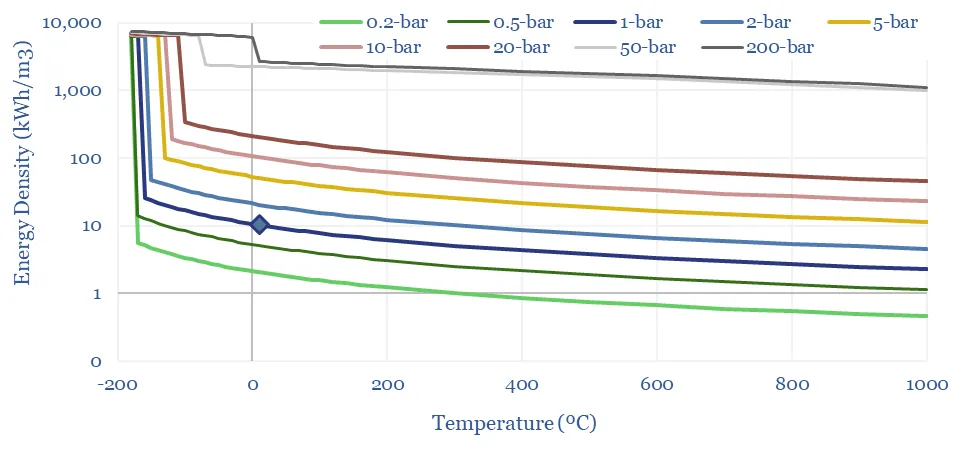
This table shows the density of several gases at a standard temperature of 0°C and a pressure of 1 atmosphere, measured in grams per liter (g/L), which helps in understanding how much space a specific mass of gas occupies under normal conditions.
| Gas Name | Best Used For | Example Usage |
|---|---|---|
| Hydrogen | Lifting and fuel | Filling weather balloons |
| Helium | Inert atmospheres | Party balloon inflation |
| Nitrogen | Food preservation | Packaging potato chips |
| Oxygen | Medical support | Emergency breathing masks |
| Carbon Dioxide | Carbonation | Soft drink production |
Hydrogen
Hydrogen is the lightest known gas, consisting of two hydrogen atoms bonded together to form H2. It’s highly flammable and suits industrial processes where low weight is required, such as in specialized chemical manufacturing or as a clean fuel source.
- Provides excellent lift for weather balloons due to its low density.
- Acts as a powerful reducing agent in metal refining processes.
- Serves as a fuel for high-efficiency hydrogen fuel cells.
To see this in practice, a standard weather balloon might be filled with 500 liters of hydrogen gas to achieve the necessary lift for atmospheric research. If you’re handling hydrogen, always work in a well-ventilated area because it can form explosive mixtures with air. The density of hydrogen is approximately 0.09 g/L at standard conditions; you can check the exact value for different temperatures in the NIST Chemistry WebBook.
Helium
Helium is a noble gas that’s much denser than hydrogen but remains significantly lighter than air. It’s the preferred choice for applications where safety is a concern, as it’s chemically inert and won’t burn or react with other substances.
- Provides safe lift for decorative balloons and blimps.
- Cools superconducting magnets in medical MRI machines.
- Creates an inert environment for delicate welding tasks.
This gas is ideal for anyone who needs buoyancy without the fire risk associated with hydrogen. If you’re filling a standard party balloon, you’ll typically use about 15 liters of helium to achieve a stable float. Unlike hydrogen, helium is non-flammable, making it the standard for public events and indoor use where safety is the priority. Always ensure your gas cylinders are properly secured with a chain or stand to prevent accidental tipping or valve damage.
Nitrogen
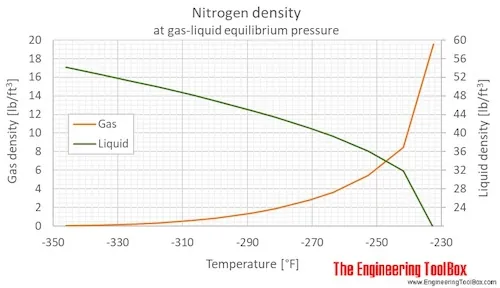
Nitrogen is the most abundant gas in Earth’s atmosphere and is characterized by its stability and lack of reactivity. It’s perfect for industrial settings where preventing oxidation or combustion is necessary to maintain product quality or safety.
- Displaces oxygen in food packaging to prevent spoilage.
- Inflates aircraft tires to reduce the risk of fire during landings.
- Purges pipelines to remove flammable vapors during maintenance.
Using nitrogen requires pressurized tanks and appropriate regulators to control the flow, which can be a significant cost for small businesses. If you’re using nitrogen for food preservation, you must ensure the seal on the bag is airtight, or the gas will escape and allow oxygen to enter.
Because nitrogen is denser than helium, it doesn’t provide the same lifting power, so it’s never used for balloons. If you lack the specialized equipment to handle high-pressure nitrogen cylinders, hire a professional technician to manage your gas supply.
Carbon dioxide
Carbon dioxide is a dense, non-flammable gas that’s heavier than air and plays a critical role in both biological and industrial processes. It’s the go-to gas for carbonating beverages and serves as a fire-suppression agent in specialized electrical equipment environments.
- Creates the fizz in carbonated soft drinks.
- Extinguishes electrical fires by displacing oxygen.
- Promotes plant growth in controlled greenhouse environments.
People often mistake its weight for a lack of safety, but carbon dioxide is a simple asphyxiant if it displaces too much oxygen in a small room. In a standard 5-pound CO2 cylinder, the gas is stored as a liquid under high pressure and converts to gas as you release it.
If you notice a leak, immediately ventilate the area and leave the room until the air is clear. This gas isn’t suitable for lifting objects because it’s heavier than the surrounding air.
Other common gases
Oxygen is essential for life and industrial combustion. Use it in medical settings to support respiration or in welding to boost heat during metal cutting.
Methane serves as the primary component of natural gas. It powers home heating systems and industrial boilers globally. When detecting leaks, remember that methane is lighter than air; always place your sensors near the ceiling rather than the floor.
Argon acts as an inert shield in light bulbs and high-end welding. It prevents the oxidation of delicate filaments or molten metal joints. If your weld bead turns dark or porous, you likely have an insufficient argon flow rate.
Choosing the right gas
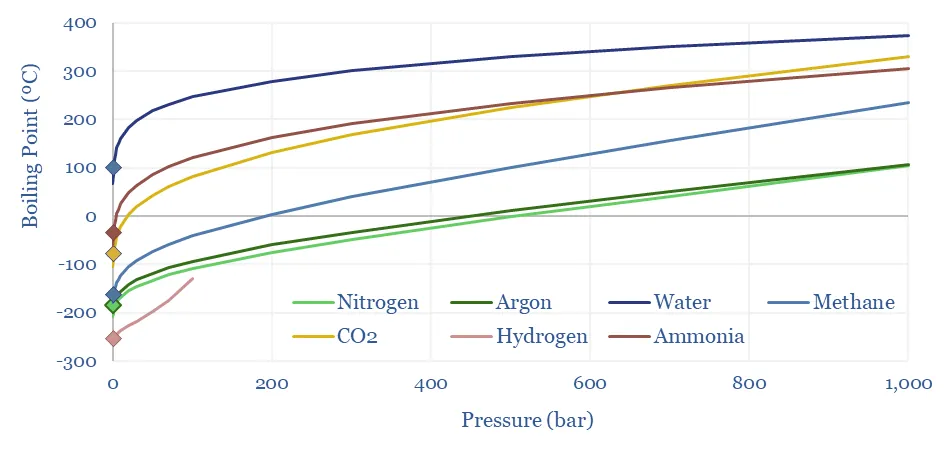
Selecting the correct gas depends on your specific goal, such as whether you need lift, inert protection, or fuel. If your primary requirement is lift, you must choose between hydrogen or helium; if safety is the priority, always pick helium. For industrial preservation or cooling, nitrogen is the most common choice due to its chemical stability and availability.
If you’re working with fire suppression or carbonation, carbon dioxide is the only practical option among these. These gases generally can’t be mixed for a single task, as their differing densities and chemical properties will cause them to separate or react in ways that defeat the purpose of the application.
Frequently asked questions
Can I use carbon dioxide to lift a balloon?
No, carbon dioxide can’t lift a balloon because it’s denser than air. While hydrogen and helium are lighter than air and rise, carbon dioxide is heavier and will cause a balloon to sink rapidly toward the ground.
How long does helium stay in a balloon?
Helium stays in a latex balloon for about 12 to 24 hours before the gas leaks through the material. If you use a Mylar balloon, the helium can remain inside for several days or even weeks because the material is less porous.
Is it safe to breathe nitrogen?
No, it isn’t safe to breathe pure nitrogen because it displaces the oxygen you need to survive. While nitrogen makes up most of our atmosphere, breathing it in a concentrated form will lead to unconsciousness and death within minutes due to oxygen deprivation.
Does temperature change the density of these gases?
Yes, the density of a gas decreases as the temperature increases, assuming the pressure stays the same. If you heat a container of gas, the molecules move faster and push against the walls, causing the gas to expand and become less dense.
What happens if I mix these gases?
Mixing gases creates a new density that’s an average of the components based on their volume fractions. You should never mix gases unless you’re trained, as some combinations, like hydrogen and oxygen, can become highly explosive if the proportions aren’t controlled.
How many liters of gas are in a standard tank?
The amount of gas in a tank depends on the physical size of the cylinder and the pressure it’s rated to hold. You can check the maximum capacity and current pressure by reading the gauge attached to the valve of your specific cylinder.
Conclusion
Start by identifying the specific property you need, such as buoyancy or chemical stability, to narrow down your choice. Once you select the gas, verify the pressure on your regulator to ensure it matches the requirements of your equipment. If you hear a hissing sound or smell an unusual odor, stop your work immediately and contact a local gas supplier for professional assistance.
