
A blocked drain pump is the most common cause of a bosch washer code e13, which indicates that the water in your machine isn’t draining away properly. It’s safe to keep using the machine once you have cleared the blockage and confirmed the drain path is free of debris. To confirm this, open the small service flap at the bottom front of your unit and check the pump filter for any coins, lint, or small objects. This quick check often solves the issue without needing professional help.
Understanding the Bosch washer E13 code
When your appliance shows this code, it means the system has timed out because it can’t push the water out of the drum. This usually happens when the pump itself is obstructed or the hose leading to your home drain is kinked. If you see this code, stop the cycle immediately to prevent water from sitting in the drum for too long.
| What you notice | What it usually means | What to do first |
|---|---|---|
| Water stays in drum | Blocked pump filter | Open service flap |
| Loud rattling noise | Foreign object in pump | Inspect pump impeller |
| Slow drain time | Kinked drain hose | Straighten drain hose |
| Water backing up | Clogged home plumbing | Check sink drain |
| Washer stops mid-cycle | Pump failure | Listen for humming |
If the pump makes a sharp grinding sound, cut the power instantly.
You can distinguish between a pump failure and a plumbing blockage by checking the drain hose. If the hose is clear but the water remains, the pump is likely dead.
Most users mistakenly assume the pump is broken when the real culprit is a coin or hair tie lodged in the filter. Check the filter before calling a technician. If you find nothing, test the pump by running a spin-only cycle with the drain hose held over a bucket. If no water flows, the pump has failed.
Clearing the pump filter of debris
Most users find that a small item like a coin or a button has lodged itself inside the filter housing. This prevents the impeller from spinning, which is necessary to push the water out through the drain hose. If the impeller doesn’t turn, the machine can’t empty, and the electronic sensors trigger the error code because the water level fails to drop within the programmed time.
To fix this, first unplug the machine for safety. Place a shallow tray under the service flap to catch the water that will inevitably spill out when you open the filter. Slowly unscrew the filter by turning it counter-clockwise. If it feels stuck, don’t force it, as you could break the plastic threads. If the cap resists, wiggle it gently side-to-side to loosen mineral deposits before turning again.
Once removed, reach into the cavity and pull out any hair, lint, or hard objects you feel. Check that the impeller blades inside the housing spin freely with your finger. If they’re stuck, keep clearing the area until they rotate without resistance. People often mistake a seized impeller for a dead pump motor; if the blades move freely but the error persists, the pump itself has likely failed.
After cleaning, screw the filter back in firmly to ensure a watertight seal. If you don’t tighten it enough, the machine will leak during its next cycle, which can damage your floors. Pour a small amount of water into the drum to check for leaks around the filter cap before running a full load.
If the water stays in the drum and the code returns, the blockage may be deeper inside the internal hoses. In that case, you must disconnect the pump hose to clear the obstruction.
Inspecting the drain hose for kinks
Sometimes the filter is clean, but the water can’t move because the path outside the machine is blocked. A kinked or crushed drain hose is a common mistake that prevents the pump from working against the pressure of the water. If your machine is pushed too far back against the wall, the hose often gets trapped behind the unit.
Check the entire length of the drain hose from the back of the washer to where it connects to your home plumbing. If you see a sharp bend or a crush point, pull the machine out and straighten the hose to restore full flow. Ensure the hose isn’t sitting too deep inside the standpipe, as this can create a siphon effect or block the air gap.
The official Bosch support documentation notes that the drain hose must be installed at a specific height—usually between 24 and 40 inches—to ensure the pump functions correctly. If your hose is lower than the water level in the drum, the water may drain out continuously or struggle to pump.
If the hose is clear, check the connection point under your sink. If you recently installed a new garbage disposal or sink plumbing, the knockout plug inside the disposal inlet might still be in place. This prevents water from leaving the washer even if the hose itself is perfectly clear. If the hose is clean and the connection is open, the issue might be a faulty pump motor.
When the pump motor fails completely
If you have cleared the filter and confirmed the hose is free of kinks, the pump motor itself might be the cause. An aging pump can lose the power required to lift the water up the drain hose, especially if it has been running for many years. You can tell this is the cause if you hear a faint humming sound but see no movement of water during the drain cycle.
If the motor has failed, you’ll need to replace the pump assembly. This is a mechanical failure that occurs due to wear on the internal bearings or the electrical winding. If you find that the impeller is physically intact and the path is clear, but the water still sits in the drum, the pump is likely dead. This isn’t a situation where you can simply clean or reset the unit.
Most people make the mistake of assuming a hum means the motor is still functional. In reality, that sound indicates the motor is seized or electrically shorted and can’t spin the impeller. If you attempt to run the cycle repeatedly while it’s humming, you risk blowing the thermal fuse or damaging the control board.
If you’re comfortable with tools, you can order the specific part for your model number. This requires removing the front or side panel of the machine to access the motor. Always unplug the unit and use a multimeter to check for continuity across the pump terminals before committing to the purchase.
When to stop and get help
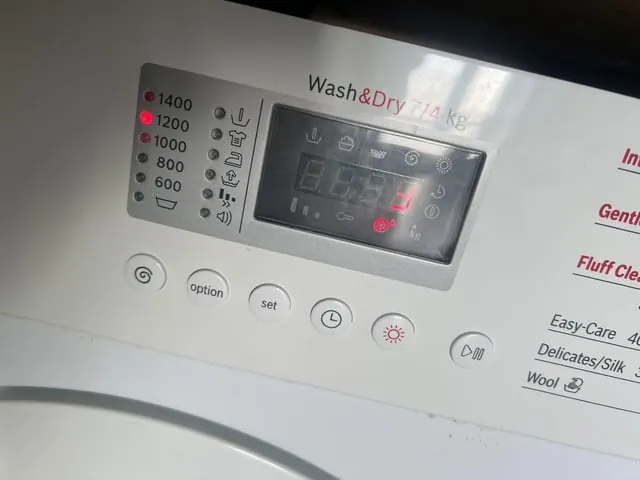
You should stop trying to fix the washer yourself if you reach a point where the machine requires internal disassembly beyond the filter. Working on the electrical components or the internal pump motor carries risks that require professional training.
Leaking from the machine base suggests a damaged seal or a cracked pump housing. These parts are often pressed into the motor assembly, requiring specialized pullers to remove without shattering the plastic housing.
An electrical burning smell means you must turn off the power at the breaker immediately. This indicates a short circuit that can cause a fire. If you smell ozone or melting plastic, don’t attempt a reset.
If you hear no sound from the pump during a drain cycle, the problem is likely an electrical failure. This requires a professional technician to test the pump leads for power. If power is present but the pump remains silent, the motor is dead. If there’s no power, the issue lies in the control board.
Internal hose leaks often stem from vibration wear. If you replace a hose but fail to seat the tension clamp perfectly, the leak will return under high-pressure cycles. This causes hidden water damage to subflooring.
If you aren’t comfortable using a screwdriver to remove panels, or if the error persists after cleaning the filter, contact a certified appliance repair service. Attempting to force parts or bypass safety switches can void your warranty. Professionals have the tools to test the pump’s electrical resistance and verify if it truly needs a replacement.
Related guides
- Best Bathroom Sink Pop Up Drain Assemblies: The Reliable Choice in 2026
- Toilet Auger vs Drain Snake: Which Tool Clears Your Clog Best in 2026
Frequently asked questions
How long does a drain pump usually last?
A drain pump has a finite lifespan, depending on the frequency of your wash cycles and the amount of debris that enters the system. If you wash items with heavy lint or loose buttons often, the pump may fail sooner due to mechanical stress. You can check the age of your machine by looking at the serial number on the manufacturer’s plate inside the door.
Is it safe to run the washer with this code?
It isn’t safe to continue running the machine while this code is active, as the pump will likely overheat. Always clear the blockage and drain the water manually before attempting to start a new cycle to ensure the pump remains cool and functional.
What happens if I ignore the code?
Ignoring the code will eventually lead to a complete pump failure and potentially a flooded laundry area if the machine tries to force water through a blocked system. The water sitting in the drum can also start to smell, as stagnant water encourages mold and bacteria growth inside the drum and pump housing. Addressing the issue early prevents the need for a full pump motor replacement.
Can a clogged sink cause this code?
A clogged sink drain can absolutely cause this code because the washer shares the same drainage path in many homes. If the water can’t leave the hose because the sink pipe is backed up, the machine will report a drain error. Check your sink for slow drainage or standing water to see if the problem is actually with your home plumbing rather than the washer.
How do I drain the water manually?
You can drain the water manually by using the emergency drain tube located next to the filter behind the service flap. Place a low container under the tube, pull the plug, and let the water flow out until the drum is empty. This process can take several minutes depending on the amount of water, so have a few towels ready to handle any splashes.
Does the water temperature affect the pump?
The water temperature doesn’t directly affect the pump, but very hot water can make the internal plastic parts slightly more pliable and prone to warping over time. Always wait for the water to cool down before opening the filter to avoid burns.
Conclusion
If the error persists after you’ve cleared the filter, there might be a deeper clog in your home’s plumbing or a faulty pump. It’s a good idea to reach out to a certified technician if you’re still having trouble. Don’t worry, you’ll have your laundry routine back to normal in no time.
