
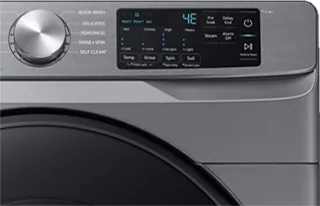
A samsung washer 4e code indicates that the machine isn’t receiving water or that the water flow is too slow to fill the drum within the allotted time. This error occurs when the water supply valves are closed, the inlet hoses are kinked, or the mesh filters inside the hose connections are blocked by debris. If you see this code, you should immediately check your home’s water supply faucets to ensure they’re fully open and providing adequate pressure.
Fixing your Samsung washer water code
Check that both the hot and cold water faucets behind the machine are fully open. If the handle is parallel to the hose, it’s open; if perpendicular, it’s closed.
Inspect the water inlet hoses for sharp bends or crushed sections. Even a slight crimp reduces flow enough to trigger a sensor timeout. If you find a kink, replace the hose entirely, as the rubber often retains a memory that causes the blockage to return.
Turn off the water supply and remove the hoses to inspect the inlet mesh filters. These small screens often trap grit or mineral buildup from the municipal lines. If you see white or orange crusting, soak the filters in white vinegar for ten minutes to dissolve the deposits.
Verify that your home’s main water valve is open, especially if you have recently performed plumbing work. If your other household faucets have low pressure, the issue is the main line, not the washer.
Clean the mesh filters using a soft brush before reconnecting the hoses. Hand-tighten the connections, then turn the water on slowly to check for leaks. Restart the washer to see if the error code clears.
Why the Water Flow Stalls
The washer monitors the time it takes for water to reach a specific level in the drum after the valves open. If the water level doesn’t rise fast enough, the machine assumes the supply is interrupted to prevent pump damage or accidental flooding. This system relies on a pressure sensor that detects the air pressure in a tube connected to the drum, and if the flow is too weak, the sensor remains at the “empty” state.
Blockages in the inlet screens are a common cause of this issue. Over time, sediment from municipal pipes or well water collects in the small mesh filters located at the back of the washer. If these screens become clogged, the volume of water entering the drum drops significantly, triggering the error. You can test for this by disconnecting the hoses and inspecting the mesh; if you see brown or gray buildup, scrub it away with a soft toothbrush.
If the hoses are clear and the screens are clean, the issue might lie with the water inlet valve assembly itself. This component contains electrical solenoids that open and close to let water in. If a solenoid fails, the valve won’t open even when the machine sends the signal.
You can identify a failed solenoid by listening closely to the back of the machine when it starts a cycle. If you hear a loud, rapid humming or buzzing but no water enters, the solenoid is likely receiving power but is mechanically seized.
Many users mistakenly replace the entire valve assembly when the issue is actually low household water pressure. Check your other faucets; if the flow is weak throughout the house, the problem is your main supply line or a partially closed shut-off valve, not the machine.
If the washer is under warranty, contact a professional to avoid voiding your coverage. If you’re out of warranty and the solenoid is confirmed dead, ensure you unplug the unit and shut off the water supply before attempting to swap the internal valve component.
Situations Where the Error Persists
| Situation | What changes | What to do instead |
|---|---|---|
| Low water pressure | The flow is too weak | Check your home pressure regulator |
| Frozen pipes | Water can’t reach machine | Use a hair dryer on pipes |
| Faulty inlet valve | Solenoids fail to open | Replace the inlet valve assembly |
| Damaged hose | Internal lining collapses | Replace the water inlet hoses |
| Clogged house pipes | No flow at the faucet | Contact a local plumber |
If your pressure regulator sits below 40 PSI, the machine will trigger a fill error regardless of valve health. You can confirm this by checking the kitchen sink; if the stream sputters, the issue is your home’s main supply, not the appliance.
When troubleshooting frozen pipes, never use an open flame or a heat gun. These tools can melt the plastic lining of your hoses or ignite nearby dust. Stick to a hair dryer on a low setting, moving it slowly along the pipe to prevent the metal from cracking due to rapid thermal expansion.
Many homeowners mistakenly replace the inlet valve when the screen is simply clogged with sediment. Before buying parts, unscrew the hose from the back of the machine. If you see white or orange mineral buildup on the mesh screen, remove the screen and soak it in white vinegar for thirty minutes. This simple cleaning often restores full flow instantly.
If the error persists after these checks, listen closely to the machine during the fill cycle. A faint humming sound indicates the solenoid is receiving power but can’t physically open. In this specific case, the valve is electrically sound but mechanically seized, necessitating a full replacement.
How to Properly Clean Inlet Filters
Turn off the water supply faucets completely to prevent any leaks during the process. Power off the washing machine and unplug the cord from the wall outlet for safety.
Unscrew the water inlet hoses from the back of the washer by turning the connectors counter-clockwise. Keep a small bucket or a thick towel ready under the connection point, as even a closed valve often traps a cup of pressurized water that will spill onto your floor.
Use a pair of needle-nose pliers to gently pull the mesh filter screens out of the inlet ports. If the screen resists, don’t force it with a screwdriver, as puncturing the mesh renders the filter useless against incoming sediment.
Rinse the screens under a high-pressure tap to remove all sand, rust, or mineral deposits. If the mesh remains clogged with white calcium buildup, soak the screens in a solution of equal parts white vinegar and water for ten minutes.
Push the clean screens back into the ports until they sit flush against the opening. Reattach the hoses, tighten them by hand, and then turn the water supply back on to check for leaks. If you notice a slow drip, don’t overtighten with a wrench; simply unscrew the hose and reseat the rubber gasket.
Mistakes That Ruin Your Repair
- Over-tightening the hose connectors can crack the plastic threads on the inlet valve, leading to permanent leaks.
- Using harsh chemicals to clean the filters may damage the rubber seals, which causes water to drip inside the machine cabinet.
- Leaving the machine plugged in while working near water creates a shock hazard that’s easily avoided by pulling the plug.
- Ignoring small leaks at the hose connection often leads to water damage behind the machine that you might not notice for weeks.
Frequently Asked Questions
Can I run a cycle if the water pressure is low?
Avoid running a cycle if your water pressure is low to prevent error codes or valve overheating. Consistent pressure is necessary to maintain the proper water-to-detergent ratio for effective cleaning. If your home pressure remains low, consult a plumber to ensure your system meets the requirements for modern appliances.
Why does the code appear only during the rinse cycle?
The code may appear during the rinse cycle because the machine often uses a different water temperature or flow rate than the wash cycle. If the hot water valve is faulty but the cold one works, you might only see the error when the machine tries to pull hot water. Test both the hot and cold settings individually to see if the machine fills correctly with one but not the other.
Is it safe to replace the inlet valve myself?
It’s safe to replace the valve if you have the correct replacement part and are comfortable working with electrical components, but you must keep the machine unplugged. Never attempt to test the valve while it’s connected to power, as the internal solenoids and wiring carry dangerous line voltage. If you’re unsure about the wiring connections, it’s safer to hire a qualified appliance technician to perform the installation.
How long do these inlet hoses usually last?
Water inlet hoses eventually wear out, depending on the quality of the rubber and the minerals in your local water supply. You should inspect them annually for signs of cracking, bulging, or stiffening, which are signals that the material is failing. Replacing them before they burst is an easy way to prevent significant water damage to your laundry room floor and walls.
What happens if I ignore the error code?
If you ignore the code, the washer will eventually stop mid-cycle, leaving your clothes soaking in soapy water without being rinsed or spun. This leads to a heavy, unbalanced load that can stress the motor and suspension system of your machine. Furthermore, leaving stagnant water in the drum for long periods can cause unpleasant odors and potentially promote mildew growth inside the tub and door seal.
Does the hardness of my water affect the frequency of this error?
Yes, high water hardness significantly increases the speed at which mineral deposits build up inside the inlet filters. If you live in an area with hard water, you should expect to clean these filters every six to twelve months to maintain consistent flow. Using a water softener in your home can help reduce this buildup, but you should still check the screens periodically if you notice the fill time starting to increase.
Conclusion
If the screen stays blank or the alert keeps popping up after you’ve checked the lines, don’t hesitate to reach out to a professional. Sometimes a faulty sensor or a broken valve is the real culprit. It’s better to get an expert’s help than to risk any further damage to your machine.
