
Deciding between well water vs municipal water is a significant lifestyle choice that impacts your home maintenance, monthly budget, and long-term health. If you’re looking at the financial differences, municipal water costs typically range from $30 to $120 per month depending on your usage and local utility rates. Conversely, private well owners pay an initial installation cost of $3,000 to $15,000 for the drilling and pump system, with ongoing maintenance expenses ranging from $100 to $500 annually for testing, electricity, and minor repairs. Understanding these distinctions is essential for any homeowner managing their own utility infrastructure.
Key Takeaways
- Municipal water is strictly regulated by the EPA, ensuring consistent safety standards.
- Well water owners are solely responsible for testing and treating their own supply.
- Private wells offer independence from utility outages but require self-funded maintenance.
- Hardness, iron, and sulfur are the most common aesthetic issues in private wells.
- Annual water quality testing is mandatory for safety if you rely on a well.
Understanding Your Water Source
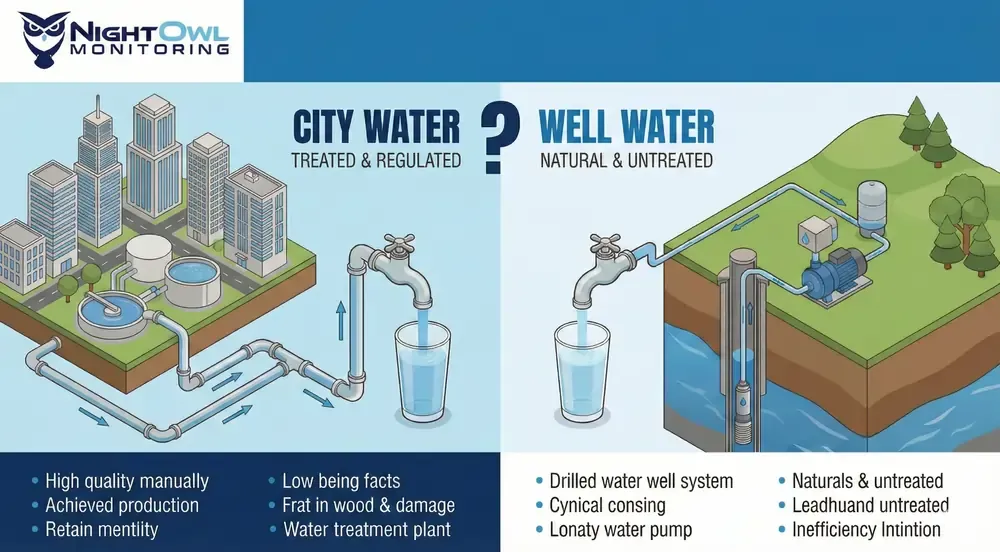
Municipal water comes from surface sources like rivers or lakes, or from deep aquifers, processed through a centralized treatment plant. The water is filtered, disinfected with chlorine or chloramines, and monitored continuously. In contrast, a private well draws directly from a groundwater aquifer on your property. Because this water doesn’t undergo centralized treatment, the burden of ensuring its purity rests entirely on the homeowner.
How Municipal Systems Work
City water systems utilize a complex network of pipes, storage tanks, and treatment facilities. By the time water reaches your kitchen tap, it has been treated to meet federal safety guidelines. This provides a level of regulatory oversight that’s difficult to replicate at home. You generally pay a monthly fee based on the volume of water consumed, which covers the cost of infrastructure, labor, and chemical treatment.
The Reality of Private Wells
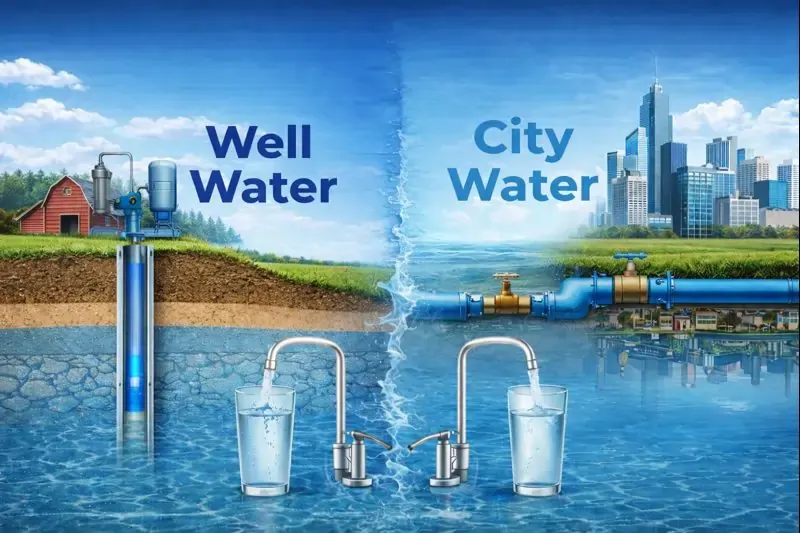
Owning a well means you have a direct, private connection to the earth’s groundwater. This offers a sense of resource autonomy, as you aren’t dependent on the local municipality for your daily supply. However, you’re responsible for the pump, the pressure tank, and the quality of the water itself. If the pump fails or the water table drops, you must hire a contractor to perform the necessary repairs or drilling adjustments.
Comparing Well and Municipal Water Costs
The financial commitment differs significantly between these two systems. While municipal water has a predictable monthly cost, well water has high upfront costs and unpredictable repair expenses.
| Expense Type | Municipal Water | Private Well |
|---|---|---|
| Initial Hookup | $500 – $5,000 | $3,000 – $15,000 |
| Monthly Cost | $30 – $120 | $0 (Utility fees) |
| Maintenance | None (Utility managed) | $100 – $500 yearly |
| Testing | Included in rates | $50 – $200 per test |
Pro Tip: Always keep a dedicated emergency fund for your well system, as pump failures often occur without warning and require immediate professional intervention to restore water access.
Is Your Water Safe to Drink?
Safety is the primary concern for most homeowners. Municipal water is governed by the Environmental Protection Agency National Primary Drinking Water Regulations to ensure that contaminants like lead, bacteria, and industrial chemicals stay below harmful levels. When you use a private well, there’s no governmental agency checking your tap water. You must take the initiative to ensure your water is free from pathogens and hazardous minerals.
Common Contaminants in Wells
Groundwater can be influenced by local geology and nearby human activities. Common contaminants found in residential wells include:
- Coliform bacteria from septic runoff.
- Nitrates from fertilizers or agricultural waste.
- Heavy metals like arsenic or lead leaching from rock.
- Radon gas in certain geological formations.
Treatment Options for Wells
If your well water test results indicate issues, you can install various treatment systems. Common solutions include reverse osmosis systems for drinking water, UV light filters for bacteria, or water softeners to handle mineral buildup. Before purchasing any equipment, always get a professional water analysis so you don’t waste money on a system that doesn’t address your specific problems.
Maintenance Schedules for Homeowners
To keep your water running smoothly, you must adhere to a strict maintenance schedule. Municipal water users rarely need to do anything other than pay their bills. Well owners, however, must manage their equipment to avoid costly failures.
| Maintenance Task | Frequency | Purpose |
|---|---|---|
| Well Water Testing | Annually | Monitor for bacteria and nitrates |
| Pressure Tank Check | Every 2-3 years | Ensure system pressure stability |
| Pump Inspection | Every 5-10 years | Check mechanical wear and tear |
| System Sanitization | As needed | Clear bacterial growth after repairs |
Managing Water Hardness and Taste
Hardness is caused by high concentrations of calcium and magnesium. While not inherently dangerous, hard water can ruin appliances and leave spots on your dishes. Municipal utilities often treat water to reduce extreme hardness, but it remains a common issue for well owners.
Dealing with Iron and Sulfur
If your water has a metallic taste or smells like rotten eggs, you likely have iron or sulfur issues. These are aesthetic problems, not necessarily safety hazards, but they can stain clothing and fixtures. A water oxidation filter is often the most effective way to remove these minerals before the water enters your home’s plumbing system.
Assessing Your Specific Situation
When deciding which system is better for your household, consider your location and your comfort level with home maintenance. If you live in a rural area, municipal lines may not even be available, making a well the only viable option. If you’re building in a suburban area with both options, prioritize your desire for control versus your desire for convenience.
The Benefit of Independence
The biggest advantage of a well is the lack of monthly bills. Over the course of twenty years, the savings on utility fees can cover the cost of a new pump or a well cleaning. Furthermore, during a grid power outage, a well can often be run on a portable generator, providing you with water when municipal systems might be shut down due to pump station failures.
The Convenience of Municipal
Municipal water offers the ultimate peace of mind regarding water quality. You don’t have to worry about whether your well is contaminated after a flood or if a nearby farm is impacting your groundwater. For many homeowners, the monthly fee is a reasonable price to pay for the assurance that their water is tested and treated by professionals.
Troubleshooting Common Well Problems
If you notice a drop in water pressure, the first thing to check is your pressure switch. This small device tells the pump when to turn on and off. If it’s malfunctioning, your pump may not engage, leading to a loss of pressure. Another common issue is a water-logged pressure tank, which causes the pump to cycle on and off too frequently, leading to premature burnout.
Warning: Never attempt to pull a deep-well pump yourself if you lack the proper equipment and training; these units are extremely heavy and can cause severe injury or damage to the well casing if dropped.
How to Test Your Well
You should test your well water at least once a year, preferably in the spring after the snow melts or after heavy rain events. Contact your local university extension office or a certified laboratory to request a water testing kit. They will provide bottles and instructions on how to collect a sample that isn’t contaminated by your own hands or the faucet itself.
Interpreting Your Lab Results
Once you receive your report, focus on the “Primary Contaminants” list. These are the items regulated by the EPA. If any of these are above the Maximum Contaminant Level, you should immediately switch to bottled water and consult with a professional about installing a specialized filtration system.
Choosing the Right Equipment
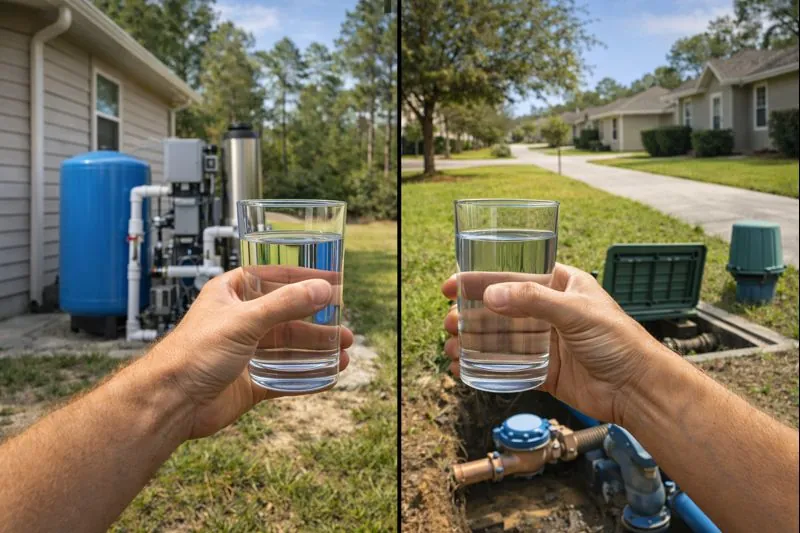
If you decide that you need a water treatment system, look for products that are NSF certified. This certification ensures that the product has been independently tested to remove the contaminants it claims to remove. Avoid generic filters found at big-box stores if you have high levels of heavy metals or nitrates; instead, look for specialized manufacturers like Culligan, Pentair, or APEC Water Systems.
Related guides
- Toilet Bowl vs Water Closet: The Key Differences Explained in 2026
- 5 Best Water Softeners for Well Water: Our Top Picks in 2026
- Taylor K-2006 vs K-2006C: Key Differences and Best Pick in 2026
Frequently Asked Questions
How often should I test well water?
You should test your private well at least once every twelve months for coliform bacteria, nitrates, and total dissolved solids. If you notice a change in the taste, smell, or color of your water, or if there has been a recent flood or major construction nearby, you should test it immediately regardless of your annual schedule.
Does well water contain chlorine?
No, well water doesn’t contain chlorine unless you manually add it via a chlorination system to treat bacterial contamination. Unlike municipal water, which is treated with chlorine or chloramines at the plant to kill pathogens as it travels through pipes, well water goes directly from the ground to your home’s plumbing system without any chemical disinfection.
Can I switch from a well to city water?
Yes, but it’s a significant project. You must verify that a municipal water main is available on your street and pay the local utility’s connection fee, which varies widely by region. You’ll also need to hire a licensed plumber to disconnect your home from the well and connect it to the municipal line, which often requires a permit.
Is hard water bad for my home?
Hard water isn’t a health risk, but it can be hard on your home. High levels of calcium and magnesium cause mineral scale to build up inside your pipes, water heater, and dishwasher. This buildup reduces the efficiency of your appliances, shortens their lifespan, and makes it difficult for soap to lather, leading to dry skin and dingy laundry.
What causes low water pressure in a well?
Low pressure is usually caused by a failing pump, a water-logged pressure tank, or a clogged sediment filter. If the pressure is low throughout the entire house, check the pressure gauge on your tank. If it’s below the cut-in pressure, your pump may be struggling to keep up with demand or the well may have a low recharge rate.
Conclusion
Determining whether well water or municipal water is better for your family comes down to balancing your budget against your desire for independence. Evaluate your local water quality reports, check the age of your potential well system, and decide if you’re prepared to manage the maintenance. Once you have made your choice, prioritize a professional inspection of your pipes and pumps to ensure long-term reliability.