
Plants create sugar through photosynthesis, and how sugar is produced from plants in a commercial setting involves extracting these natural stores from crops like sugarcane or sugar beets. This process uses mechanical crushing or hot water diffusion to pull the sweet juice from the plant fibers. The juice is then purified, boiled, and spun to create the white sugar crystals you see in your kitchen pantry.
How plants produce sugar
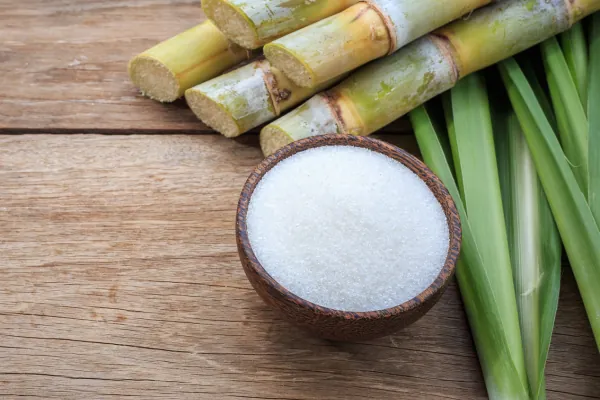
The production cycle relies on specific inputs and machinery to move the raw plant material through various stages of refinement. Each part plays a role in separating the sugar from the unwanted plant material. If you’re ever unsure about a specific machine’s capacity or maintenance schedule, always check the technical manual provided by the manufacturer.
| Part or input | What it does | What you notice when it goes wrong |
|---|---|---|
| Sugarcane stalks | Contains raw sugar juice | Dry stalks produce very little juice |
| Shredder | Breaks plant cell walls | Large chunks block the juice flow |
| Mill rollers | Squeezes out sweet liquid | Low pressure leaves sugar in fiber |
| Clarifier | Removes dirt and debris | Cloudy juice creates discolored sugar |
| Evaporator | Boils off excess water | Thin syrup prevents crystal formation |
| Centrifuge | Spins crystals from molasses | Wet sugar remains in the basket |
Steps for processing sugar
The journey from a field of crops to a finished bag of sugar involves several precise steps. These steps happen quickly, often moving from harvest to raw sugar in under 24 hours to prevent the juice from spoiling.
- Farmers harvest the sugarcane or sugar beets and transport them to the factory within hours to keep the sugar content high.
- Workers wash the plants to remove soil, rocks, and leaves that could damage the heavy machinery during the crushing phase.
- The plant material enters a shredder or mill that breaks the tough outer skin to expose the inner juice-filled cells.
- Heavy rollers press the shredded plant material with force to extract the maximum amount of liquid from the fibrous stalks.
- The factory heats the raw juice and adds lime to help impurities settle to the bottom so they can be removed.
- Large vacuum pans boil the purified juice until it becomes a thick syrup, which encourages sugar crystals to grow in size.
- A high-speed centrifuge spins the mixture to separate the solid white sugar crystals from the remaining dark brown liquid, or molasses.
- The final sugar crystals are dried with hot air to remove moisture, ensuring the product doesn’t clump during storage or shipping.
Importance of the extraction process

The efficiency of sugar production depends on how well the plant material is broken down during the initial phases. If the shredder fails to fully rupture the plant cells, the sugar remains trapped inside the fiber, which leads to lower yields. This is a common mistake that costs factories significant money, as they pay for the weight of the raw crop but fail to recover all the available sugar.
The difference between a successful batch and a wasted one often comes down to the pressure settings on the mill rollers. If the rollers are too loose, the juice stays in the fiber; if they’re too tight, the machinery may overheat or jam. You can monitor this by checking the moisture level of the leftover fiber, known as bagasse.
Temperature control in the evaporators also dictates the quality of the final crystal. If the heat is too high, the sugar caramelizes and turns brown, which is undesirable for standard white sugar. If the heat is too low, the crystals remain small and soft. Operators must balance these settings based on the current sugar concentration of the incoming juice.
Control and design in sugar refining
Things you control
- The speed of the mill rollers.
- The amount of lime added to clarify the juice.
- The heat settings in the evaporation pans.
- The spin duration of the centrifuge.
Things fixed by design
- The physical size of the factory equipment.
- The natural sugar content of the plant variety.
- The chemical composition of the raw juice.
Operating industrial extraction machinery requires specialized training and safety certifications because of the high heat and moving parts involved. If you’re interested in working with this equipment, you must complete the safety protocols required by your local labor board or industrial safety authority.
Improving sugar yield and quality

Maximizing the yield starts with the timing of the harvest, as sugar concentration peaks when the plant reaches its full maturity. If you harvest too early, the plant hasn’t stored enough sucrose; if you wait too long, the plant begins to consume its own sugar stores for growth.
Most commercial growers use a refractometer to check the juice content in the field before deciding to cut. Aim for a Brix reading of at least 18 to 20 percent to ensure optimal crystallization.
Maintaining the equipment is the next step in getting the most out of every cycle. Keeping the mill rollers sharp and the centrifuge screens clear prevents blockages that slow down the line. A standard factory expects to process several thousand tons of cane per day, so even a five-minute delay for cleaning creates a large ripple effect in the daily output.
Regularly calibrating your sensors ensures that the temperature and pressure remain within the ideal range for your specific crop variety. If your sensor drifts by even two degrees, you risk caramelizing the syrup, which ruins the final color and grade. If you notice a drop in purity, check the pH levels immediately; acidic juice often indicates bacterial contamination in the milling train.
Related guides
- 10 Best Kitchen Gadgets for a Plant Based Diet in 2026
- 5 Best Commercial Foosball Tables for Durability in 2026
- 10 Best Outdoor Potted Plants for Las Vegas Heat and Sun in 2026
Frequently asked questions
How much sugar is in one stalk of sugarcane?
A single stalk of sugarcane typically contains about 10% to 15% sugar by weight, depending on the specific variety and the growing conditions. You can verify this by measuring the Brix level, which is a scale used to determine the percentage of dissolved solids in the juice, using a hand-held refractometer.
Is it safe to eat raw sugarcane?
It’s safe to eat raw sugarcane as long as the stalk is fresh, clean, and free from visible mold or damage. Always wash the outer bark thoroughly with clean water to remove dirt and field debris before you chew on the fibers to extract the sweet juice.
Why is sugar white if it comes from a plant?
Sugar is white because the refining process removes all the natural pigments, minerals, and plant materials that give raw juice its dark color. The purification stages, including the use of filters and crystallization, leave behind only pure sucrose molecules, which naturally form clear or white crystals.
What happens if the sugar juice isn’t boiled?
If the juice isn’t boiled, it won’t form crystals and will remain a thin, perishable liquid that spoils within a few days. Boiling is the only way to remove the excess water and reach the concentration level needed to force the sugar to turn from a liquid into a solid crystal.
How long does the sugar production process take?
The entire process from the moment the plant is crushed to the final dried sugar crystals usually takes between 12 and 24 hours. This timeline depends on the capacity of the factory and the distance the raw material must travel from the field to the mill to begin the extraction.
Does the type of plant change the sugar taste?
The type of plant changes the flavor profile, as different sources contain unique trace minerals and compounds that aren’t fully removed during refining. While refined white sugar from beets and sugarcane is chemically identical, some people notice subtle differences in how it performs in baking or how it dissolves in hot liquids.
Conclusion
Once the crystals are dried and packaged, they’re ready for your favorite recipes. Whether you’re baking a cake or sweetening your morning tea, it’s fascinating to think about the journey from a field to your cupboard. Next time you’re at the store, check the label to see which plant your sugar came from.
