
Choosing between kohler vs delta faucets depends on whether you value high-end design finishes or ease of repair, as Kohler typically leads in aesthetics while Delta dominates in maintenance simplicity. If you prefer a faucet that’s easier to fix yourself, Delta is the better choice. If you want a specific designer look for a luxury bathroom remodel, Kohler offers a wider range of high-end finishes and styles.
How Kohler and Delta Faucets Compare
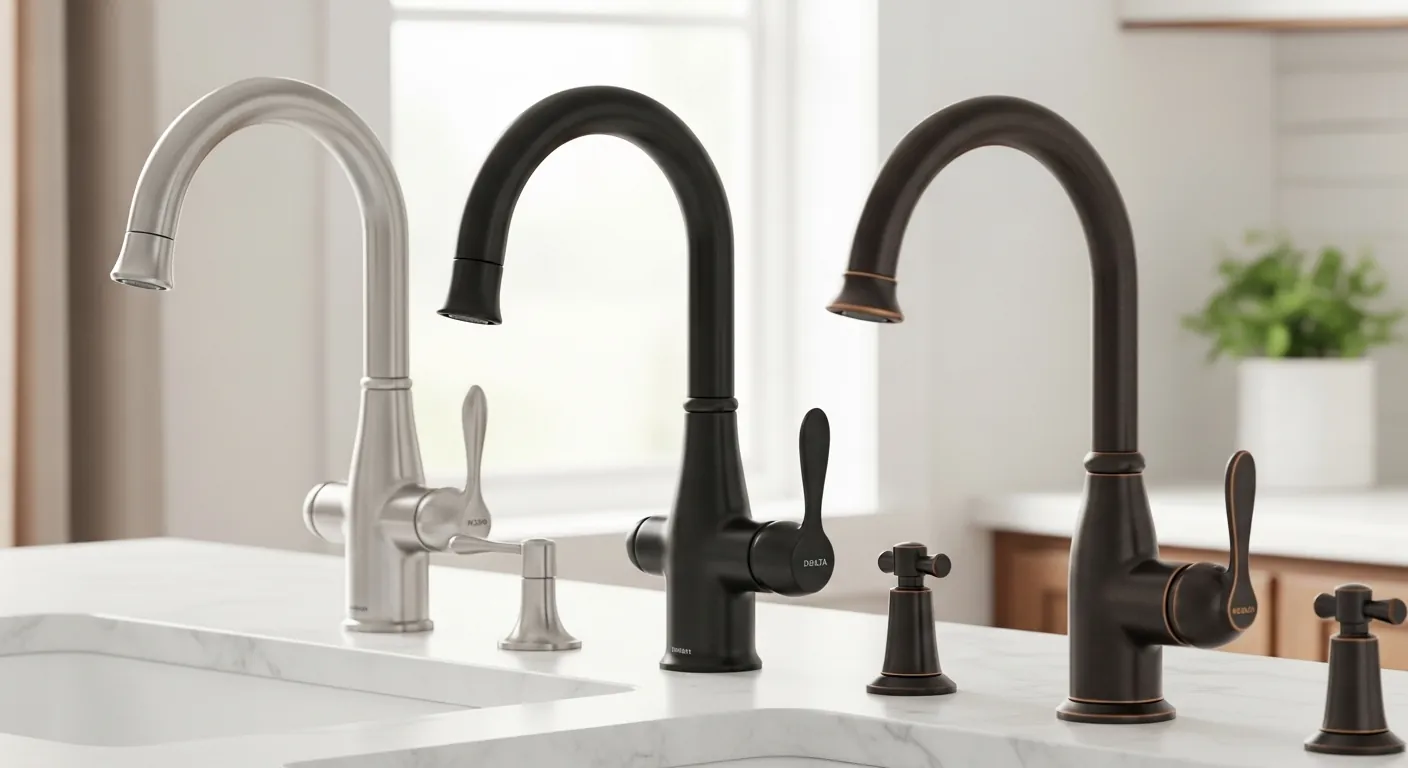
Deciding between these two brands often comes down to the internal valve technology and the availability of replacement parts. Both companies provide solid brass options, but their mechanical approaches differ significantly.
| Method | How long | Effort | Cost | Best for |
|---|---|---|---|---|
| Kohler | N/A | N/A | High | Designer aesthetic |
| Delta | N/A | Low | Medium | DIY repair |
| Generic | N/A | Medium | Low | Temporary use |
Delta designs most of its faucets with Diamond Seal Technology, which uses a diamond-coated ceramic disc to reduce wear. Kohler often uses custom ceramic disc valves that feel smoother but can be harder to source at local hardware stores.
If you value a quick fix, choose the brand that stocks universal cartridges at your nearest big-box store. Delta models typically accept standard aftermarket parts, allowing you to complete a repair in under an hour for a very modest cost. Conversely, if you select a high-end Kohler fixture, you must often order proprietary seals directly from the manufacturer. Failing to verify local part availability before installation can leave your sink unusable for days while waiting for shipping.
Distinguish your needs by the frequency of use. In a high-traffic kitchen, prioritize the ease of maintenance found in Delta’s widespread parts network. In a guest bathroom used only occasionally, the premium finish and tactile weight of a Kohler faucet justify the longer lead times for specialized components. Always check the official product specifications for your specific model to confirm warranty coverage, as some premium finishes carry shorter protection periods than the underlying mechanical valves.
Choosing Kohler for Style
Kohler faucets are often selected for projects where the aesthetic of the room is the main priority. They offer a massive catalog of finishes, from vibrant brushed gold to oil-rubbed bronze, that feel heavy and premium in the hand. These faucets are ideal for homeowners who want their bathroom to look like a high-end showroom.
If you’re choosing based on style, check the underside of the faucet body for a stamped serial number before purchasing. This code allows you to confirm if the finish is a physical vapor deposition (PVD) coating. PVD finishes resist tarnishing and scratching significantly better than standard electroplated options, making them the superior choice for high-traffic guest baths.
However, the weakness of this brand is that proprietary parts can be expensive and sometimes require an order from a specialty plumbing supplier if your model is older. A common mistake is assuming that universal replacement cartridges will fit a Kohler valve. They rarely do. Using a generic part often leads to a slow, persistent drip that can damage the internal valve seat over time.
If you’re replacing an older unit, verify the valve type first. If your faucet uses a ceramic disc valve, you can usually repair it with a simple washer kit. If it utilizes the older compression-style stem, the entire valve body may need replacement if the seat is pitted. Always keep the original installation manual in a kitchen drawer; it contains the specific part numbers required to avoid ordering the wrong internal components during an emergency repair.
Choosing Delta for Maintenance
Delta is the industry standard for people who want a faucet that lasts for many years without needing professional help. Their designs are built for the average person to maintain, often using a standard cartridge system that’s easy to swap.
- Close the shut-off valves and open the faucet handle to release trapped pressure.
- Remove the handle screw, usually hidden under a small decorative cap, using an Allen wrench.
- Unscrew the bonnet nut to expose the internal cartridge.
- Pull out the old cartridge and replace it with a new one, ensuring the seals are seated correctly.
The main benefit here is the ease of finding parts at any local home improvement store. You can identify the correct replacement by checking the model number etched on the supply line tag, which saves you from guessing at the shelf.
If you aren’t comfortable working with plumbing tools, you should hire a licensed plumber. A common mistake is overtightening the bonnet nut, which often cracks the plastic housing and leads to a persistent drip. Hand-tighten the nut first, then use a wrench for only a quarter-turn more.
The complexity of your home’s water pressure dictates the lifespan of your seals. If your gauge reads above 80 PSI, you must install a pressure-reducing valve to prevent premature leaks, regardless of the brand. If you notice a high-pitched whistling sound when the water runs, check the aerator for debris or mineral buildup.
Evaluating Value and Performance
When you’re in a hurry, Delta is the winner because you can find replacement parts at any local store. If you’re doing this for the first time, Delta is also easier to manage because their manuals are very clear and parts are standardized. If you want the best possible result whatever it takes, Kohler is the superior choice for high-end homes where the faucet is a central design piece.
The trade-off is clear: you’re paying for either convenience or luxury. If you choose a brand based only on the lowest price, you’ll likely spend more on repairs in the long run. Always check the specific warranty for the finish, as some matte black or brushed gold coatings are more prone to scratching than standard chrome.
Look for the “lifetime limited” badge on the box, but verify if it covers the cartridge or just the metal housing. A cartridge failure is the most common issue, and if it isn’t covered, you face an inexpensive replacement cost every few years.
If your water supply is hard, avoid high-gloss finishes that show mineral deposits instantly. Instead, opt for brushed nickel or stainless steel, which hide water spots far better. If you have low water pressure, check the flow rate in gallons per minute. A standard 1.5 GPM faucet is fine for most, but if you have deep basins, look for 2.2 GPM models to ensure adequate coverage.
Standards for Faucet Installation

Regardless of the brand you pick, you must ensure your plumbing meets local building codes. Most regions require faucets to comply with specific flow rates to save water, which are often listed on the packaging. Aim for a maximum flow of 1.5 gallons per minute to satisfy current environmental standards in most jurisdictions.
Prepare your workspace by clearing out the cabinet underneath the sink and placing a bucket to catch any leftover water. Check the connections partway through the installation by turning the water on slowly and watching for small leaks around the base.
If you find a leak, don’t over-tighten the nuts, as this can crack the sink or damage the faucet housing. A firm, hand-tightened grip followed by a quarter-turn with a wrench is usually sufficient to seat the gasket without causing structural failure.
If you have never installed a faucet before, watch a video from the manufacturer to see how the specific mounting hardware fits your sink. If your existing supply lines are rigid copper rather than flexible braided steel, avoid bending them to fit the new unit. Forcing these lines often causes hidden pinhole leaks that only appear once the cabinet is closed.
If the project involves soldering new pipes or moving supply lines, this stops being a do-it-yourself job. You should contact a licensed plumber to avoid water damage or a violation of your home insurance policy. If you encounter corroded shut-off valves that refuse to turn, stop immediately and hire a professional to replace the main supply stop before proceeding.
Related guides
- Polaris vs Pentair Cleaner: Which Brand Wins for Your Pool in 2026
- Best Power Station for Home in 2026
- Kohler Cachet Nightlight Soft Review in 2026
Frequently asked questions
Can I fix a dripping faucet myself?
Yes, you can fix most drips by replacing the internal cartridge or O-rings. If you have a Delta faucet, you can usually find a replacement cartridge at any hardware store. For a Kohler, you might need to identify the exact model number to order the correct part from their website. If the leak persists after changing the cartridge, the faucet body itself may be worn out and require a full replacement.
How long should a new faucet last?
A high-quality faucet should last for many years with proper care. The lifespan depends on your local water quality, as hard water with high mineral content can clog valves and damage finishes faster. If you live in an area with very hard water, you should wipe the faucet dry after every use to prevent mineral buildup and extend the life of the finish.
Is it safe to install a faucet without a plumber?
Yes, it’s safe to install a faucet yourself if the existing supply lines are in good condition. You must ensure the water is turned off completely before you start to avoid flooding your home. If the pipes under your sink are corroded or leaking, you should stop and call a professional plumber to handle the repair before installing the new unit.
What happens if I use the wrong parts?
If you use the wrong parts, the faucet will likely leak or fail to shut off completely. Using generic parts that don’t match the brand specifications can void the manufacturer’s warranty. Always compare the old part to the new one before installing it to ensure the shape, size, and seal placement are identical.
How much does a professional installation cost?
The cost of professional installation varies by your location and the complexity of the sink setup. You should expect to pay for one to two hours of labor at your local plumber’s standard hourly rate. Some plumbers charge more if they have to remove a difficult, rusted-in faucet or modify the plumbing under the cabinet to fit a new design.
Why is my faucet flow so low?
Low flow is usually caused by a clogged aerator at the tip of the faucet spout. You can unscrew the aerator and soak it in white vinegar to dissolve mineral deposits. If the flow remains low after cleaning, the issue may be inside the valve cartridge or a kinked supply line.
Conclusion
Ultimately, your decision comes down to what matters most for your daily routine. Don’t rush the process; visit a local showroom to feel the handles and see the finishes in person. You’ll find it’s much easier to choose once you’ve experienced how they look and function in your own space.