
Choosing between a magnesium vs aluminum anode rod depends primarily on your local water chemistry, as magnesium is the best choice for soft to moderately hard water while aluminum is more effective for hard or mineral-heavy water. If you live in an area with very soft water, magnesium is usually the better pick because it protects the tank without reacting too aggressively. However, if your water is hard and prone to causing a sulfur-like odor, aluminum is often the superior choice to prevent that chemical reaction.
Comparing Anode Rod Materials
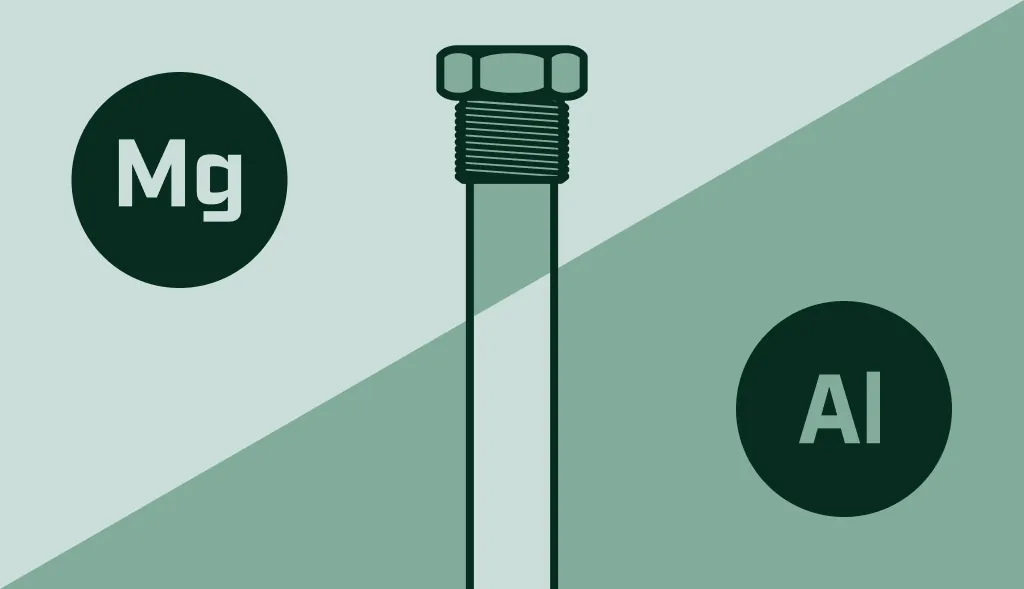
Understanding which rod suits your home starts with looking at how these materials handle different water conditions. The following table breaks down the main differences you should consider before making a purchase for your water heater.
| Method | How long | Effort | Cost | Best for |
|---|---|---|---|---|
| Magnesium | Low | Medium | Soft/Neutral water | |
| Aluminum | Low | Low | Hard/Mineral water | |
| Zinc/Aluminum | Low | Medium | Odor-prone water |
If your water has a high mineral content, aluminum is the standard choice because it’s less reactive. For those who prefer a more natural mineral profile in their water, magnesium is often favored because it’s a naturally occurring element.
Always check your local water quality report to see what minerals are present in your supply. If you ignore your water type and pick the wrong rod, you might find your water heater develops a bad smell or the rod dissolves much faster than expected.
Using a Magnesium Anode Rod
Magnesium rods provide superior protection in soft water by sacrificing themselves to prevent tank corrosion. Because magnesium is highly reactive, it creates a robust electrical current that shields the steel lining more effectively than aluminum alternatives.
Turn off the power or gas supply to your water heater before starting. Shut off the cold water inlet valve and open a nearby hot water tap to relieve internal pressure. Use a 1 1/16-inch socket to break the seal on the old rod. Apply plumber’s tape to the threads of the new rod to ensure a watertight seal, then tighten it firmly.
If your water is highly acidic or has a pH below 6.5, magnesium will dissolve prematurely. In these harsh conditions, check the rod based on your usage and consult the owner’s manual for specific guidance; if the steel core is exposed, replace it immediately to prevent tank failure.
Avoid magnesium if your water contains high levels of sulfates. These minerals react with the rod to produce hydrogen sulfide gas, resulting in a persistent “rotten egg” odor. If this smell appears, switch to a powered anode or an aluminum-zinc alloy rod. While magnesium is the safest choice for those concerned about aluminum ingestion, it isn’t a universal solution for every water chemistry.
Using an Aluminum Anode Rod
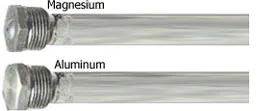
Aluminum rods provide a more stable protection level for homes with hard water. They’re less reactive than magnesium, which helps them last longer in aggressive water environments.
Ensure all heat sources to the water heater are disconnected before starting. Drain a small amount of water from the tank to prevent a mess during removal. Use a 1-1/16 inch socket and a breaker bar for the leverage required to break the factory-tightened seal. Wrap the threads of the new rod with Teflon tape to prevent leaks. Install the rod into the tank opening and turn the water supply back on to refill.
These rods are a budget-friendly solution, but they aren’t universal. If your water has a high pH level above 8.0, aluminum can become unstable and corrode too quickly. In these cases, stick to magnesium to avoid premature tank failure.
The main weakness is that aluminum can react with certain water conditions to create white flakes or sediment at the bottom of your tank. If you see white particles in your sink aerators, it’s a sign that your rod is doing its job but may need a flush of the tank.
Neglecting this buildup creates an insulating layer that forces your heating elements to work harder, eventually leading to a higher utility bill and a shorter lifespan for the unit itself.
Using a Zinc/Aluminum Alloy Rod
Zinc-aluminum alloy rods are a hybrid option designed to stop the growth of sulfate-reducing bacteria in your water heater. These bacteria are the primary cause of the sulfur smell in residential hot water.
Confirm the smell originates only from the hot water by running the cold tap for two minutes. If the odor vanishes, the bacteria are isolated within the tank. If the smell persists in cold water, the issue lies in your well or municipal supply, and a rod won’t solve it.
Drain the tank entirely to remove the existing bacteria buildup. Replace your current rod with a zinc-aluminum alloy version using a 1 1/16-inch socket. Refill the tank and run the hot water for 10 minutes to flush the system.
This material is the best choice if you have already tried other rods and still face odor issues. The zinc acts as a natural antimicrobial agent. However, these rods sacrifice some sacrificial longevity compared to pure magnesium, meaning you should inspect them periodically rather than on a fixed schedule.
The downside is that these rods are harder to find at local hardware stores. If you aren’t comfortable working with plumbing, hire a licensed professional to avoid stripping your tank threads, which often costs more than the heater itself.
Picking the Right Material
When you’re in a hurry, choose the material that matches what is currently in your tank to avoid complex changes. For those doing this for the first time, magnesium is often the safest bet because it’s easier to bend if you have limited ceiling clearance above your water heater. If you want the best possible result regardless of the effort, a zinc-aluminum alloy is the gold standard for preventing both tank corrosion and sulfur-related odors.
The trade-off is simple: magnesium offers better protection for your tank but may cause odors in some water, while aluminum lasts longer in hard water but may produce sediment. If you’re unsure about your water quality, you can buy a simple test kit to check the pH levels. A pH below 7 means your water is acidic and will eat through any rod faster than normal.
If your water smells like rotten eggs, avoid magnesium rods entirely. Sulfur-reducing bacteria in your tank react with sulfates in the water to create hydrogen sulfide gas, which can be exacerbated by the presence of magnesium. In this case, switch to an aluminum-zinc alloy to neutralize the smell.
Check your water softener before choosing. If you use a salt-based softener, the increased conductivity of the water will accelerate the depletion of your anode rod. You should inspect the rod based on your usage and the owner’s manual rather than a fixed schedule to prevent premature tank failure.
Rules for Anode Rod Maintenance
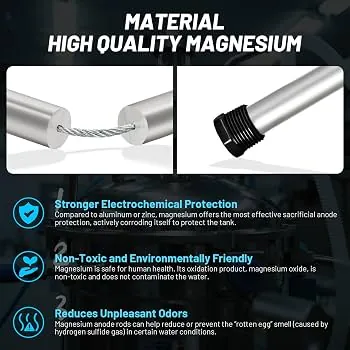
Regardless of the material you choose, checking your rod based on your usage and the owner’s manual is the best way to extend the life of your water heater. Before you start, always ensure you have a dedicated 1-1/16 inch anode socket, as standard wrenches often lack the grip required to break the factory-tightened seal and will strip the hex head.
Always check the rod halfway through its expected life. If more than 6 inches of the steel core wire is exposed, the sacrificial metal has depleted and it’s time to replace it. If the rod is coated in a thick, jelly-like sediment, you have high-sulfur water; switch to an aluminum-zinc alloy rod to stop the rotten-egg odor.
If you lack the tools or have a tank still under warranty, consult your manual before starting. Many manufacturers require proof of professional maintenance to honor claims. If you find the rod is fused to the tank, don’t force it. Applying excessive torque can crack the glass lining, which permanently ruins the tank.
Frequently asked questions
How often should I check my anode rod?
You should check your anode rod every 2 to 3 years. This allows you to see how much of the metal has been consumed by the water. If you live in an area with very hard water, check it every 2 years to ensure the rod hasn’t completely dissolved, which would leave your tank unprotected against rust and leaks.
Can I replace an anode rod myself?
Yes, you can replace an anode rod yourself if you have basic hand tools like a socket wrench and plumber’s tape. The process is straightforward, but it requires caution when dealing with high-pressure water systems. If you find the rod is stuck or the threads are rusted, don’t force it, as you could damage the tank, which would then require a professional plumber to repair.
How long does an aluminum anode rod last?
An aluminum anode rod has a variable lifespan. The exact duration depends on the mineral content of your water and how much hot water your household uses daily. If you have a water softener installed, the rod will likely dissolve faster because softened water is more aggressive, so you should inspect it periodically.
Is it safe to use an aluminum anode rod?
Yes, it’s safe to use an aluminum anode rod for your water heater. While some people worry about aluminum in their water, the amount that leaches from an anode rod is minimal and meant for the tank, not for drinking. If you remain concerned, you can switch to a magnesium rod, which is a naturally occurring mineral often found in dietary supplements.
What happens if I don’t replace the anode rod?
If you don’t replace the anode rod, your water heater tank will begin to corrode from the inside out. Once the sacrificial rod is gone, the water will attack the steel walls of the tank, eventually leading to a leak. Replacing the rod is significantly cheaper than replacing an entire water heater unit once it starts leaking in your home.
How do I know if I need a new anode rod?
Replace your anode rod if you see rust-colored water, hear strange noises, or notice a bad smell. If the metal is mostly gone or the central steel wire is exposed, the rod is no longer protecting your tank. Replacing it prevents further damage to the internal lining.
Conclusion
If you’re still unsure about your water quality, grab a simple testing kit from the local hardware store to check your levels. It’s a quick way to see what’s really in your pipes. Once you’ve got those results, you’ll feel much more confident about picking the right rod for your home.