
Maintaining a private water well or a swimming pool requires a precise balance of chemistry to ensure safety and clarity. When dealing with bacterial contamination or cloudy water, you’ll often find yourself weighing the merits of shock chlorination vs continuous chlorination to restore your system to a healthy state. Shock chlorination involves a massive, one-time dose of chlorine designed to kill off concentrated pathogen colonies, while continuous chlorination provides a steady, low-level feed of disinfectant to maintain a residual barrier against new contaminants. The initial costs for these interventions vary significantly depending on the volume of your system; for a residential well, a shock treatment typically ranges from $150 to $450, while the hardware for a continuous chlorination system usually costs between $600 and $2,200.
Key Takeaways
- Use shock treatment as a reactive, emergency measure to eliminate sudden bacterial blooms or after well repairs.
- Implement continuous chlorination if your water source has recurring contamination issues that can’t be solved by wellhead protection.
- Always test for total and free chlorine levels before resuming normal water usage after a shock process.
- Ensure your plumbing materials are compatible with high-concentration chlorine to prevent pipe corrosion or seal degradation.
- Consult a professional if your water test results show persistent coliform bacteria despite repeated shock treatments.
The Purpose of Shock Chlorination
Shock chlorination, often called super-chlorination, is a “reset button” for your water system. It isn’t intended for daily use but is instead a specialized response to specific events.
By raising the chlorine concentration to a level significantly higher than what is safe for consumption, you effectively sterilize the interior surfaces of your pipes, the pump, and the well casing. This process is essential when you have received positive lab results for total coliform bacteria or after performing maintenance on a submerged pump or pressure tank.
Pathogen eradication is the primary goal here. When bacteria form a biofilm inside your plumbing, a standard low-level chlorine dose often fails to penetrate the protective slime layer. The high-intensity dose used in shock chlorination permeates these layers, oxidizing organic matter and killing the underlying colonies. It’s a harsh, aggressive chemical intervention that requires the system to be taken offline for several hours, usually overnight, to ensure the chlorine has sufficient contact time to do its work.
Understanding Continuous Chlorination Systems
Continuous chlorination acts as a constant guard for your household water supply. Unlike the “shock and wait” approach, this method uses a chemical feed pump, such as those manufactured by Stenner or Pulsafeeder, to inject a precise amount of chlorine solution into your water line as it enters your home. This ensures that every drop of water used for showering, cooking, or drinking has been treated.
Residual protection is the main advantage of this setup. Because the chlorine remains present in your water distribution system, it prevents bacteria from re-colonizing the pipes after the water has passed the initial filtration stage. This is particularly useful for wells that are prone to environmental contamination, such as those located near agricultural runoff or areas with high groundwater movement. The Centers for Disease Control and Prevention guidelines on well water safety emphasize that continuous disinfection is a reliable way to manage persistent contamination risks in private well systems.
Comparing Treatment Methods
Choosing the right approach depends on the frequency of the contamination and the specific contaminants found in your water supply. Use the following comparison table to evaluate which strategy aligns with your current water quality needs.
| Feature | Shock Chlorination | Continuous Chlorination |
|---|---|---|
| Frequency | Reactive/One-time | Daily/Ongoing |
| Equipment | Minimal (bucket/hose) | High (pump/tank/meter) |
| Maintenance | Periodic testing | Weekly chemical refills |
| Skill Level | Intermediate | Professional installation recommended |
| Primary Goal | Emergency sterilization | Sustained safety barrier |
How to Perform Shock Chlorination
If you have decided to shock your well, safety must be your top priority. You’re working with high-strength chemicals that can cause skin irritation and respiratory distress if mishandled. Ensure you’re wearing protective eyewear and gloves at all times.
- Calculate System Volume: Determine the amount of water in your well casing to calculate the required volume of chlorine.
- Mix the Solution: Use standard, unscented household bleach or high-test calcium hypochlorite tablets.
- Circulate the Water: Pour the solution into the well and circulate the water back into the well casing using a garden hose to ensure the entire column is treated.
- Flush the Pipes: Open every faucet in the house until you smell chlorine, then close them to let the solution sit for 12 to 24 hours.
- Dechlorinate: Flush the system until the chlorine odor is gone before returning to regular use.
Chemical safety is paramount during this process. Never mix chlorine with other cleaning agents, such as ammonia or acids, as this can create toxic gases. Always work in a well-ventilated area and ensure that any pets or children are kept well away from the wellhead and the discharge area where you’re flushing the water.
Maintenance for Continuous Systems
Continuous chlorination systems are not “set it and forget it” devices. They require consistent oversight to function correctly. If the feed pump runs dry or the chlorine solution tank is empty, you lose your protection instantly. You must check the solution level weekly and ensure the injection point is clear of mineral buildup.
- Pump Calibration: Adjust the stroke rate based on water flow rates to maintain the correct parts per million (ppm) of free chlorine.
- Solution Strength: Use a fresh supply of liquid chlorine, such as brands like HTH or Clorox, stored in a cool, dark place to maintain potency.
- Filter Changes: Replace sediment filters regularly, as chlorine can cause oxidized minerals to precipitate out of the water, clogging your downstream filters.
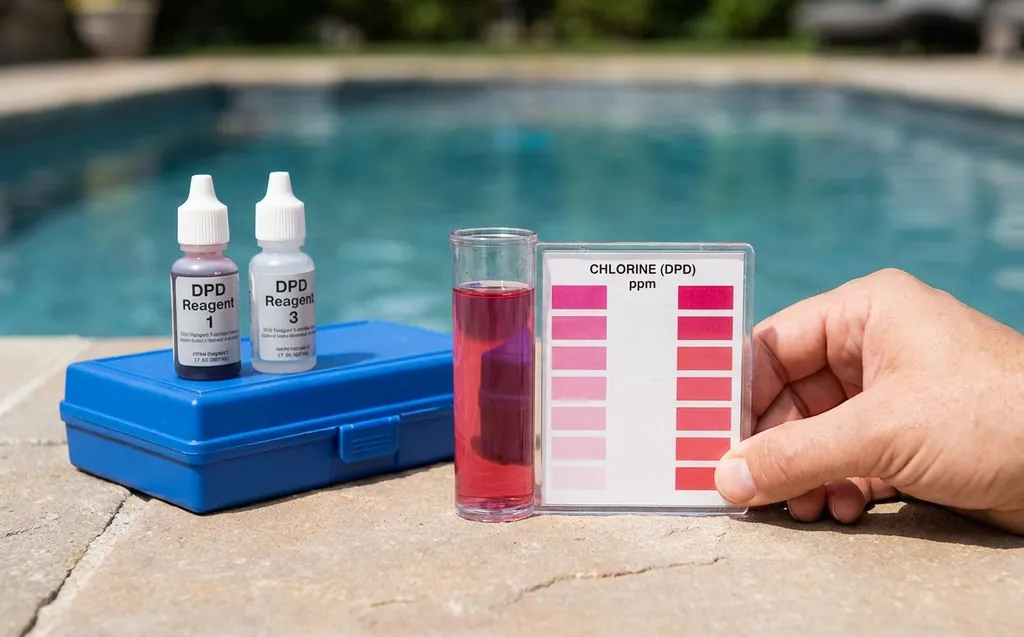
Pro Tip: Calibration checks should be performed monthly using a DPD test kit to confirm that you’re maintaining a free chlorine residual of 0.2 to 0.5 ppm at the furthest faucet in your home.
When Is Shocking Not Enough?
Sometimes, shocking a well is like putting a bandage on a deep wound. If your test results return positive for coliform bacteria within a month of a successful shock, you likely have a structural issue with your well. This could include a cracked well casing, a faulty well cap, or surface water infiltration that’s constantly re-introducing bacteria into your supply.
Structural integrity must be investigated if repeat shocking fails. A professional well technician can use a down-hole camera to inspect the casing for fissures or gaps. If the source of the contamination is external—such as a leaking septic system nearby—no amount of chlorination will solve the problem permanently. In these cases, you must focus on source control or consider a more robust treatment system, such as ultraviolet (UV) light disinfection combined with a sediment filter.
Essential Equipment and Supplies
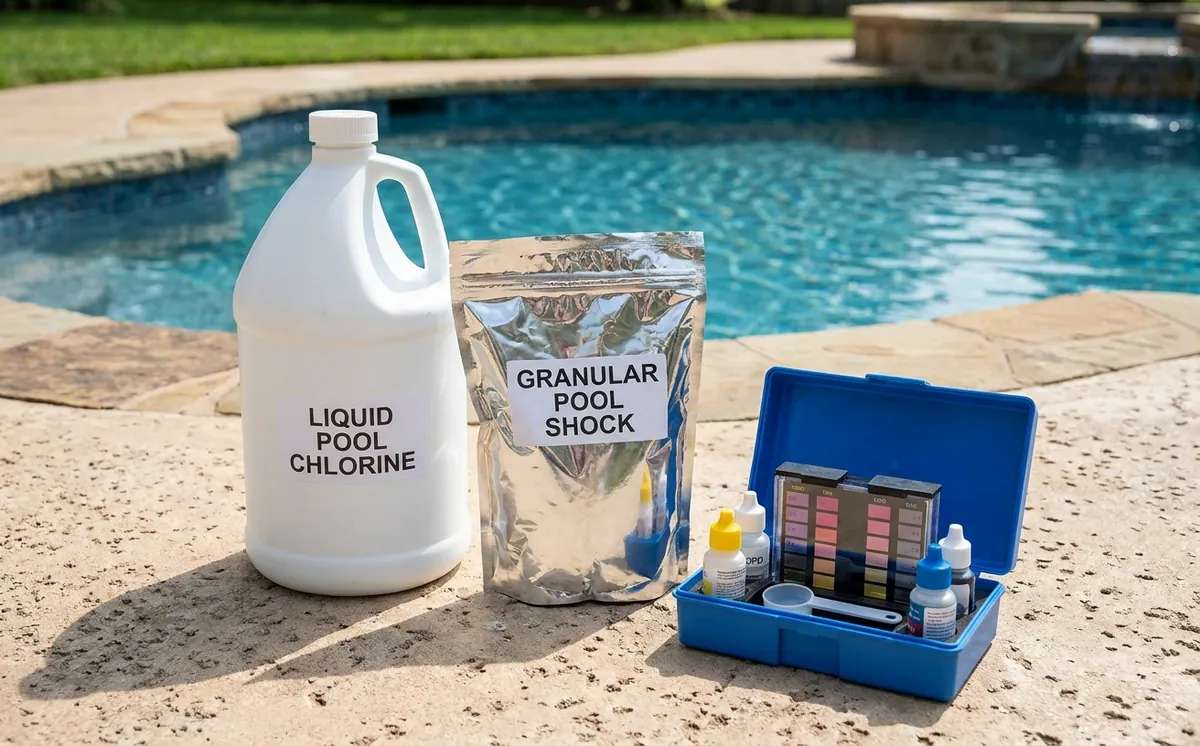
Whether you’re shocking your system or installing a permanent feed system, you’ll need specific tools. Don’t substitute these with industrial-grade chemicals meant for swimming pools unless they’re labeled as NSF/ANSI 60 certified for drinking water.
- Testing Kits: Taylor Technologies or Lamotte DPD test kits for accurate chlorine measurement.
- Injection Pumps: Stenner Classic Series pumps for reliable, adjustable delivery.
- Storage Tanks: Polyethylene solution tanks, typically 15 to 30 gallons.
- Safety Gear: Nitrile gloves, splash-resistant goggles, and a chemical-resistant apron.
Warning: Corrosion risks are significantly higher with continuous chlorination. Over-chlorinating can lead to the leaching of heavy metals like copper and lead from your home’s plumbing, especially if your water has a low pH. Always monitor your water’s pH balance alongside your chlorine levels to prevent long-term damage to your copper pipes and fixtures.
Troubleshooting Common Issues
If you encounter problems during the chlorination process, address them methodically to avoid wasting time or damaging your equipment. The most common issues involve sensor errors, pump failure, or chemical exhaustion.
| Problem | Likely Cause | Solution |
|---|---|---|
| No chlorine smell at tap | Empty solution tank | Refill tank and prime pump |
| Pump is noisy | Air lock in suction line | Prime the pump and check fittings |
| Chlorine levels too high | Pump set too high | Lower stroke rate and re-test |
| Water is cloudy | High iron/manganese oxidation | Increase pre-filtration before injection |
Choosing Between the Two Methods
The decision between shock and continuous chlorination is fundamentally a choice between emergency remediation and long-term risk management. If your water quality is generally high but you had a one-off issue—perhaps due to a power outage or a minor pump repair—a single shock treatment is likely sufficient. It’s cost-effective and requires no permanent installation of complex machinery.
However, if you live in an area with known groundwater issues, or if your well is old and susceptible to surface seepage, continuous chlorination is the superior choice. While the upfront investment is higher, the peace of mind provided by a constant disinfectant barrier is invaluable. You’re essentially paying for a private water treatment plant that ensures your household water meets modern health standards every time you turn on the tap.
Related guides
- Taylor K-2006 vs K-2005: Key Differences and Which to Buy in 2026
- Taylor TF 100 vs TF Pro: Which Test Kit Is Right for You in 2026
Frequently Asked Questions
Can I drink the water during shock chlorination?
No. You should never consume water during the shock chlorination process. The concentration of chlorine required to disinfect the system is far above safe drinking levels and can cause severe gastrointestinal distress and chemical burns to your mouth and throat. Disconnect your ice maker, refrain from using water for cooking, and provide an alternative, safe water source for your family and pets until the system is fully flushed.
How often should I test my water?
If you’re using continuous chlorination, you should test your free chlorine residual at least once a week to ensure the system is working. Regardless of your treatment method, you should have your water professionally tested for bacteria at least once every year, or whenever you notice a change in the taste, odor, or appearance of your water. Always use a state-certified laboratory for these tests.
Does continuous chlorination remove other contaminants?
Continuous chlorination effectively kills bacteria, viruses, and some protozoa, but it doesn’t remove heavy metals, pesticides, herbicides, or nitrates. In many cases, it may actually facilitate the removal of iron and manganese by oxidizing them into a solid form, which is then caught by a downstream sediment filter. If you have chemical contaminants, you’ll need additional treatment stages like activated carbon or reverse osmosis.
What is the difference between free and total chlorine?
Free chlorine is the active, uncombined form of chlorine that’s available to disinfect your water. Total chlorine is the sum of free chlorine and combined chlorine (chloramines). Chloramines are formed when chlorine reacts with organic matter and are much less effective at killing bacteria. You should always aim to measure the free chlorine residual, as this is the only part of the chlorine that’s actively protecting your home.
Will chlorine damage my septic system?
Small, controlled amounts of chlorinated water from a continuous system generally don’t harm a healthy, well-maintained septic system. However, dumping a massive amount of highly concentrated chlorine during a shock treatment can kill the beneficial bacteria in your septic tank, temporarily disrupting its function. To mitigate this, avoid doing large loads of laundry or heavy cleaning that flushes large volumes of water through the system during a shock event.
Conclusion
By evaluating the specific needs of your well and the frequency of your water quality issues, you can implement a disinfection strategy that keeps your household water safe and potable. If you’re currently facing a bacterial contamination issue, start by conducting a comprehensive water test to identify the specific nature of the problem before proceeding with a shock treatment or installing a permanent continuous chlorination system.