
The decision between the Taylor K-2006 and K-2005 often hinges on specific testing needs, with typical replacement costs ranging from $180 to $240 for the complete kit depending on retailer and included accessories. While both models serve as the gold standard for residential pool maintenance, they represent different generations of technology and component quality that significantly impact long-term reliability and ease of use. Understanding the nuances between these two popular titration kits is essential for any homeowner seeking accurate water chemistry data without overspending on unnecessary features or settling for outdated components. This guide breaks down the mechanical differences, reagent compatibility, and practical applications to help you select the right tool for your pool care routine.
Key Takeaways
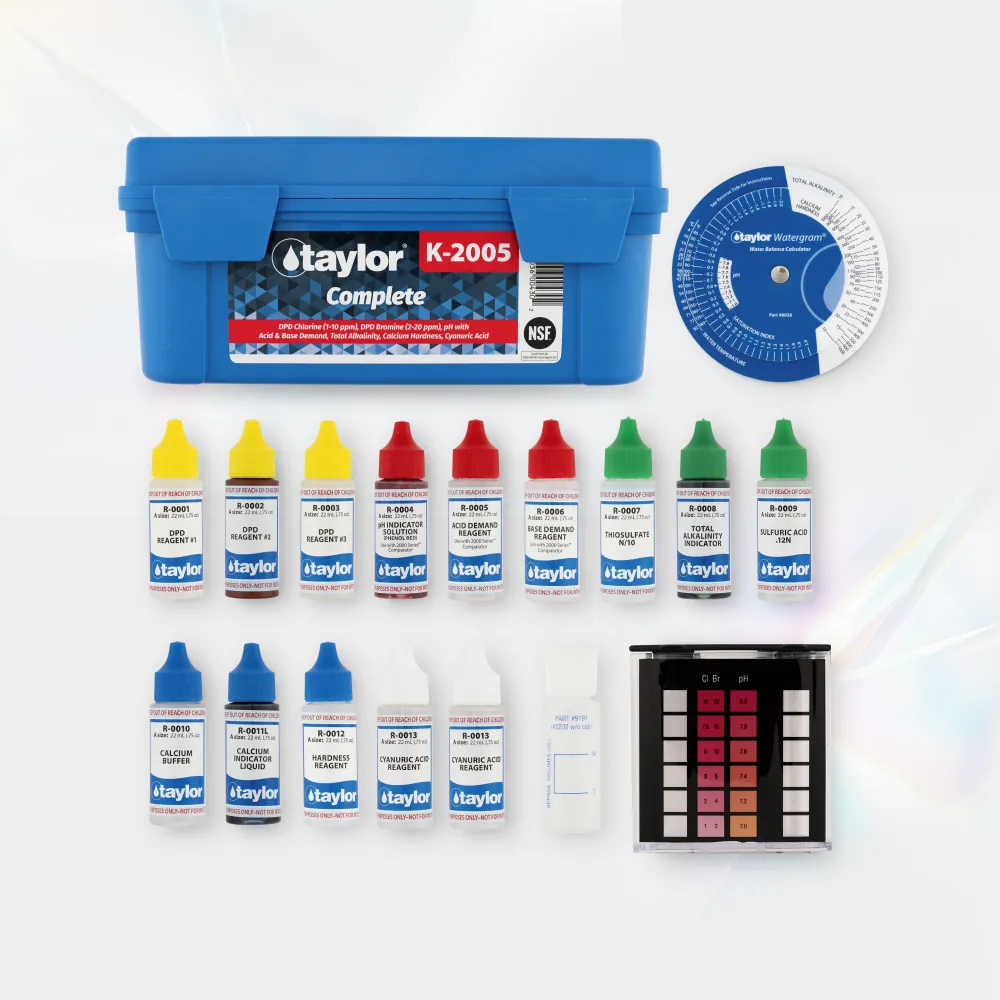
- The K-2006 includes an FAS-DPD chlorine test capable of detecting levels up to 5 ppm, whereas the K-2005 stops at lower concentrations requiring more dilution steps.
- Reagent bottles in the newer K-2006 feature improved dropper tips that reduce air bubbles and ensure consistent drop sizes for better accuracy.
- Both kits utilize the same core titration method, but the K-2006 offers a more durable comparator block designed to resist fading from UV exposure over time.
- If you maintain a saltwater pool, the FAS-DPD capability of the K-2006 is mandatory, while the K-2005 can’t accurately measure high chlorine levels found in such systems.
- Replacement reagents are generally interchangeable between models, though you must verify the expiration date on each bottle before starting any test.
- The K-2005 remains a cost-effective option for simple freshwater pools where chlorine levels rarely exceed 3 ppm.
What Are The Main Differences?
The primary distinction lies in the testing range and the specific chemical reactions supported by each model. The Taylor K-2006 was engineered to address the limitations of earlier kits, specifically regarding the measurement of combined chlorine and high free chlorine levels common in modern sanitation systems.
It introduces the FAS-DPD (Ferrous Ammonium Sulfate – Diethyl-p-phenylene-diamine) method, which allows users to distinguish between free and total chlorine with greater precision. In contrast, the K-2005 relies heavily on the older DPD method for chlorine, which can be less accurate when dealing with high oxidant levels or when combined chlorine is present.
Chlorine Testing Capabilities
The ability to measure combined chlorine is a critical differentiator. Combined chlorine, often called chloramines, causes eye irritation and strong odors. The K-2006 allows you to test this directly using the FAS-DPD powder, providing a clear picture of water quality. The K-2005 requires a more complex calculation involving separate tests for free and total chlorine, increasing the margin for user error. For pool owners who struggle with persistent odor issues, the direct measurement capability of the newer unit is invaluable.
Reagent Bottle Design
Taylor Scientific updated the physical design of the reagent bottles in the K-2006 series. The new dropper tips are molded to deliver a more consistent drop size, which is crucial because titration relies on counting drops to determine concentration. Older K-2005 bottles sometimes suffered from inconsistent flow rates due to manufacturing variances or wear over time. This subtle change improves the overall reliability of results, ensuring that two different users get the same reading from the same water sample.
How Does The FAS-DPD Test Work?
The FAS-DPD test is the standout feature of the K-2006 and is absent in the standard K-2005 configuration. This method uses a titrant solution (R-0870) that reacts with chlorine to turn the water from pink to colorless.
Unlike the DPD method which changes from colorless to pink and then back to colorless based on a different endpoint, FAS-DPD provides a sharper transition point. This makes it easier for the human eye to detect the exact moment the reaction is complete, reducing the likelihood of overshooting the count.
Step-by-Step Procedure
To perform the FAS-DPD test, you add a specific amount of R-0871 powder to a water sample in the test cell. The water turns pink if chlorine is present. You then add drops of the R-0870 titrant one by one, swirling after each addition, until the pink color disappears completely. The number of drops equals the parts per million (ppm) of chlorine. This linear relationship simplifies the math compared to other methods.
Why Precision Matters
In saltwater pools or pools with shock treatments, chlorine levels can spike well above 5 ppm. The standard DPD test used in the K-2005 becomes unreliable at these higher concentrations, often requiring the user to dilute the water sample with distilled water before testing. This dilution step introduces potential errors if not calculated perfectly. The FAS-DPD method on the K-2006 handles these high ranges naturally without dilution, making it the superior choice for high-chlorine environments.
Comparing Taylor K-2006 vs K-2005 Durability
Both kits come with a plastic comparator block, but the materials and construction have evolved. The K-2006 utilizes a more robust polymer that resists cracking under stress and maintains its clarity longer when exposed to sunlight. The color wells in the K-2005 can sometimes develop micro-scratches or cloudiness over years of use, which interferes with the visual comparison of colors. A clear viewing path is essential for accurate color matching during pH and alkalinity tests.
Comparator Block Quality
The design of the color wheel in the K-2006 has also been refined. The printed color standards are more resistant to fading, ensuring that the reference colors remain true to the original calibration. Over time, UV light can bleach the plastic inserts in older models, leading to inaccurate readings where the user might mistake a pale yellow for a true green. Investing in the newer model ensures that the visual reference points remain reliable for the life of the kit.
Storage and Portability
The carrying case included with the K-2006 is slightly more structured, offering better protection for the glass test tubes and reagent bottles. The K-2005 case is functional but can feel flimsy if dropped frequently. For homeowners who store their kit in a garage or shed where temperature fluctuations occur, the sturdier construction of the K-2006 helps protect the sensitive chemicals inside from physical damage.
Which Kit Is Better For Saltwater Pools?
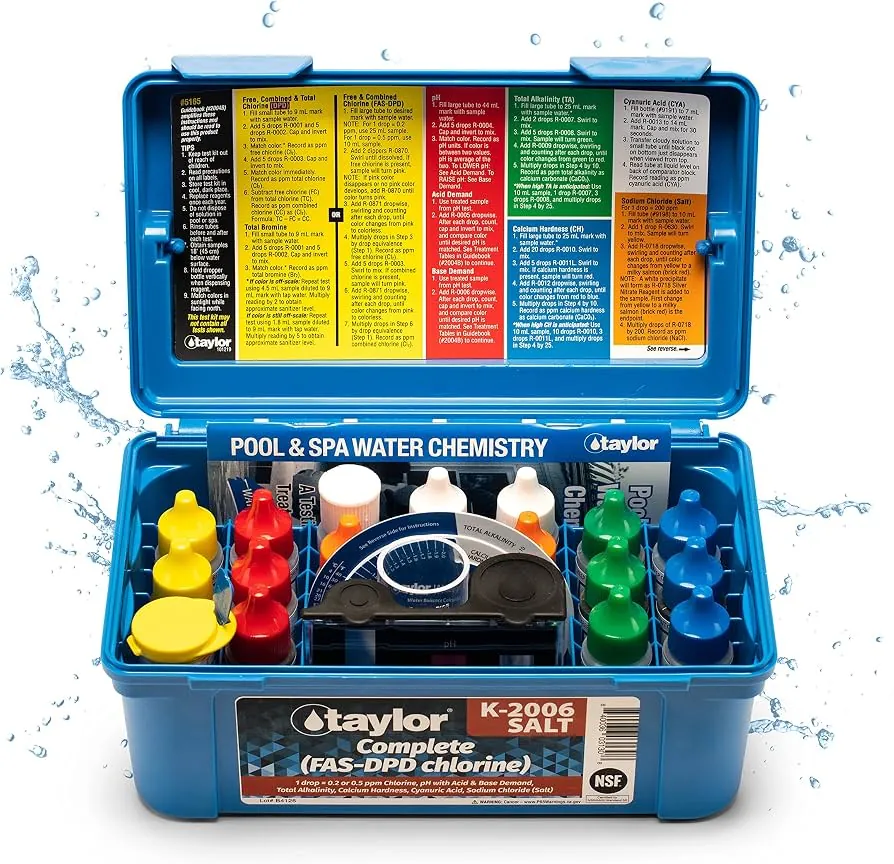
If you own a saltwater chlorine generator (SWG), the answer is unequivocally the K-2006. Saltwater systems often produce higher levels of free chlorine than traditional chlorine tablets, and they require precise monitoring to prevent corrosion of equipment or scaling on the salt cell. The K-2005 lacks the necessary range and the FAS-DPD chemistry to handle these conditions effectively. Using a K-2005 on a saltwater pool often leads to guesswork and improper chemical balancing.
High Range Requirements
Saltwater pools typically maintain a free chlorine level between 1.0 and 3.0 ppm, but during shock events or heavy usage, this can rise significantly. The K-2006 can measure up to 5.0 ppm directly, and even higher with simple dilution logic that’s easier to apply than the K-2005’s requirements. Furthermore, saltwater can interfere with the colorimetric readings of older DPD tests, causing false highs or lows that the FAS-DPD method mitigates.
Compatibility With Stabilizers
Many saltwater pools use cyanuric acid (stabilizer) to protect chlorine from UV degradation. High levels of stabilizer can mask chlorine readings in older test kits. The FAS-DPD test used in the K-2006 is less susceptible to interference from stabilizers, providing a truer reading of the active sanitizer available in the water. This makes the K-2006 an essential tool for maintaining the delicate balance required by saltwater systems.
Reagent Compatibility And Costs
One of the most common concerns for buyers is whether they need to buy entirely new reagents if they switch models. Fortunately, the vast majority of reagents used in the K-2005 and K-2006 are identical. The R-0003 (pH indicator), R-0009 (alkalinity titrant), and R-0010 (calcium hardness) are the same across both generations. However, the chlorine-specific reagents differ, particularly the R-0870 and R-0871 used for the FAS-DPD test.
Shared Reagents Table
| Reagent Code | Chemical Name | Used In K-2005 | Used In K-2006 | Function | | :— | :— | :— | :— :— | | R-0003 | Phenol Red | Yes | Yes | Tests pH levels | | R-0009 | Sulfuric Acid | Yes | Yes | Tests Total Alkalinity | | R-0010 | EDTA Solution | Yes | Yes | Tests Calcium Hardness | | R-0004 | Potassium Iodide | Yes | No | DPD Chlorine Test Only | | R-0870 | FAS Titran | No | Yes | FAS-DPD Chlorine Test | | R-0871 | DPD Powder | No | Yes | FAS-DPD Chlorine Test |
Cost Considerations
While the initial purchase price of the K-2006 is slightly higher, the long-term cost of ownership is comparable. You’ll eventually need to replace all reagents regardless of the model. Since the K-2006 offers more versatile testing capabilities, it reduces the need to purchase additional specialized kits for high-range testing. When budgeting, consider that a full set of replacements for either kit typically runs between $40 and $60 annually depending on pool size and usage frequency.
Troubleshooting Common Issues
Even with the best equipment, users occasionally encounter problems that skew their results. The most frequent issue is the “fading” of the pink color during a chlorine test, which can happen if the water contains high levels of manganese or bromine. Another common problem is the difficulty in seeing the color change in bright sunlight, which affects both models equally.
Dealing With Color Fading
If the pink color fades rapidly after adding the titrant, it indicates the presence of an oxidizing agent other than chlorine, or perhaps a very high pH. In the K-2006, you can add a drop of R-0007 (sodium thiosulfate) to stop the oxidation temporarily and get a stable reading. This troubleshooting step is unique to the capabilities of the newer kit and isn’t possible with the limited reagent set of the K-2005.
Sunlight Interference
Testing outdoors in direct sun can make the color wells hard to read. To mitigate this, always perform tests in the shade or use the lid of the carrying case to create a shadow over the comparator block. For the most accurate results, bring the sample inside or use a white background behind the test tube. This practice applies to both the K-2005 and K-2006, as neither is immune to optical illusions caused by glare.
Pro Tip: Always shake the reagent bottles vigorously for 10 seconds before use. Sediment can settle at the bottom, especially in liquid reagents like the alkalinity titrant, leading to inconsistent drop sizes and inaccurate counts.
Maintenance And Storage Best Practices
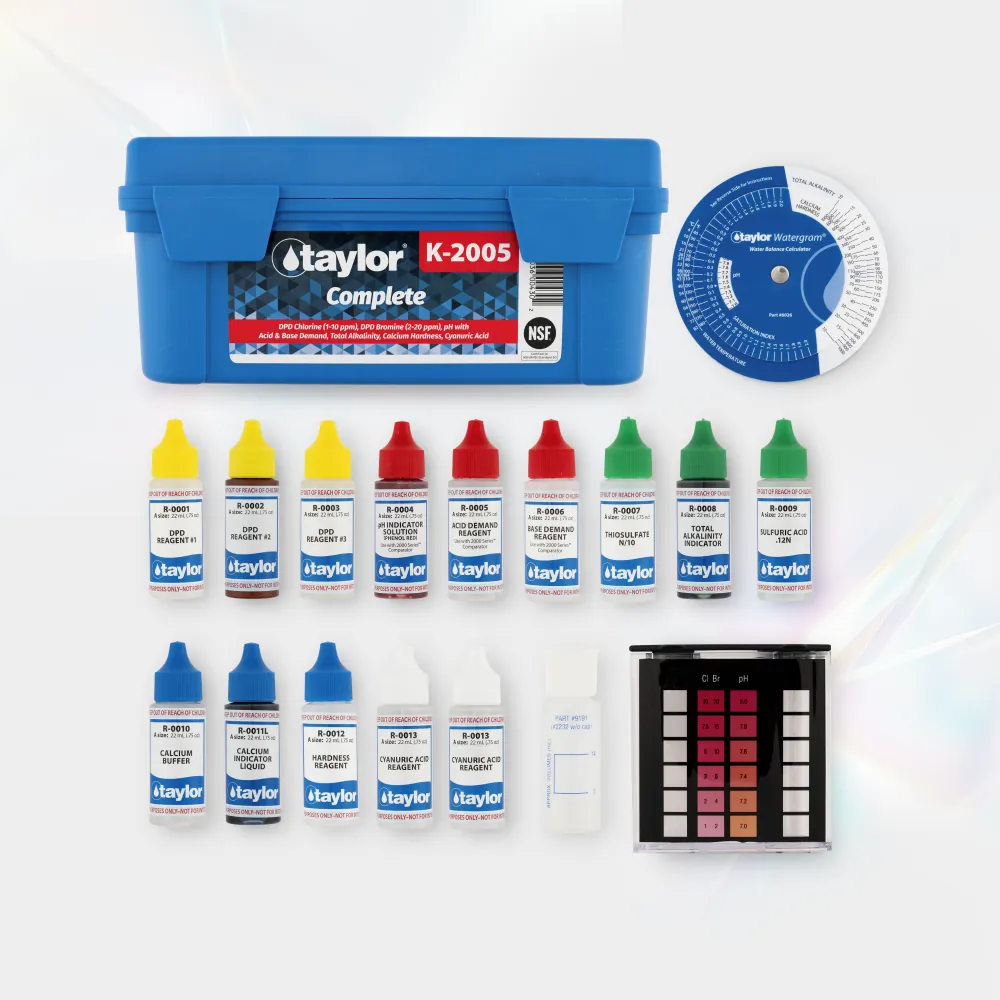
Proper storage extends the life of your reagents and ensures the accuracy of your tests. Reagents should be kept in a cool, dark place, ideally below 75°F (24°C). Exposure to heat accelerates the degradation of the chemicals, particularly the DPD powders which lose potency quickly in warm environments. The K-2006 case offers better insulation against temperature swings, but manual storage discipline is still required.
Expiration Dates
Check the expiration dates on every bottle upon receipt and periodically thereafter. Most liquid reagents last 12 to 18 months, while powders can last 24 months if sealed properly. Using expired reagents is a leading cause of inaccurate water analysis. If a reagent has changed color or texture before the expiration date, discard it immediately. The K-2006 packaging clearly labels these dates, making it easier to track inventory.
Cleaning The Comparator
Residue from previous tests can build up in the color wells, creating a film that distorts the view. Clean the comparator block weekly with mild soap and water, then rinse thoroughly with distilled water. Don’t use abrasive cleaners or scrubbers, as scratches will permanently ruin the viewing quality. A clean comparator block is just as important as fresh reagents for getting a correct reading.
Frequently Asked Questions
Can I use K-2005 reagents in a K-2006?
Most reagents are interchangeable, but the specific FAS-DPD reagents (R-0870 and R-0871) are only included in the K-2006. You can’t perform the advanced chlorine test with K-2005 reagents alone.
Which kit is better for small pools?
Both kits work for small pools, but the K-2006 is preferred if you use saltwater generators or shock treatments frequently due to its wider testing range and higher precision.
How often should I replace the reagents?
Replace liquid reagents every 12 months and powders every 24 months, or sooner if they show signs of discoloration, clumping, or expiration date passage.
Is the K-2006 worth the extra cost?
Yes, if you need to test for combined chlorine or maintain high chlorine levels, the FAS-DPD capability makes the K-2006 significantly more valuable than the K-2005.
Where can I buy replacement reagents?
You can purchase official Taylor reagents from authorized pool supply dealers or directly from the manufacturer’s website to ensure authenticity and freshness.
What if my test results seem off?
Verify your technique, check reagent expiration dates, and ensure you’re comparing colors in proper lighting; if issues persist, calibrate with a known standard solution.
Conclusion
For the most accurate water chemistry data, choose the K-2006 if your pool uses a salt system or requires high-range chlorine testing, otherwise the K-2005 remains a solid choice for basic maintenance.