
A sump pump is the right choice for moving clear groundwater away from your foundation, while a sewage ejector pump is necessary for handling waste from basement bathrooms or laundry rooms. You should choose a sump pump if you need to manage basement flooding from rain or high water tables, but you must install a sewage ejector pump if the fixture is below the main sewer line and contains solid waste.
Comparing drainage and waste removal systems
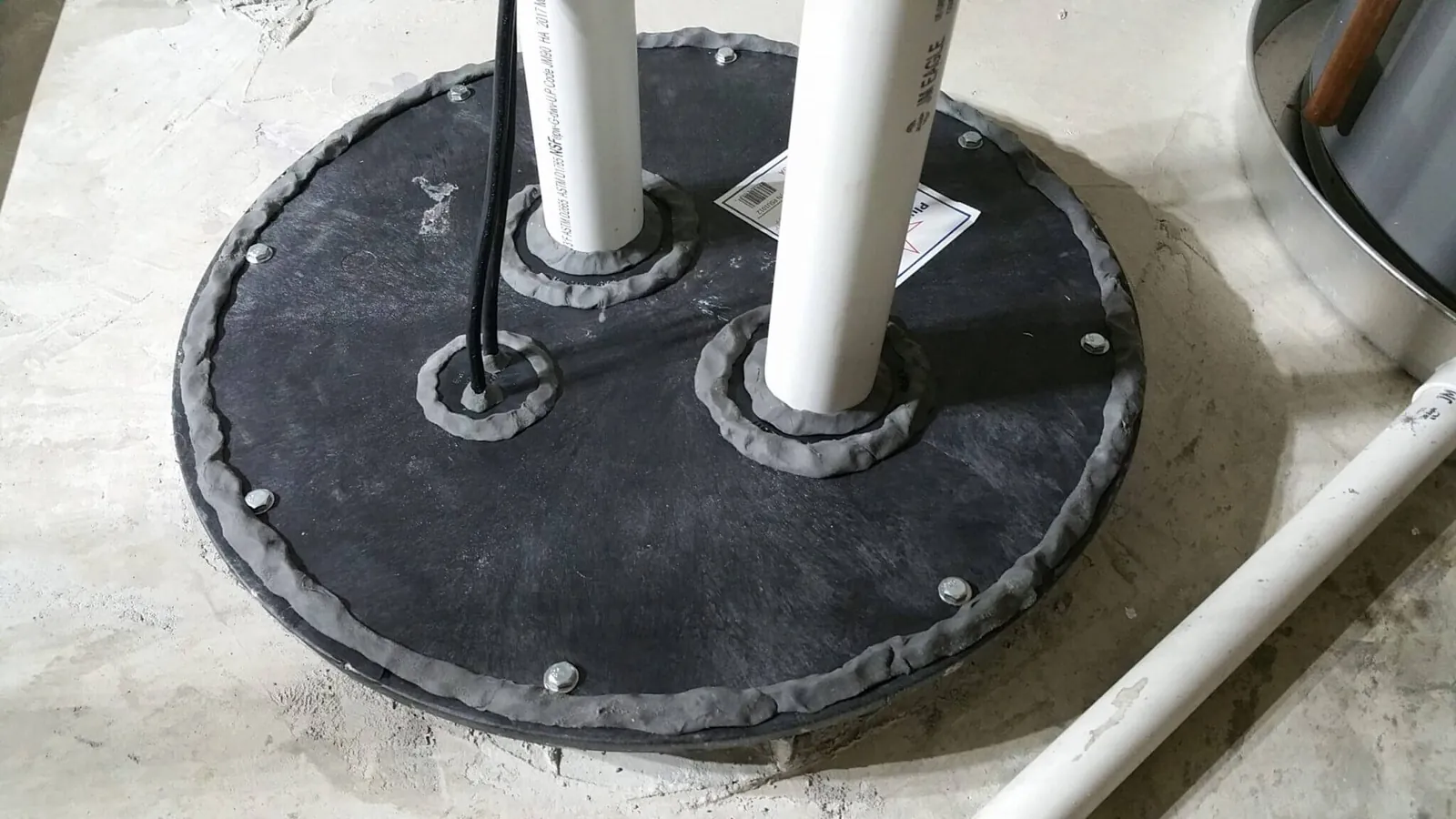
Choosing the wrong pump can lead to basement flooding or clogged pipes. The following table breaks down the differences in function, maintenance, and setup for these two common systems.
| Method | How long | Effort | Cost | Best for |
|---|---|---|---|---|
| Sump pump | 5-10 years | Low | Low | Groundwater |
| Sewage ejector | 7-15 years | High | High | Wastewater |
| Grinder pump | 10-15 years | High | High | Heavy waste |
The lifespan of these units varies based on how often they run and the quality of the water they handle. If your pump runs constantly during spring rains, expect it to fail closer to the lower end of the range.
Use a sump pump only for clear groundwater or foundation drainage. If you route laundry discharge or toilet waste into a sump pit, the solids will seize the impeller and burn out the motor within months. You’ll know you have the wrong system if the basin smells like sewage or the pump cycles every few minutes despite dry weather.
If your plumbing fixtures sit below the main sewer line, you must install an ejector system. These units use sealed basins to prevent methane gas from entering your home. If you’re handling kitchen waste with high grease content, choose a grinder pump over a standard ejector.
The grinder features a stainless steel cutter that shreds solids, preventing the frequent clogs that plague standard ejector pumps in high-volume households. Always check the head pressure rating; if your home sits more than 15 feet vertically below the street sewer, a standard pump will fail to push the waste upward.
Managing groundwater with a sump pump
A sump pump sits in a basin, often called a pit, located at the lowest point of your basement. It collects water that seeps through the foundation and pumps it outside, usually to a storm drain or a safe distance from your house.
Dig a hole in the basement floor if one doesn’t exist. Place a perforated sump basin into the hole and surround it with gravel. Install the pump inside the basin and connect the discharge pipe. Attach a check valve to the pipe to prevent water from flowing back. Plug the unit into a ground-fault circuit interrupter outlet.
If your basement floor remains damp despite a running pump, your pit is likely too small. A basin should hold at least 15 gallons to prevent the pump from cycling on and off every few seconds, which causes premature motor failure.
Use the rule of location to guide your discharge. If your lot slopes away from the foundation, pipe the water at least 10 feet from the exterior wall. If the land is flat, extend that pipe to 20 feet or connect it directly to a buried drain tile.
This method excels at preventing structural damage from hydrostatic pressure. It isn’t for handling sewage, as standard sump pumps lack the impellers needed to crush or move solid waste. If you attempt to pump sewage with this equipment, you’ll likely cause a major backup into your home. Always check your local building codes and municipal ordinances regarding the proper discharge of groundwater.
Handling basement waste with a sewage ejector
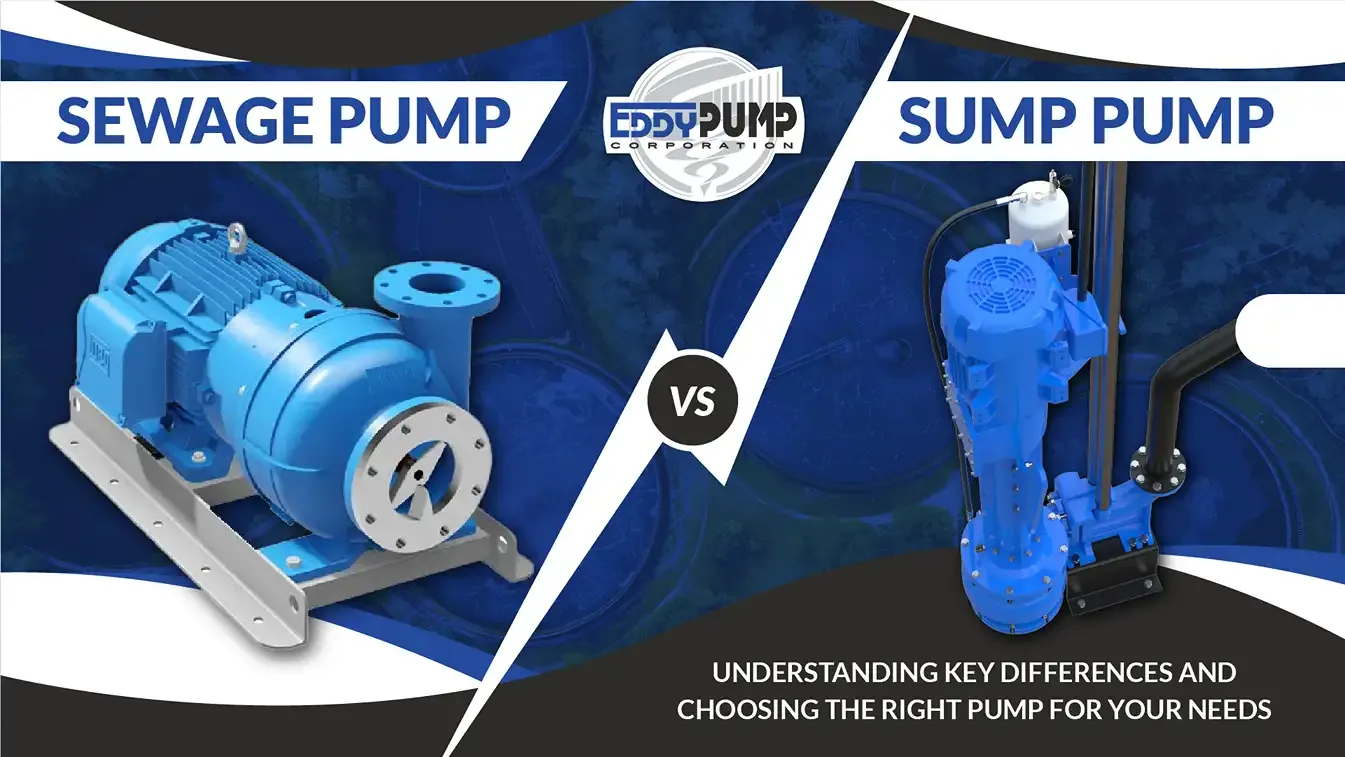
A sewage ejector pump is a powerful unit designed to lift waste from a basement bathroom or utility area up to the level of your home’s main sewer pipe. Unlike a sump pump, this system uses a sealed basin to prevent odors and gases from entering your living space.
Connect the bathroom drain lines to the sealed sewage basin. Install a vent pipe from the basin to the roof to release gases. Secure the pump inside the basin with an airtight lid seal. Connect the discharge pipe to the main sewer or septic line. Verify the check valve is installed vertically to prevent backflow.
This setup is essential for any basement plumbing that sits below the grade of the main sewer line. If your basement floor is at least two feet below the main sewer exit, gravity won’t suffice, and a pump is mandatory.
Avoid the common mistake of using a standard sump pump for sewage. A sump pump lacks the macerating blades needed to handle solids, which will cause the unit to jam or burn out within weeks. If the pump runs continuously after a flush, check the float switch for obstructions immediately.
If you notice a faint rotten egg smell near the basin, your vent pipe is likely undersized or blocked. A two-inch vent pipe is the industry standard for these systems. If you aren’t familiar with local plumbing codes, hire a licensed professional to ensure the system remains airtight. A single improper seal can allow methane to accumulate in your basement, creating a significant health risk.
Using a grinder pump for heavy waste
A grinder pump is a specialized type of sewage ejector that features rotating cutters at the intake. It shreds solid waste into a fine slurry before pumping it through smaller diameter pipes.
Ensure your basin depth matches the manufacturer’s minimum requirement, usually 30 inches, to prevent the unit from cycling too frequently. Frequent cycling causes the motor to overheat and shortens the pump’s lifespan by nearly half.
Mount the pump on a stable, level base to prevent vibration. If the pump shifts, the internal impellers can strike the casing, leading to catastrophic failure. Always wire the control panel to a dedicated circuit with a ground fault circuit interrupter. This prevents a power surge from tripping your main breaker and leaving you with an overflowing basin.
Test the float switch before sealing the lid. The pump must activate when the waste level is at least six inches below the inlet pipe. If it triggers later, you risk a sewage backup into your home’s lower fixtures.
Grinder pumps are ideal for homes with long or narrow discharge pipes where standard ejectors clog. They aren’t for standard residential use unless your local sewer system requires high-pressure discharge. If your home has a standard gravity line, the extra cost of a grinder pump is unnecessary.
You’re paying for a high-maintenance machine that provides no functional benefit over a standard sewage ejector. Only install these units if your lateral line is smaller than two inches in diameter or runs uphill to the main.
Choosing between a sump and sewage ejector pump
Deciding between these units comes down to what you need to move and where it needs to go. If you’re in a hurry to stop water from ruining your floor, a sump pump is a quick fix for simple groundwater issues.
If you’re doing this for the first time, remember that sewage systems require more complex venting and specialized, airtight basins. A standard sump pump is designed only for clear water; using one for sewage will cause an immediate, catastrophic clog and potential health hazards.
When you want the best possible result regardless of cost, opt for a system with a battery backup. This ensures your pump continues to work during power outages. If your electricity fails during a heavy storm, a pump without a backup is merely a decorative bucket.
If you have a high water table, a primary pump plus a secondary backup is the only way to stay safe. Install the secondary pump two inches higher than the primary unit. This creates a fail-safe that triggers only if the primary pump fails or can’t keep pace with the inflow.
Remember, if you have a basement bathroom, a standard sump pit is never a substitute for a sealed sewage ejector system. Always ensure the pump is rated for the type of waste and solids it’s intended to handle.
Rules for all basement pump systems
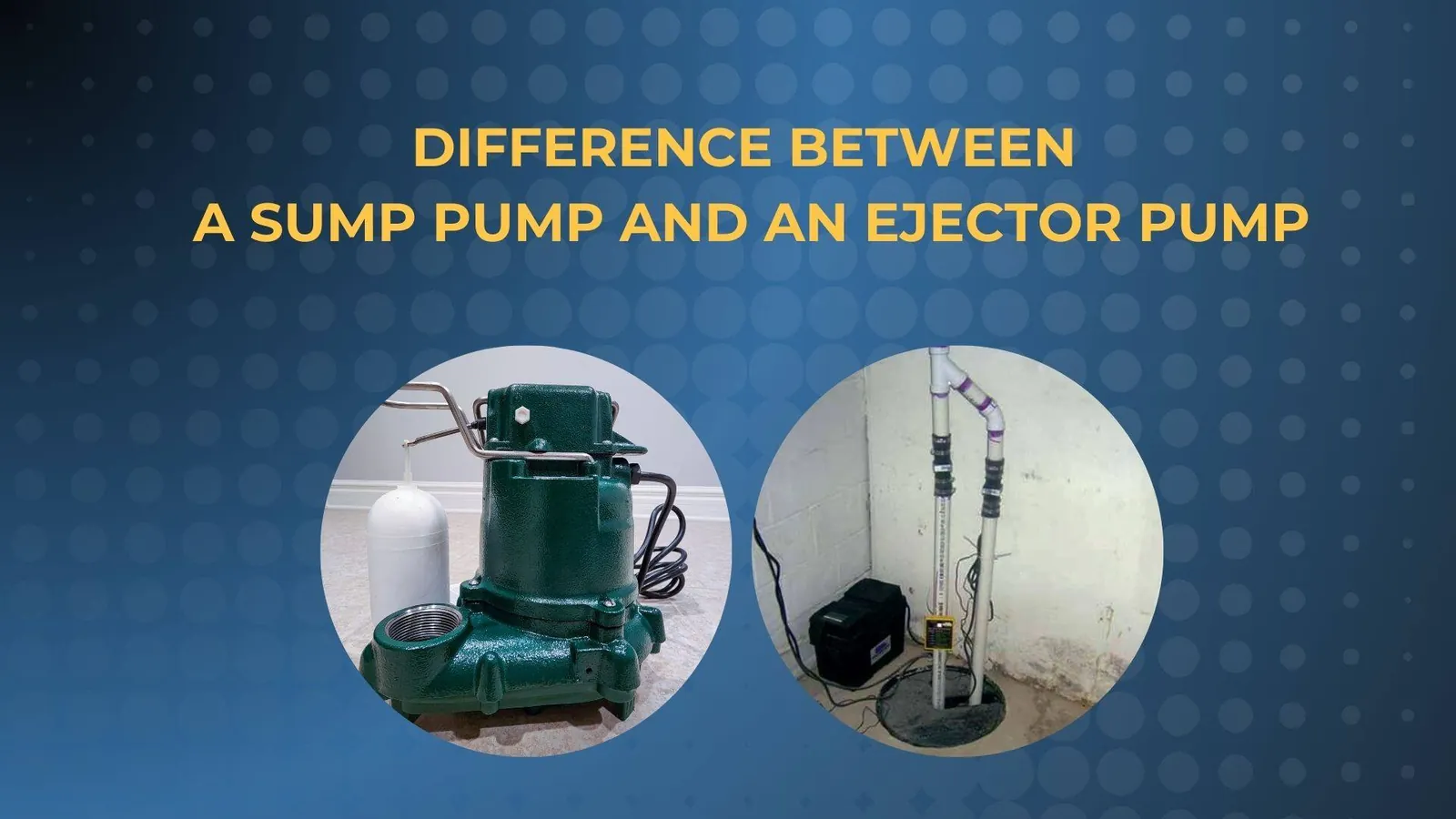
Regardless of the system you pick, you must follow safety standards to protect your home. Always ensure your pump is on a dedicated electrical circuit to prevent tripping breakers during heavy rain or high usage. Before starting, check your local municipal requirements regarding discharge points, as dumping groundwater into the sewer system is illegal in many cities.
Partway through the installation, check for leaks at every pipe joint to ensure the system is airtight. At the end of the project, test the float switch by filling the basin with water to confirm the pump triggers automatically. If you notice the pump running continuously without moving water, stop immediately and check for airlocks or debris. Handling electrical wiring near water carries a risk of shock; if you aren’t comfortable with these steps, contact a licensed plumber.
Frequently Asked Questions
Can a sump pump handle toilet waste?
No, a sump pump can’t handle toilet waste because it’s designed only for water. Trying to move sewage with a sump pump will clog the impeller and likely cause a flood of raw waste in your basement.
How long do these pumps last?
A standard sump pump typically lasts for a significant period, while a sewage ejector pump can also provide many years of service. The exact lifespan depends on how often the pump cycles and the quality of the water it processes.
Is it safe to install these yourself?
It’s safe for a person with plumbing experience to install a sump pump, but sewage ejector systems require professional help. Improper venting of a sewage basin can allow methane gas to enter your home.
What happens if the power goes out?
If your power goes out, your pump will stop working, which can lead to flooding. It’s smart to install a battery-powered backup pump or a water-powered backup to keep the basin empty during emergencies.
How often should I check my pump?
You should check your pump at least twice a year, ideally before the rainy season begins. Test the float switch manually to ensure the motor turns on and moves water through the discharge pipe.
Why does my pump make a loud grinding noise?
A loud grinding noise often means there’s debris in the impeller or the bearings are failing. If you hear this, inspect the basin for rocks or large objects, and if the noise persists, replace the unit.
Conclusion
You should always prioritize a reliable discharge path to keep your home dry and safe from waste backups. Proper maintenance will protect your investment for years to come.