
The most reliable garbage disposals feature stainless steel grinding components and high-torque induction motors to break down food waste into fine particles. These units prevent drain clogs and reduce landfill waste, with performance varying based on horsepower, noise insulation, and mounting systems. Choosing the right power for your household size ensures smooth operation for years.
How garbage disposals compare
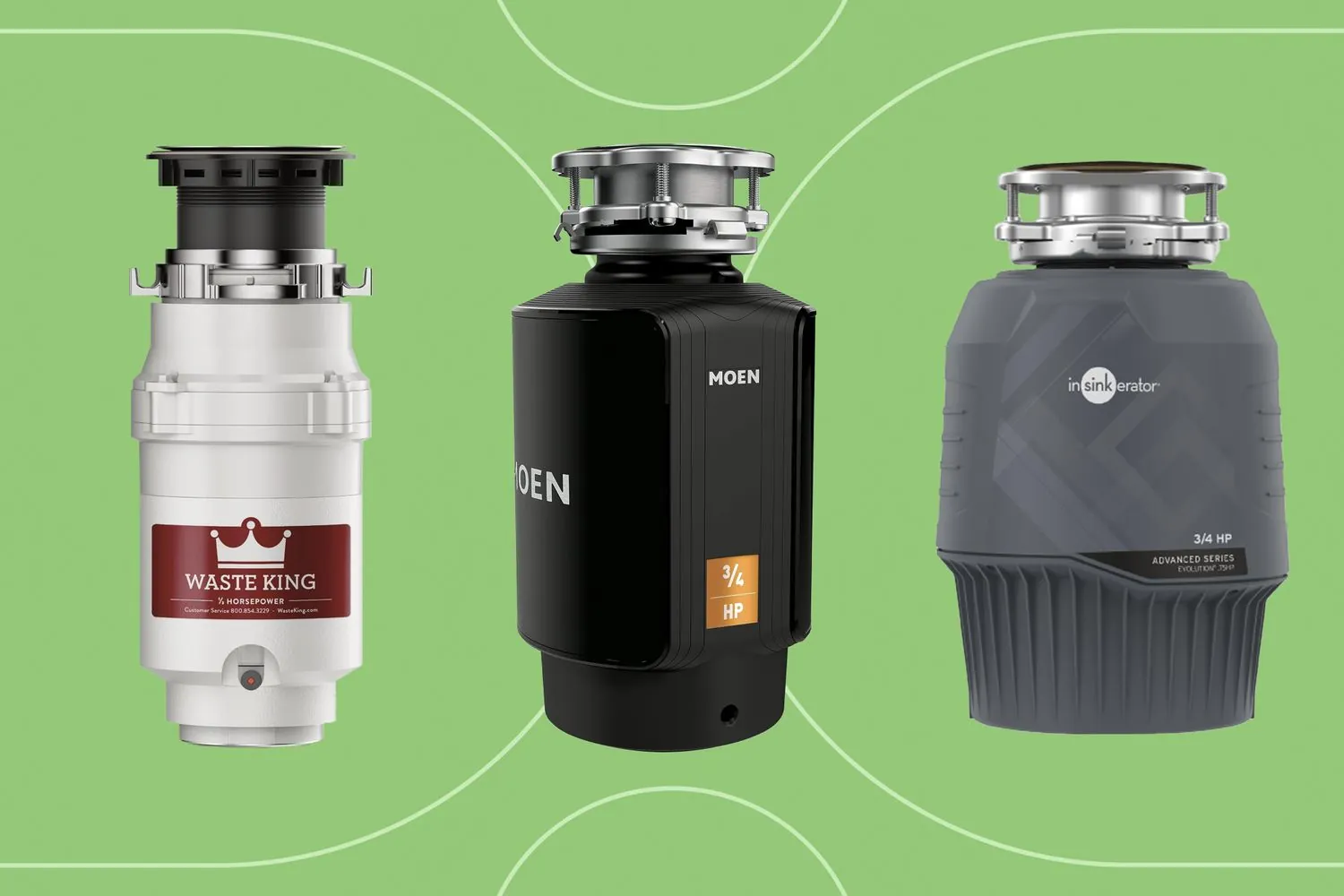
These appliances vary based on their motor power, which determines how effectively they handle different types of food waste in a standard home kitchen.
| Model Category | Primary Benefit | Typical Use Case |
|---|---|---|
| 1/3 Horsepower | Compact size | Small homes, soft scraps |
| 1/2 Horsepower | Standard power | Average households, daily use |
| 3/4 Horsepower | High efficiency | Large families, fibrous food |
| 1 Horsepower | Heavy-duty grinding | Frequent cooking, tough waste |
Choose based on your household’s output rather than the size of your sink. These entry-level models lack the torque to process fibrous materials like celery stalks or corn husks.
For households with three or more residents, prioritize a 3/4 horsepower motor. This power level creates enough centrifugal force to pulverize bones and fruit pits before they reach the drain pipe. If you frequently cook for large groups, the extra investment prevents the common mistake of overloading the grind chamber, which often leads to expensive plumbing clogs.
Assess your plumbing infrastructure before upgrading to a 1-horsepower unit. These heavy-duty motors require a dedicated circuit to avoid tripping your breaker during peak usage. If your home was built before 1990, verify that your pipes are at least 1.5 inches in diameter to handle the finer, high-volume output of these powerful units.
If you live in an area with a septic system, avoid high-horsepower units. The finer grind consistency can overwhelm your tank’s ability to break down solids, leading to premature system failure. In these cases, stick to a 1/2 horsepower model and supplement your waste management with a countertop compost bin. This approach balances convenience with the long-term health of your home’s drainage and waste infrastructure.
1/3 horsepower units
These entry-level models are designed for kitchens with limited under-sink space where the plumbing configuration prevents the installation of larger, heavier motors. They suit individuals or couples who primarily process soft food scraps like cooked vegetables or fruit peels.
Fits into tight cabinets where larger units would block plumbing access. Uses less electricity during operation compared to high-torque models. Operates with a smaller footprint, leaving room for cleaning supplies.
If you have a very small sink cabinet, these units are often the only ones that will fit without moving existing pipes. For example, a 1/3 horsepower unit is usually sufficient for a single person who only processes a few cups of soft food waste each day.
Avoid these units if your household exceeds two people or if you frequently discard fibrous materials like celery, corn husks, or artichoke leaves. These items require the shearing force of a 1/2 horsepower motor or higher to prevent frequent jams. If you hear a persistent humming sound without the blades spinning, you have likely exceeded the unit’s mechanical capacity.
The primary mistake users make is attempting to force large quantities of scraps into the hopper at once. Because the motor lacks high torque, it will stall under heavy loads. Feed waste into the disposal slowly, waiting for each handful to clear completely before adding more. This simple pacing prevents the internal impeller from locking up.
If your sink configuration allows for at least 15 inches of vertical clearance, upgrade to a 1/2 horsepower model regardless of your household size. The marginal increase in cost pays for itself by reducing the frequency of plumbing calls.
However, if your drain pipe exits the wall higher than 10 inches from the cabinet floor, the 1/3 horsepower unit is your only viable option. It remains the most compact solution for retrofitting older homes where space was never allocated for modern waste management.
1/2 horsepower units
These units represent the standard choice for most average-sized households needing a reliable machine for daily food preparation. They offer a balance between compact dimensions and sufficient grinding strength to handle common kitchen scraps without stalling.
If you’re replacing a builder-grade 1/3 horsepower unit, this is the logical upgrade. A 1/2 horsepower model will typically process a standard load of vegetable scraps in under 20 seconds when the water is running at a medium flow. This speed prevents the backup issues common in weaker motors that struggle to push fibrous material through the drain line.
Grind common food waste like potato peels, soft leftovers, and fruit rinds quickly. These units fit most standard sink flange openings, making them easy to swap without cutting new plumbing or enlarging the sink hole.
This size is ideal for a family of three or four that cooks at home regularly but doesn’t produce excessive amounts of meat bones or corn husks. If you frequently process large quantities of fibrous stalks like celery or artichokes, you’ll reach the limit of this motor’s torque.
In those cases, the unit will likely hum or trip its internal thermal reset switch. If the machine stops, wait three minutes for the motor to cool before pressing the reset button on the bottom.
Many homeowners make the mistake of assuming a higher horsepower rating is always better. However, a 1/2 horsepower unit is often quieter and vibrates less than a heavy-duty 3/4 or 1 horsepower model. If your sink is stainless steel, a larger motor can turn the basin into an amplifier, creating an unpleasant rattling sound.
Use this rule to determine your needs: if your household generates more than two pounds of food waste per day, or if you regularly process fibrous materials, move up to a 3/4 horsepower unit.
If your waste is primarily soft scraps and you value a smaller footprint under your cabinet, the 1/2 horsepower model is the correct choice. It provides the most efficient use of space without sacrificing the power required for standard daily use. By sticking to this threshold, you avoid paying for excess torque that your plumbing system can’t actually utilize.
3/4 horsepower units
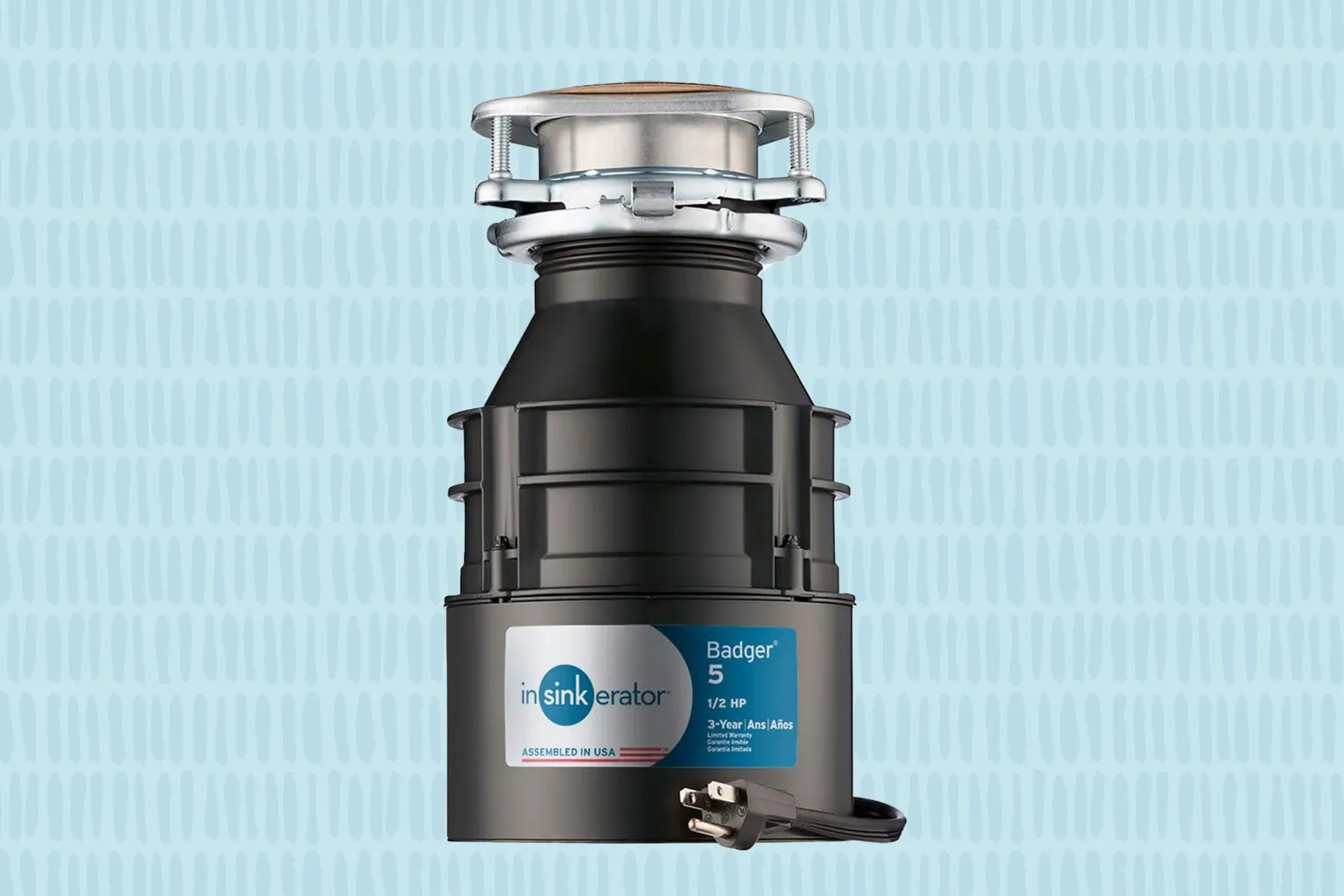
These models provide a significant upgrade in grinding torque, allowing them to handle tougher materials that would jam smaller motors. They suit active households that cook daily and want a machine capable of processing fibrous materials like celery or small fruit pits without hesitation.
- Reduces the risk of jams through higher rotational force.
- Includes better sound-dampening materials for quieter kitchen operation.
- Processes larger volumes of waste faster than standard units.
These machines require more space under the sink because the motor housing is physically wider and heavier than a 1/2 horsepower unit. If your sink cabinet has a support shelf or narrow plumbing, measure the clearance before purchasing.
1 horsepower units
These are the most powerful residential units available, engineered for high-volume use in large households or professional-style home kitchens. They feature robust grinding chambers that can handle almost any food waste, including small animal bones and heavy fibrous stalks.
- Offers the fastest processing speed for high-volume waste.
- Usually includes advanced vibration-cancellation technology for silent operation.
- Features stainless steel components that resist corrosion over long periods.
These units aren’t for everyone; if you only cook occasionally or have a very small kitchen, the extra power and weight are unnecessary. The installation requires a sturdy sink mounting, as the heavy motor can stress thin stainless steel sinks if they aren’t properly reinforced. Using a 1 horsepower unit is overkill for a household that produces less than one gallon of food scraps per week.
Other disposal types
Batch feed units require a specific stopper to be placed in the drain before the motor will start. They’re ideal for households with small children, as the mechanism can’t run while the sink is open.
Because the unit only activates when the cover is locked in place, you eliminate the risk of silverware or accidental hand contact falling into the grinding chamber. If you often find yourself distracted while cleaning up, this physical barrier provides the necessary fail-safe to prevent injury.
Continuous feed units are the most common type, allowing you to add food continuously while the motor runs. They’re best for busy cooks who need to process large amounts of waste quickly during meal preparation. These models typically operate via a wall switch or an air-activated button mounted on the counter. While this design offers superior speed, it requires a higher level of situational awareness.
The primary mistake users make with continuous feed models is overloading the chamber before turning the unit on. This causes the internal impellers to jam, often tripping the reset button located on the bottom of the housing. If the motor hums but fails to spin, stop feeding waste immediately and clear the obstruction with a wooden tool.
Choose a batch feed model if your kitchen is a high-traffic area where safety is the priority over speed. Opt for a continuous feed unit if you frequently host large gatherings and need to clear scraps in seconds. If you have a deep, single-basin sink, the continuous feed model is usually easier to manage because it doesn’t require you to repeatedly lock and unlock the drain cover.
Choosing the right unit
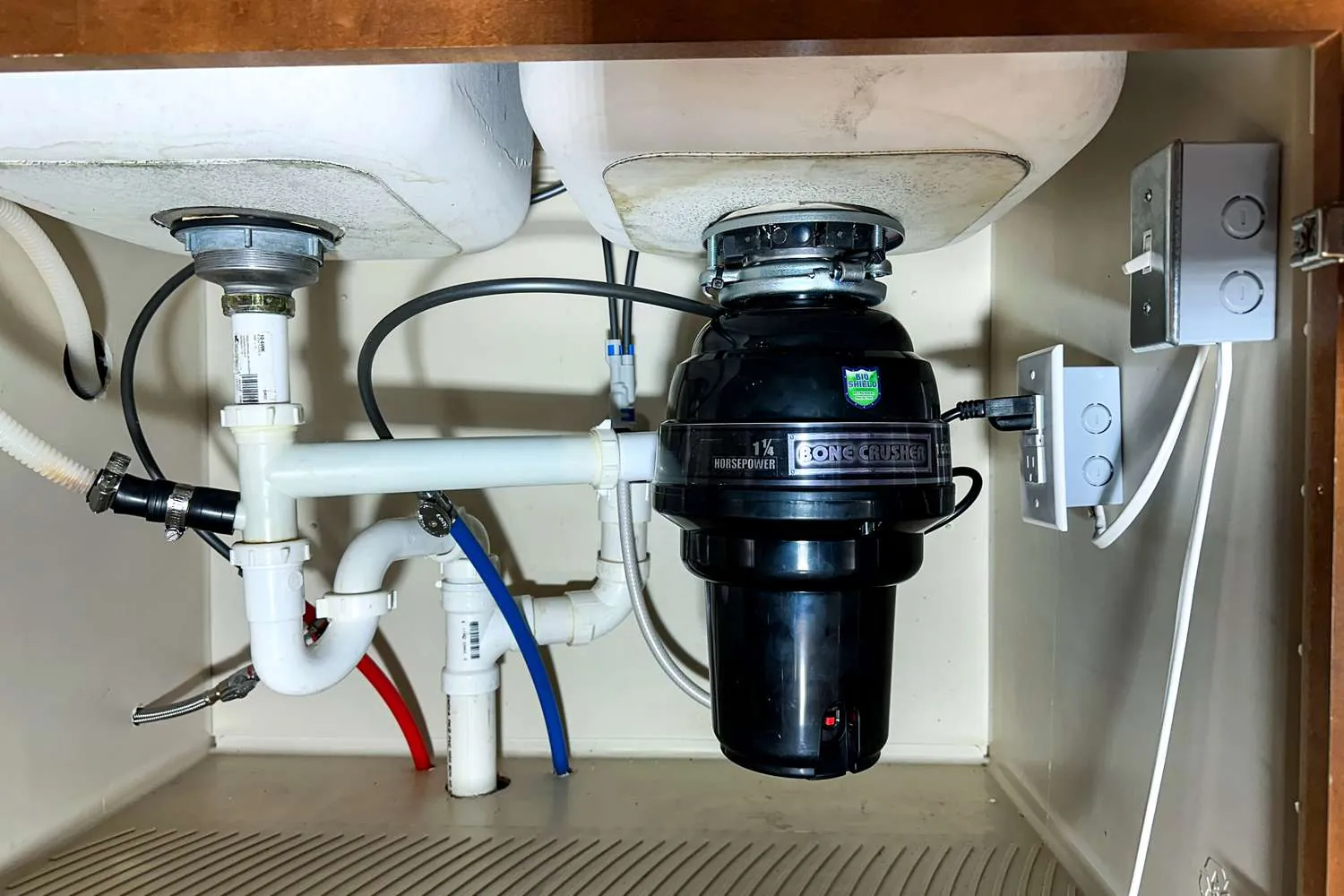
Your decision rests on three factors: the physical space available under your sink, the volume of food waste you produce, and your budget. If you have a small sink cabinet, stick to a 1/3 or 1/2 horsepower model to ensure it fits without professional plumbing modifications. These compact units typically measure under 13 inches in height, leaving enough clearance for essential drain pipes and cleaning supplies.
If you process high volumes of waste or tough scraps, move up to a 3/4 or 1 horsepower unit to avoid frequent jams. These larger motors operate at higher revolutions per minute, which allows them to pulverize fibrous materials like celery or corn husks that stall smaller units. If you frequently host large dinners or process waste for a household of four or more, the extra power is a necessity rather than a luxury.
You should also consider whether you need a batch feed system for safety or a continuous feed system for speed. A batch feed unit requires you to insert the stopper to activate the motor, which prevents accidental operation. Choose this if you have curious children or want to avoid the risk of silverware falling into the grinding chamber. Conversely, a continuous feed unit is the standard choice for kitchens where efficiency is the priority.
A common mistake is assuming that higher horsepower automatically means a quieter machine. In reality, noise levels depend more on the quality of the internal insulation and the mounting hardware than the motor size. If your kitchen opens into a living space, look for units specifically marketed with sound-dampening technology rather than just focusing on raw torque.
These units break down food particles into smaller, more manageable pieces that prevent your tank from reaching capacity too quickly.
Frequently asked questions
Can I install a garbage disposal myself?
You can install a unit yourself if you’re comfortable with basic plumbing and electrical work. If you lack experience with sink drains or wiring, hire a licensed plumber to avoid safety hazards. Always confirm your local building codes allow homeowners to perform this task before beginning.
How long do garbage disposals typically last?
These units typically last between 8 and 12 years with proper maintenance. Lifespan depends on usage frequency and avoiding non-food items like metal or glass in the grinding chamber. If you notice leaks or excessive vibration, the seals or motor bearings may be worn out.
What happens if I put bones in the disposal?
Hard bones can damage grinding teeth or cause the motor to overheat. While some high-powered units handle soft chicken bones, it’s best to avoid all bones to prevent premature wear. If the unit stops, turn off the switch and check the reset button.
Is it safe to use a disposal with a septic system?
You can use a disposal with a septic system if your tank is designed to handle the extra organic load. Confirm with a septic professional that your tank size is sufficient for the added waste. Some systems require more frequent pumping when a disposal is in use.
How do I stop the unit from smelling?
You can stop odors by grinding citrus peels or using a specialized disposal cleaner weekly. Smells usually occur when food particles get trapped under the splash guard or inside the chamber. Never use harsh chemical drain cleaners, as they can corrode metal components and damage rubber seals.
How much water should I run while grinding?
Run a steady stream of cold water for 30 seconds after grinding to ensure particles move through the pipes. Cold water keeps the motor cool and solidifies fats for easier chopping. Avoid hot water, as it melts fats and can cause blockages further down the drain.
Conclusion
Start by measuring the height and width of the space under your sink to ensure the new unit will clear your existing pipes and cabinet floor. You can expect the installation to take about two hours if you’re replacing an existing unit, provided you have a standard mounting assembly.