
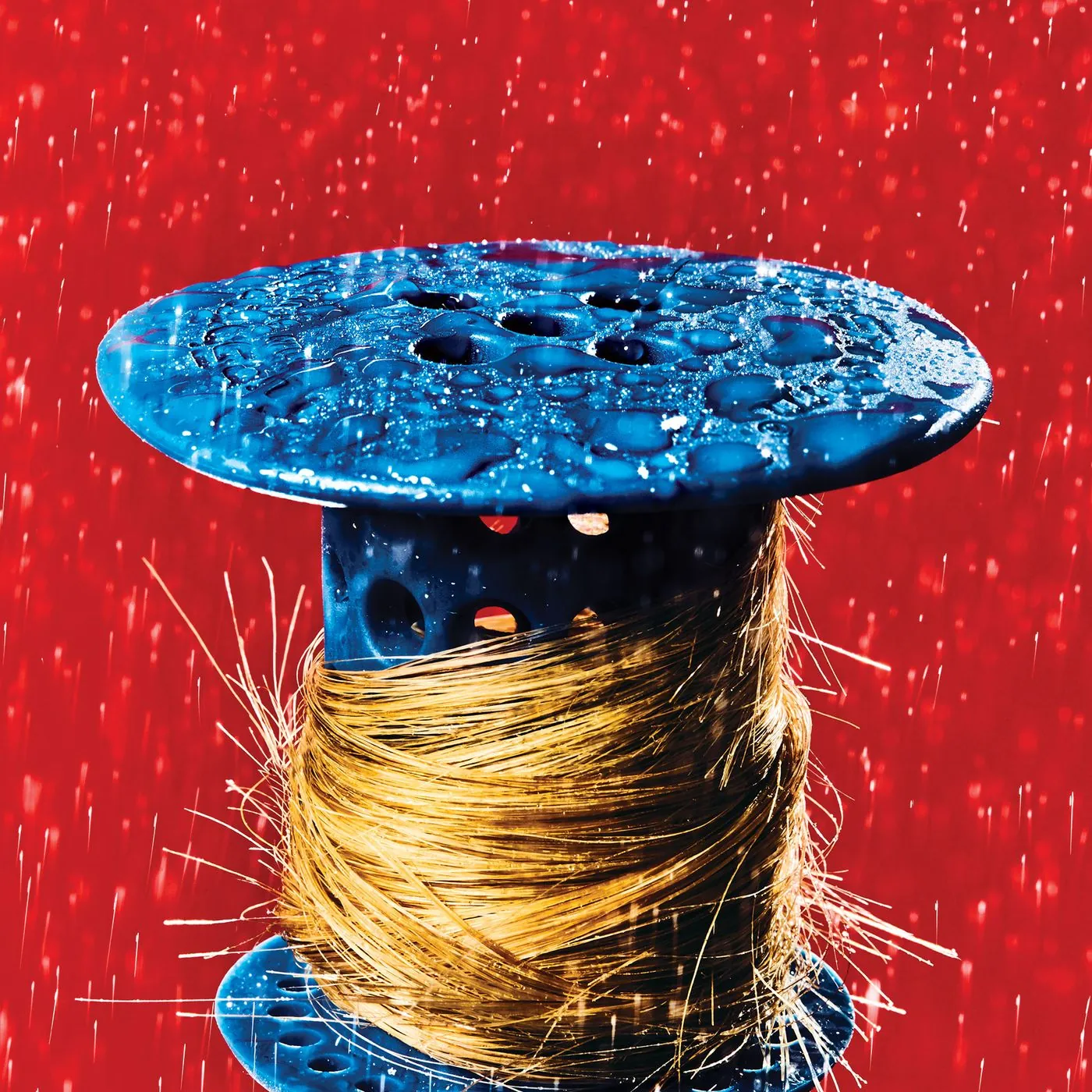
Silicone covers, metal strainers, and suction-cup guards are the best drain hair catchers for stopping clogs before they start. These tools all work by trapping hair on the surface while letting water pass through the pipes. They differ mainly in how they attach to your tub or shower floor, which affects how easily they stay in place during a busy morning routine.
Different ways to catch hair in your drain
| Name | Best for | Example |
|---|---|---|
| Silicone flat | Flat surfaces | OXO Good Grips |
| Metal mesh | Pop-up drains | TubShroom Ultra |
| Suction cup | Smooth tubs | SlipX Solutions |
| Basket strainer | Deep drains | Danco mesh |
Choose a silicone flat cover if your drain sits flush with the basin floor. These rely on a tight seal to prevent hair from slipping underneath. If your drain has a slight slope or a textured finish, the seal will fail and allow debris into the pipes.
Metal mesh guards work best for pop-up stoppers that you can’t easily remove. The rigid structure prevents the guard from collapsing under the weight of standing water. If you notice water pooling after two minutes, the mesh gauge is likely too fine; switch to a wider weave to maintain proper drainage speed.
Use suction cup models exclusively on high-gloss acrylic or porcelain surfaces. These are prone to losing grip if soap scum builds up on the tub floor. Scrub the contact area with white vinegar every week to ensure the suction remains airtight.
Basket strainers are the only reliable choice for deep, industrial-style drains where hair travels past the surface level. If your drain has a cross-bar at the bottom, ensure the basket prong is short enough to clear it. Forgetting to check this clearance often leads to a bent basket, which creates a gap that renders the entire filter useless.
If you have long hair, prioritize a vertical cylinder design over a flat screen. Flat screens clog within seconds, forcing water to flow around the sides. A vertical design captures hair along its length, keeping the water path clear for longer.
Silicone flat covers
Silicone flat covers are thin, flexible mats that sit directly over the drain opening to catch hair before it enters the plumbing. They suit people who have flat, non-textured shower floors where a seal is easy to maintain. These guards are simple to clean because you can just wipe them off after every shower.
They provide a low profile that prevents you from stubbing your toes. The material is soft, making them comfortable to stand on if they cover part of the floor. Most versions use a simple weight or suction to stay centered over the drain.
If your shower floor features a textured or non-slip finish, these covers will fail. The suction cups require a perfectly smooth surface to create an airtight seal. On textured tile, air gaps allow hair to bypass the filter entirely, rendering the product useless. If your floor has any grit or pattern, skip the flat silicone mat and choose a stainless steel basket that sits inside the drain instead.
Check the diameter of your drain opening before buying, as most standard covers are 5 inches wide. If your drain is smaller than 4 inches, the cover may bunch up and block water flow. If you have a 5-inch silicone mat and a 3-inch drain, the excess material will create ripples. These ripples force water to pool around the drain rather than flowing into it, leading to standing water in your shower.
The most common mistake is leaving the cover in place for days at a time. Hair and soap scum form a thick, rubbery film that effectively glues the silicone to the floor. If you wait more than 48 hours to rinse it, you’ll have to scrape the residue off with a stiff brush. This scrubbing eventually degrades the silicone, causing the edges to curl and lose their seal.
If you shower daily, rinse the cover under hot water immediately after you finish. This prevents the soap film from hardening. If you notice the edges curling upward, soak the mat in a bowl of boiling water for two minutes to restore its original shape. If the mat still refuses to lie flat, the material has reached the end of its lifespan and must be replaced to prevent hair from slipping into your pipes.
Metal mesh strainers
Metal mesh strainers use a fine wire screen to capture hair while maintaining high water flow rates. They suit homeowners who want a durable solution that doesn’t degrade or change color like plastic alternatives can. These strainers are often made of stainless steel to resist rust in damp bathroom environments.
- The fine mesh captures even the smallest strands of hair.
- Stainless steel construction prevents the build-up of soap scum and mildew.
- They’re rigid, which keeps them from shifting even when water pressure is high.
These strainers are usually designed to drop into the drain hole, meaning they stay in place without needing suction. If your drain has a built-in stopper mechanism, you’ll need to remove it first, which can sometimes be difficult if the hardware is old or corroded.
Keeping drains clear is vital to prevent slips, so ensure the strainer doesn’t create a raised edge that could become a trip hazard. If you have a standard 2-inch drain opening, choose a strainer with a 2.5-inch rim to ensure it rests securely on the drain lip.
Suction cup guards
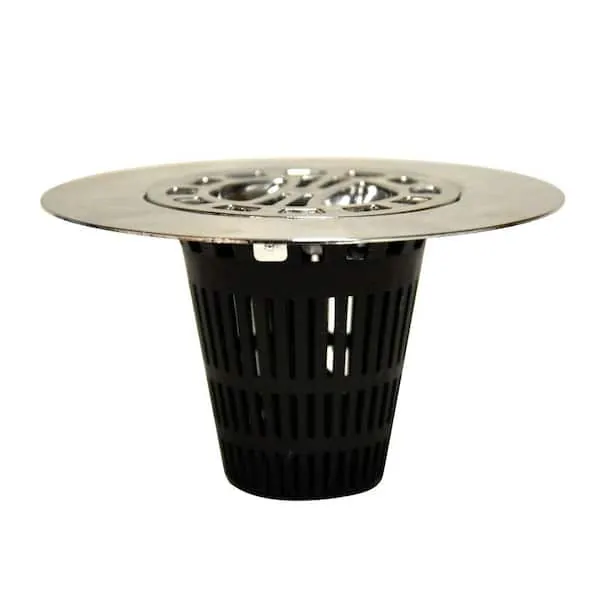
Suction cup guards are designed to stick firmly to the tub surface, preventing the unit from floating or moving during use. They suit people with high-pressure showerheads where water flow might push a lighter, non-suction guard out of the way. These guards often feature a raised center dome that acts as a secondary trap for larger clumps of hair.
- The suction provides a secure bond that lasts through long showers.
- Raised designs keep hair away from the water stream, preventing it from washing down.
- They’re easy to peel off when it’s time to clean the trapped debris.
If you have a textured tub floor, these suction cups won’t hold, which makes them a poor choice for some older bathtubs. You must clean the tub surface with an alcohol wipe before the first use to ensure the rubber creates a proper seal.
If the suction fails, you’ll notice the guard shifting; try moistening the cups with a drop of water to improve the grip. For example, you might press a suction-cup guard into a smooth acrylic tub, checking that all four cups are engaged before turning on the water.
Pop-up drain stoppers
Pop-up drain stoppers are built-in mechanisms that can be pushed down to block water or pulled up to drain it. They suit people who prefer a clean look without any extra accessories sitting on top of the shower floor. However, they’re notoriously bad at catching hair, as they usually act as a funnel for debris.
They integrate directly into the existing plumbing hardware of the tub. You don’t need to remove or store anything when you’re done showering. The metal construction is built to last for many years of daily use.
These stoppers are often the cause of slow drains because hair wraps around the internal post, which is hard to reach without tools. If you use this type, you must clear the post weekly using a pair of needle-nose pliers to pull out the buildup. If you ignore this maintenance, the hair will eventually form a solid mass that requires a professional plumber to clear the trap.
The primary mistake users make is assuming the stopper is self-cleaning because of its flush design. This oversight is costly, as it often leads to expensive emergency plumbing fees once the drain completely blocks.
If your water begins to pool around your ankles during a ten-minute shower, the clog has already moved past the stopper and into the P-trap. In this case, stop using chemicals immediately. Harsh drain cleaners can corrode the metal finish of the stopper and damage older PVC pipes.
To determine if the issue is the stopper or the pipe, unscrew the cap and inspect the rocker arm. If the arm is clean but the water still drains slowly, the obstruction is deep in the line. You should then snake the drain from the overflow plate rather than the floor. If the arm is covered in sludge, a simple manual extraction will restore full flow within minutes.
Other drain options
Hair-catching wands use barbed plastic teeth to snag debris deep within the P-trap. Use these only when water flow has already noticeably slowed. If you force the wand through a drain that’s completely blocked, you risk pushing the clog further down the pipe, where it becomes much harder to reach. Always pull the wand out slowly to ensure the captured hair doesn’t snap off and drop back into the drain.
Disposable stickers provide a low-maintenance barrier that sits flush against the drain flange. They’re ideal for households where residents prioritize convenience over long-term cost. However, check the adhesive quality before buying. If the sticker uses a weak glue, it will lift prematurely when exposed to hot water, allowing hair to bypass the mesh entirely. Use these in guest bathrooms or rentals where you want to avoid the mess of scrubbing a permanent strainer.
If you have a vintage tub with a complex pop-up stopper, neither of these tools may fit. In that case, look for a silicone “flower” style guard that sits on top of the existing hardware. This avoids the need for disassembly.
If you find yourself using a wand more than once a month, your drain pipe likely has a rough interior surface or a burr that’s snagging hair. At that point, a wand is just a temporary fix for a larger plumbing issue that will eventually require a professional snake to fully resolve.
Choosing your drain protection
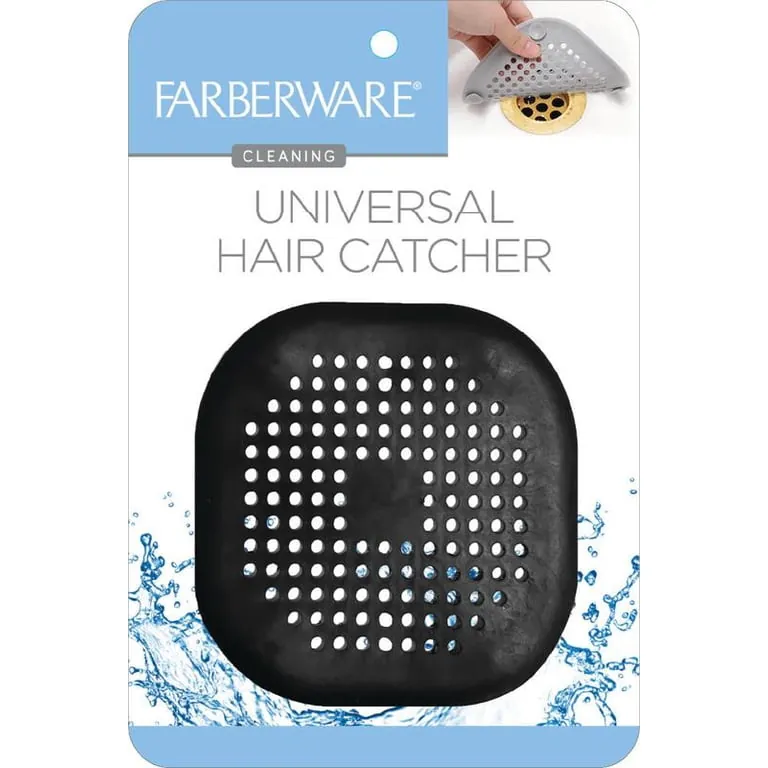
Picking the right guard depends on your shower floor and how much maintenance you’re willing to do. If you have a smooth, flat tub floor, a suction-cup guard provides the most stability. If you have a drain that’s already fitted with a permanent pop-up stopper, you should choose a thin, metal mesh strainer that sits on top of the existing hardware. If you’re dealing with a textured floor where suction won’t work, a weighted silicone cover is your best option.
Many homeowners mistakenly buy a cover that’s too small for their drain, which allows hair to slip through the gaps and enter the pipes. Measure your drain’s width with a ruler before you buy. If your drain opening is 3 inches, look for a guard that’s at least 4 inches wide. These items generally can’t be combined; using a suction guard on top of a mesh strainer will only block water flow and cause a puddle in your shower.
When selecting your guard, prioritize material based on your cleaning habits. Stainless steel mesh lasts longer and resists mold, but it requires a weekly scrub to prevent grime buildup.
If you notice standing water within seconds of turning on the faucet, your guard is likely too restrictive. Switch to a design with larger holes or a domed shape, which increases the surface area for water to pass through even as hair collects.
If you have a deep, vintage-style drain, avoid flat covers entirely. These often create a seal that stops drainage completely. Instead, choose a basket-style strainer that sits inside the drain pipe itself. This keeps the flow path open while catching debris before it reaches the trap. Always check that the guard doesn’t obstruct your overflow valve, as this can lead to accidental flooding during long baths.
Frequently asked questions
Can I use a hair catcher with a pop-up drain?
Use a thin, flat mesh screen over a pop-up drain stopper. Most pop-up mechanisms lack space for deep baskets, so surface-level strainers are the only compatible option. Ensure the strainer lays completely flat to prevent hair from slipping through the gaps.
How often should I clean the drain guard?
Clean your drain guard after every shower to prevent soap scum and hair buildup. Leaving debris on the guard causes it to harden, which restricts water flow. Simply pull off the hair and rinse the guard under the tap to maintain performance.
What happens if the drain guard moves?
If your drain guard shifts, the suction cups are likely dirty or the tub surface is too textured. A moving guard allows hair to bypass the device entirely. Clean both the guard’s underside and the tub floor with a damp cloth to restore a firm grip.
Is it safe to leave a hair catcher in the drain?
You can leave a hair catcher in the drain as long as it doesn’t obstruct water flow. A clogged guard causes water to pool, which increases your risk of slipping. If you notice rising water levels, remove the guard immediately to clear trapped hair.
How long do these catchers last?
Silicone guards typically show wear faster than metal versions, which are more durable. Replace your guard immediately if you notice any cracks, tears, or rust.
Does it matter if the drain is round or square?
Drain shape doesn’t matter as long as the guard is large enough to cover the entire opening. Ensure the guard overlaps the drain edges by at least half an inch on all sides. Check packaging to confirm compatibility if you have a square drain.
Conclusion
Measure your drain diameter to ensure the guard fully covers the hole with a slight overlap. Place the guard over the drain and test the water flow to verify it stays in place. If water pools, the guard is either too restrictive or already clogged.