
A set of interactive pool games for kids turns a regular swim into a lesson in counting, colors, teamwork or basic science. Games last 10 to 20 minutes each, fitting a child’s attention span before they get cold or tired. Toddlers match shapes, while older kids solve math problems underwater. This guide covers setup, safety rules, seven games and gear storage.
What pool learning play actually means
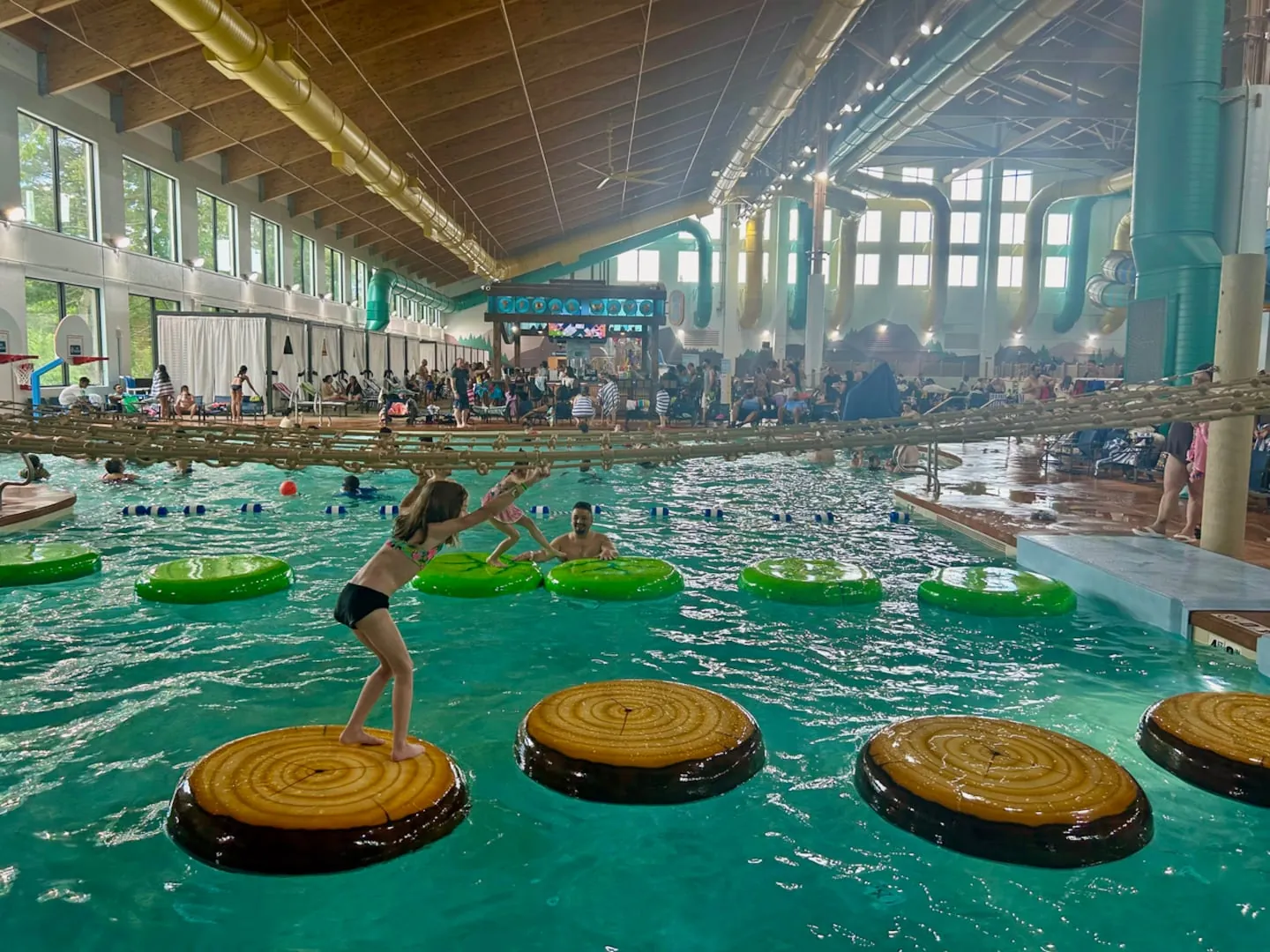
These are structured water activities where a child practices a school skill—like math, spelling or coordination—while swimming or standing in shallow water. They aren’t free splashing. An adult sets a rule, gives a task and checks the answer. They work best for children aged 3 to 10 who already feel comfortable putting their faces in the water.
The one thing people get wrong is treating the pool like a classroom desk. Water changes how a body moves. A child uses more energy just staying upright, so their brain tires faster than it does on dry land. That’s why these games use physical objects you can grab, toss or sink, rather than asking kids to sit still and listen.
You don’t need expensive kits from a toy store. Standard dive rings, foam alphabet letters, waterproof playing cards and plastic measuring cups do the job. If a game asks a child to hold their breath longer than they naturally want to, it’s too hard. The goal is quick rounds with clear winners, so everyone stays eager to try again.
This approach isn’t for kids who panic when water touches their ears. It’s also not a replacement for formal swim lessons. A child should already be able to float or touch the bottom comfortably before you add math problems to the mix. When the water feels safe, the learning happens almost by accident.
How to run interactive educational pool games kids enjoy
Every session needs a clear start, a simple rule and a way to end before anyone gets shivering. Follow these steps in order to keep things moving smoothly.
- Check the depth and temperature. For kids under 5, the water shouldn’t go past their chest when they stand flat-footed. If the pool feels cold to your wrist after ten seconds, limit active games to 10 minutes; if it feels warm, you can stretch to 20 minutes.
- Pick your tools. Gather 10 dive rings, a full set of foam letters or numbers, two plastic buckets and four pool noodles. Lay them on the pool deck where everyone can see them before getting in.
- Explain the rule on dry land. Tell them exactly what to do while they’re still sitting on the edge. “Find three red rings” works better than explaining complex scoring in the water.
- Do a practice round. Let everyone try once without keeping score. This shows you if the instructions were clear or if the water is too deep for the youngest player.
- Start the timer. Set a phone alarm for 10 or 15 minutes. Kids lose focus fast in the sun, and a hard stop prevents arguments about when to quit.
- Rotate the roles. If one child is always the “finder” and another is the “counter,” switch them halfway through. This keeps both kids practicing different skills.
- End with a calm activity. Spend the last 2 minutes floating or blowing bubbles. Going straight from a loud race to the towel rack usually ends in tears.
The single judgment call that separates a good afternoon from a bad one is knowing when to change the game. If a child sinks a ring but won’t go back down for the next one, the water might be too deep for their confidence level. Move the game to the steps or the shallow end immediately. Don’t push them to “be brave”—just move the toys to where their feet touch the floor easily.
Always keep arms within reach of any child under 6 during these activities. The CDC’s guidance on drowning prevention states that close supervision is the most effective layer of protection around water.
Pool game settings and times
Different ages and group sizes need different setups. Use this table to pick the right combination before you get everyone wet.
| Situation | What to use | How long | What to watch for |
|---|---|---|---|
| Toddlers (ages 3-4), 1-2 kids | Large foam shapes, shallow steps | 10 minutes max | Shivering lips, rubbing eyes, refusing to let go of the wall |
| Early elementary (ages 5-7), 3-4 kids | Numbered dive rings, small buckets | 15 minutes per round | Swallowing water, pushing others to grab rings first |
| Older kids (ages 8-10), 2+ kids | Waterproof math cards, pool noodles | 20 minutes per game | Skipping the rules to win, diving too deep for the pool floor |
| Mixed ages playing together | Color-coded sinking toys | 10-15 minutes | Older kids taking toys meant for younger ones, crowding |
| Solo play with one parent | Floating alphabet letters | 10 minutes | Child getting bored because there’s no competition or peer interaction |
| Hot days (over 90°F / 32°C) | Any lightweight toys | Cut normal time in half | Sunburn, fatigue, drinking pool water out of thirst |
If you have a large above-ground pool with limited space, cut the number of players in half compared to an in-ground pool. Crowded water leads to bumped heads, which stops the fun instantly. For indoor pools, you can usually add 5 minutes to these times since there’s no direct sun draining their energy.
Getting the details right
Preparation decides whether these activities teach something or just create chaos. Experienced parents sort their toys into mesh bags by category before walking outside. One bag holds numbers, another holds colors. When you dump everything into the water at once, kids just splash instead of solving anything. Sorting takes two minutes on the deck and saves ten minutes of arguing later.
The order you introduce skills matters too. Start with gross motor tasks—like tossing a noodle to a partner—before asking them to read a letter off a sinking toy. A child’s heart rate spikes when they jump in. Give them five minutes of easy movement so their breathing slows down. Once they’re calm, hand them the foam letters. If you skip this step, they’ll drop the letters just to splash around.
Halfway through a 15-minute round, check the bottom of the pool. Toys drift toward the drain or pile up in corners where the water moves differently. Stop the game for thirty seconds, gather everything back to the center, and restart. Leaving toys scattered forces kids to swim further than planned, which tires out the weaker swimmers while the strong ones collect everything.
Finally, know what to leave alone. Don’t correct a child’s swimming stroke during a math game. If they’re doggy-paddling but getting the right answers, let them be. Mixing swim coaching with spelling practice overloads their working memory. Pick one goal per session. Today is for counting; tomorrow can be for kicking technique.
Fixing common pool game problems

Things go wrong fast when kids, water and rules mix. Match the symptom to the fix below so you don’t waste the whole afternoon troubleshooting.
| What you notice | What it usually means | What to do first |
|---|---|---|
| Kids ignore the rules and just throw toys | The game is too hard or they didn’t understand the dry-land explanation | Pull everyone to the steps, explain the rule again using only three words, and demonstrate once |
| One child cries when a toy sinks | The water is deeper than their comfort zone allows | Move all toys to water that only reaches their waist and use floating items instead of sinkers |
| Foam letters blow across the yard | Wind is stronger than the toys’ weight | Switch to heavier dive rings or play inside a screened enclosure until the breeze drops |
| Everyone quits after 5 minutes | The water is too cold or the sun is too hot | Check the temperature with your wrist; if it’s cold, end the session and try again mid-afternoon |
| Older kids bully younger ones for points | Competitive scoring doesn’t work with wide age gaps | Change to a cooperative goal where they must collect 20 items together to “win” as a team |
If a child refuses to put their face near the water to retrieve a toy, don’t force it. Hand them a small pool net with a short handle. They can still participate in the sorting or counting part of the game without triggering their fear. The learning happens when they categorize the items on the deck, not necessarily when they fetch them from the bottom.
Safety rules for water play
Water adds risk to any activity that would be perfectly safe on grass. The American Academy of Pediatrics recommends constant, touch-level supervision for young children around any body of water. That means an adult is in the pool, not reading a book on a lounge chair.
Assign one specific adult to watch the water at all times. When everyone assumes someone else is watching, nobody actually is. Rotate this watcher every fifteen minutes so their focus stays sharp.
Don’t rely on inflatable arm bands as safety devices during active games. They slip off when a child reaches for a sinking toy. If a child isn’t a confident swimmer yet, they should wear a US Coast Guard-approved life jacket, even if it makes grabbing foam letters slightly harder.
Check the jacket’s label for the child’s exact weight range before every season starts. A vest sized for last summer will ride up over a growing toddler’s face.
Empty all buckets immediately after the game ends. A bucket with two inches of rainwater left on the deck is a hazard for toddlers walking by later. Store toys in a latched bin so kids can’t access them and decide to play unsupervised the next morning.
If lightning is visible or thunder is audible, the National Weather Service advises clearing the pool immediately. Water conducts electricity, and metal pool ladders make things worse. Don’t wait for the rain to start. Pack the toys quickly and go inside. You can resume the game another day, but you can’t undo a strike.
Storing your pool toys
Wet foam grows mold if you toss it straight into a closed plastic bin. After every session, spread the letters, rings and noodles on a mesh drying rack or a clean towel in the sun.
Leave them there for at least two hours until they feel completely dry to the touch. If the air is humid or overcast, extend that time to four hours. Squeezing a damp noodle should produce no water droplets; if any appear, keep it out of storage.
Once dry, sort them by type. Put heavy dive rings in a separate bag from soft foam letters so the hard edges don’t tear the foam during storage. A hanging mesh bag works best because air flows through it even when it’s hanging in a garage or shed. Never stack heavy items directly on top of lightweight ones, as the weight alone can crush the internal structure over winter.
Sunlight fades colors fast. If you leave foam numbers outside all week, the red ones turn pink and the blue ones turn grey. Faded colors ruin games that rely on matching shades. Bring everything inside or into a shaded storage box when you’re done playing for the day. UV damage is cumulative, meaning a single afternoon of exposure weakens the material just as much as a full week of neglect.
Check the toys weekly for cracks. A split dive ring can pinch fingers underwater, and a torn foam piece becomes a choking hazard for younger siblings. Throw away anything that doesn’t bounce back when you squeeze it. Replacing a foam letter is inexpensive relative to a trip to the emergency room. If a toy feels brittle rather than spongy, discard it immediately regardless of visible tears.
When pool games aren’t the right choice
Not every day is built for learning in the water. If the outdoor temperature drops below 70°F (21°C), kids burn energy just staying warm. Their brains won’t focus on addition or spelling when their teeth are chattering. On cool days, move the same games to the living room floor using the exact same toys. Dry-land practice builds the habit without the shivering.
If a child has an ear infection or tubes in their ears, submerging their head can allow pool water containing bacteria to enter the middle ear, worsening the infection. Skip the diving games entirely. Instead, play floating-only games where their head stays well above the surface, or switch to sprinkler-based counting games on the lawn.
When you have more than six kids and only one adult, structured pool games become unsafe. You can’t watch six bodies in the water while checking math answers. In that situation, drop the educational rules. Let them play unstructured free-swim with strict boundaries, or split them into shifts where only three are in the water at a time while the rest do puzzles on the deck.
Sometimes a child just wants to jump and scream. Forcing them to spell words when they have excess physical energy creates resentment toward both the pool and the subject. Let them burn off steam for ten minutes of pure jumping first. Once they’re breathing heavily and slowing down, introduce the foam letters. Timing the lesson to their energy level is half the battle.
Related guides
- 8 Best Pool Vacuum for Leaves Picks for a Clean Pool in 2026
- 8 Best Robotic Pool Cleaner Picks for Every Pool Type in 2026
- 10 Best Pool Floats for Reading a Book: Our Top Picks in 2026
Frequently asked questions
Can toddlers play educational pool games safely?
Yes, but only in water shallow enough for them to stand with their head fully above the surface. Use oversized foam pieces they can’t swallow. Keep sessions under 10 minutes, as toddlers lose body heat much faster than older children. An adult must be within arm’s reach at all times, holding them or standing directly beside them.
How long should a pool learning session last?
For ages 3 to 5, stick to 10 minutes. Ages 6 to 8 can handle 15 minutes, and ages 9 to 10 can go up to 20 minutes. These times assume the water is comfortably warm. If the pool is chilly or the sun is intense, cut those numbers in half. Watch for shivering or yawning as signs to stop early.
Why do my kids refuse to play math games in the pool?
They likely associate math with sitting still at a desk, and the pool feels like a place for freedom. Start with purely physical games—like racing to grab a specific color—before adding numbers. Once they accept that toys in the water mean a game is happening, slowly introduce counting. Don’t lead with worksheets floating on kickboards.
Is it safe to use battery-operated toys in the pool?
No, unless the manufacturer specifically rates the toy for full submersion in chlorinated water. Most cheap battery toys are only splash-resistant. Chlorine eats through rubber seals over time, leading to leaks or electrical shorts. Stick to solid foam, weighted plastic rings or sealed waterproof cards designed specifically for pool use.
What happens if a child swallows pool water during a game?
A small gulp usually causes coughing but isn’t dangerous. Stop the game, have them sit on the edge and drink fresh bottled water to clear their throat. If they vomit repeatedly, develop a fever later that evening, or struggle to breathe, contact a pediatrician immediately.
How many toys do I need for a group of four kids?
Plan for at least three items per child, plus a few extras. For four kids, you’d want 15 dive rings or foam letters. If you only provide four items, they’ll fight over them instead of playing the game. Having extras means nobody waits empty-handed while someone else searches the bottom.
Do these games replace actual swimming lessons?
No. Educational pool games build comfort in the water and reinforce school subjects, but they don’t teach proper stroke mechanics or survival floating. A child can be great at finding numbered rings while still lacking the ability to swim back to the wall if they fall in. Book formal lessons separately for water safety skills.
Conclusion
Picking the right game comes down to watching the kids, not the clock. If they’re laughing and shouting out answers, you’ve got the difficulty level right. If they’re drifting toward the ladder or ignoring the toys, pack it up and try again tomorrow. The water will still be there, and so will the chance to make learning feel like recess.