
Foosball associations govern the rules, tournaments, and standards for table soccer worldwide. These groups keep the game fair by setting consistent rules for ball size, table dimensions, and match formats. The single thing that separates them is their scope: some focus on local leagues while others run international championships. You need to know which body controls your region to find the right equipment and join valid competitions.
Main foosball associations
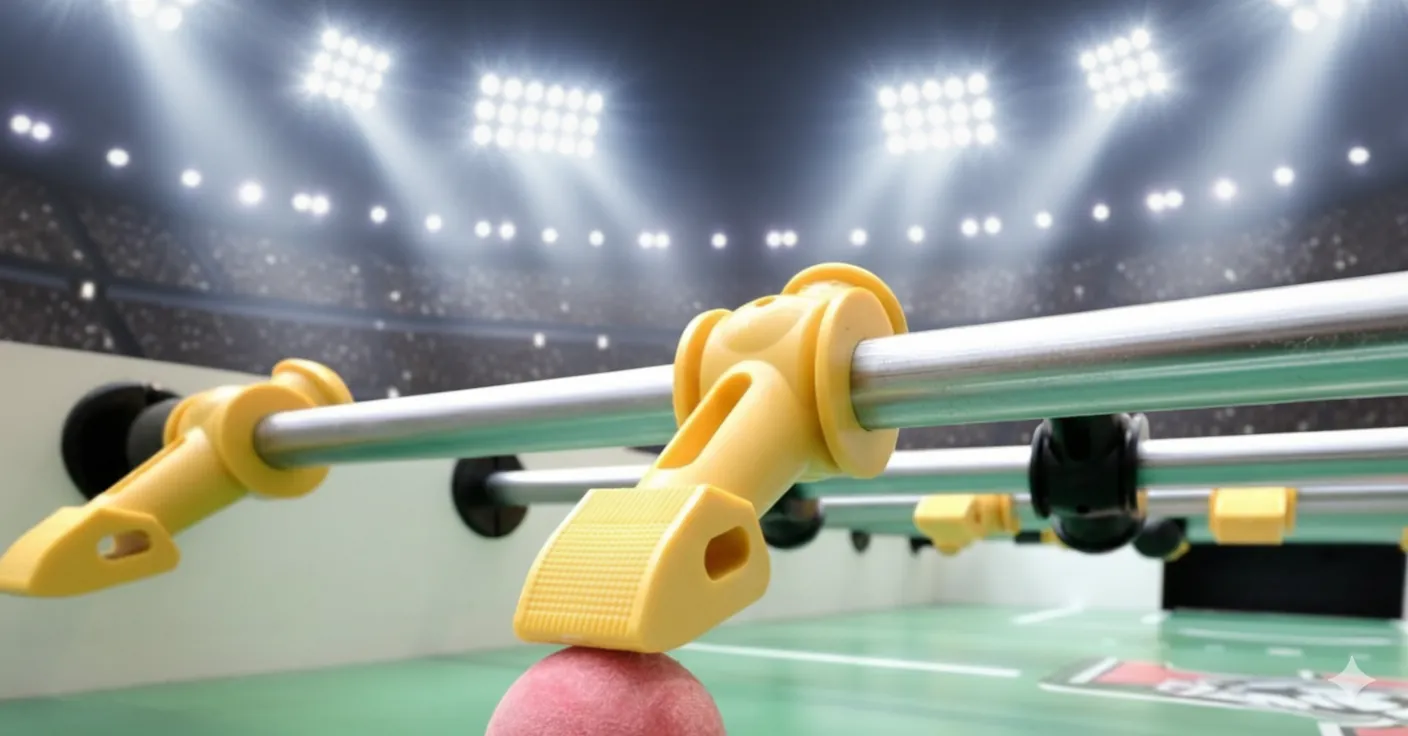
The International Foosball Table Federation (IFTF) acts as the central authority for technical standards. They define the precise dimensions of the table and ball to ensure consistency across borders. Without their specifications, a tournament in Berlin would play by different rules than one in New York. This standardization allows players to compete internationally without adjusting their style mid-event.
The World Table Soccer Association (WTA) focuses heavily on North American competitive structures. They organize major tournaments like the US Open, which serves as a primary qualifier for global events. Their calendar dictates the rhythm of the professional season in the region. Players must track these dates carefully to maintain ranking points and eligibility.
In Europe, the European Foosball Table Federation (EFTF) manages league play and championships. They coordinate a dense network of national associations to foster regional competition. Their structure emphasizes consistent league participation over isolated single events. This approach builds deeper skill sets among participants who engage regularly.
The National Foosball Association (NFA) prioritizes grassroots development and amateur growth. They provide resources for local clubs to establish stable leagues. Their focus is on accessibility rather than elite performance. This foundation ensures the sport remains viable at community levels.
Finally, the Foosball Table Federation (FTF) handles international team cups. They oversee qualification rounds for the World Cup. Their role connects national teams to the highest level of play. Success here requires coordination between national bodies and individual athletes.
International Foosball Table Federation (IFTF)
The International Foosball Table Federation (IFTF) sets the global technical standards for the sport. It ensures that tables and balls meet strict specifications so matches are fair everywhere. This body suits serious players who want to compete internationally or buy regulation-grade equipment.
- Defines exact table height and rod spacing for professional play.
- Specifies ball weight and material for consistent bounce and speed.
- Certifies tournament directors to ensure rules are applied correctly.
- Maintains the official rulebook used in most international events.
A concrete example is the IFTF’s requirement for a 57mm steel ball. This specific size prevents fast, unpredictable bounces that favor aggressive styles over skill. Players must check their table’s compliance with these specs before entering sanctioned events.
World Table Soccer Association (WTA)
The World Table Soccer Association (WTA) focuses heavily on North American competition structures. It runs the largest network of ranked tournaments in the United States and Canada. This organization is ideal for players in this region who want a clear path to pro status.
- Manages the annual ranking system for top amateur and pro players.
- Organizes the prestigious US Open, a key qualifier for world titles.
- Provides insurance coverage for event organizers and participants.
- Develops coaching certifications to raise the overall skill level locally.
For instance, the WTA hosts the “Pro-Am” division where amateurs can play alongside pros. This structure allows rising talents to gain experience against established champions without being overwhelmed. It creates a realistic ladder for career growth in the sport.
European Foosball Table Federation (EFTF)
The European Foosball Table Federation (EFTF) oversees the vibrant table soccer scene across Europe. It coordinates national federations and runs continental championships that attract thousands of spectators. This group is perfect for players seeking high-level competition in a culturally rich environment.
Standardizes rules across diverse European countries with varying traditions. Hosts the European Championship, featuring teams from over 30 nations. Promotes grassroots development through school and university programs. Facilitates cross-border league play for clubs in neighboring countries.
A key feature is the EFTF’s support for rapid-play formats in crowded venues. This adaptation allows more matches to happen in shorter times during festivals. It makes the sport accessible to casual fans while maintaining competitive integrity.
Teams must register their rod configurations before tournament play begins. The federation mandates specific ball types for official matches. These rules prevent home-field advantages based on equipment differences. Clubs often struggle with these technical requirements initially. Coaches spend extra hours ensuring rods meet specifications. Missing this step leads to immediate disqualification. Players should check the latest gear list online. Ignorance of these details costs valuable points early.
Grassroots programs focus heavily on youth engagement strategies. Schools receive specialized kits designed for classroom use. University leagues operate independently but follow EFTF guidelines. Cross-border leagues require mutual agreement between host clubs. Organizers must submit schedules six weeks in advance. Late submissions result in delayed start times. Venues need adequate lighting for broadcast purposes. Poor visibility reduces viewer interest significantly. Fans prefer clear sightlines to see player movements.
National Foosball Association (NFA)
The National Foosball Association (NFA) serves as a hub for amateur enthusiasts in the US. It emphasizes community building and recreational play rather than just elite competition. This association is best for beginners or those who value social interaction over rankings.
- Provides resources for starting new local leagues and clubs.
- Offers discounted equipment packages for group organizers.
- Creates online forums for sharing tips and organizing pick-up games.
- Supports charity tournaments that bring communities together for good causes.
Consider an NFA-sanctioned charity cup where proceeds go to local food banks. This model shows how the game can drive positive social impact beyond winning trophies. It lowers the barrier to entry for newcomers who want to contribute positively.
Other Notable Bodies
The Fédération Internationale de Football de Table (FFTT) enforces a strict 2-3-5 player formation, a configuration that prioritizes defensive stability over the aggressive attacking setups common in other regions. This structural choice creates a slower, more tactical game where midfield control is paramount.
Clubs affiliated with the FFTT often compete in tournaments that last several days, requiring players to maintain physical endurance through multiple matches. The organization’s emphasis on historical continuity means that rule changes are rare and heavily debated, preserving the traditional feel of the sport for purists who value consistency over modernization.
The Asian Table Soccer Union standardizes regulations across diverse markets, addressing significant variations in equipment quality and table dimensions found in countries like China and Japan. By establishing uniform ball sizes and table heights, the union ensures that competitive integrity remains intact regardless of location.
This standardization allows emerging talent from these regions to compete internationally without facing disadvantages due to unfamiliar gear or playing surfaces. The focus on growth involves grassroots programs that introduce the sport to schools and community centers, building a sustainable pipeline of skilled players for future professional leagues.
The South American Foosball League champions a high-energy style characterized by rapid hand movements and aggressive shot selection. Players in Argentina and Brazil often utilize tables with larger goals and lighter balls, which increases scoring frequency and excitement. This environment rewards quick reflexes and strategic deception, creating a dynamic spectacle that attracts large crowds.
The league’s structure encourages frequent local tournaments, fostering intense rivalries and a vibrant social culture around the game. This approach contrasts sharply with the methodical play seen in Europe, highlighting the sport’s adaptability to different cultural preferences and playing styles.
How to choose between them
Your choice depends on three main factors: your location, your skill level, and your goals. If you live in North America and want to climb the pro ranks, join the WTA. Their ranking system gives you clear metrics for improvement. If you’re in Europe and seek intense national rivalry, look to the EFTF for structured leagues.
For those outside these regions or interested in global rule consistency, the IFTF is essential. They provide the baseline standards that all other bodies respect. If you’re a beginner looking for fun and friends, start with the NFA or a local club. You don’t need to join multiple bodies immediately. Pick one that aligns with your geographic reality and competitive appetite. Most players start locally and expand their membership as they advance.
Related guides
- Best Foosball Tables Under 500: Top 5 Picks in 2026
- Foosball Resources: Where to Find Tactics and Gear in 2026
- Toilet Chair vs Standard Height: Which One Is Best for You in 2026
Frequently asked questions
Can I join multiple foosball associations at once?
Yes, you can hold memberships in several organizations simultaneously. Many players join a regional body for local play and a global one for international eligibility. Check each group’s dues and requirements to avoid conflicts. Some bodies allow dual membership with reduced fees for existing members.
Why do rules differ between associations?
Rules differ because historical traditions vary by region. Europe favors faster, physical play while North America often emphasizes precision. These differences create unique competitive environments. However, the IFTF works to harmonize core technical specs like ball size. This ensures fairness even when stylistic preferences diverge.
How long does it take to get ranked?
Ranking updates typically occur after every sanctioned tournament. Most associations publish results within two weeks of an event. Your first rank appears after you complete at least one rated match. Consistent participation over six months usually solidifies your standing.
Is it safe to play in large tournaments?
Yes, organized tournaments follow strict safety guidelines. Tables are secured to prevent tipping during intense matches. Staff monitor crowds to ensure orderly conduct. Always follow venue instructions and report any hazards immediately. Reputable associations carry liability insurance for all participants.
What happens if my table doesn’t meet standards?
Non-compliant tables may be barred from official matches. You’ll need to adjust rods or replace components to pass inspection. Contact your association’s technical director for specific repair advice. Some events offer rental tables for non-compliant players. Fixing issues early saves time and frustration.
Does age matter for joining?
No, age doesn’t restrict membership in most associations. Many groups offer junior divisions for players under eighteen. Senior categories exist for older adults seeking social play. Family-friendly events encourage multi-generational participation. Focus on skill and sportsmanship rather than birth year.
What is the cost to join?
Membership costs are generally low compared to the value provided, though additional expenses like tournament fees should be considered when evaluating overall worth.
Next steps for joining
Start by visiting the official portal to create your account. You’ll need a valid email address and a secure password. Verify your identity using the code sent to your inbox. This step ensures only authorized users access sensitive data.
Next, review the terms of service carefully. Pay attention to cancellation policies and refund windows. Many users overlook these details until it’s too late.
Finally, complete the onboarding survey. Your responses help tailor the experience to your specific needs. The system uses this information to configure your dashboard. Take your time here; accuracy matters more than speed.