
Running a foosball tournaments guide is straightforward when you know the rules. You need a standard table, two teams of four, and a clear scoring system. Start with a simple bracket format to keep things moving. Most local leagues use best-of-three matches to save time.
This guide covers how to set up your first event, from picking the right equipment to managing the score sheet. It also explains common mistakes that slow down play and how to fix them quickly so everyone stays engaged.
What this actually is
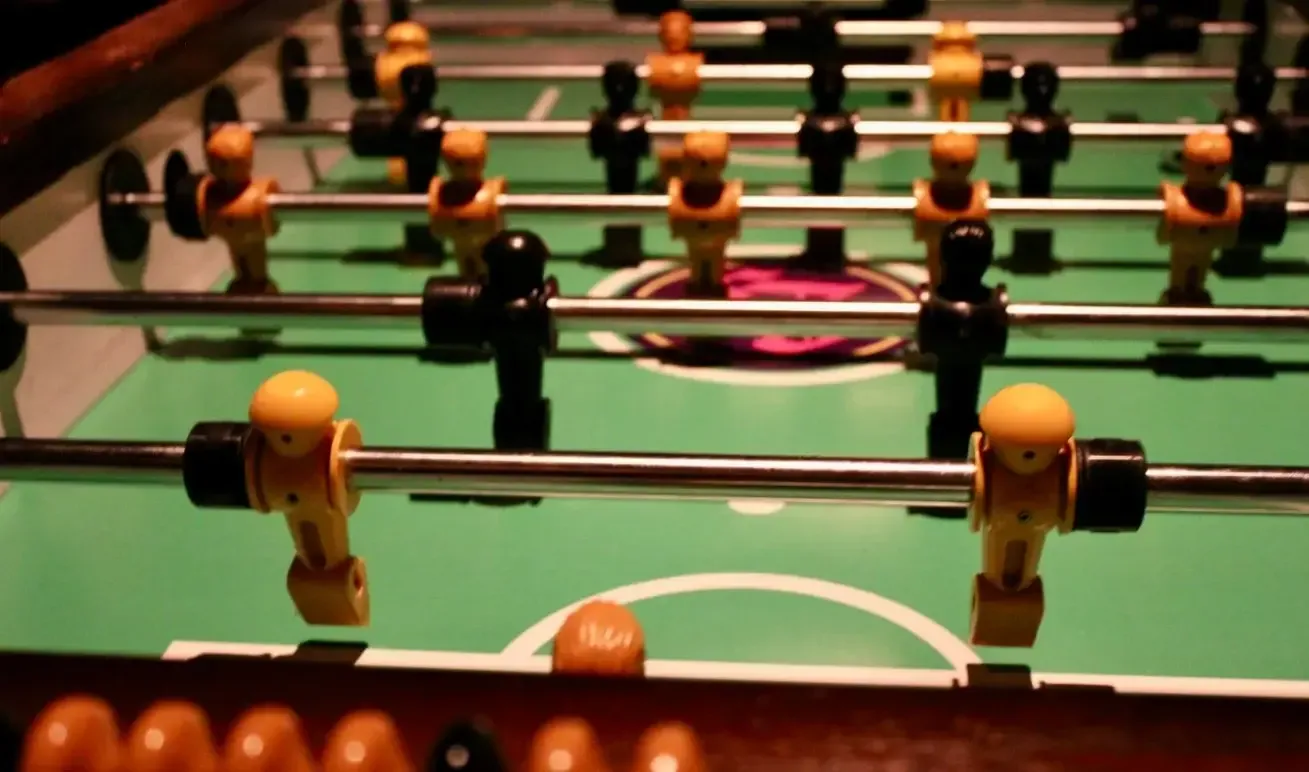
A foosball tournament is a structured competition where players or teams face off in scheduled matches to determine a winner. It follows strict rules about fouls, scoring, and turn order, ensuring fairness so every player knows exactly what’s allowed on the table.
Many people think any table works for serious play. That’s wrong. If the table isn’t regulation size, the game changes entirely. This matters because speed and spin behave differently on non-standard surfaces.
The main misconception is that experience doesn’t matter. In reality, skill gaps become obvious fast. Beginners often rush shots without control, while experienced players wait for the right angle. This difference helps you structure matches fairly.
You should also know that most tournaments use a double-elimination format. This gives players a second chance if they lose once. It keeps the energy high and reduces frustration. Without this rule, one bad match ends someone’s day early.
Finally, safety matters too. Rods can pinch fingers if handled poorly. Always check that guards are in place before play starts. A small oversight can lead to injury. Keeping the environment safe ensures everyone enjoys the game fully.
Official Foosball Rules
How to Run a Foosball Tournament
Setting up a successful foosball event takes planning. You don’t need a huge venue, but you do need organization. Here’s how to get started step by step.
- Choose your venue. Pick a space with enough room for at least two tables. Ensure there’s seating for spectators near each table. Good lighting helps players see the ball clearly.
- Select your tables. Check that rods move smoothly and bearings are clean. Replace worn balls with new ones before starting.
- Create a schedule. Write down match times. Allow 15 minutes per round for setup and breaks. Keep a master list of all participants.
- Prepare score sheets. Print forms with columns for team names, scores, and signatures. Have pens ready at each table. Assign a scorekeeper if needed.
- Brief the players. Explain the rules clearly. Show how fouls work and how to reset after a point. Answer questions before the first match begins.
- Start the first match. Begin on time. Encourage sportsmanship. Watch for rule violations gently.
- Manage transitions. Move winners to the next bracket quickly. Update the schedule board visibly. Keep the flow steady.
- Announce winners. Celebrate the final match carefully. Hand out prizes if available. Thank everyone for participating.
The single biggest judgment call is balancing speed with fairness. Rushing matches causes errors. Taking too long loses interest. Aim for 10–12 minutes per match. This keeps energy high without rushing decisions.
If you lack experience running events, ask a local league for help. They’ve done this many times. Their tips will save you hours of stress. Never guess the rules; always verify them first.
Key numbers and settings at a glance
Here are the essential figures you’ll need during your event. These settings ensure consistency across all matches.
| Situation | What to use | How long | What to watch for |
|---|---|---|---|
| Standard Match | Regulation Table | 10–12 mins | Fouls on rod rotation |
| Tie-Breaker | Sudden Death Ball | Until Goal | Fast-paced defense |
| Spectator Area | Seating Chairs | N/A | Clear sightlines |
| Scorekeeping | Paper Sheets | All Event | Accurate signature |
| Warm-up Time | Practice Balls | 5 mins | Ball pressure check |
| Break Interval | Water Station | 10 mins | Hydration reminder |
These numbers assume a standard indoor setting with moderate temperature. If your venue is larger, add extra walking time between rounds. For outdoor events, account for wind affecting ball trajectory. Adjust match length slightly if fatigue sets in early.
Always carry spare balls. A flat ball slows play significantly. Check pressure before each round. This small habit prevents delays later. Players appreciate knowing the ball is fresh.
Keep a timer visible. It helps players stay aware of time limits. Announce “two minutes left” to prepare them. This builds tension naturally. It also stops arguments over extended play.
Remember, these are guidelines, not laws. Adapt them to your group’s pace. If players want longer matches, allow it. Flexibility makes the event more enjoyable for everyone involved.
What separates good results from bad ones
Good tournaments feel smooth. Bad ones feel chaotic. The difference comes down to preparation and attention to detail. Experienced organizers focus on flow, not just rules.
First, they inspect every table thoroughly. Loose screws cause wobbles. Worn bearings make rods stick. They fix these issues before players arrive. A smooth table lets skill shine. A broken table frustrates everyone.
Second, they manage the bracket carefully. Winners advance quickly. Losers get moved to consolation brackets. No one sits idle for long. Idle players lose interest. Active players stay engaged. This balance keeps the energy up throughout the day.
Third, they enforce rules consistently. Fouls happen. They address them immediately. Ignoring a foul creates resentment. Consistency builds trust. Players respect the organizer who stands firm on fairness.
Fourth, they communicate clearly. Signs show where to go. Lists update in real-time. Questions are answered promptly. Silence creates confusion. Clarity creates confidence. Players know exactly what to do next.
Finally, they celebrate wins sincerely. Applause matters. Prizes matter less than recognition. A sincere handshake goes further than a cheap trophy. People remember how they felt, not what they won. Make sure everyone feels valued at the end.
Common problems and quick fixes

Even well-planned events hit snags. Here’s how to handle the most frequent issues quickly.
| What you notice | What it usually means | What to do first |
|---|---|---|
| Rod sticks | Bearing wear or dirt | Clean and lubricate rod |
| Ball bounces weirdly | Wrong pressure or shape | Replace with regulation ball |
| Score disagreement | Miscount or forgetfulness | Review sheet together |
| Player late | Poor time management | Start without them, note forfeit |
| Noise complaint | Crowd excitement | Move table away from quiet zone |
These fixes address the root cause directly. Don’t ignore small signs. A sticking rod today becomes a broken rod tomorrow. Fix it now while it’s easy.
If the ball behaves oddly, stop play immediately. Don’t try to adjust it mid-match. Swap it out cleanly. Resume only when the new ball is confirmed good. Speed here prevents frustration.
For score disputes, rely on the written sheet. Verbal claims fade. Paper records remain. If both sheets disagree, replay the last point. This resets the state fairly. Everyone accepts the result.
Late arrivals disrupt flow. Start the match anyway. Record the absence as a forfeit. Inform the player afterward. This keeps the schedule intact. Punishment is automatic, not emotional.
Noise complaints are common in public spaces. Move the table slightly. Add a barrier if possible. Ask players to lower voices. Respect shared environments. Good neighbors host better events.
The rules that apply
Foosball has formal rules governing play. These come from recognized bodies like the US Foosball Association. They ensure consistency across different venues.
Key rules include: no lifting the table, no using hands on rods, and no blocking the opponent’s view. Fouls result in loss of possession or point deduction. Serious violations can lead to disqualification.
Rod spacing must be precise. Bearings must allow free movement. Any deviation invalidates the match for official purposes.
Scoring follows standard conventions. Goals count only when the ball crosses the line completely. Overtime rules vary by tournament type. Always clarify before starting.
Safety regulations require stable bases. Tables must not tip easily. Rod ends must be capped to prevent injury. These rules protect players and spectators alike. Ignoring them risks liability.
Check the latest rulebook annually. Rules evolve. What was true last year may change now. Staying current shows professionalism. It also prevents disputes over outdated interpretations.
Keeping it working afterwards
After the event, care for your equipment. This extends its life and ensures future success.
Clean the tables thoroughly. Remove dust and debris from bearings. Wipe down rods with a dry cloth. Store balls in a sealed container to maintain pressure. This prevents drying out.
Inspect for damage. Look for cracked wood or loose joints. Tighten any screws found during play. Lubricate rods if they feel stiff. Address minor issues before they worsen.
Record maintenance logs. Note what was fixed and when. This history helps predict future needs. It also proves care to potential renters or buyers. Documentation adds value.
Store equipment properly. Cover tables to block dust. Keep balls away from heat sources. Extreme temperatures warp materials. Cool, dry storage preserves integrity longest.
Schedule regular checks. Every six months, inspect bearings and rods. Test stability under load. Replace worn parts proactively. Prevention costs less than repair.
By maintaining your gear, you honor the investment. Players trust reliable equipment. It reflects well on your reputation. Good care leads to repeat business. Simple habits yield big rewards.
When to use a different approach

Sometimes, a standard tournament isn’t the best fit. Recognizing this saves time and money. Consider alternatives when certain conditions arise.
If you have fewer than eight players, skip brackets. Use a round-robin format instead. Everyone plays everyone else. This guarantees more games for each person. It’s fairer for small groups.
If your venue lacks power outlets, avoid electronic scoring. Stick to paper sheets and manual timers. Technology fails without electricity. Simplicity ensures reliability. Don’t risk downtime for gadgets.
If players are mostly beginners, focus on fun over competition by using simplified rules, shortening match times, and offering participation trophies. Learning happens faster in low-pressure settings, whereas competition can intimidate novices.
In these cases, adapt the structure. Flexibility serves everyone better. Rigid formats fail when context changes. Listen to your group’s needs. Adjust accordingly. Success lies in responsiveness, not rigidity.
Related guides
- Best Foosball Tables Under 500: Top 5 Picks in 2026
- Foosball Resources: Where to Find Tactics and Gear in 2026
- 9 Best Router for Xfinity Picks for Every Home Setup in 2026
Frequently asked questions
How long does a typical foosball tournament last?
A standard tournament lasts 3–5 hours. This assumes 8–16 players and best-of-three matches. Larger groups take longer. Smaller groups finish sooner. Plan buffer time for breaks and transitions.
Why do I need a regulation table?
Regulation tables ensure consistent ball behavior and rod response. Non-standard tables alter physics unpredictably. This affects fairness and skill demonstration. Official rules require compliance for valid results.
How often should I replace foosball balls?
Replace balls every 6–12 months depending on usage. Check for flatness weekly. A hard ball bounces too high. A soft ball rolls slowly. Maintain optimal pressure for best play.
Is it safe to play foosball daily?
Daily play is safe if you follow proper form. Avoid excessive force on rods. Take breaks every hour to stretch. Repetitive strain injuries are rare but possible. Listen to your body and rest when needed.
What happens if a player arrives late?
Late arrivals forfeit their match. The opponent advances automatically. Notify the player afterward. This keeps the schedule on track. Enforce this rule consistently to maintain order.
Conclusion
Grab your friends and book a table. Try a new format, like round-robin, to keep the energy high. Share your results online to build a local community. You’ll find more players and better matches soon. Just show up, play hard, and have fun together.