
A used foosball table is worth about $100 to $400, while a new one costs $200 to $1,500. The price depends on the brand quality and how worn the parts are. Cheap plastic models lose value fast, but solid wood tables hold their price better if you keep them clean.
Quick Value Guide
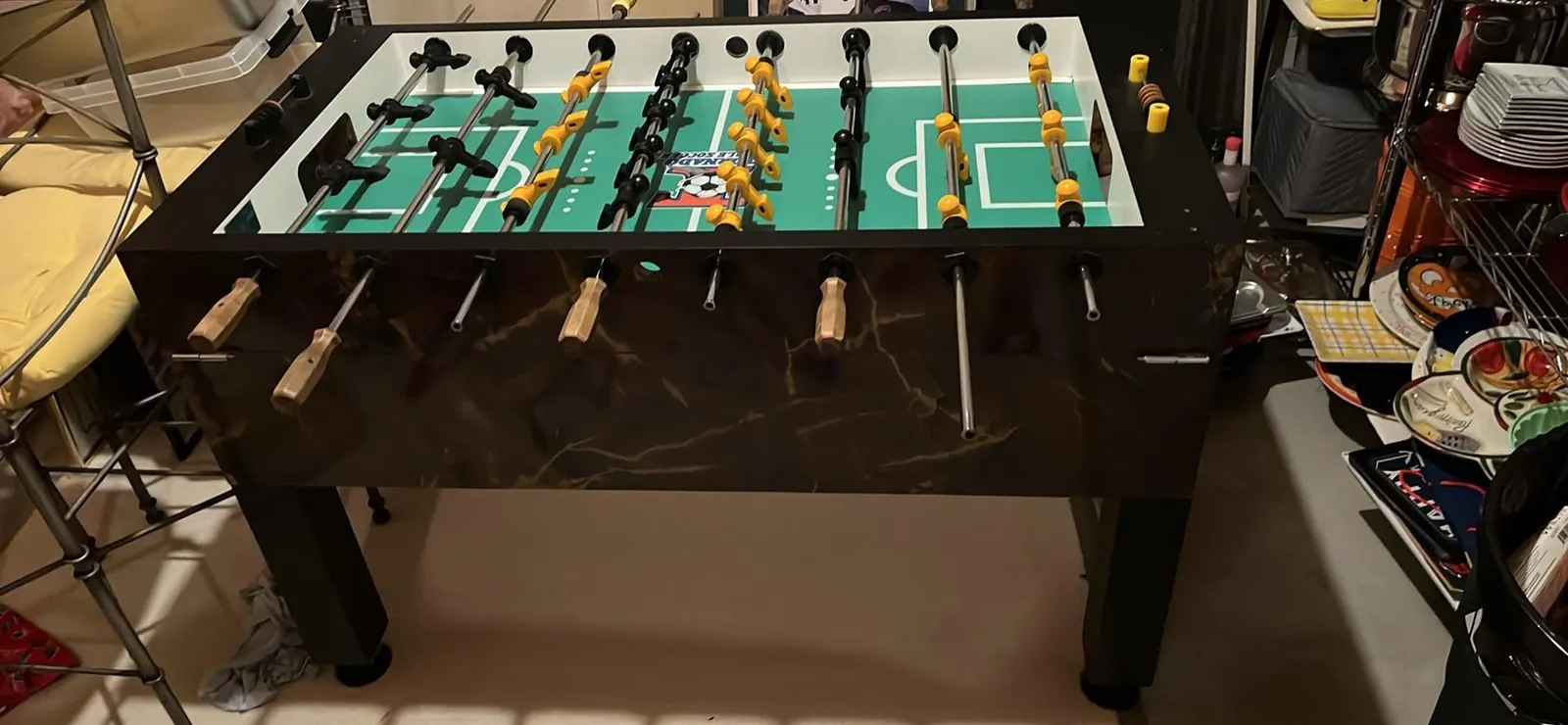
Basic plastic tabletop games sell for $20–$60 because they break easily and feel cheap. The structural integrity of these items relies entirely on thin, injection-molded joints that snap under lateral stress.
If you drop a game from waist height onto a hardwood floor, the internal locking mechanisms usually fail before the outer shell cracks. This fragility dictates the low ceiling for resale value. Collectors avoid these units not just for their aesthetic, but for the inevitable repair costs that follow purchase. You’re buying a disposable item, not an heirloom.
Mid-range metal or mixed-material tables range from $150–$400 when used in good shape. These pieces survive because the steel frame absorbs impact that would shatter plastic components. However, rust is the silent killer of value here. Check every screw hole and hinge point for orange discoloration.
Even surface oxidation reduces the price significantly because it signals moisture damage to the underlying wood or composite materials. A table with clean, unpitted metal commands the top end of this bracket. One with flaky paint or corroded bolts belongs at the lower limit.
High-end solid wood tables with steel rods often cost $500+ new and retain value well. The key differentiator is the joinery. Look for dovetail or mortise-and-tenon connections rather than staples or glue-only assemblies. These traditional methods allow the wood to expand and contract without splitting. They also signal that the manufacturer invested time in construction rather than speed. These tables age gracefully, developing a patina that enhances their appeal rather than detracting from it.
Heavy damage like bent rods or cracked boards drops the price by 50% or more instantly. Straightening a bent rod requires heat and force that often weakens the metal further. Cracked boards can’t be seamlessly repaired; any filler leaves a visible scar. Buyers see these flaws as permanent defects, not temporary issues. They will offer half the price immediately, assuming you’ll never fix them properly.
Rare vintage brands can fetch higher prices from collectors who want specific retro designs. Provenance matters here. Original boxes, instruction manuals, and replacement parts increase desirability. Without these accessories, the value plummets back to standard market rates. Identify the brand year and model number before listing. Specificity attracts serious buyers who know exactly what they’re hunting for.
Why Value Drops So Fast
The physical toll on a foosball table is immediate and cumulative. Every match subjects the rods to lateral stress that bends them slightly. These micro-deformations accumulate until the players no longer spin freely. Bearings seize up from dust and sweat infiltration. The playing surface accumulates deep scratches from plastic figures striking it repeatedly. This wear isn’t cosmetic; it alters gameplay mechanics directly.
Buyers perceive this damage instantly. They inspect the rod alignment by eyeing the player rows. If any row tilts, they assume internal frame warping. They test the spinning action with a finger flick. Resistance signals failing bearings or dried lubricant. These checks happen in seconds during a viewing. A single sign of resistance drops the perceived value by half.
Shipping costs create a hard ceiling for resale. A standard table weighs over 200 pounds. Freight carriers charge based on volume and weight tiers. Delivery fees often exceed $150 for local moves. Buyers refuse to pay this premium because they can buy new units for less. Sellers must absorb these costs or slash prices drastically.
Unlike solid wood furniture, tables lack heirloom status. They’re viewed as disposable entertainment. The market expects rapid depreciation. You can’t polish away bent rods. You can’t refinish scratched surfaces easily. The item’s utility degrades faster than its appearance suggests. Price reflects this inevitable decay curve.
When Prices Change
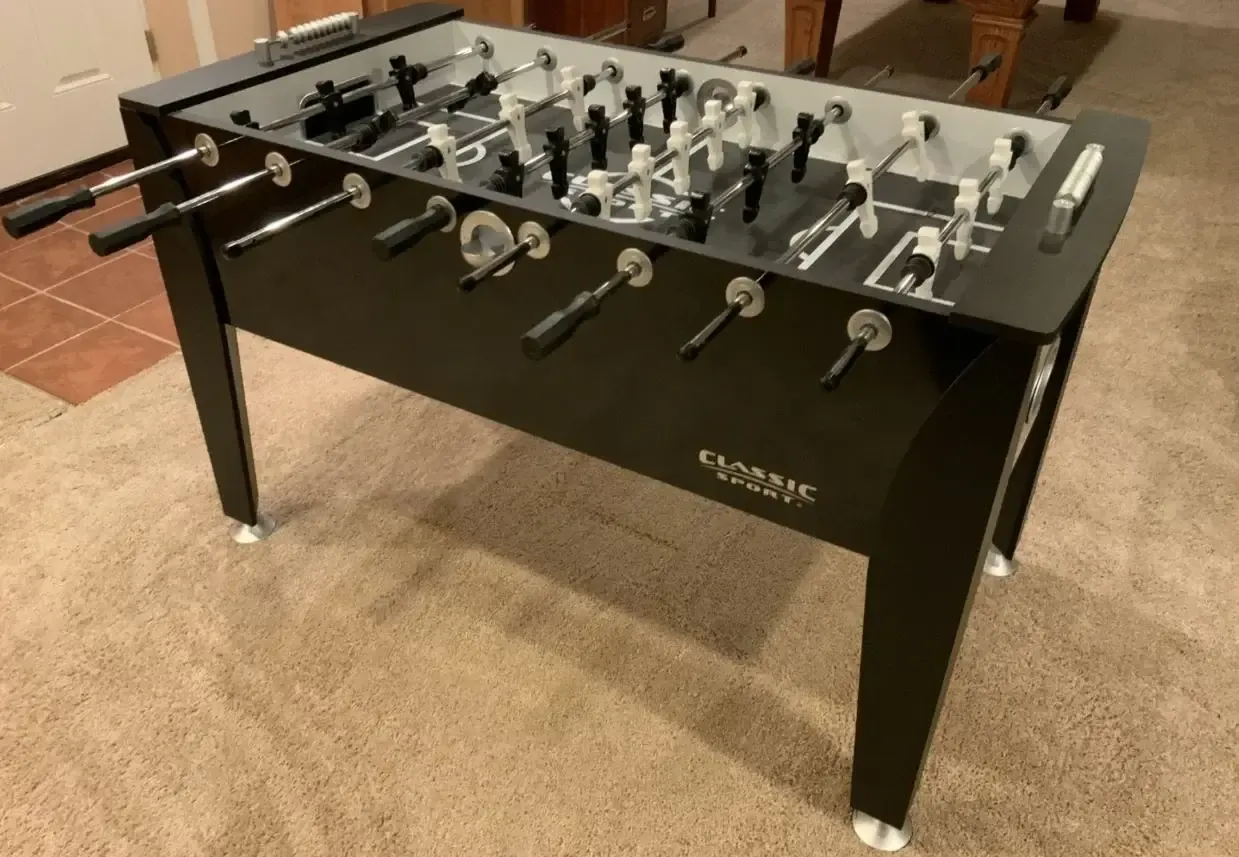
Rust on rods isn’t just cosmetic. It signals deep structural failure that sanding can’t fix. Buyers see the orange flakes and assume the internal integrity is compromised. Don’t attempt to polish away corrosion on load-bearing parts. The metal has lost its tensile strength.
Selling a table with rusted rods invites returns or disputes. You must replace the rods entirely before listing. Source exact matches from the manufacturer or use heavy-gauge steel equivalents. This upfront cost protects your reputation and ensures a clean transaction.
Chipped playing surfaces create safety hazards and uneven gameplay. A flawless finish is essential for serious collectors. Start by sanding the board with 120-grit paper to remove loose debris. Follow with 220-grit to smooth the texture. Apply a fresh coat of polyurethane or specialized board sealant.
Let it cure for forty-eight hours. This process restores both appearance and playability. It transforms a damaged item into a premium product. Never list a chipped board as-is unless you explicitly lower the price to reflect the defect. Most buyers will walk away if they see cracks. Refinishing takes effort but doubles the potential sale value.
Missing figures break the immersion of the game. An incomplete set feels broken to most players. Search online marketplaces like eBay or BoardGameGeek for individual pieces. If you can’t find exact matches, consider lowering the price significantly. Alternatively, sell it as a “parts only” lot. Be transparent about what is missing in the description.
Honesty prevents negative feedback. Shipping heavy tables locally saves substantial freight fees. Online shipping costs often exceed the item’s value. Use Facebook Marketplace or local classifieds for heavy items. Highlight material thickness if the brand is unknown. Generic boards vary wildly in quality. Specific measurements build trust where logos fail.
How to Boost Your Price
Start by scrubbing the felt with a dedicated table cleaner, not just soap. Soap leaves a residue that attracts more dust and makes the ball sluggish. Let it dry completely before you touch anything else. This single step changes how the game feels and signals to buyers that you care about performance, not just appearance.
Next, check the bearings under each player figure. If they feel gritty, apply a drop of silicone spray. Don’t use WD-40, as it attracts debris and ruins the mechanism over time. Spin each rod by hand. It should move freely without sticking or wobbling. A smooth action is worth more than a shiny finish.
Tighten every screw on the legs and base. Wobble kills confidence. Buyers will test this immediately. If the table shifts even slightly, they assume internal damage. Fix it now so they see stability.
Polish the rods gently. Remove scratches only if they’re shallow. Deep gouges can’t be fixed and must be disclosed. Hiding them leads to returns. Be honest about wear. Serious players know what to look for.
Take photos in daylight. Show the clean surface and moving parts. List locally first. Shipping heavy tables costs a fortune. Mention the brand and weight class. These details attract serious buyers who value quality over cheap prices.
Mistakes That Lower Value
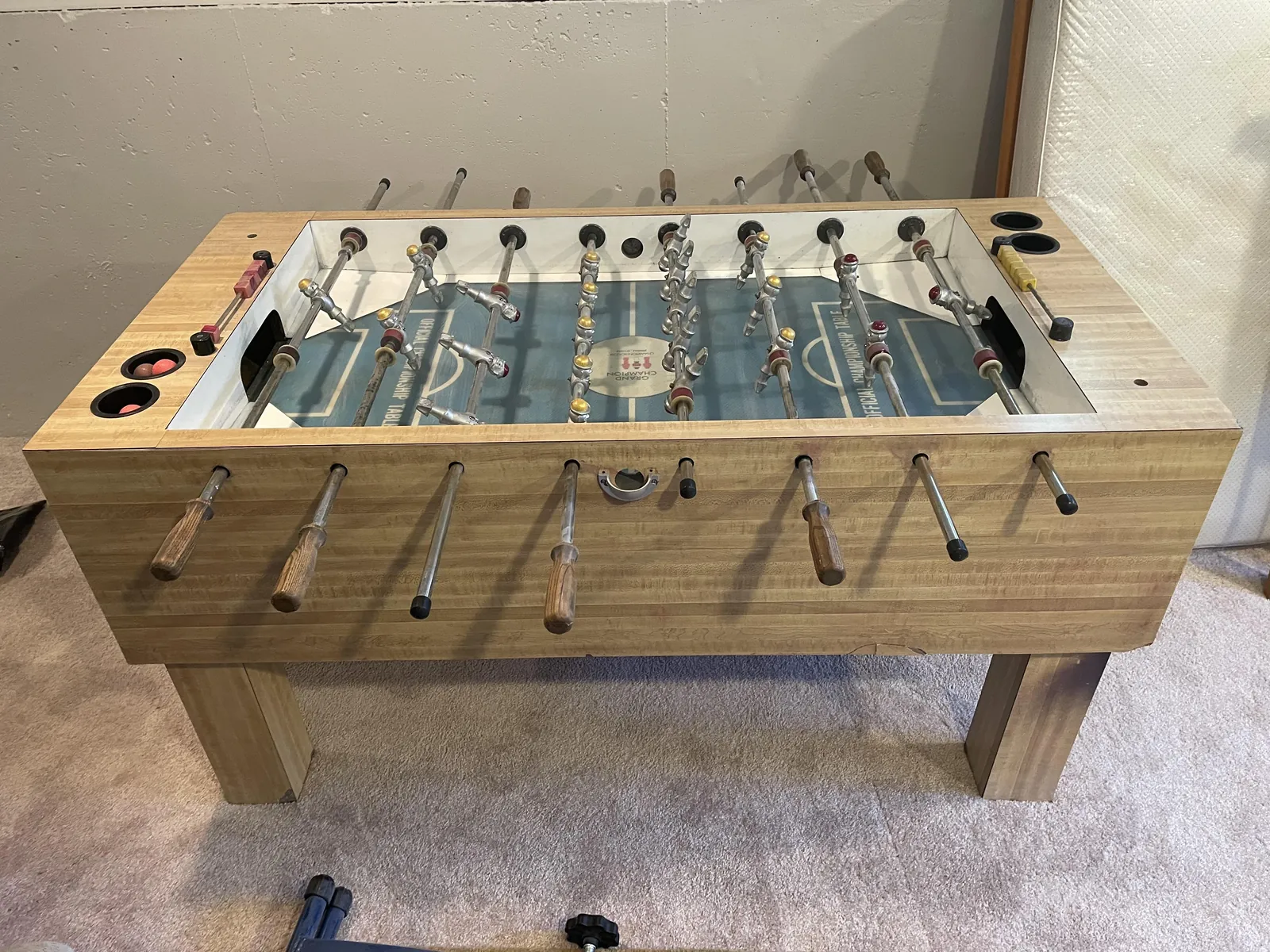
A dirty table surface does more than just look bad. It signals to the buyer that you have neglected the maintenance of the unit. They assume if you ignored the exterior, you likely ignored the internal mechanics too. This perception lowers their offer before they even inspect the frame. Wipe it down with a mild soap solution and dry it thoroughly. This simple step shows respect for the equipment and builds trust immediately.
Bent rods aren’t just cosmetic flaws. They indicate structural compromise in the entire frame. Buyers will doubt the safety and longevity of the unit. If you ignore this, you give them a valid reason to walk away or demand a steep discount. Inspect every rod carefully. Look for kinks, bends, or cracks. If you find any, repair or replace them before listing. A straight frame commands a higher price and attracts serious buyers who value quality.
Harsh chemicals can strip paint and cause long-term damage. Avoid solvents, abrasive cleaners, or strong acids. These substances degrade the finish and expose the metal to rust. Use only recommended cleaning agents. Test any new product on a small, inconspicuous area first. This prevents accidental damage that reduces the item’s value significantly. Proper care preserves the aesthetic appeal and extends the life of the equipment.
Not testing the rods before listing leads to awkward negotiations. Buyers expect smooth movement. If they encounter stiff or stuck mechanisms, they will question your honesty. They may suspect hidden issues you failed to disclose. Always test all moving parts thoroughly. Lubricate joints as needed. Ensure everything operates freely. This transparency avoids disputes and speeds up the sale process.
Charging based on original retail price is a common mistake. The used market has different dynamics. Original prices don’t reflect current demand or condition. Research similar listings to set a realistic price. Consider factors like age, wear, and included accessories. Overpricing deters potential buyers and prolongs the selling process. Price competitively to attract interest and secure a fair return quickly.
Related guides
- Best Foosball Tables Under 500: Top 5 Picks in 2026
- How to Paint a Glass Table Top: A Step by Step Guide
- How to Dispose of Large Glass Table Top Panels Safely
Frequently asked questions
How much is a used foosball table worth?
Most used tables sell for $100 to $400 depending on condition. A basic model might only get $50, while a premium brand could reach $500. Check local listings to see what similar items go for in your area.
Is it worth buying a cheap foosball table?
Cheap tables often break within a year due to thin materials. They usually have sticky rods and flimsy players. You might save money upfront but spend more on repairs later. Spending a bit more on a mid-range table saves frustration.
How long does a foosball table last?
A good quality table lasts 10 to 20 years with regular care. Plastic models may only last 2 to 3 years. Wooden tables with steel rods endure much longer than composite ones. Regular maintenance extends the lifespan significantly.
Can I sell my foosball table online?
Yes, you can sell online through platforms like eBay or Facebook Marketplace. Local sales are easier because buyers pick up the heavy item themselves. Online shipping costs can be very high for large boxes. Always measure the box size before listing.
Does brand matter for resale value?
Brands like Bally or Shelti hold value better than generic names. Known manufacturers use durable materials that buyers trust. Generic tables often lack sturdy construction and reliable bearings. Check the brand stamp inside the table to identify it.
What damages a foosball table the most?
Bent rods and chipped playing surfaces cause the most damage. Harsh cleaning agents can also ruin the finish over time. Excessive force during play stresses the bearings and joints. Store the table in a dry place to prevent rust.
How do I know if a table is good quality?
Look for solid wood construction and steel rods rather than plastic. The players should spin freely without sticking. Check that the base is heavy enough to stay stable. Read reviews for the specific model before buying.
Should I refurbish an old table?
Refurbishing is worth it if the frame is solid and undamaged. Replacing rods and bearings costs less than buying new. Painting the surface can restore its original look. Skip refurbishing if the wood is rotting or cracked deeply.
Conclusion
So, check local listings for a good deal or list your own table if it’s in great shape. Keep the rods clean and the surface dry to protect your investment. Enjoy the game with friends, knowing you got a fair price for quality fun that lasts for years.