
When it comes to choosing the right CPVC cement for your plumbing projects, you might find yourself stuck between yellow vs orange CPVC cement. You want a product that’s reliable, easy to use, and gives you the best results without any hassle.
But how do you know which color really makes a difference? This article will clear up the confusion and help you make the smartest choice for your pipes. By the end, you’ll feel confident about picking the right cement that fits your needs perfectly.
Keep reading to discover what sets yellow and orange CPVC cement apart and why it matters to you.
Color Differences
Yellow and orange CPVC cement have clear color differences. These colors help users identify the product quickly. The color is not just for looks. It plays a practical role in plumbing and construction.
Shade Variations
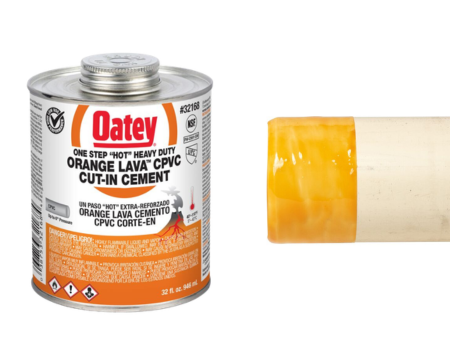
Yellow CPVC cement has a bright, pale yellow shade. It looks light and easy to spot. Orange CPVC cement is deeper and more vibrant. The orange shade is closer to a burnt orange color. Both colors are easy to see on pipes and fittings. This helps workers check the cement application quickly.
Purpose Behind Colors
Colors show the type of cement and its use. Yellow cement is often for general CPVC pipe work. It signals a standard formula for common jobs. Orange cement usually means a stronger or faster-setting product. The color warns users about its specific features. This helps avoid mixing different cements by mistake. Colors also help during inspections to confirm the right cement is used.
Chemical Composition
Understanding the chemical composition of yellow and orange CPVC cement helps in choosing the right product. The makeup of these cements affects how well they bond and last. Differences in ingredients can change how they behave during application and in use.
Key Ingredients
Both yellow and orange CPVC cements mainly contain solvents and resins. These solvents help dissolve the CPVC pipe surface slightly. This softening allows the resin to fuse the pipe and fitting together. The resins act like glue, holding the pieces firmly. Some cements add colorants to identify the product type easily. The yellow cement often uses a different dye than the orange one. This color does not affect the chemical strength but aids in visual checks.
Impact On Performance
The chemical mix influences drying time and bond strength. Yellow CPVC cement usually dries faster. This speed suits quick repairs or smaller jobs. Orange cement tends to form a stronger bond. It is ideal for high-pressure or industrial pipes. The solvent ratio affects how well the pipe softens. Too much solvent can weaken the joint. Too little solvent may cause poor fusion. The resin type also affects durability and resistance to heat and chemicals. Selecting cement with the right composition ensures a secure, long-lasting connection.
Application Areas
Understanding the application areas of yellow and orange CPVC cement helps in choosing the right product. These cements are designed for joining CPVC pipes and fittings securely. Each color has specific uses based on its properties and formulation. Knowing where to use them ensures strong, leak-proof connections in piping systems.
Suitable Pipe Types
Yellow CPVC cement works well with standard CPVC pipes. It suits pipes used in hot and cold water supply systems. This cement creates a solid bond, preventing leaks.
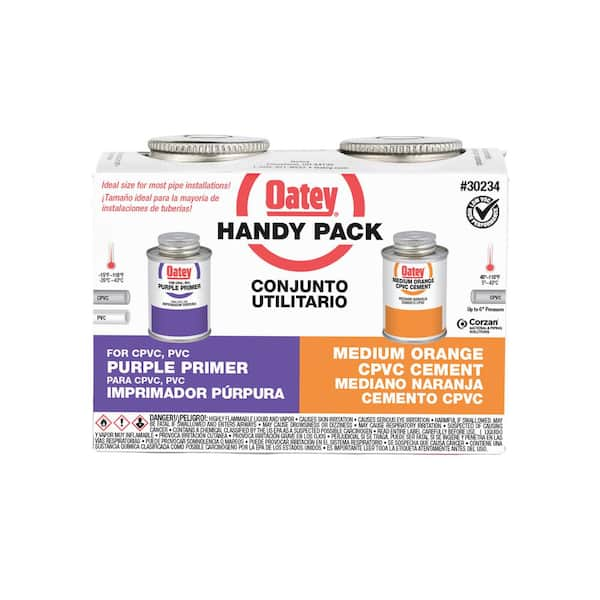
Orange CPVC cement is often used for pipes with higher chemical resistance needs. It fits well with pipes in industrial settings where harsh chemicals flow. It also works with some CPVC pipes that require faster curing times.
Industry Usage
Yellow CPVC cement is common in residential plumbing. It is popular in water supply and irrigation systems. Its durability suits everyday water flow and pressure.
Orange CPVC cement finds use in industrial and commercial areas. It is preferred in chemical processing plants and factories. This cement handles tough conditions and aggressive chemicals better.
Credit: www.homedepot.com
Setting Time
Setting time is a key factor in choosing between yellow and orange CPVC cement. It tells how fast the cement hardens after application. A faster setting time means quicker project completion. The right setting time ensures strong joints and less chance of leaks.
Curing Duration
Curing duration is the period the cement takes to fully harden. Yellow CPVC cement usually cures faster, often within 10 to 15 minutes. Orange CPVC cement may take longer, around 20 to 30 minutes. Faster curing helps speed up plumbing work. It allows pipes to be handled or pressure tested sooner.
Factors Affecting Drying
Several factors influence how quickly CPVC cement dries. Temperature plays a big role—warmer conditions speed up drying. Humidity also matters; high moisture slows the process. The thickness of the cement layer affects drying time too. Applying too much cement can extend setting time. Proper ventilation helps the cement dry evenly. These factors should be considered for best results.
Strength And Durability
Strength and durability are key factors when choosing CPVC cement. The right cement ensures strong joints and long-lasting performance. Both yellow and orange CPVC cements offer reliable bonding, but they differ in some ways. Understanding these differences helps in picking the best option for your project.
Bond Strength
Bond strength measures how well the cement sticks two CPVC pipes together. Yellow CPVC cement creates a solid, tight bond that holds pipes firmly. Orange CPVC cement also forms strong joints but tends to cure faster. Both types provide durable connections that resist leaks and pressure. Proper application is important to achieve the best bond strength.
Resistance To Wear
Resistance to wear means how well the cement stands up to use over time. Yellow CPVC cement resists cracking and breaking under stress. Orange CPVC cement is designed to handle high pressure and temperature changes. Both cements maintain their strength even after long exposure to water and chemicals. This quality ensures the plumbing system stays intact for years.

Credit: www.youtube.com
Handling And Safety
Handling and safety are crucial when working with Yellow and Orange CPVC cement. Both types contain chemicals that require careful use. Proper safety helps avoid health risks and accidents. Understanding how to handle these cements safely protects you and others on site.
Toxicity Levels
Yellow CPVC cement often has higher solvent content. This can increase its toxicity compared to orange cement. Breathing fumes from either cement can cause dizziness and irritation. Prolonged exposure may harm the respiratory system. Avoid direct skin contact, as it can cause irritation or burns. Always check the product label for specific toxicity information.
Protective Measures
Wear gloves to protect your skin from contact. Use safety goggles to shield your eyes from splashes. Work in well-ventilated areas to reduce inhalation of fumes. A mask or respirator can help when ventilation is poor. Keep cement containers tightly closed when not in use. Store them away from heat and open flames. Follow all manufacturer instructions for safe handling and disposal.
Cost Comparison
Cost plays a big role in choosing between yellow and orange CPVC cement. Understanding the price difference helps buyers pick the best option for their needs. This section breaks down the cost aspects clearly.
Both types serve similar purposes but come at different prices. Knowing these differences can save money and avoid surprises during purchase.
Price Differences
Yellow CPVC cement usually costs less than orange cement. The price gap can vary by brand and location. On average, yellow cement is about 10% cheaper. This lower cost suits small projects or tight budgets. Orange cement tends to be priced higher due to added features or stronger bonding agents. Buyers pay more for this enhanced performance.
Value For Money
Choosing cheap cement is not always best. Orange CPVC cement often offers better durability and stronger joints. This means fewer repairs and longer pipe life. Spending a bit more can save money in the long run. Yellow cement works well for less demanding uses. It provides decent strength and fast drying times. Buyers should consider project size, pipe type, and expected wear. The right choice balances price with quality and use.
User Preferences
User preferences vary widely when choosing between yellow and orange CPVC cement. These choices depend on practical needs, past experiences, and ease of use. Understanding what drives these preferences helps in selecting the right product for specific projects.
Contractor Choices
Contractors often pick CPVC cement based on reliability and drying time. Yellow cement is popular for its quick setting properties. Orange cement attracts those who want a strong bond with longer working time. Many contractors trust brands they have used before. Experience and project type strongly influence their choice.
Customer Feedback
Customers share mixed opinions about yellow and orange CPVC cement. Some prefer yellow because it is easier to apply and clean. Others like orange for its visible color, which shows where it has been applied. Many users mention the importance of clear instructions. Overall, ease of use and drying speed matter most to buyers.
Storage And Shelf Life
Proper storage and understanding the shelf life are crucial for Yellow and Orange CPVC cement. These factors keep the cement effective and safe to use. Poor storage can reduce the glue’s strength and lead to project failures.
Optimal Storage Conditions
Store CPVC cement in a cool, dry place away from sunlight. Keep the container tightly closed to avoid air exposure. High temperatures can cause the cement to dry out or thicken. Avoid storing near heat sources or open flames. A temperature between 40°F and 90°F is ideal. Shake the container gently before use to keep the mixture even.
Expiry Considerations
CPVC cement has a limited shelf life, usually 6 to 12 months from the manufacturing date. Check the label for the expiration date before use. Expired cement loses bonding power and may not cure properly. Using old cement can cause leaks or weak joints. Always replace cement past its expiry to ensure strong and lasting connections.
Credit: www.oatey.com
Frequently Asked Questions
What Is The Main Difference Between Yellow And Orange Cpvc Cement?
Yellow CPVC cement usually has a slower drying time than orange cement. Orange cement tends to dry faster and bond quicker.
Which Cpvc Cement Color Is Better For Plumbing Work?
Both yellow and orange cements work well for plumbing. Choice depends on drying time preference and job conditions.
Can Yellow Cpvc Cement Be Used On Orange Cpvc Pipes?
Yes, yellow CPVC cement can bond with orange pipes. Always check manufacturer instructions for compatibility.
Is Orange Cpvc Cement Stronger Than Yellow Cpvc Cement?
Strength is quite similar for both colors. Performance depends more on proper application than cement color.
How Long Does Yellow Cpvc Cement Take To Dry?
Yellow CPVC cement usually dries within 15 to 30 minutes. Full cure may take up to 24 hours.
Why Is Orange Cpvc Cement More Popular Than Yellow?
Orange CPVC cement is popular due to its faster drying time. It helps speed up plumbing installations.
Are Yellow And Orange Cpvc Cements Safe For Drinking Water Pipes?
Both cements are formulated to be safe for potable water pipes. Always use products meeting local safety standards.
Conclusion
Choosing between yellow and orange CPVC cement depends on your project needs. Yellow cement works well for certain pipe sizes and conditions. Orange cement is often preferred for stronger, faster bonding. Both types ensure a reliable, leak-proof connection when used correctly.
Think about the pipe type, temperature, and drying time before deciding. Use the right cement to keep your plumbing safe and sturdy. Simple care in choosing helps avoid future repairs and saves money. Trust your project’s requirements to guide your choice.