
Choosing the right grout for your flagstone can make all the difference in how your outdoor space looks and lasts. You want something that holds up against weather, won’t crack easily, and highlights the natural beauty of your stone.
But with so many options out there, how do you know which grout is truly the best? You’ll discover exactly what to look for and which grout will give your flagstone the perfect finish. Keep reading, and you’ll be ready to make a smart choice that protects your investment and keeps your flagstone looking great for years.
Types Of Grout For Flagstone
Choosing the right grout for flagstone is important for lasting results. Different grout types work better for certain projects. Each grout has unique features and uses. Understanding these helps you pick the best option for your flagstone.
Cement-based Grout
Cement-based grout is the most common type. It is made from cement, sand, and water. This grout is easy to apply and affordable. It works well for indoor and outdoor flagstone. Cement grout can crack if exposed to too much moisture.
Epoxy Grout
Epoxy grout is strong and waterproof. It resists stains and chemicals. This grout is perfect for wet areas or heavy traffic. It takes longer to dry and is harder to work with. Epoxy grout lasts longer than cement grout.
Polyurethane Grout
Polyurethane grout is flexible and durable. It moves with the flagstone to prevent cracks. This grout is water-resistant and good for outdoor use. It is easy to clean and resists mold. Polyurethane grout costs more but offers long-term protection.
Sanded Vs. Unsanded Grout
Sanded grout contains small sand particles. It is best for wide joints over 1/8 inch. The sand adds strength and prevents shrinking. Unsanded grout has no sand and is smoother. It works well in narrow joints under 1/8 inch. Choosing the right type depends on joint size and surface texture.
Factors Affecting Grout Durability
Choosing the right grout for flagstone is key to its long-lasting beauty. Durability depends on many factors that affect the grout’s strength and appearance over time. Understanding these factors helps pick grout that stands up to daily wear and weather.
Weather Resistance
Grout for flagstone must resist harsh weather conditions. Rain, snow, and freezing temperatures cause grout to crack or erode. Weather-resistant grout keeps its shape and color despite these changes. It protects the flagstone and maintains a neat look.
Flexibility And Movement
Flagstone naturally expands and contracts with temperature shifts. Grout needs flexibility to handle this movement without breaking. Flexible grout absorbs small shifts without cracking. This feature helps the grout last longer and reduces repairs.
Moisture Absorption
Grout absorbs water from rain or cleaning. High moisture absorption weakens grout and encourages mold growth. Low-absorption grout keeps water out and stays stronger. It also prevents stains and keeps the flagstone area safe.
Uv Stability
Sunlight can fade or damage grout over time. UV-stable grout resists color fading and surface breakdown. This keeps the grout looking fresh and protects the flagstone edges. UV stability is essential for outdoor flagstone spaces.
Choosing Grout Based On Flagstone Usage
Choosing the right grout for flagstone depends on how you use the area. Different places need different grout types. This ensures durability and keeps the flagstone looking good over time.
Consider the environment and foot traffic. Some grouts handle moisture better. Others resist cracks and stains. Match the grout to the flagstone’s location and use.
Outdoor Patios And Walkways
Outdoor flagstone faces weather changes and heavy use. Choose grout that resists water and temperature shifts. Sanded grout works well for wide joints. It prevents cracking and holds up to rain and sun.
Polymer-modified grout adds strength. It sticks better and stops erosion. Avoid grout that absorbs water. Water damage can cause grout to break down fast.
Indoor Flooring
Indoor flagstone needs grout that looks clean and smooth. Unsanded grout fits tight joints and keeps dust away. It creates a neat finish for living rooms or kitchens.
Choose grout that resists stains. Indoor floors face spills and dirt. Sealed grout helps keep the flagstone easy to clean and fresh.
Pool Surrounds
Pool areas demand grout that fights water and chemicals. Epoxy grout is perfect. It does not absorb water or pool chemicals. This grout stays strong and bright near water.
Slip resistance matters here. Choose grout with a rough texture. It keeps the surface safe and prevents falls.
High-traffic Areas
Places with many footsteps need tough grout. Sanded or epoxy grout works best. These grouts resist cracking and wear over time.
Choose grout that does not stain or chip easily. It saves money on repairs and keeps flagstone looking new.
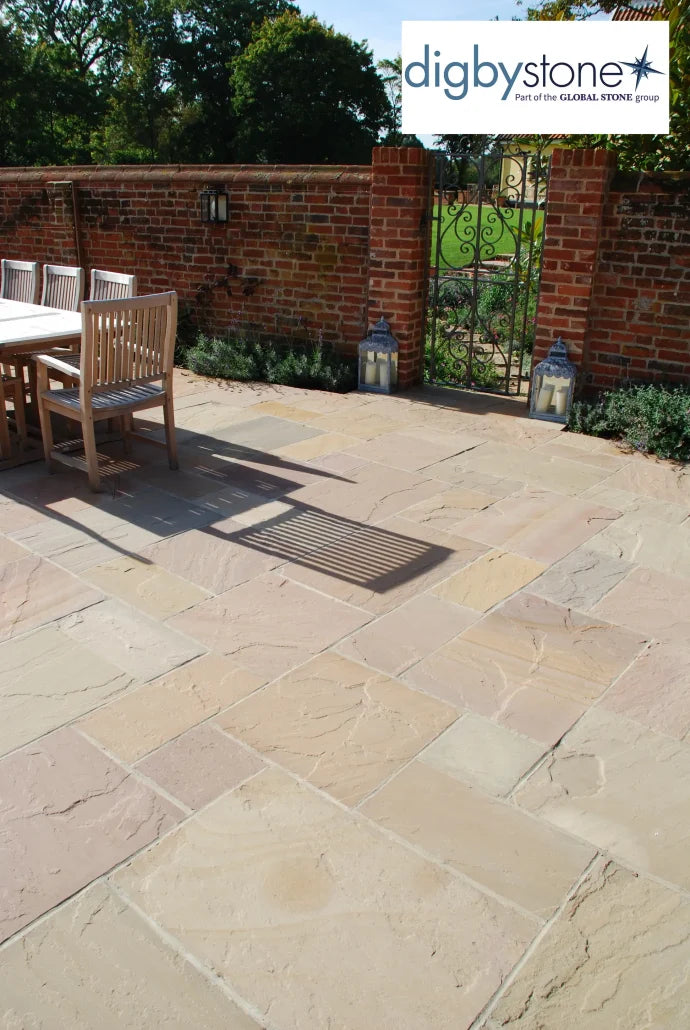
Credit: digbystone.co.uk
Preparation For Grouting Flagstone
Preparing flagstone for grouting is a key step for a strong, lasting finish. Proper preparation helps grout stick well and prevents future damage. It also makes your flagstone look clean and polished.
Preparation involves cleaning, sealing, and measuring the joints. Each step ensures the grout fits perfectly and stays in place. Having the right tools ready makes the job easier and faster.
Cleaning And Sealing Flagstone
Start by removing dirt, dust, and old grout from the flagstone surface. Use a stiff brush and water for best results. Let the stones dry completely before sealing.
Sealing protects the flagstone from stains and moisture. Apply a suitable sealant and wait until it dries fully. This step helps grout bond better and keeps your stone looking fresh.
Joint Width And Depth
Measure the gaps between flagstones carefully. The width and depth affect the type and amount of grout needed. Most flagstone joints are between ½ inch and 1 inch wide.
Deeper joints may require backer rods or filler to avoid cracking. Consistent joint size helps grout set evenly and prevents weak spots.
Tools And Materials Needed
Gather all tools before starting. You will need a grout float, bucket, sponge, and mixing tool. Use quality grout made for natural stone.
Having everything ready saves time and avoids mistakes. Keep extra water and cloths nearby for cleaning spills quickly.
Application Techniques For Lasting Results
Applying grout to flagstone requires care and attention. Proper techniques make the grout last longer and look better. Each step matters, from mixing to sealing. These application tips ensure a strong and neat finish. Follow them closely for the best results on your flagstone project.
Mixing Grout Properly
Start by using clean water and grout powder. Mix small batches to avoid drying out. Stir slowly until the mixture is smooth. Avoid lumps that can weaken the grout. Let the grout rest for a few minutes. Stir again before applying to keep it even.
Filling Joints Evenly
Use a rubber float to press grout into the joints. Work in small sections to keep the grout fresh. Fill all gaps completely for strong bonding. Remove extra grout by wiping with a damp sponge. Keep the sponge clean to avoid smearing. Smooth joints look neat and prevent water damage.
Curing And Sealing Grout
Allow grout to dry slowly by keeping it moist. Mist with water several times during the first days. Avoid walking on the flagstone until fully cured. Apply a grout sealer once dry to protect from stains. Sealing also strengthens the grout against cracks. Proper curing and sealing extend the life of your flagstone.

Credit: www.reddit.com
Common Problems And Solutions
Flagstone grout often faces common issues that affect its look and strength. Knowing these problems helps you fix them early. This keeps your flagstone floor or path beautiful and long-lasting.
Cracking And Shrinking
Grout can crack when it dries too fast or moves too much. Shrinking happens if grout is too thin or has too much water. Use grout made for outdoor use. It stays flexible and resists cracking. Apply grout evenly and avoid adding extra water.
Staining And Discoloration
Grout can stain from dirt, spills, or weather. Light-colored grout shows stains more. Seal grout after it dries. This blocks stains and keeps color fresh. Clean spills quickly with a soft cloth. Avoid harsh cleaners that can damage grout color.
Mold And Mildew Prevention
Mold grows in damp, shaded grout lines. It makes grout look bad and can cause damage. Use grout with mold-resistant ingredients. Keep flagstone areas dry by improving drainage. Clean grout regularly with mild soap and water to stop mold growth.
Maintenance Tips For Durable Grout
Maintaining grout in flagstone surfaces ensures long-lasting beauty and strength. Durable grout resists cracks, stains, and dirt buildup. Proper care keeps your flagstone looking fresh and prevents costly repairs. Follow these simple maintenance tips for the best results.
Regular Cleaning Methods
Clean grout often to avoid dirt and grime buildup. Use a soft brush or sponge with mild soap and water. Avoid harsh chemicals that can damage grout. Wipe spills immediately to prevent staining. Keep flagstone dry to reduce mold growth.
Re-sealing Intervals
Sealing grout protects it from moisture and stains. Apply a good-quality sealer every 1 to 2 years. Check grout condition before sealing. Clean the surface thoroughly before applying sealer. Proper sealing extends grout life and keeps it looking new.
Repairing Damaged Grout
Fix cracks and gaps quickly to avoid bigger problems. Remove loose or broken grout carefully. Use a matching grout mix for repairs. Smooth and level new grout for a clean finish. Regular repairs prevent water damage and maintain strength.

Credit: www.reddit.com
Frequently Asked Questions
What Type Of Grout Works Best For Flagstone Patios?
Sanded grout is best for flagstone patios. It fills wide joints well and resists cracking. Unsanded grout is too soft for outdoor use.
Can Epoxy Grout Be Used With Flagstone?
Yes, epoxy grout is durable and waterproof. It resists stains and harsh weather, making it great for flagstone. It is harder to apply than cement grout.
How Does Polymer-modified Grout Help Flagstone Joints?
Polymer-modified grout adds flexibility and strength. It sticks well to flagstone and reduces water damage. This grout type lasts longer outdoors.
Should Grout Color Match Or Contrast Flagstone?
Matching grout color blends with the flagstone for a natural look. Contrasting colors highlight the stone shapes and patterns. Choose based on your design style.
How Long Does Flagstone Grout Take To Cure?
Flagstone grout usually takes 24 to 72 hours to cure. Dry time depends on weather, grout type, and joint size. Avoid walking on it during curing.
Is Sealing Grout Necessary For Flagstone?
Sealing grout protects it from stains and moisture. It extends the life of flagstone joints. Apply a penetrating sealer after grout fully cures.
Can I Use Regular Tile Grout For Flagstone Floors?
Regular tile grout is not ideal for flagstone floors. It often lacks flexibility and durability needed outdoors. Use grout designed for natural stone and outdoor conditions.
Conclusion
Choosing the right grout makes a big difference for flagstone. Cement-based grout offers strong support and easy use. Sanded grout works well for wider gaps and durability. Always pick grout that suits your flagstone’s size and setting. Proper grout helps keep stones in place and looks great.
Taking time to select the best grout protects your flagstone for years. Simple choices lead to long-lasting, beautiful outdoor spaces.