
Foosball is a table soccer game where players manipulate rods to control miniature figures and kick a ball into the opponent’s goal. It blends hand-eye coordination with quick reflexes, making it accessible for casual play while offering depth for competitive tournaments. The standard setup features three rows of figures per side, allowing for precise passing and powerful shots. You can find these tables in pubs, game rooms, and dedicated sports bars around the world.
Quick Guide to Table Soccer
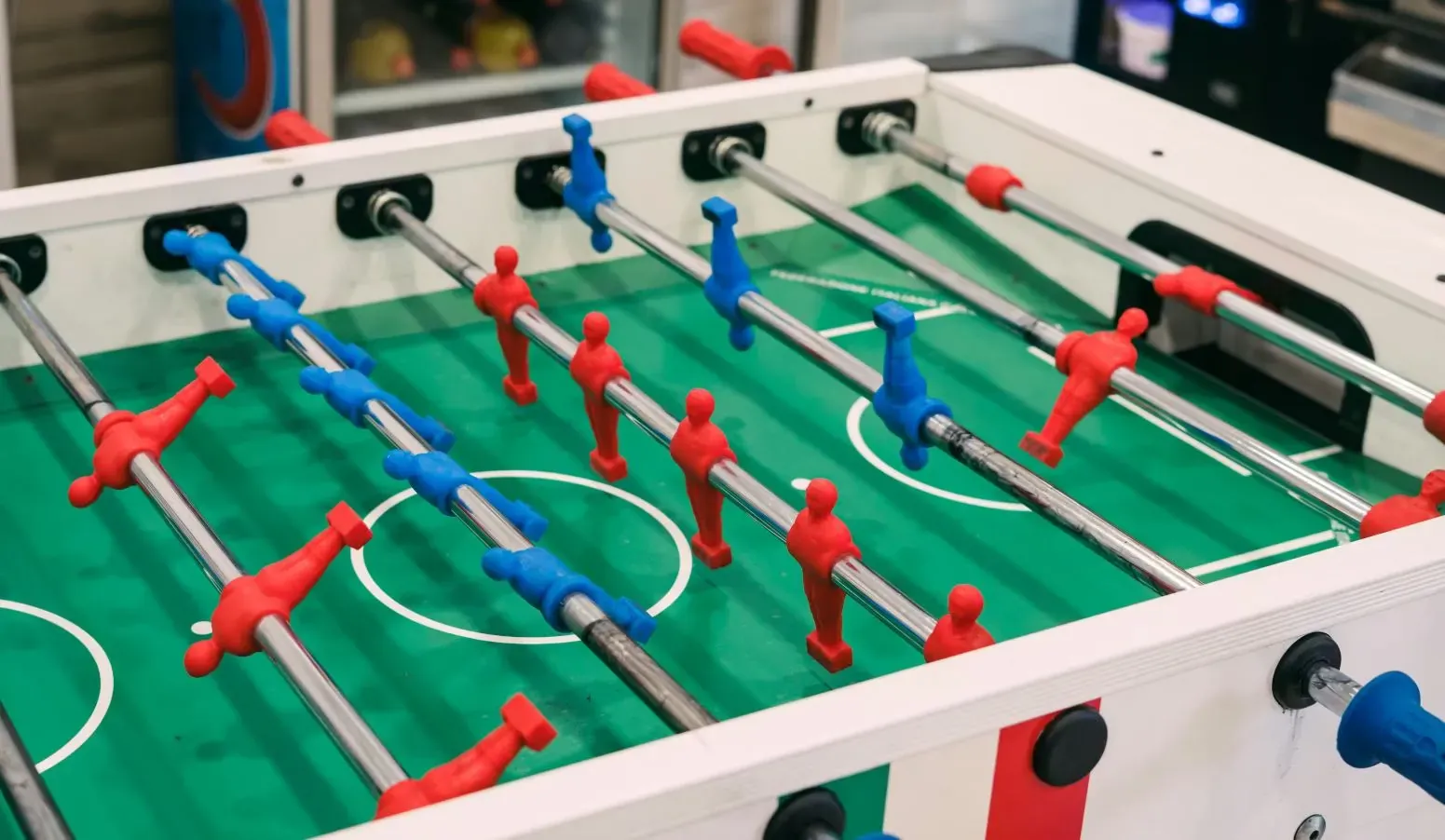
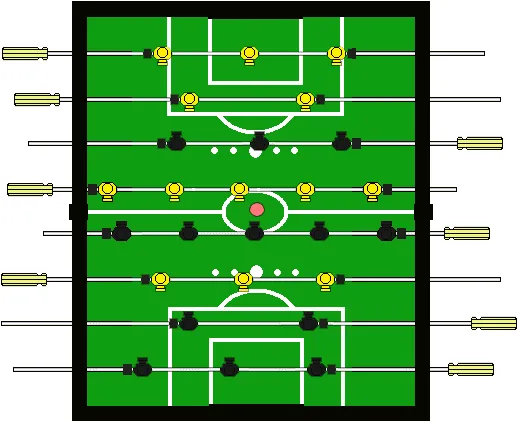
Standard tables have three rows: one goalie, two defenders, and three midfielders or forwards per side. This configuration balances defense with offensive pressure. You can’t add extra players to gain an advantage. The structure dictates the flow of play.
Players spin rods to shoot or hold them back to block incoming balls during fast-paced matches. Spinning allows for quick directional changes. Holding the rod steady creates a solid wall. Choose spinning for surprise shots. Hold for reliable blocks against aggressive opponents.
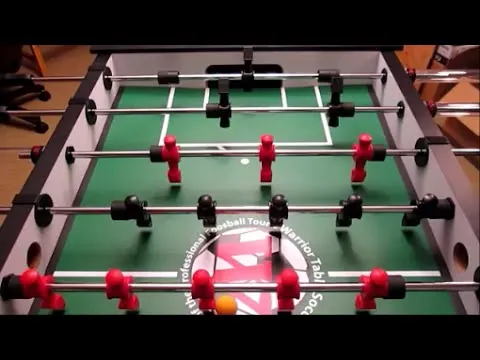
Official tournament rules require a specific ball size and weight for consistent gameplay across venues. Use a regulation ball at home too. Irregular balls cause unpredictable bounces. They ruin your practice sessions. Consistency in equipment builds muscle memory.
Tables vary from small home versions to full-size 56-inch models used in professional competitions. Smaller tables fit in apartments. Full-size models offer realistic spacing. Measure your space before buying. A cramped room makes large tables unusable. Ensure you have clearance around all sides.
Proper technique involves using your wrists for speed rather than your whole arm for power. Wrist flicks generate rapid rod movement. Arm swings are slow and telegraphed. Practice snapping your wrist forward. Keep your elbow close to your body. Speed beats brute force every time.
Why People Love This Game
The appeal of table soccer lies in its perfect balance of simplicity and skill. Anyone can start playing immediately by grabbing a rod and giving it a twist. However, mastering the game requires understanding timing, leverage, and strategy. Unlike video games, this physical activity engages your muscles and sharpens your reflexes in real-time. The tactile feedback of the ball hitting the plastic figures creates an immersive experience that screens can’t replicate.
Social interaction is another major factor. Friends often gather around a table for friendly rivalry or serious competition. It breaks the ice at parties because you don’t need prior knowledge to join in. The loud clatter of the ball adds excitement, drawing attention and encouraging cheers. This shared energy builds community in bars and recreational centers.
From a health perspective, it offers light physical exercise. Your hands and forearms work continuously to control the rods. While it won’t replace a gym session, it keeps you active during long social gatherings. The mental aspect also plays a huge role. You must anticipate your opponent’s moves and plan several steps ahead. This strategic layer keeps experienced players engaged for years.
The history of the game adds to its charm. It evolved from early wooden prototypes in the late 19th century. Modern designs standardized the mechanics, making fair play possible globally. Today, international federations oversee official championships. These events showcase incredible precision and speed. Watching top players move their rods at lightning speed is mesmerizing. It proves that a simple table game can reach elite athletic standards.
The durability of quality tables ensures longevity. A well-made unit lasts decades with minimal maintenance. This makes it a worthwhile investment for homes or businesses. The combination of nostalgia and modern competition creates a unique cultural phenomenon. It bridges generations, as grandparents and grandchildren can play together on the same surface.
When Rules or Setup Change
| Situation | What changes | What to do instead |
|---|---|---|
| Playing with kids | Rods are too high | Use a smaller 40-inch youth table. The standard height strains small arms and ruins aim. A shorter frame keeps the ball in play longer. Kids learn control without frustration. This setup builds confidence for future matches. It isn’t just about size; it’s about accessibility. Ensure the rods rotate freely at this scale. Check that the goal posts are secure. Stability matters even more when players are shorter. |
| Limited space | Full table won’t fit | Choose a compact 30-inch desktop version. Measure your room carefully before buying. These tables fit on sturdy desks or shelves. They offer quick games during breaks. Play feels authentic despite the smaller surface. Practice close-range shots and precise passing. This model saves floor space entirely. You can store it easily after use. Perfect for apartments or dorm rooms. |
| Casual party fun | Strict rules feel heavy | Play “bar rules” with no fouls called. Keep the game moving and lively. Ignore minor infractions like double touches. Focus on laughter and social interaction. Let players improvise their strategies freely. This approach reduces tension significantly. Everyone enjoys the flow of play. It encourages participation from all skill levels. Rules become suggestions rather than barriers. |
| Serious competition | Home table lacks precision | Rent a certified tournament-grade model. Home tables often have loose bearings. Tournament tables ensure consistent ball speed. Precision matters for high-stakes matches. Professional surfaces provide accurate feedback. Players need reliable equipment for fair play. Renting allows access to top-tier gear. It eliminates variables that affect performance. This choice respects the seriousness of the game. |
| Beginner learning | Fast play causes frustration | Practice blocking before attempting shots. Slow down the rod rotation initially. Focus on defending your goal first. Blocking teaches timing and positioning. Once defense improves, try simple passes. Avoid complex maneuvers until basics are solid. This method prevents early discouragement. Beginners gain trust in their skills gradually. Mastering blockage creates a strong foundation. Patience yields better long-term results. |
How to Set Up and Play
Start by placing the table on a flat, stable surface. Uneven floors cause the ball to roll unpredictably, ruining the game. Ensure there’s enough clearance around all sides for players to stand comfortably. Most adults need about three feet of space behind them to swing their arms freely.
Next, insert the rods into their respective holes. Make sure each rod slides in smoothly without forcing it. Tighten any locking screws if your table has them. Loose rods will wobble during play, affecting accuracy. Check that the ball return mechanism works correctly. Place the ball inside and watch it roll back down the chute.
Now, decide on the starting position. Usually, the player with the fastest figure row starts. In most cases, this is the forward row. Both players should grip their rods firmly but relaxedly. Keep your wrists loose to allow for quick movements. Avoid gripping too tightly, which leads to fatigue quickly.
Begin the match by dropping the ball into the center circle. The first player to touch the ball gains possession. Focus on keeping the ball moving rather than holding onto it. Passing between your figures opens up shooting angles. Try to avoid letting the ball get stuck under your own figures.
As the game progresses, adjust your strategy based on the score. If you’re losing, take more risks with aggressive shots. If you’re winning, focus on defense and blocking. Remember to rotate your figures regularly to prevent wear on specific areas. Clean the table surface occasionally to maintain smooth ball movement.
Finally, learn the basic fouls. Touching the ball with your hand is an immediate penalty. Lifting a rod off its axis to catch the ball is also illegal. Stick to spinning or sliding motions only. Respecting these rules ensures fair play and keeps the game enjoyable for everyone involved.
Common Mistakes That Ruin It
Many beginners try to hit the ball as hard as possible from the start. This approach wastes energy and rarely results in goals. Hard shots often miss the target or bounce off the walls uselessly. Instead, focus on controlled passes and strategic positioning. Accuracy beats power every time in this sport.
Another frequent error is neglecting the defensive rods. Players often obsess over their attacking figures while leaving their defense idle. A strong defense stops opponents from scoring easily. Always keep your middle and back rows ready to block shots. Balance is key to winning long matches.
Ignoring the ball’s momentum is also costly. The ball continues to move after being kicked. Failing to account for this leads to missed blocks or wild shots. Watch the ball’s trajectory closely and adjust your rod positions accordingly. Anticipation is just as important as reaction speed.
Some players lift their rods entirely off the playing surface to catch the ball. This action is strictly forbidden in all official rules. It gives an unfair advantage and disrupts the flow of the game. Stick to horizontal movements along the rod’s axis. Consistent adherence to basic mechanics builds better habits over time.
Lastly, many people underestimate the importance of footwork. Standing still limits your ability to reach different parts of the table. Shift your weight and move your feet to stay balanced. Good posture improves your control and reduces strain on your arms. Small adjustments make a big difference in performance.
Related guides
- Best Foosball Tables Under 500: Top 5 Picks in 2026
- How to Paint a Glass Table Top: A Step by Step Guide
- How to Dispose of Large Glass Table Top Panels Safely
Frequently asked questions
What is foosball exactly?
Foosball is a tabletop game where players use rods to control miniature soccer figures. The goal is to kick a small ball into the opposing team’s net. It combines elements of traditional soccer with dexterity and strategy. Players manipulate multiple rows of figures to pass, shoot, and defend. The game is popular in bars and homes worldwide. It requires no electronic components, relying purely on mechanical interaction.
How long does a typical game last?
A standard match usually lasts between five and ten minutes. This duration depends on the agreed-upon point limit. Many players choose to play until one side reaches five goals. Faster-paced games might end sooner due to frequent scoring. Longer sessions can extend beyond fifteen minutes if defenses are strong. Tournament matches often follow strict time limits per set. Adjust the length based on your group’s preference.
Is foosball good exercise?
It provides light cardiovascular and muscular activity. Your hands, wrists, and forearms engage constantly during play. Standing and shifting weight burns a few calories per session. While not a substitute for rigorous workouts, it keeps you active. The repetitive motion can improve hand-eye coordination significantly. Regular play may help maintain flexibility in your joints.
Why does the ball get stuck?
The ball often gets trapped under your own figures. This happens when you fail to clear the area quickly. Poor technique or slow reactions contribute to this issue. Dust and debris on the table surface also cause friction. Ensure your rods are clean and properly lubricated. Keeping the playing field clear prevents unwanted stoppages.
Can anyone play foosball?
Yes, people of all ages and skill levels can enjoy it. The learning curve is gentle for newcomers. Children can benefit from improved motor skills through play. Adults appreciate the competitive and social aspects. Physical limitations may require adaptive techniques or table height adjustments. Inclusivity is a core feature of the game’s design.
How much does a good table cost?
Entry-level tables are inexpensive relative to the alternative, while high-quality tournament-grade tables represent a significantly higher investment.
What size ball is used officially?
Official tournaments typically use a 40mm diameter ball. This size ensures consistent rolling and kicking behavior. Some casual tables might accept slightly larger or smaller balls. Always check the manufacturer’s specifications for your specific model. Using the correct ball size maintains fairness in competition. Replace worn balls promptly to ensure optimal performance.
Conclusion
Grab a friend and find a local spot to play. You’ll quickly see how the rods feel in your hands. It’s a fun way to connect with others while sharpening your reflexes. Give it a try, and you might just find your new favorite pastime.