
Have you ever noticed slow drains or strange odors coming from your home’s plumbing? The problem might be a “belly” in your sewer line.
But what exactly is a belly, and why should you care about it? Understanding this hidden issue can save you from costly repairs and messy backups. You’ll learn what a belly in a sewer line is, how it happens, and what signs to watch for.
Keep reading to protect your home and keep your plumbing running smoothly.
What Is A Belly In Sewer Line
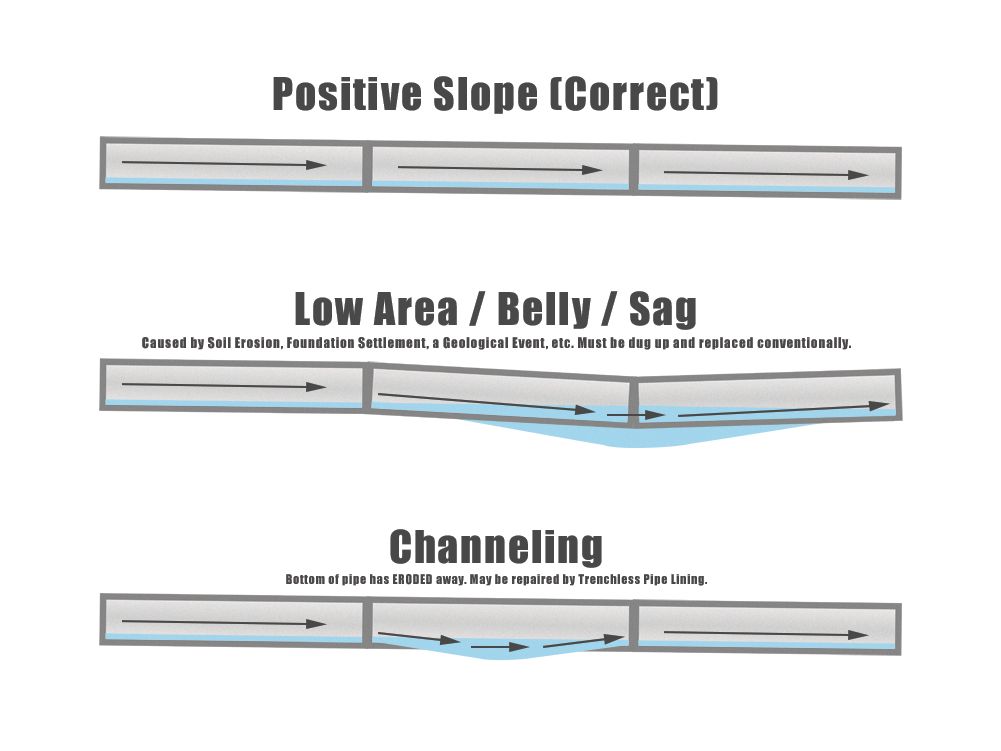
A belly in a sewer line is a common problem that affects many homes. It occurs when a section of the sewer pipe sags or dips lower than the rest of the line. This dip creates a pocket where water and waste can collect instead of flowing smoothly. Over time, the belly can cause blockages and slow drainage.
Understanding what a belly in a sewer line means can help you spot issues early. It is important to know how these dips form and where they usually appear. This knowledge can save you from costly repairs and unpleasant plumbing problems.
How A Belly Forms
A belly forms when the ground beneath the sewer pipe shifts or settles unevenly. This movement causes the pipe to bend or sag in one spot. Poor installation can also lead to bellies if the pipe is not set at the right slope.
Tree roots growing near the pipe can push it down over time. Heavy traffic or construction above the ground may cause soil to compress and create dips. Water pressure changes can also weaken pipe joints and lead to sagging.
Common Locations For Bellies
Bellies often appear in long stretches of sewer pipes running underground. Areas with soft or loose soil are more prone to sagging. Places near driveways or roads get extra pressure that can cause dips.
Sections of pipe close to trees or large plants may develop bellies due to root growth. Older sewer systems that used clay or cast iron pipes are more likely to have this issue. Bellies usually form in spots where pipe support is weak or missing.
Credit: pipelt.com
Causes Of Sewer Line Bellies
Sewer line bellies happen when part of the pipe dips lower than the rest. This dip traps water and waste, causing blockages and slow drainage. Several factors cause these bellies in sewer lines. Understanding them helps prevent damage and costly repairs.
Ground Shifting And Settling
The soil beneath pipes moves over time. Rain, drought, or construction can shift the ground. This movement causes pipes to bend or sag, forming a belly. Older pipes are especially vulnerable to ground changes.
Poor Installation Practices
Improper pipe laying leads to bellies. If pipes are not set at the right slope, water pools inside. Using wrong materials or skipping proper support also causes sagging. Proper installation is key to avoiding bellies.
Tree Root Intrusion
Tree roots grow towards water sources like sewer lines. Roots can enter cracks in pipes and push them down. This pressure bends the pipe and creates a belly. Root intrusion often causes blockages and pipe damage.
Pipe Material Deterioration
Old pipes wear out and lose strength. Materials like clay or cast iron can crack or collapse over time. This damage causes the pipe to sag and form a belly. Regular inspections help catch deterioration early.
Risks Of Ignoring A Belly
Ignoring a belly in your sewer line causes many problems. This issue disrupts the flow of wastewater. It creates low spots where water and waste gather. These spots slow drainage and invite blockages. Over time, the situation worsens and affects your home’s plumbing system.
The risks go beyond just slow drains. Damage builds up quietly but steadily. Knowing these dangers helps you act fast and protect your property.
Frequent Clogs And Blockages
A belly traps solid waste and debris. This buildup causes frequent clogs and blockages. Water struggles to flow through the pipe. You may notice slow drains or gurgling sounds. These signs signal a growing problem inside the sewer line.
Backups And Sewage Overflows
Blockages cause sewer backups inside the home. Wastewater can overflow from toilets or drains. This overflow creates a mess and damages floors and walls. The smell is unpleasant and hard to remove. Sewage backups pose a serious inconvenience for any household.
Structural Damage To Property
Standing water in the belly weakens pipe walls. Over time, pipes may crack or collapse. This damage can affect the foundation of your home. Soil erosion and sinkholes may form near the sewer line. Repairing these issues is costly and time-consuming.
Health Hazards
Sewage backups carry harmful bacteria and viruses. Exposure risks cause infections and illnesses. Mold growth thrives in damp areas caused by leaks. Poor air quality affects breathing and overall health. Addressing a belly promptly protects your family’s well-being.
Signs Of A Belly In Your Sewer Line
Noticing signs of a belly in your sewer line early can save you from costly repairs. A belly is a sag or dip in the sewer pipe where water and waste collect. This causes blockages and slow flow, leading to several noticeable issues around your home.
These signs often start small but get worse over time. Catching them early helps protect your plumbing system and yard.
Slow Draining Fixtures
Fixtures like sinks, tubs, and toilets drain slowly when a belly is present. Water pools in the dip, stopping smooth flow. You may notice water backing up or taking longer to disappear. This happens because waste gets stuck in the sagging pipe area.
Unpleasant Odors
Bad smells near drains or outside can signal a belly in the sewer line. Waste trapped in the sag area releases gases that cause odors. These smells can be strong and persistent. They often come from floor drains, toilets, or even your yard.
Wet Spots In Yard
Unexpected wet spots or soggy soil in your yard may mean a sewer belly leak. Wastewater can leak out where the pipe sags and soak the ground above. These spots stay wet even without rain. The area might also smell foul or show signs of mold.
Sewer Gurgling Sounds
Strange gurgling noises from drains or toilets often indicate a belly in the sewer line. The trapped water and waste cause air pockets and bubbles. These sounds appear when water tries to flow past the dip. Gurgling is a clear warning sign of a blockage below.
Diy Fixes For Minor Sewer Bellies
Minor sewer bellies can cause slow drains and bad smells. Small dips in the sewer line trap water and debris. This can block flow and cause backups. Fixing these issues early can save money and prevent bigger problems. Some simple DIY methods help clear minor sewer bellies. These methods improve flow without needing a full repair.
Try these easy fixes to keep your sewer line working well. Use common tools and household items to help the problem. Always be cautious and stop if the issue worsens.
Using A Plunger Or Drain Snake
A plunger can push water and loosen blockages in a sewer belly. Use a strong, tight seal for best results. Push and pull the plunger several times. A drain snake reaches deeper clogs. Insert the snake into the drain and twist it slowly. This breaks up debris stuck in the dip. Both tools help clear minor blockages fast.
Applying Enzyme Cleaners
Enzyme cleaners use natural bacteria to break down waste. Pour the cleaner into the drain as directed. Let it sit overnight to work on buildup inside the pipe. These cleaners are safe for pipes and the environment. Regular use keeps sewer bellies from getting worse. They reduce sludge and grease that cause clogs.
Temporary Pipe Support
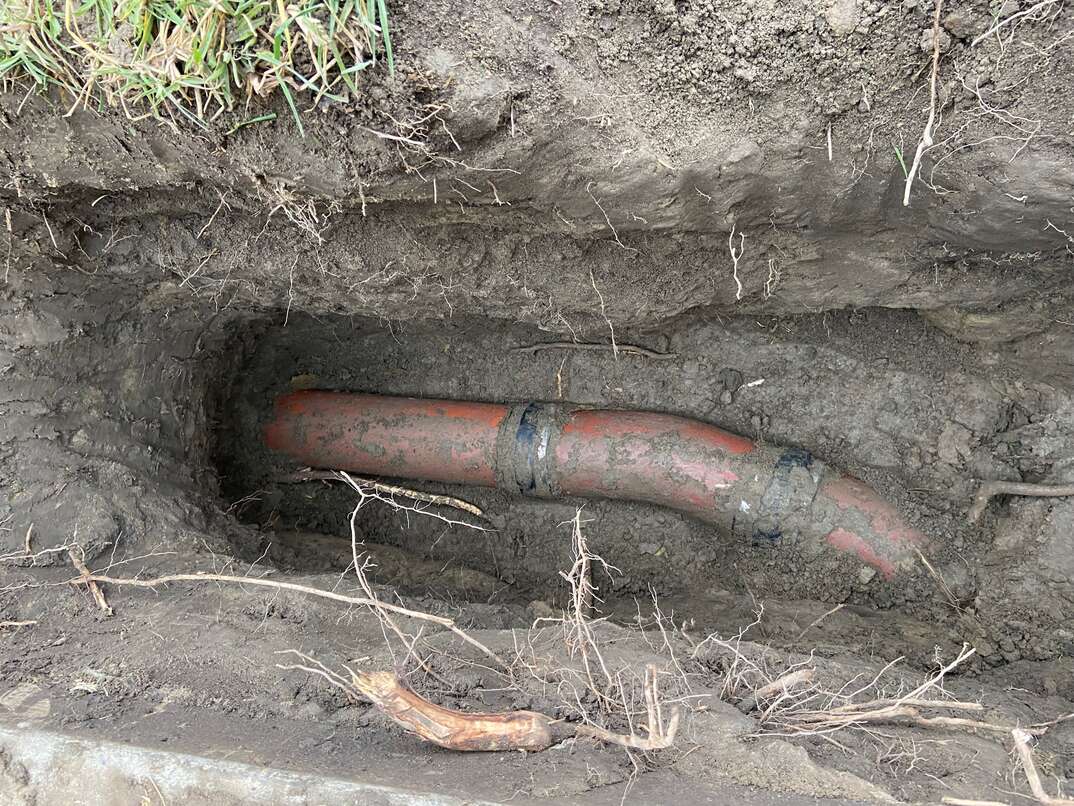
Supporting the pipe can reduce dips in the sewer line. Use wooden blocks or foam to lift the sagging section. Place the support under the pipe carefully. This helps water flow smoothly and stops new blockages. Check the support often and adjust if needed. This fix is temporary but effective for small sewer bellies.
Credit: www.homeserve.com
Professional Repair Options
Professional repair options for a belly in a sewer line focus on restoring the pipe’s function. These methods address the sagging or dip that traps wastewater. Choosing the right repair depends on the severity and location of the belly. Skilled plumbers use modern techniques to fix the problem efficiently.
Pipe Bursting And Replacement
Pipe bursting replaces the damaged pipe with a new one without digging a large trench. A bursting tool breaks the old pipe while pulling the new pipe behind it. This method works well for severely damaged sewer lines. It reduces disruption to your yard and property.
Trenchless Pipe Lining
Trenchless pipe lining involves inserting a flexible liner coated with resin inside the existing pipe. The liner hardens and forms a smooth new pipe inside the old one. This option seals cracks and fixes bellies without removing the pipe. It is less invasive and faster than traditional repairs.
Excavation And Repair
Excavation and repair involve digging up the pipe to fix or replace the sagging section. This method is necessary when damage is extensive or other methods cannot be used. It allows direct access to the belly for precise repair. Excavation may cause more yard disturbance but ensures a solid fix.
Preventing Future Bellies
Preventing future bellies in sewer lines keeps your plumbing working well. Bellies cause blockages and slow drainage. They happen when the pipe sags or dips. Taking steps early can stop these problems before they start.
Regular Sewer Line Inspections
Checking your sewer line regularly helps find bellies early. A professional plumber can use a camera to see inside the pipes. Early detection means easy fixes. Inspections every year or two keep your pipes in good shape.
Proper Landscaping Practices
Plant trees and bushes away from sewer lines. Roots can grow into pipes and cause sagging or damage. Avoid heavy equipment near the sewer line during yard work. Keep soil stable to stop shifting that causes pipe dips.
Choosing Durable Pipe Materials
Use strong, long-lasting pipes when installing or repairing sewer lines. Materials like PVC resist cracking and sagging. Durable pipes hold their shape better underground. This helps prevent bellies and costly repairs later.

Credit: boboates.com
Frequently Asked Questions
What Is A Belly In A Sewer Line?
A belly is a sag or dip in a sewer pipe. It causes water and waste to collect and slow down. This can lead to blockages and damage.
How Does A Belly Form In Sewer Pipes?
Belly forms when the pipe bends or sinks over time. Soil shifting or poor installation can cause this. The pipe loses its proper slope.
Why Is A Belly In Sewer Lines A Problem?
It traps waste and water, causing slow drainage. This buildup can lead to clogs and pipe damage. It also creates bad odors.
How Can You Detect A Belly In Sewer Pipes?
Look for slow drains or frequent clogs. Sewer inspections with a camera can spot the dip. A plumber can confirm the problem.
Can A Belly In Sewer Lines Fix Itself?
No, a belly does not fix itself. It needs professional repair to restore the pipe slope. Leaving it can cause more damage.
What Repairs Fix A Belly In A Sewer Line?
Repairs include pipe replacement or relining to restore slope. Excavation may be needed for serious bellies. A plumber chooses the best method.
How To Prevent Bellies In Sewer Lines?
Proper installation with the right slope helps prevent bellies. Avoid heavy soil pressure or shifting near pipes. Regular inspections catch issues early.
Conclusion
A belly in a sewer line causes water to collect and slow down flow. This can lead to clogs and bad smells in your home. Fixing a belly helps keep your plumbing working well and avoids costly damage. Regular checks can spot problems early.
Understanding what a belly is helps you take care of your sewer system. Don’t ignore signs like slow drains or backups. Acting quickly saves time and money. Keep your sewer line smooth and clear for a healthier home.