
Is your bathroom sink drain looking rusty and corroded? It’s not just an eyesore—it can cause leaks, slow drainage, and even damage your plumbing over time.
But don’t worry, you don’t need to call a plumber or spend a fortune to fix it. You’ll discover simple, effective steps to remove that stubborn corrosion and restore your sink drain to its best condition. Keep reading, and you’ll learn exactly what to do, using tools you probably already have at home.
Say goodbye to that ugly drain and hello to a fresh, clean bathroom!
Signs Of A Corroded Sink Drain
Knowing the signs of a corroded bathroom sink drain helps prevent bigger problems. Corrosion can cause leaks, bad smells, and damage to your sink. Early detection saves time and money by fixing issues before they worsen.
Common Corrosion Indicators
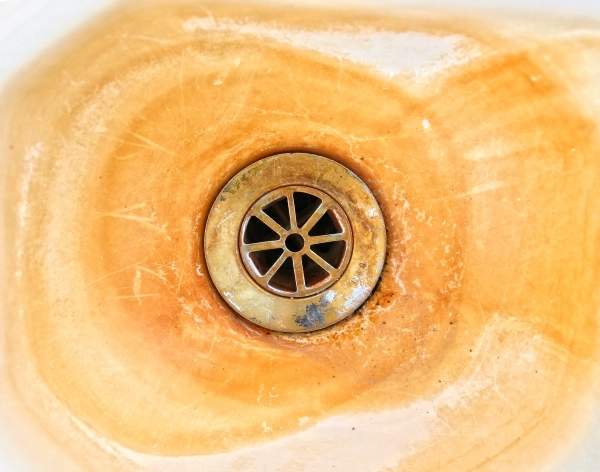
Look for rust-colored stains around the drain area. These stains often mean the metal is breaking down. The drain may feel rough or flaky to touch. Water may pool around the drain instead of flowing smoothly. A foul odor coming from the drain can also signal corrosion. Notice any slow drainage or frequent clogs, as these may be linked to corrosion inside the pipes.
When To Replace The Drain
Replace the drain if you see deep rust or holes. Leaks under the sink that don’t stop mean serious corrosion. If the drain moves or feels loose, it needs replacing. Cracks or broken parts are clear signs to change it. Persistent bad smells that cleaning cannot fix also indicate replacement time. A new drain prevents water damage and keeps your sink working well.
Credit: www.mrrooter.com
Tools And Materials Needed
Removing a corroded bathroom sink drain requires specific tools and materials. Having the right items makes the job easier and safer. Gather everything before starting to avoid interruptions.
Essential Tools
- Pipe wrench or adjustable wrench for loosening nuts
- Channel lock pliers to grip and twist
- Flathead screwdriver to pry or loosen parts
- Hacksaw to cut corroded sections if needed
- Wire brush for cleaning corrosion and rust
- Bucket to catch water during removal
- Rags or towels for cleanup
- Plumber’s putty or silicone sealant for resealing
Recommended Safety Gear
- Rubber gloves to protect hands from chemicals and sharp edges
- Safety glasses to shield eyes from debris
- Face mask to avoid inhaling dust or rust particles
- Knee pads for comfort while working under the sink
Preparing The Workspace
Preparing the workspace is the first step to remove a corroded bathroom sink drain safely and easily. It creates a clean, organized area to work. This helps avoid accidents and makes the task smoother.
Taking time to set up properly saves effort later. It keeps tools and parts within reach. It also protects your bathroom from damage or mess.
Clearing The Area
Remove all items around the sink. Clear toiletries, towels, and decorations. This gives you plenty of space to move and work.
Put a bucket or container under the sink. It catches any water or debris that falls. Lay down old towels or rags to protect the floor.
Turning Off Water Supply
Find the water shut-off valves under the sink. Turn them clockwise to close. This stops water flow to the faucet and drain.
Open the faucet to release any remaining water. This prevents leaks and spills while working. Double-check the water is off before starting the removal.
Removing The Old Corroded Drain
Removing the old corroded drain is the first step to fix a bathroom sink. This task needs patience and the right tools. Corrosion makes the drain hard to remove. Rust and buildup hold parts tightly together. Follow simple steps to free the drain without damage.
Loosening The Drain Assembly
Start by turning off the water supply. Clear the area under the sink for easy access. Use a wrench or pliers to grip the drain’s locknut. Turn the nut counterclockwise to loosen it. Apply steady pressure. Avoid forcing the nut too hard. Too much force can break pipes or fixtures.
Work carefully around the drain. Sometimes, the drain parts move slowly. Keep trying until the locknut loosens. If the drain is stuck, stop and prepare to deal with corrosion.
Dealing With Stubborn Corrosion
Corrosion can bind metal parts tightly. Use a rust remover spray on the corroded areas. Let it sit for 10 to 15 minutes. This helps break down rust and mineral deposits. Tap lightly with a hammer to shake loose rust.
Use a strap wrench to avoid scratching the pipes. Apply gentle, steady turns to loosen the drain. Repeat rust remover and tapping if needed. Be patient. Small steps prevent damage and make removal easier.
Cleaning And Inspecting The Sink
Cleaning and inspecting the sink is a crucial step before removing a corroded drain. It helps you see what needs fixing and ensures no hidden problems remain. A clean sink gives you a clear view of any damage or buildup.
Start by removing all dirt and grime. This makes the sink safer to work on. Next, check for cracks or rust spots that could cause leaks later.
Removing Residue And Debris
Use a sponge or cloth to wipe away soap scum and dirt. For tough spots, apply a gentle cleaner. Avoid harsh chemicals that might damage the sink’s surface.
Rinse the area with warm water to remove all cleaner residue. Dry the sink with a towel. This helps you spot any remaining grime or corrosion.
Checking For Damage
Look closely at the drain area for cracks or rust. Small cracks can grow and cause leaks. Rust may weaken the metal and spread quickly.
Tap gently around the drain with a tool. A hollow sound might mean corrosion underneath. Note any damaged spots for repair or replacement later.
Installing A New Drain
Installing a new bathroom sink drain can improve your sink’s function and look. A new drain stops leaks and prevents bad smells from corroded parts. The process is simple with the right tools and steps. Follow clear instructions to install the drain safely and correctly.
Choosing The Right Replacement
Select a drain that fits your sink size and style. Check the drain hole diameter before buying. Materials like stainless steel or brass resist corrosion better than plastic. Pick a drain with good reviews for durability. A drain with a built-in stopper can add convenience.
Proper Installation Steps
Start by turning off the water supply. Remove the old drain completely, cleaning the sink drain hole. Apply plumber’s putty or silicone sealant around the new drain’s flange. Insert the new drain into the hole firmly.
From under the sink, screw on the rubber gasket and mounting nut. Tighten the nut by hand, then use a wrench for a secure fit. Connect the drain pipe to the new drain tailpiece. Turn on the water and check for leaks. Tighten connections if needed.
Testing For Leaks And Functionality
Testing for leaks and functionality is a vital step after removing a corroded bathroom sink drain. This step ensures your sink works properly and prevents water damage. It helps catch small problems early, saving time and money.
Running Water Tests
Turn on the faucet and let water flow through the drain. Watch closely under the sink for any dripping or wet spots. Run water for a few minutes to check for slow leaks. Also, listen for gurgling or strange sounds that could mean a blockage. Use a dry cloth or paper towel to wipe around joints and connections. If the cloth gets wet, a leak is present. Testing water flow confirms the drain clears water quickly and smoothly.
Fixing Minor Leaks
Small leaks often come from loose fittings or worn-out washers. Tighten slip nuts by hand, then use pliers for a snug fit. Replace old washers or plumber’s tape on threaded joints to improve seals. For persistent drips, apply a small amount of plumber’s putty around the drain flange. After repairs, repeat the water test to ensure no leaks remain. Fixing leaks early avoids mold, stains, and bigger plumbing issues.

Credit: www.reddit.com
Maintenance Tips To Prevent Future Corrosion
Preventing corrosion in your bathroom sink drain saves time and money. Regular care keeps metal parts strong and leak-free. Simple steps protect your plumbing from rust and damage. Follow these easy maintenance tips to extend your sink drain’s life.
Regular Cleaning Practices
Clean your sink drain often to stop corrosion. Remove soap scum and dirt that cause rust. Use a soft brush or cloth with mild soap. Avoid harsh chemicals that damage metal surfaces. Rinse thoroughly with warm water after cleaning. Dry the drain area to prevent moisture buildup. Regular cleaning keeps metal shiny and healthy.
Using Protective Coatings
Apply a protective coating to shield metal from water and air. Use a clear sealant or rust inhibitor made for plumbing. Follow the product instructions carefully for best results. Reapply coatings every few months or after heavy cleaning. This barrier stops moisture from causing corrosion. Protective coatings keep your drain parts strong and lasting longer.

Credit: www.youtube.com
Frequently Asked Questions
How Do I Identify A Corroded Bathroom Sink Drain?
Look for rust, discoloration, or rough patches on the drain surface. Corrosion may cause leaks or slow drainage.
What Tools Are Needed To Remove A Corroded Sink Drain?
You need a wrench, pliers, a screwdriver, and possibly a drain removal tool. A bucket helps catch water during removal.
Can I Remove A Corroded Drain Without Damaging The Sink?
Yes, work carefully and loosen parts slowly. Use the right tools to avoid scratches or cracks.
How Do I Loosen A Stuck Corroded Drain?
Apply a lubricant like WD-40 and let it sit for 10 minutes. Gently tap with a hammer if needed to break rust.
What Safety Tips Should I Follow When Removing A Drain?
Wear gloves and eye protection to avoid injury. Ensure the water supply is turned off before starting.
How Do I Prevent Future Corrosion On Sink Drains?
Keep the drain dry and clean regularly. Apply a corrosion-resistant coating or replace with a stainless steel drain.
When Should I Call A Professional Plumber For Drain Removal?
Call a plumber if the drain is severely rusted or stuck. Also seek help if you lack proper tools or experience.
Conclusion
Removing a corroded bathroom sink drain does not have to be hard. With the right tools and steps, you can fix it yourself. Clean the area well and work carefully to avoid damage. Regular checks can help prevent future corrosion.
A little effort saves time and money. Your bathroom will look cleaner and work better. Try these tips to keep your sink drain in good shape. Simple actions make a big difference. You can do this!