
Is your home’s sewer line causing trouble? Slow drains, foul smells, or unexpected backups can disrupt your daily routine and create a real headache.
Sewer line cleaning is the key to keeping everything flowing smoothly and protecting your home from costly damage. You’ll discover simple signs that your sewer line needs attention and learn how professional cleaning can save you time, money, and stress.
Keep reading to find out how to keep your pipes clear and your home comfortable.
Credit: www.erservicesclt.com
Causes Of Sewer Line Blockages
Sewer line blockages happen for several reasons. These blockages stop water and waste from flowing properly. Understanding what causes these clogs helps prevent costly repairs. Some causes are easy to fix, while others need professional help.
Below are the most common reasons for sewer line blockages. Each one affects the pipes differently and can create serious problems if ignored.
Common Debris And Waste
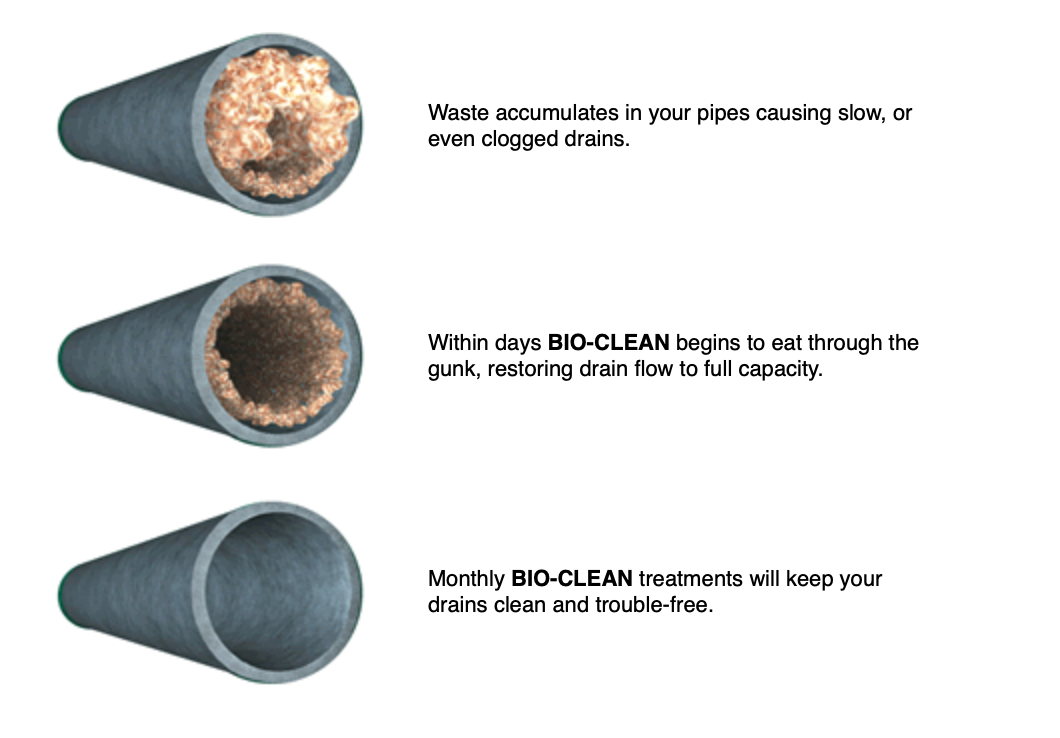
Grease, food scraps, and hair often clog sewer pipes. These materials stick to pipe walls, narrowing the flow path. Toilet paper and wipes that do not dissolve easily add to the blockage. Over time, debris builds up and stops water from moving freely.
Tree Root Intrusions
Tree roots grow toward moisture in sewer lines. Roots can enter small cracks or joints in pipes. Once inside, roots expand and block the flow of waste. This intrusion can break pipes and cause leaks underground. Root damage is a common cause of sewer backups.
Pipe Damage And Corrosion
Old or damaged pipes are more likely to clog. Corrosion and cracks create rough surfaces inside pipes. These rough spots catch debris and slow water flow. Collapsed or broken pipes stop water completely. Repairing pipe damage is key to preventing blockages.
Signs Of A Clogged Sewer Line
Recognizing signs of a clogged sewer line early can save you from costly repairs. The sewer line carries waste water from your home to the main sewer system. When it gets blocked, water and waste cannot flow properly. This causes several problems inside and outside your house. Knowing the warning signs helps you act fast and keep your plumbing in good shape.
Slow Drains And Backups
Slow draining sinks, tubs, or showers are common signs. Water may drain very slowly or not at all. Toilets might back up or overflow when flushed. These issues show waste is stuck in the pipes. Ignoring slow drains can lead to bigger clogs and sewage backups.
Unpleasant Odors
Bad smells inside your home point to sewer problems. A clogged line traps gases and waste. These gases escape through drains or cracks. Foul odors near drains, toilets, or in the basement warn of a blockage. The smell gets worse over time if not fixed.
Lawn And Basement Issues
Unusual wet spots or patches on your lawn can signal a sewer leak. Sewage water may seep underground and surface in your yard. Basement flooding or dampness often happens from a clogged sewer line. These signs mean waste water is not flowing outside properly. They need quick attention to avoid health risks and damage.
Diy Sewer Line Cleaning Methods
DIY sewer line cleaning methods offer simple ways to address minor clogs and slow drains. These approaches help save money and avoid calling a professional for small issues. While they are useful for basic blockages, they have limits. Understanding these methods can help you decide when to try fixing the problem yourself.
Using A Plunger Or Drain Snake
A plunger creates pressure to push blockages through the pipes. It works well for minor clogs near the drain opening. A drain snake, or auger, can reach deeper into the pipes. It twists and pulls out hair, grease, or debris causing the clog. Both tools are affordable and easy to use at home.
Natural Cleaning Solutions
Natural cleaners use ingredients like baking soda, vinegar, and hot water. These substances break down grease and soft debris inside the pipes. Pour baking soda into the drain, then add vinegar. Let it sit for 15 minutes, then flush with hot water. This method is safe and eco-friendly.
Limitations Of Diy Approaches
DIY methods only fix small blockages near the surface. Deep clogs or damaged pipes need professional tools and expertise. Overusing plungers or harsh chemicals can harm pipes. Persistent bad smells or slow drainage may require expert help. Know when to stop and call a plumber to avoid bigger problems.
Professional Cleaning Techniques
Professional sewer line cleaning uses special tools and methods. These techniques clear blockages and keep pipes working well. Experts choose the best method based on the problem and pipe condition. The goal is to remove debris safely and quickly without damage.
Hydro Jetting
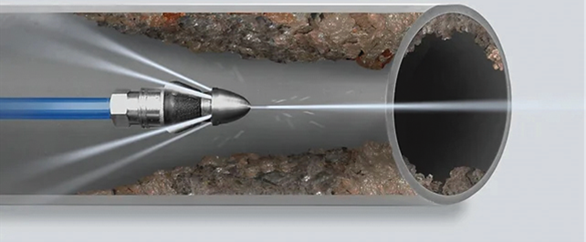
Hydro jetting uses high-pressure water to clean pipes. The water blasts away grease, roots, and buildup inside the sewer line. This method cleans deeply and clears even tough blockages. It works well for long pipes and heavy clogs. Hydro jetting leaves pipes smooth and clear, reducing future problems.
Mechanical Augers
Mechanical augers are tools with a rotating metal coil. The coil breaks up clogs and pushes debris through the pipe. This method works best for small to medium blockages. It is effective for clearing hair, grease, and small roots. Mechanical augers are easy to use and cause no pipe damage.
Video Camera Inspections
Video camera inspections help find the exact problem inside pipes. A small camera moves through the sewer line, sending live images to the technician. This shows cracks, blockages, or tree roots clearly. Inspections guide the cleaning process and prevent guesswork. They save time and avoid unnecessary repairs.
Choosing The Right Cleaning Service
Choosing the right sewer line cleaning service matters a lot. A good service keeps your pipes clean and your home safe. The right choice saves money and prevents future problems. Here are some key points to consider when selecting a cleaning company.
Evaluating Experience And Equipment
Experience shows how well a company handles problems. Companies with many years in service often work faster and better. Modern equipment helps clean pipes thoroughly. Ask about the tools they use. Good tools mean fewer chances of damage.
Cost Considerations
Price is important but not the only factor. Cheap services may cut corners or miss problems. High prices do not always guarantee quality. Find a service that offers fair prices. Compare a few quotes before deciding.
Service Guarantees And Warranties
Guarantees protect you from poor work. A company that offers a warranty shows confidence in its service. Ask if they fix problems for free after cleaning. Clear guarantees give peace of mind and trust.
Credit: rlgbuilds.com
Preventing Future Sewer Line Problems
Preventing future sewer line problems saves money and stress. Small issues can grow into big repairs. Taking care of your sewer line keeps your home safe and clean.
Simple steps help keep sewer lines clear and working well. Regular care and smart habits protect your pipes from damage.
Regular Maintenance Tips
Schedule sewer line inspections every year. Professionals use cameras to find blockages early. Clear slow drains before they cause backups. Avoid pouring grease or oil down drains. Clean drain traps regularly to stop buildup. Use enzyme cleaners to break down organic waste safely.
Proper Waste Disposal Habits
Only flush toilet paper and human waste. Avoid flushing wipes, diapers, or sanitary products. These items cause clogs and damage pipes. Dispose of cooking grease in the trash, not the drain. Use strainers in sinks to catch food scraps. Teach family members good disposal habits.
Landscape Planning To Avoid Root Damage
Plant trees away from sewer lines. Roots seek water and can crack pipes. Choose plants with shallow roots near your home. Use root barriers to protect underground pipes. Check landscaping plans before planting large trees. Maintaining safe distances prevents costly repairs.

Credit: www.youtube.com
Frequently Asked Questions
What Is Sewer Line Cleaning And Why Is It Important?
Sewer line cleaning removes blockages and buildup inside pipes. It helps prevent backups and costly repairs. Clean lines keep your plumbing working well.
How Often Should Sewer Lines Be Cleaned?
Most experts recommend cleaning every 1 to 3 years. Homes with older pipes or tree roots may need it more often. Regular cleaning avoids clogs and damage.
What Are Common Signs Of A Clogged Sewer Line?
Slow drains, bad odors, and gurgling sounds are common signs. Water backup in sinks or toilets also indicates a blockage. Early detection saves money and hassle.
Can Sewer Line Cleaning Prevent Pipe Damage?
Yes, cleaning removes harmful debris and buildup that can cause damage. It helps extend the life of your sewer pipes. Prevention is cheaper than repairs.
What Methods Are Used For Sewer Line Cleaning?
Common methods include snaking, hydro jetting, and rodding. Hydro jetting uses high-pressure water to clear tough clogs. Professionals choose the best method based on the issue.
Is Sewer Line Cleaning A Diy Task?
DIY cleaning is risky and may not fix deep clogs. Professionals have the right tools and experience to clean safely. Hiring experts ensures proper and thorough cleaning.
How Much Does Professional Sewer Line Cleaning Cost?
Costs vary by location and problem severity but average $200 to $500. Some factors include pipe length and cleaning method used. Getting a quote helps plan your budget.
Conclusion
Regular sewer line cleaning keeps your pipes clear and working well. It helps prevent clogs and costly repairs. Clean pipes mean fewer bad smells and less risk of water damage. Simple care now saves trouble later. Call a professional to keep your sewer lines in top shape.
Don’t wait for problems to start. A clean sewer line protects your home and peace of mind. Easy to do, smart to do.