
When it comes to fixing or installing your toilet, choosing the right seal can make all the difference. You might have heard about wax and waxless toilet seals, but which one is really best for your home?
Picking the wrong seal can lead to leaks, bad smells, and costly repairs. You’ll discover the key differences between wax and waxless seals, so you can make a smart choice that saves you time, money, and headaches. Keep reading to find out which toilet seal fits your needs perfectly.
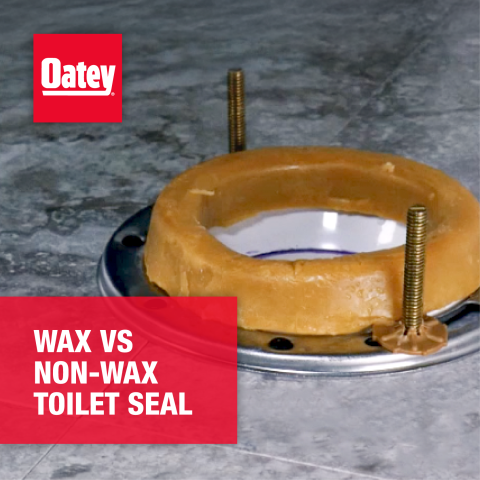
Credit: www.oatey.ca
Wax Toilet Seals
Wax toilet seals have been a popular choice for many years. They create a strong, watertight seal between the toilet base and the drain pipe. This prevents leaks and stops sewer gases from escaping into your bathroom. Understanding wax seals helps you make an informed decision for your toilet installation.
Material And Design
Wax toilet seals are made from soft, pliable wax. This wax is usually mixed with a bit of resin for durability. The seal looks like a thick donut. It fits snugly between the toilet and the flange on the floor. Wax’s softness allows it to mold perfectly to uneven surfaces.
Installation Process
Installing a wax seal is straightforward. First, remove the old seal completely. Clean the flange and the toilet base thoroughly. Place the new wax ring on the flange carefully. Lower the toilet onto the ring, pressing down firmly. Tighten the bolts to secure the toilet and create a tight seal.
Pros And Cons
Wax seals are very affordable and easy to find. They provide a strong seal that lasts many years. Wax is flexible, which helps with uneven floors. On the downside, wax seals can be messy during installation. They also cannot be reused once compressed. Any movement or shifting can cause leaks over time.
Common Issues
Leaks are the most common problem with wax seals. This usually happens if the seal is damaged or improperly installed. Over time, the wax can dry out and crack. This weakens the seal and allows water to escape. Removing a wax seal can be tricky, as it sticks tightly to surfaces.
Waxless Toilet Seals
Waxless toilet seals offer a modern alternative to traditional wax rings. They use flexible materials to create a tight seal between the toilet and the drain pipe. These seals are easier to handle and less messy than wax. Many homeowners choose waxless seals for their durability and convenience.
Types And Materials
Waxless seals come in several types. One common type is a rubber gasket. Another type uses foam or rubber with a plastic flange. Some seals combine rubber and silicone for extra flexibility. These materials resist water and do not degrade quickly.
Installation Steps
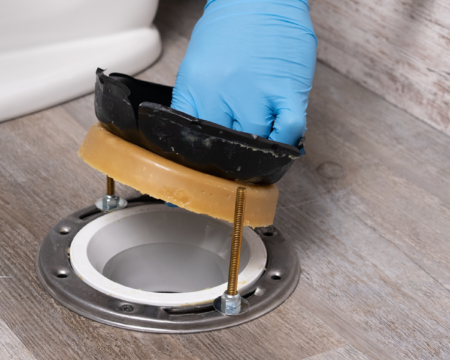
First, turn off the water and drain the toilet. Remove the old wax seal carefully. Clean the flange and check for damage. Place the waxless seal on the flange or toilet outlet. Align the toilet over the seal and press down firmly. Tighten the bolts and reconnect the water supply.
Advantages And Drawbacks
Waxless seals are easy to install and less messy. They can be reused if you move the toilet. They resist mold and won’t melt in heat. Some models may cost more than wax rings. They might not fit all toilet types perfectly.
Maintenance Tips
Check the seal if you notice leaks or odors. Clean around the base of the toilet regularly. Avoid using harsh chemicals near the seal. Replace the seal if the toilet wobbles or leaks. Regular inspection can extend the seal’s life.
Comparing Wax And Waxless Seals
Choosing the right toilet seal is important for a leak-free bathroom. Wax and waxless seals both connect the toilet to the drain pipe. Each type has unique features. Understanding these can help you pick the best fit for your home. Below, we compare wax and waxless seals based on four key factors.
Durability And Longevity
Wax seals have been used for decades. They create a strong, water-tight seal. Yet, wax can degrade over time. It may soften or crack after years of use. Waxless seals are newer and made from rubber or foam. These materials resist drying and cracking. Waxless seals often last longer without needing replacement.
Cost And Availability
Wax seals are usually cheaper and easy to find. Most hardware stores stock them. Waxless seals can cost more due to their modern design. They might not be available everywhere. Still, many home improvement stores now carry waxless options.
Ease Of Installation
Wax seals require careful placement. They need to be warmed slightly to seal well. Installation mistakes can cause leaks. Waxless seals are easier to install. They fit snugly without extra tools or heating. This makes them a good choice for beginners.
Leak Prevention
Wax seals provide a tight barrier but may fail if the toilet moves. Waxless seals are flexible and can handle small movements better. This flexibility helps prevent leaks over time. Both seals work well if installed correctly. Waxless seals offer a slight edge in leak resistance.
Choosing The Right Seal For Your Bathroom
Choosing the right toilet seal is important for a smooth bathroom setup. The seal stops leaks and bad smells. Picking the wrong one can cause problems later. Understanding your bathroom’s needs helps make the best choice.
Bathroom Setup Considerations
Check the floor type under your toilet. Some seals work better on uneven floors. Wax seals need a flat, solid surface for a tight fit. Waxless seals can adjust to slight floor irregularities. Also, think about how often you might move the toilet. Waxless seals are easier to replace without damage.
Environmental Factors
Wax seals are made from natural wax and can melt in very hot places. Waxless seals use rubber or plastic, which handle heat well. If your bathroom gets very humid or warm, a waxless seal lasts longer. Also, waxless seals don’t attract pests or mold as much as wax seals.
Budget And Preferences
Wax seals usually cost less at first but may need replacing more often. Waxless seals cost more but last longer and need less work. Some people prefer wax because it has been used for many years. Others like waxless seals for their clean installation and easy removal. Your budget and how much effort you want to spend matter here.
Troubleshooting Seal Problems
Seal problems in toilets cause leaks and odors. These issues can damage floors and walls if ignored. Understanding how to troubleshoot seal problems helps save money and effort. The two common types of toilet seals are wax and waxless. Each has its own set of challenges and solutions.
Identifying Seal Leaks
Leaks often appear as water around the toilet base. Check for damp spots or puddles. Sometimes, a bad smell signals a seal leak. Listen for unusual sounds during flushing. Cracks in the toilet base or floor can also hint at seal failure.
Repair Vs Replacement
Small leaks may only need tightening or resealing. Wax seals usually require replacement if damaged. Waxless seals are easier to remove and replace. Assess the seal’s condition before deciding. Replacement often prevents future leaks better than repairs.
Preventive Measures
Regular cleaning around the toilet base helps spot issues early. Avoid using harsh chemicals that damage seals. Check the toilet bolts and tighten them gently. Inspect seals during bathroom renovations or repairs. Proper installation ensures longer seal life and fewer problems.
Credit: terrylove.com
Tips For Smart Bathroom Fixes
Smart bathroom fixes save time and money. Knowing the right steps makes a big difference. Simple tasks can keep your toilet working well. Choosing between wax and waxless toilet seals is part of this. Here are key tips to help you fix your bathroom smartly.
Tools And Materials Needed
Gather all tools before you start. You will need a new wax or waxless seal. A putty knife helps remove old wax. A wrench or pliers can loosen bolts. Gloves protect your hands from germs. Have a clean rag for wiping surfaces. A bucket helps catch water spills.
Safety Precautions
Turn off the water supply before beginning. Flush the toilet to empty the tank. Wear gloves to avoid contact with waste. Use eye protection if working under the toilet. Work slowly to prevent damage to parts. Keep the area dry to avoid slips. Wash hands thoroughly after the task.
Professional Help Vs Diy
Simple seal replacements can be done alone. Complex plumbing issues need a professional’s touch. Choose DIY if you have basic tools and skills. Call a plumber if unsure about the job. Professionals save time and reduce risk of leaks. DIY saves money but requires patience. Know your limits before starting the work.
Credit: www.oatey.ca
Frequently Asked Questions
What Is The Main Difference Between Wax And Waxless Toilet Seals?
Wax seals use a soft wax ring to seal the toilet base. Waxless seals are made from rubber or foam and create a tight fit without wax.
Which Toilet Seal Type Is Easier To Install?
Waxless seals are generally easier to install because they don’t require heating or shaping. Wax seals need careful placement to avoid leaks.
Can Wax Seals Be Reused After Removal?
No, wax seals cannot be reused once removed. Waxless seals can often be reused if they remain intact.
Which Toilet Seal Lasts Longer, Wax Or Waxless?
Wax seals can last many years but may degrade if the toilet moves. Waxless seals resist damage better and often last longer.
Are Waxless Toilet Seals Better For Preventing Leaks?
Waxless seals provide a strong, flexible seal that resists leaks from toilet movement. Wax seals can crack or shift, causing leaks over time.
Do Wax Seals Work Well With Uneven Floors?
Wax seals can fill small gaps on uneven floors better than some waxless seals. Waxless seals may need a flat surface for best results.
Is It Safer To Use Wax Or Waxless Seals For Bathroom Plumbing?
Both seals are safe when installed correctly, but waxless seals reduce mess and are cleaner to handle. Wax seals require care to avoid damage during installation.
Conclusion
Choosing between wax and waxless toilet seals depends on your needs. Wax seals offer a tight, proven fit but can be messy to install. Waxless seals are cleaner and easier to handle but might cost more. Both types prevent leaks and keep your bathroom fresh.
Consider your budget, skill level, and preferences before deciding. The right seal ensures a secure toilet connection and avoids costly repairs. Simple choices lead to long-lasting results.