
Are you facing problems with your old or damaged pipes? Deciding between pipe relining and full pipe replacement can be confusing.
Both options fix your plumbing, but they work very differently. Choosing the right method can save you time, money, and stress. You’ll discover the key differences, benefits, and drawbacks of pipe relining versus replacement. By the end, you’ll feel confident making the best choice for your home or business.
Keep reading to find out which solution fits your needs perfectly.

Credit: callwisler.com
Pipe Relining Basics
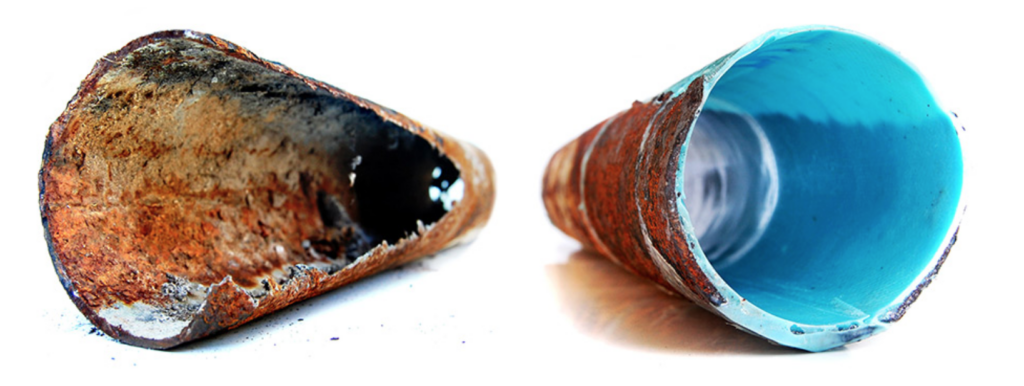
Pipe relining offers a modern way to fix damaged pipes without digging them up. It saves time and causes less mess. The process involves creating a new pipe inside the old one. This method extends the life of pipes and prevents leaks or breaks.
Understanding how pipe relining works and what materials are used helps decide if this method suits your needs. Knowing where it applies best also guides homeowners and businesses in making smart choices.
How Pipe Relining Works
First, the damaged pipe is cleaned to remove dirt and debris. Then, a flexible liner coated with resin is inserted into the pipe. The liner fits tightly against the pipe walls. Next, the resin hardens, forming a strong new pipe inside the old one. This process seals cracks and holes, stopping leaks. It usually takes a few hours to complete.
Materials Used In Relining
The main material is a special resin that hardens quickly. It is strong, waterproof, and safe for drinking water pipes. The liner is often made from felt or fiberglass fabric. These materials are flexible and fit well inside pipes. They also resist corrosion and root intrusion.
Typical Applications
Pipe relining works well for sewer lines, stormwater pipes, and water supply lines. It fixes cracks, leaks, and joint separations. It suits pipes made of clay, concrete, PVC, or cast iron. It is common in homes, businesses, and public infrastructure. Relining is a good choice where digging is difficult or costly.
Credit: callwisler.com
Pipe Replacement Essentials
Pipe replacement is a crucial part of maintaining your plumbing system. It involves removing old pipes and installing new ones. This process helps fix leaks, blockages, and damage that cannot be repaired by other methods. Knowing the basics of pipe replacement can help you understand when this option is necessary and what it involves.
Choosing pipe replacement means a full swap of the damaged pipes. It is often the best choice for severe problems or old plumbing systems. Understanding the methods, materials, and signs for replacement will guide you in making the right decision.
Methods Of Pipe Replacement
There are several ways to replace pipes. The traditional method involves digging up the ground or walls to access the pipes. This method is called open trench replacement. It can be disruptive but allows full access to the plumbing.
Trenchless pipe replacement is another option. It uses small holes and specialized tools to remove and replace pipes. This method causes less damage to your property and is quicker to complete.
Materials For New Pipes
New pipes come in different materials. Copper pipes are strong and last a long time. They resist corrosion but cost more. PVC pipes are lightweight and easy to install. They are also affordable and resistant to chemicals.
PEX pipes are flexible and easy to work with. They resist freezing and are good for both hot and cold water. Each material has its own benefits depending on your needs and budget.
When Replacement Is Needed
Replacement is necessary if pipes are severely damaged or leaking. Old pipes that rust or corrode need replacement to prevent further damage. Pipes with frequent blockages or cracks also require replacement.
Signs include low water pressure, foul smells, and water damage around pipes. If repairs fail repeatedly, replacement is the best solution. Acting early can save money and protect your home.
Cost Comparison
Choosing between pipe relining and replacement often comes down to cost. Understanding the expenses involved helps make a better decision. Both options have different price points upfront and over time.
Costs also vary based on the extent of damage and location of the pipes. Careful cost evaluation can save money and avoid surprises later.
Initial Installation Costs
Pipe relining usually costs less at the start. It requires less digging and fewer materials. This method uses a resin liner to fix pipes from the inside. The process is quicker and less labor-intensive.
Replacing pipes involves removing old pipes and installing new ones. This requires more work, equipment, and time. The initial price is higher due to excavation and pipe purchases.
Long-term Expenses
Relined pipes often last many years without major problems. This can lower maintenance and repair costs over time. The smooth inner surface reduces blockages and corrosion.
New pipes can last long but may need repairs or replacements sooner in harsh environments. The risk of pipe damage from soil or roots can increase future expenses.
Potential Hidden Costs
Relining might not fix severe pipe damage, leading to future repairs. If pipes collapse, relining may fail, causing extra costs. Proper inspection is key to avoid surprises.
Replacement can uncover unexpected problems, like soil damage or hidden leaks. Excavation might harm landscaping or structures, leading to repair costs. Planning can minimize these risks.
Durability And Lifespan
Durability and lifespan are key factors when choosing between pipe relining and replacement. Both methods aim to restore pipe function but differ in how long they last. Understanding their durability helps decide the best option for long-term use.
Expected Lifespan Of Relined Pipes
Relined pipes usually last 50 years or more. The relining material forms a smooth, strong new pipe inside the old one. It resists corrosion and cracks well. This method avoids digging, which reduces damage to the pipe’s surroundings.
Lifespan Of Replaced Pipes
Replaced pipes can last 50 to 100 years depending on the material. Copper, PVC, and cast iron each have different lifespans. New pipes often handle pressure and wear better than old ones. Proper installation affects how long they last.
Factors Affecting Durability
Soil type, water quality, and pipe material affect pipe lifespan. Heavy traffic or shifting soil can damage pipes. Chemical exposure inside pipes can cause corrosion. Regular maintenance also helps pipes last longer.
Installation Process
The installation process is a key factor when choosing between pipe relining and replacement. It affects the project’s duration, the mess created, and how much your daily routine will change. Understanding how each method is installed helps you make a better choice for your home or business.
Time Required For Relining
Pipe relining takes less time than full replacement. The process usually finishes in one or two days. First, the pipes are cleaned thoroughly. Then, a special resin is inserted and hardened inside the pipe. There is no need to dig up the ground or break walls. Work is fast and efficient.
Time Required For Replacement
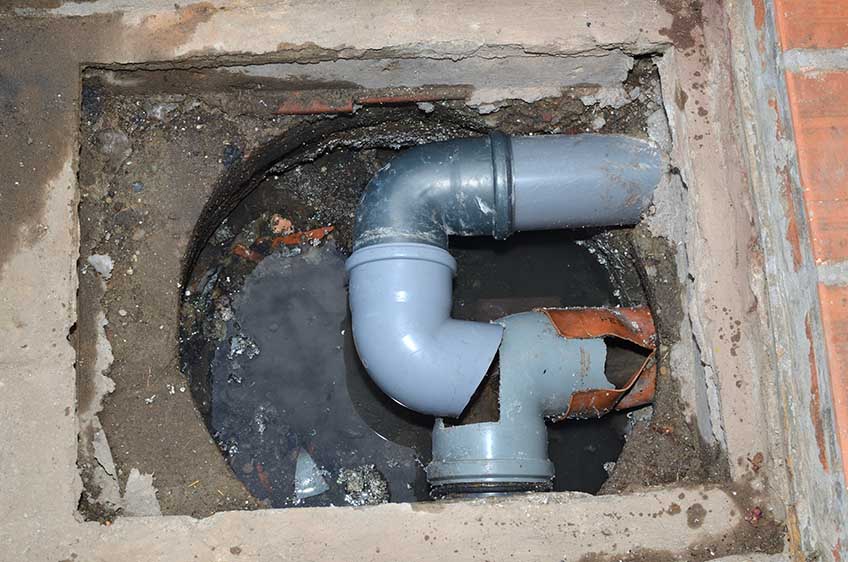
Replacing pipes takes much longer than relining. It may take several days or even weeks. Workers must dig trenches or open walls to reach old pipes. Then, they remove the old pipes and install new ones. After installation, they repair the ground or walls. This process is slow and more complex.
Disruption And Cleanup
Relining causes very little disruption. There is no heavy digging or large holes. Cleanup is easy because there is little debris. You can use your property almost as usual. Replacement creates major disruption. Digging and tearing down walls make a big mess. Cleanup takes time and effort to restore the area. Your routine may be disturbed for days or weeks.
Credit: slbpipesolutions.com
Environmental Impact
The environmental impact of pipe relining versus replacement is an important factor to consider. Both methods affect the environment differently. Understanding these effects helps homeowners choose the greener option.
Waste Generation
Pipe replacement creates a lot of waste. Old pipes and debris must be discarded. This waste often ends up in landfills. Pipe relining produces very little waste. It uses the existing pipe structure. This reduces the need for disposal and lowers landfill pressure.
Energy Consumption
Replacing pipes requires heavy machinery and long work hours. These machines use a large amount of energy. Pipe relining uses fewer machines and less time. It consumes much less energy overall. Lower energy use means fewer greenhouse gas emissions.
Sustainability Considerations
Pipe relining extends the life of existing pipes. It avoids cutting down trees or digging up roads. This helps preserve natural habitats and reduces pollution. Replacement often disturbs the environment more. Choosing relining supports sustainability by minimizing harm to nature.
Common Issues And Maintenance
Understanding common issues and maintenance helps keep your pipes working well. Both pipe relining and replacement have unique challenges. Knowing these problems can save you time and money. Regular upkeep extends the life of your plumbing system. It also prevents future damages and costly repairs.
Relining Problems To Watch For
Relined pipes can develop cracks or delamination over time. These issues reduce pipe strength and water flow. Sometimes, the resin used for relining may wear out. This causes leaks or weak spots in the pipe. Tree roots can still invade if the outer pipe is damaged. Watch for slow drains or unusual odors. These signs may indicate relining problems.
Replacement Maintenance Needs
Replaced pipes need regular inspection for leaks or corrosion. Metal pipes can rust and weaken over time. Plastic pipes may crack due to temperature changes. Check joints and seals often to prevent leaks. Clean pipes to avoid blockages from debris buildup. Proper drainage helps maintain replaced pipes longer. Schedule routine checks to catch problems early.
Tips For Extending Pipe Life
Keep drains free from grease and hard debris. Avoid flushing large objects that cause clogs. Use strainers to catch hair and dirt. Control water pressure to reduce pipe stress. Fix leaks promptly to prevent damage. Schedule professional inspections every few years. Proper care helps pipes last many years without trouble.
Choosing The Right Option
Choosing between pipe relining and replacement is an important decision. The right choice depends on several factors. Understanding these factors helps you avoid extra costs and delays. It also ensures your pipes last longer and work well.
Assessing Pipe Condition
First, check the condition of your pipes. Look for cracks, leaks, or blockages. Small cracks often suit relining better. Large breaks or collapsed pipes may need full replacement. Age matters too. Older pipes might have more hidden damage. A thorough inspection reveals the best option.
Budget And Time Constraints
Budget plays a big role in your decision. Relining usually costs less than replacement. It also takes less time to finish. Replacement can be expensive and take days or weeks. Think about how much you can spend. Also, consider how fast you need the job done. This helps pick the best method.
Consulting Professionals
Experts offer valuable advice. They inspect your pipes with special tools. They explain the pros and cons of each option. Professionals know local rules and standards. Their experience helps avoid mistakes and extra costs. Trust their judgment to choose the right solution.
Frequently Asked Questions
What Is Pipe Relining And How Does It Work?
Pipe relining repairs damaged pipes by inserting a new lining inside the old one. It creates a smooth, strong pipe without digging up the ground. This method saves time and reduces mess.
How Does Pipe Replacement Differ From Relining?
Pipe replacement removes old pipes and installs new ones completely. Relining fixes pipes from the inside without removal. Replacement is more invasive and takes longer.
Which Option Is Cheaper: Pipe Relining Or Replacement?
Pipe relining usually costs less because it avoids digging and labor. Replacement involves excavation and new materials, increasing the price. Costs depend on pipe damage and location.
How Long Does Pipe Relining Last Compared To Replacement?
Pipe relining can last 25 to 50 years with proper care. Replacement pipes also last long but depend on the material used. Both offer durable solutions when done correctly.
Can All Types Of Pipes Be Relined Effectively?
Most clay, cast iron, and PVC pipes can be relined. Pipes with severe breaks or collapses might need replacement. A professional inspection can determine suitability.
Is Pipe Relining Better For The Environment Than Replacement?
Relining uses fewer resources and creates less waste than replacement. It reduces digging, protecting plants and soil. It is often the greener choice.
What Signs Indicate I Need Pipe Relining Or Replacement?
Frequent clogs, slow drains, leaks, or foul smells suggest pipe issues. Cracks or pipe collapse seen on inspection need repair. A plumber can advise on the best fix.
Conclusion
Choosing between pipe relining and replacement depends on your needs. Relining saves time and avoids digging up your yard. Replacement may suit older or severely damaged pipes. Consider cost, pipe condition, and how long you want the fix to last.
Both methods restore pipe function effectively. Think about convenience and budget before deciding. Consult a professional to find the best option for your home. This helps prevent future plumbing problems and keeps water flowing smoothly.