
When it comes to keeping your pool clean and safe, choosing the right sanitizer can feel confusing. You’ve probably heard of Trichlor, Dichlor, and Cal Hypo—but which one is best for your pool?
Each has its own strengths and weaknesses, and using the wrong one could mean extra work or even damage to your pool. You’ll get clear, simple facts about these three popular chemicals. By the time you finish reading, you’ll know exactly which option fits your needs—and how to use it the right way.
Don’t let confusion slow you down; your perfect pool care solution is just ahead.
Chlorine Types In Pools
Chlorine is the most common chemical used to keep pool water clean and safe. It kills bacteria, algae, and other harmful germs. Different types of chlorine work in different ways and have unique features. Understanding these types helps pool owners choose the best option for their needs.
Three popular chlorine types are Trichlor, Dichlor, and Calcium Hypochlorite. Each has its own strengths and uses. Knowing about these helps maintain clear and healthy pool water all season long.
What Is Trichlor?
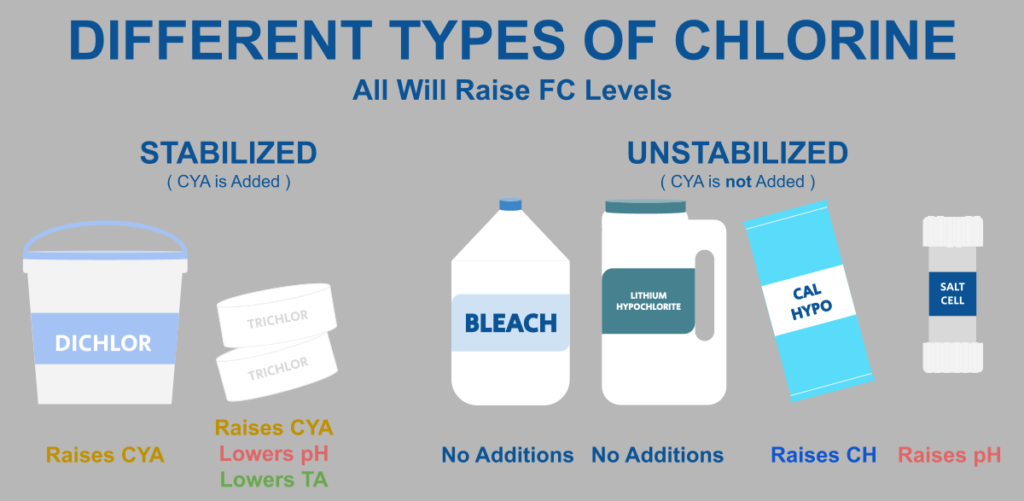
Trichlor is a slow-dissolving chlorine tablet or powder. It contains about 90% available chlorine. Trichlor is acidic, so it lowers the pool’s pH level. It is stable in sunlight, so it works well outdoors. Pool owners use Trichlor for regular, steady chlorine levels.
What Is Dichlor?
Dichlor is a fast-dissolving chlorine powder or granule. It contains around 56-62% available chlorine. Dichlor is less acidic than Trichlor and has a neutral pH. It dissolves quickly, so it works fast to kill germs. It is also stable in sunlight and easy to use.
What Is Calcium Hypochlorite?
Calcium Hypochlorite, or Cal Hypo, is a strong chlorine powder or tablet. It has about 65-70% available chlorine. Cal Hypo raises the pool’s pH level because it is alkaline. It dissolves quickly and works well for shock treatments. Pool owners like Cal Hypo for fast cleaning and algae control.
Credit: www.testyourownpool.com
Chemical Properties And Composition
Understanding the chemical properties and composition of Trichlor, Dichlor, and Cal Hypo is key for proper pool care. Each chemical behaves differently in water. This affects how they sanitize and maintain pool health.
Stabilizer Content
Trichlor contains cyanuric acid as a stabilizer. This helps protect chlorine from sunlight breakdown. Dichlor also has cyanuric acid but at a lower level. Cal Hypo does not contain any stabilizer. This means it needs more frequent chlorine checks in outdoor pools.
Ph Impact
Trichlor lowers the pool’s pH, making water more acidic. Dichlor has a mild effect, slightly lowering pH. Cal Hypo raises pH, making water more basic. Balancing pH is important for swimmer comfort and chlorine effectiveness.
Chlorine Concentration
Trichlor typically contains 90% available chlorine. Dichlor has about 56-62% available chlorine. Cal Hypo is the strongest, with 65-75% available chlorine. Higher chlorine means stronger and faster sanitizing power.
Application And Usage
Each chemical—Trichlor, Dichlor, and Calcium Hypochlorite—has specific uses in pool care. Understanding how to apply them is key to keeping water clean and safe. Proper use also helps maintain balanced water chemistry and avoids damage to pool surfaces.
These chemicals differ in form, strength, and how they dissolve in water. Using them correctly ensures effective sanitation without causing problems.
How To Use Trichlor
Trichlor comes as slow-dissolving tablets or sticks. Drop them into a floating dispenser or automatic feeder. Avoid placing tablets directly in the pool skimmer. This can cause high chlorine levels and damage equipment.
Test water regularly to keep chlorine levels between 1 and 3 ppm. Trichlor also lowers pH, so monitor pH levels closely. Adjust pH with other chemicals if it drops too low.
Using Dichlor Safely
Dichlor is a fast-dissolving powder or granules. It is water-soluble and stable at high temperatures. Dissolve Dichlor in a bucket of water before adding it to the pool. Pour the solution evenly around the pool edges.
Dichlor raises chlorine without affecting pH much. Keep chlorine levels in the safe range. Avoid adding Dichlor directly to the skimmer or deep pool areas to prevent damage.
Applying Calcium Hypochlorite
Calcium Hypochlorite is a strong, fast-acting granular chlorine. Pre-dissolve it in a bucket of water before adding to the pool. Pour the solution slowly around the pool perimeter.
This chemical raises chlorine and calcium hardness. Test calcium levels regularly to avoid scaling or cloudiness. Store Calcium Hypochlorite in a dry, cool place away from other chemicals.
Advantages Of Each Chemical
Each pool chemical offers unique benefits. Knowing these helps maintain clean and safe water. Trichlor, Dichlor, and Calcium Hypochlorite serve different needs. Choosing the right one depends on your pool setup and maintenance routine.
Benefits Of Trichlor
Trichlor dissolves slowly, providing steady chlorine levels. It contains stabilizer, which protects chlorine from sunlight. This means chlorine lasts longer in outdoor pools. Trichlor is easy to use in tablets or sticks. It keeps water clear and safe without frequent dosing.
Strengths Of Dichlor
Dichlor dissolves quickly, making it ideal for fast chlorination. It is non-stabilized but still gentle on pools. It adds chlorine without affecting pH much. Dichlor is good for shock treatments and regular chlorination. It mixes well in water and leaves no residue.
Advantages Of Calcium Hypochlorite
Calcium Hypochlorite has a high chlorine concentration. It works well for large pools or heavy contamination. It does not contain stabilizer, so sunlight breaks it down faster. Calcium Hypochlorite raises water hardness, which can help soft water pools. It is cost-effective and widely available as a powder or granules.
Potential Drawbacks
Each pool sanitizer has its own set of drawbacks. Knowing these helps you choose the best fit for your pool. This section highlights the main limitations of Trichlor, Dichlor, and Cal Hypo.
Trichlor Limitations
Trichlor is highly acidic. It lowers pool water pH quickly. This can cause corrosion of pool surfaces and equipment. It also leaves cyanuric acid in the water. High cyanuric acid levels reduce chlorine’s effectiveness. Handling Trichlor requires care due to its strong fumes. It dissolves slowly, which may delay sanitation.
Dichlor Concerns
Dichlor has moderate acidity but less than Trichlor. It also adds cyanuric acid to the pool water. Overuse can lead to buildup and reduced chlorine power. Dichlor dissolves faster than Trichlor but still requires careful handling. Its cost is usually higher than Cal Hypo. Storage needs to be dry to prevent clumping.
Cal Hypo Challenges
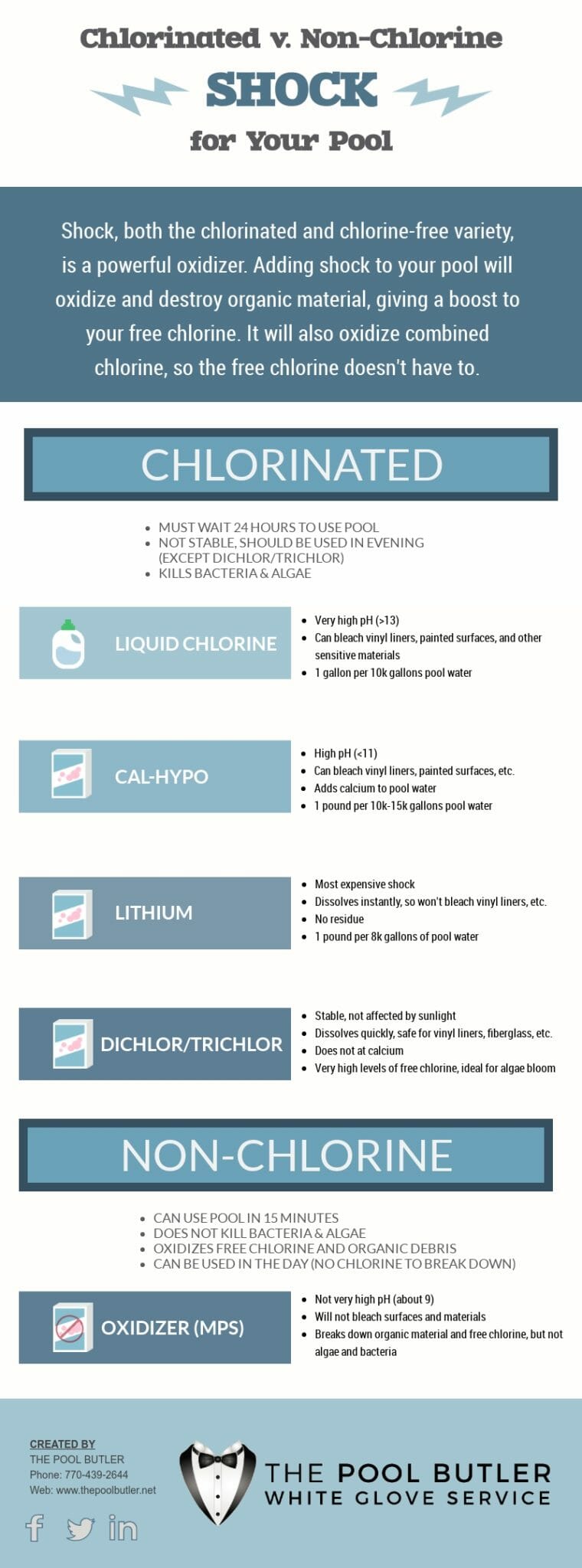
Cal Hypo raises pool water pH, needing frequent adjustment. It does not add cyanuric acid, so extra stabilizer might be necessary. This sanitizer can cause calcium buildup in hard water areas. It dissolves quickly and can bleach pool liners or swimsuits if not used properly. Cal Hypo is less stable in storage and must stay dry.
Credit: www.thepoolbutler.net
Cost And Availability
Cost and availability play a big role in choosing the right pool sanitizer. Each chemical—Trichlor, Dichlor, and Calcium Hypochlorite (Cal Hypo)—has its own price range and supply sources. Understanding these factors helps you pick the best option for your budget and needs.
Price Comparison
Trichlor usually costs more per pound than the others. It comes in tablet form, which adds convenience but raises the price. Dichlor falls in the middle. It is more affordable than Trichlor and offers a good balance of quality and cost. Cal Hypo is the cheapest option. It sells in granular form and covers large areas quickly. The price difference depends on local suppliers and quantity bought.
Where To Buy
Trichlor is widely available at pool supply stores and online shops. It is popular for automatic feeders. Dichlor can also be found easily in many pool stores and websites. It suits pools needing fast dissolving sanitizer. Cal Hypo is common in hardware stores and garden centers. Buying in bulk usually saves money. Seasonal demand affects stock levels for all three chemicals.
Safety And Handling Tips
Handling chemicals like Trichlor, Dichlor, and Calcium Hypochlorite requires care. These substances are strong and can be dangerous if mishandled. Proper safety steps protect you and others from harm. Follow strict rules to keep storage, handling, and disposal safe.
Storage Guidelines
Store these chemicals in a cool, dry place. Keep them away from direct sunlight and moisture. Use airtight containers to prevent contamination. Separate them from acids and other reactive substances. Label all containers clearly. Keep out of reach of children and pets.
Protective Measures
Wear gloves and safety goggles when handling these chemicals. Use a mask to avoid inhaling dust or fumes. Work in a well-ventilated area. Avoid touching your face during use. Wash hands thoroughly after handling. Do not mix these chemicals with others unless instructed.
Disposal Recommendations
Do not pour leftover chemicals down drains or toilets. Check local rules for hazardous waste disposal. Use designated disposal centers for chemical waste. Avoid mixing different chemicals during disposal. Seal containers tightly before disposal. Keep waste away from children and animals.
Credit: www.aquaterrabackyard.com
Choosing The Right Chlorine
Choosing the right chlorine for your pool is important. It keeps the water clean and safe. Different types of chlorine work better for different pools. Knowing which one fits your needs helps maintain clear water. Here is how to choose between Trichlor, Dichlor, and Cal Hypo.
Pool Type Considerations
Some pools need slow-dissolving chlorine. Trichlor works well for saltwater and smaller pools. It keeps chlorine levels steady over time. Dichlor dissolves faster and suits larger pools. Cal Hypo is strong and ideal for shock treatments. Consider your pool size and type before choosing chlorine.
Water Chemistry Factors
Chlorine affects pool pH and stabilizer levels. Trichlor adds cyanuric acid, which protects chlorine from sunlight. Dichlor also adds stabilizer but less than Trichlor. Cal Hypo does not add stabilizer but raises pH. Test your water often to balance these chemicals well.
Personal Preferences
Some people prefer easy-to-use tablets or granules. Trichlor comes in tablets that slowly dissolve. Dichlor is usually granular and dissolves quickly. Cal Hypo is powdery and used for quick shock treatments. Your choice depends on how you want to treat your pool.
Frequently Asked Questions
What Is The Main Difference Between Trichlor And Dichlor?
Trichlor is a slow-dissolving, stabilized chlorine with a low pH. Dichlor dissolves faster and has a neutral pH. Both are used for pool sanitizing but suit different needs.
How Does Cal Hypo Compare To Trichlor And Dichlor?
Cal Hypo is unstabilized chlorine with a high pH. It works fast but can raise pool pH quickly. Trichlor and Dichlor contain stabilizers that protect chlorine from sunlight.
Which Chlorine Type Is Best For Saltwater Pools?
Dichlor and Cal Hypo are often preferred for saltwater pools. Trichlor adds stabilizer that salt pools may not need. Choosing depends on pool chemistry and maintenance.
Can I Mix Trichlor, Dichlor, And Cal Hypo In One Pool?
Mixing these chemicals is generally not recommended. Different pH levels and stabilizers can cause imbalances. Always test pool water before adding new chemicals.
Why Does Trichlor Lower The Pool Water Ph?
Trichlor contains acid that slowly lowers pH over time. This helps balance pool water but may require pH adjustment. Monitoring pH regularly is important.
What Safety Precautions Should I Take With Cal Hypo?
Cal Hypo is a strong oxidizer and can cause burns. Store it in a cool, dry place away from organic materials. Use gloves and eye protection when handling it.
How Often Should I Add These Chlorine Types To My Pool?
Frequency depends on pool size, temperature, and usage. Trichlor lasts longer and needs less frequent dosing. Dichlor and Cal Hypo may require more regular additions.
Conclusion
Choosing between Trichlor, Dichlor, and Cal Hypo depends on your pool needs. Trichlor works well for steady chlorine levels. Dichlor dissolves quickly and is gentle on water balance. Cal Hypo is strong and fast-acting but may raise pH. Each has pros and cons to consider.
Test your pool water often for best results. Proper use keeps your pool clean and safe. Simple steps lead to clear, healthy water all season.