
When you’re fixing a leak or connecting pipes, choosing the right sealant can make all the difference. You’ve probably heard about Teflon tape and pipe dope, but which one is better for your job?
Picking the wrong option could lead to leaks, wasted time, or costly repairs. You’ll discover the key differences between Teflon tape and pipe dope, so you can make the best choice for your plumbing project. Keep reading to find out which one will save you hassle and get the job done right the first time.

Credit: www.youtube.com
Teflon Tape Basics
Teflon tape is a common tool in plumbing. It helps seal pipe threads to stop leaks. The tape is thin, white, and easy to use. Plumbers often choose it for its quick and clean application.
Understanding how it works helps you decide if it suits your project. The tape’s material and traits matter a lot. Let’s explore what makes Teflon tape useful.
Composition And Properties
Teflon tape is made from PTFE (polytetrafluoroethylene). This plastic is very slippery and resistant to heat. It does not dissolve in water or most chemicals.
The tape is thin and flexible. It stretches slightly to fit threads tightly. It can handle temperatures up to 500°F (260°C). It also resists corrosion and rust.
Common Uses In Plumbing
Teflon tape is mostly used to seal threaded pipe connections. It prevents water and gas leaks. It works well on metal and plastic threads alike.
Plumbers wrap the tape around pipe threads before screwing them together. This fills the gaps and creates a tight seal. The tape also makes it easier to unscrew pipes later.
Advantages And Limitations
Teflon tape is clean and easy to apply. It does not make a mess like some pastes. It is also affordable and widely available.
It works best on small to medium-sized pipes. It may fail on large pipes or high-pressure systems. The tape can tear if applied incorrectly. It also does not fill large gaps or damaged threads.
Pipe Dope Essentials
Pipe dope plays a key role in plumbing and pipe fitting. It helps create a tight seal on threaded pipes. This prevents leaks and ensures the connection stays strong. Understanding pipe dope is important for both DIYers and professionals.
Here are the essentials of pipe dope, including what it is made of, where it is used, and its pros and cons.
What Is Pipe Dope Made Of
Pipe dope is a paste-like substance. It is made from a mix of oils, fillers, and sometimes solvents. Some types contain Teflon or other lubricants. The mix depends on the brand and purpose. It often includes clay or talc as fillers. These help the paste stick and seal threads tightly.
Typical Applications
Pipe dope works well on metal threaded pipes. It is common in water, gas, and air lines. It helps in plumbing, heating, and cooling systems. The paste fills gaps between threads. This stops leaks and corrosion. It is best for pipes with heavy use or pressure.
Pros And Cons
Pipe dope sticks well to threads. It offers strong resistance to pressure and temperature. It also lubricates threads for easier tightening. On the downside, it can be messy to apply. Cleanup requires solvents or scraping. Some pipe dopes are not safe for drinking water systems. It may harden over time, making future repairs harder.
Comparing Seal Effectiveness
Comparing the seal effectiveness of Teflon tape and pipe dope helps choose the right product. Both create seals for pipe joints but work differently. Understanding their strengths guides better decisions for plumbing tasks.
Each product offers distinct benefits in preventing leaks, standing up to pressure, and resisting heat and chemicals. Let’s explore these areas closely.
Leak Prevention Capabilities
Teflon tape wraps tightly around pipe threads. It fills small gaps and stops leaks effectively. It works best on smooth, well-cut threads.
Pipe dope is a paste applied to threads. It seals uneven surfaces better and fills larger gaps. It also lubricates threads, making assembly easier.
Both reduce leaks well, but pipe dope handles imperfect threads better.
Durability Under Pressure
Teflon tape stays in place under normal pressure. It can slip or tear if pressure spikes suddenly.
Pipe dope forms a stronger, more flexible seal. It resists pressure changes without breaking down.
For high-pressure systems, pipe dope often lasts longer and holds tighter.
Temperature And Chemical Resistance
Teflon tape resists most chemicals and tolerates moderate heat. It works well in household plumbing.
Pipe dope varies by type. Some formulas handle higher temperatures and harsh chemicals better.
Choose pipe dope with specific resistance if pipes face extreme conditions.
Application Techniques
Applying Teflon tape and pipe dope correctly ensures a tight, leak-free seal. Each product needs a specific technique for best results. Using the right method helps avoid leaks and damage to pipes.
Read on to learn how to apply each product properly and what mistakes to avoid.
How To Apply Teflon Tape Correctly
Start by cleaning the pipe threads to remove dirt and oil. Wrap the tape clockwise around the threads. Make sure to cover the threads evenly without overlapping too much. Use two to three layers for most pipes. Avoid wrapping tape over the pipe end, which can block flow. Press the tape firmly to secure it. Screw the pipe parts together by hand first, then tighten with a wrench.
Proper Use Of Pipe Dope
Clean the threads well before applying pipe dope. Use a brush or your finger to spread the compound evenly. Cover all threads with a thin layer. Avoid thick clumps that can cause leaks. Join the pipes while the dope is still wet. Tighten the connection by hand, then use a wrench. Allow time for the dope to cure as per instructions before use.
Common Mistakes To Avoid
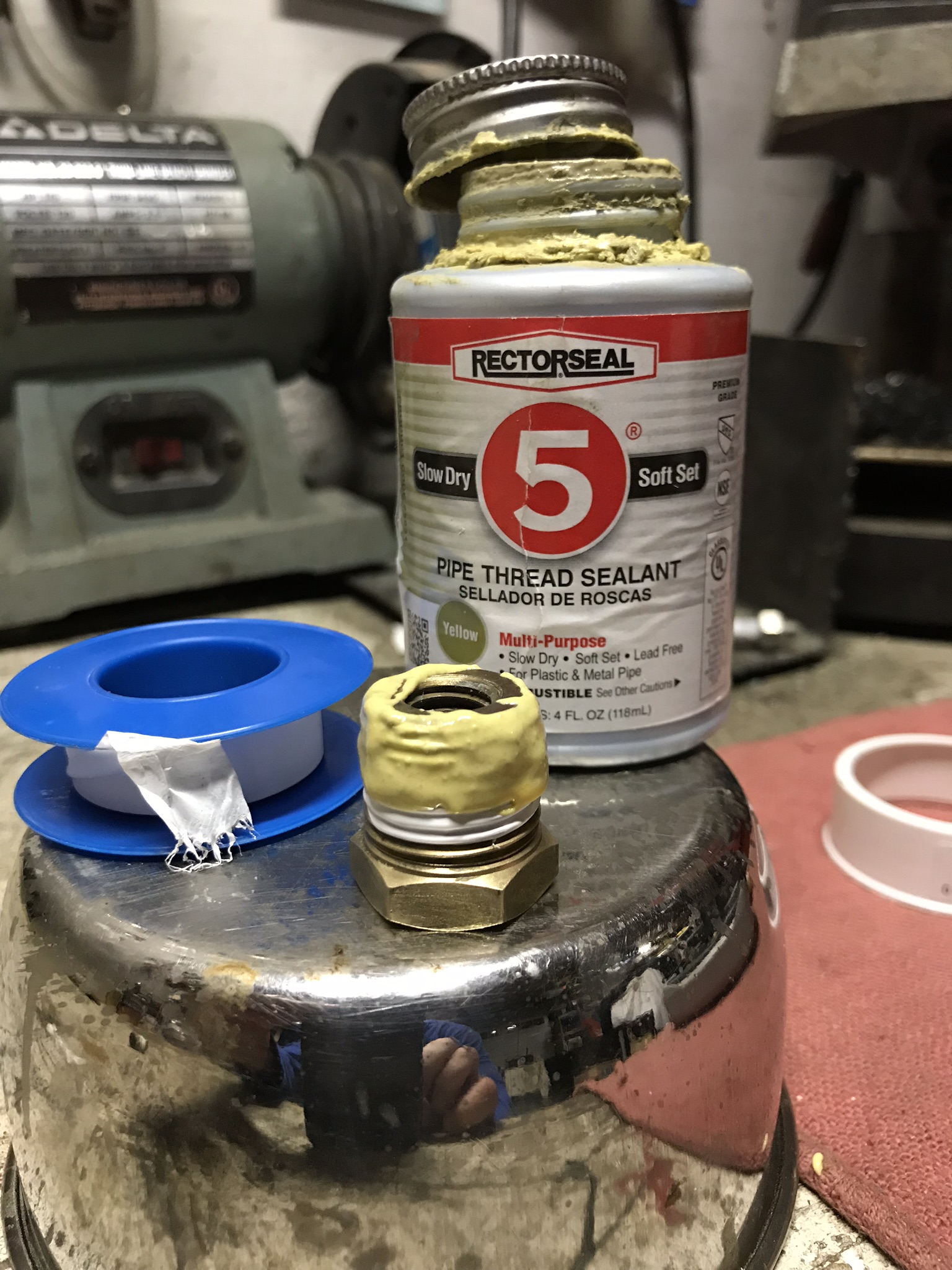
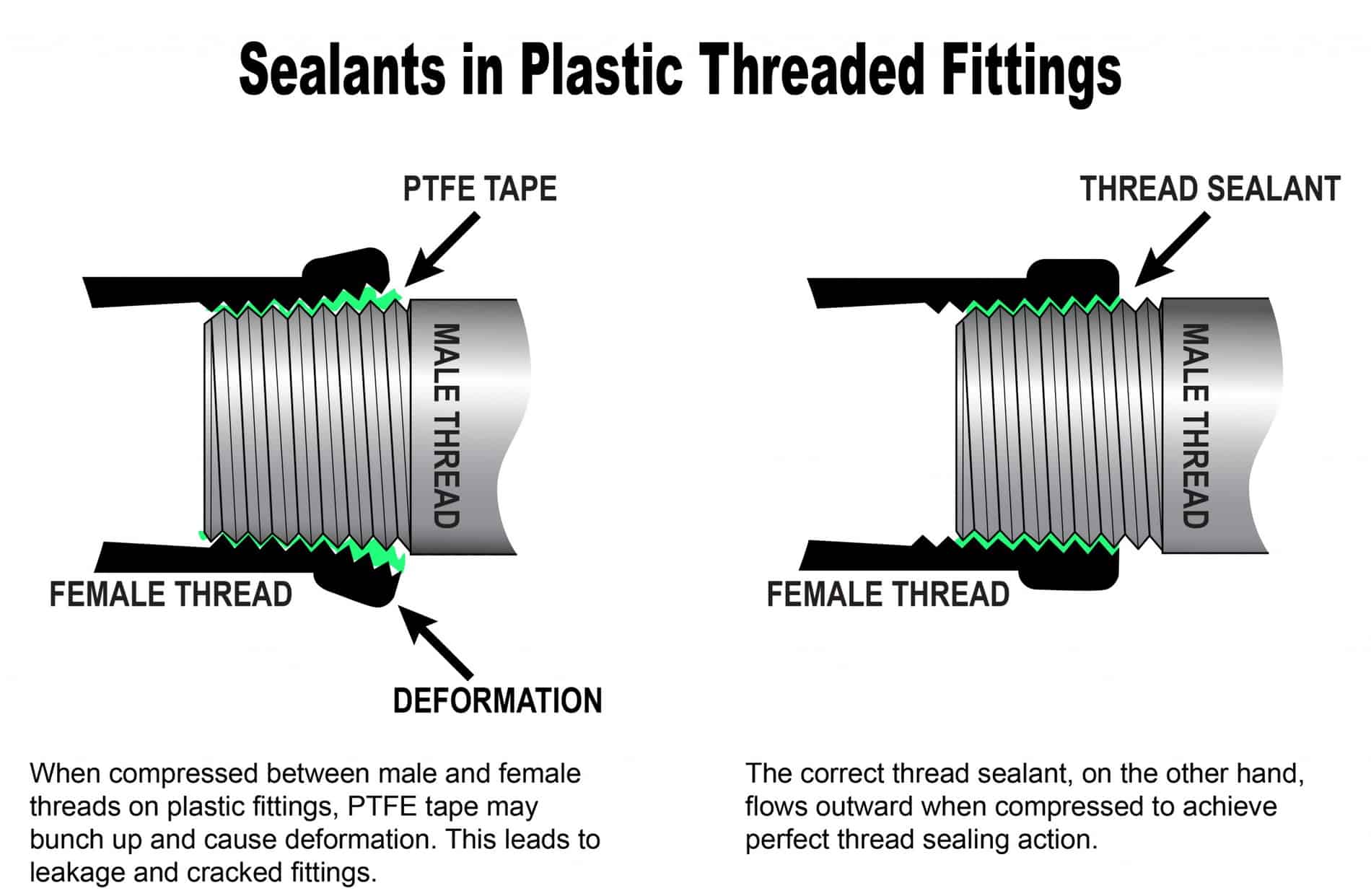
Do not mix Teflon tape and pipe dope on the same joint. Overwrapping Teflon tape can cause cracks in plastic pipes. Applying too much pipe dope may block pipe openings. Forgetting to clean threads leads to poor sealing. Tightening pipes too much can strip threads or break fittings. Always follow product guidelines for best results.
Choosing The Right Sealant
Choosing the right sealant is important for a safe, leak-free pipe connection. Both Teflon tape and pipe dope serve to seal threaded joints. Each has strengths depending on the situation. Picking the right one can save time and prevent costly repairs later. Consider the pipe material, the type of fluid flowing, and safety needs before deciding.
Matching Sealant To Pipe Material
Teflon tape works well on metal pipes like steel and brass. It creates a tight seal by filling gaps in threads. Pipe dope fits better with plastic pipes and some metal ones. It sticks to threads and stays flexible. Using the wrong sealant can cause leaks or damage the pipe. Check the pipe type before applying sealant.
Considerations For Different Fluids
Water, gas, and oil each need different sealing methods. Teflon tape resists water and many chemicals well. It is common for water and gas lines. Pipe dope handles oils and fuels better. Some pipe dopes are designed for specific fluids. Make sure the sealant matches the fluid to avoid leaks or breakdown.
Environmental And Safety Factors
Teflon tape is clean and easy to use with little mess. It is safer around food and drinking water pipes. Pipe dope can contain chemicals that need careful handling. Use gloves and work in ventilated areas with pipe dope. Consider the environment and health rules when choosing sealants.
Credit: www.sbmar.com
Troubleshooting Leaks
Leaks in plumbing can cause frustration and damage. Fixing them quickly saves water and money. Knowing how to spot the problem helps you choose the right fix. Teflon tape and pipe dope are common sealing tools. Each works differently to stop leaks. Understanding their use improves repair success.
Identifying Seal Failure Causes
Leaks often happen because of worn or damaged seals. Dirt or debris on threads can stop tape or dope from sticking. Over-tightening pipes may crack seals or fittings. Using the wrong sealing method weakens the joint. Temperature changes can shrink or expand materials. Check threads for damage or dirt before sealing.
Repairing Leaks With Tape Or Dope
Teflon tape wraps tightly around pipe threads. It fills small gaps and smooths the joint surface. Pipe dope is a paste that spreads over threads. It seals and lubricates, easing pipe tightening. For minor leaks, reapply tape or dope on clean threads. Make sure to wrap tape clockwise for best fit. Apply pipe dope evenly for a strong seal.
When To Replace Seals Entirely
Some leaks need more than just tape or dope. Cracked or old seals cannot hold water. Damaged threads may require new fittings or pipes. Frequent leaks at the same spot suggest a bigger problem. Replace seals if leaks persist after resealing. Always use correct parts to avoid repeat leaks.
Cost And Availability
Cost and availability are key factors when choosing between Teflon tape and pipe dope. Both products serve similar purposes but differ in price and access. Understanding these differences helps pick the best option for any plumbing job.
Price Comparison
Teflon tape usually costs less per roll than pipe dope. A small roll of tape can be very affordable and lasts through many uses. Pipe dope tends to cost more upfront since it comes in tubes or cans. The price varies by brand and size.
Although pipe dope costs more, a little goes a long way. This can balance out costs over time. Teflon tape may seem cheaper but requires proper application to avoid leaks.
Where To Buy
Teflon tape is widely available at hardware stores and online. It is common in most home improvement sections. Pipe dope can be found in the same places but may have fewer options. Specialty stores or plumbing suppliers often carry more pipe dope varieties.
Both products can be delivered quickly if purchased online. Local availability depends on store size and location. Teflon tape is generally easier to find for casual buyers.
Long-term Value
Pipe dope offers strong sealing and lasts longer in some conditions. This can reduce repairs and replacements. Teflon tape is quick to use and good for small projects but might need reapplication.
Choosing the right product depends on job size and frequency. Pipe dope may provide better value for frequent or heavy use. Teflon tape fits well for occasional or light repairs.
Credit: www.fluoramics.com
Frequently Asked Questions
What Is The Main Difference Between Teflon Tape And Pipe Dope?
Teflon tape is a thin plastic tape that seals threads. Pipe dope is a paste that fills gaps and seals threads. Both help prevent leaks but work differently.
Can Teflon Tape And Pipe Dope Be Used Together?
Yes, they can be used together for extra sealing power. Apply Teflon tape first, then add a thin layer of pipe dope. This combo helps create a stronger, leak-free joint.
Which Is Easier To Apply: Teflon Tape Or Pipe Dope?
Teflon tape is easier and cleaner to use. Just wrap it around the pipe threads. Pipe dope needs careful spreading and can be messy.
Is Teflon Tape Suitable For All Types Of Pipes?
Teflon tape works well on metal pipe threads like steel or copper. It is not ideal for plastic pipes, which may crack under tape pressure. Check pipe material before use.
How Long Does Pipe Dope Last Compared To Teflon Tape?
Pipe dope generally lasts longer as it stays in place and resists pressure. Teflon tape may degrade or come loose over time. Pipe dope is better for permanent seals.
Can Teflon Tape Cause Pipe Leaks If Used Incorrectly?
Yes, using too much tape or wrapping it the wrong way can cause leaks. Wrap tape clockwise around threads and use 2-3 layers for a proper seal.
Is Pipe Dope Safe For Drinking Water Pipes?
Most pipe dopes are safe for drinking water lines, but check the label. Use NSF-approved pipe dope for potable water to ensure safety. Always follow product instructions.
Conclusion
Both Teflon tape and pipe dope serve to seal pipe threads. Teflon tape is quick to apply and clean to use. Pipe dope offers a stronger seal for tough jobs. Choose based on the job’s needs and pipe type. Each has benefits and limits to consider.
Knowing these helps you avoid leaks and save time. Use the right product for a safe, solid fit. Simple steps lead to better plumbing results. Trust your choice and do the job right.