
When it comes to managing waste in your home, choosing the right system can feel confusing. You’ve probably heard about cesspools and septic tanks, but do you really know the difference?
Understanding how each works can save you time, money, and headaches down the road. This article will break down everything you need to know about cesspools versus septic tanks, so you can make the best decision for your property. Ready to clear up the confusion?
Let’s dive in and get you the answers you need.
Credit: www.abccesspoolandsepticpumping.com
Cesspool Basics
Cesspools are one of the oldest methods for managing household wastewater. They offer a simple way to handle sewage where no public sewer system exists. Understanding cesspool basics helps you see how they differ from modern septic tanks.
This knowledge is useful for homeowners and property managers who deal with older systems or live in rural areas.
What Is A Cesspool
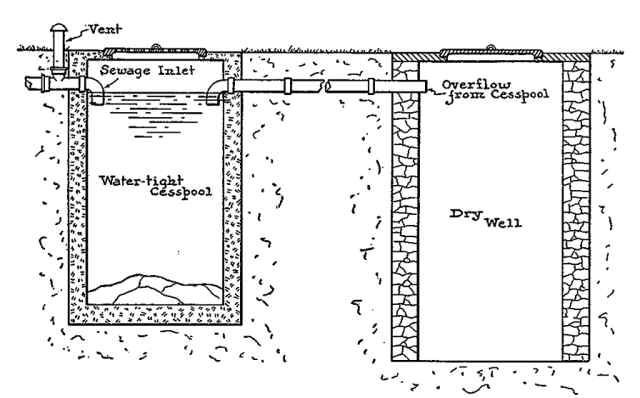
A cesspool is a hole in the ground that collects sewage. It is usually lined with concrete, brick, or stone. The walls have small holes or cracks. These allow liquids to leak out into the surrounding soil.
Solids stay inside the cesspool, while liquids drain away. Cesspools do not treat or filter the waste. They only hold it temporarily.
How Cesspools Work
Sewage flows from the house into the cesspool. Liquids seep through the porous walls into the soil. The soil acts like a natural filter, removing some contaminants. Solids and sludge settle at the bottom of the pit.
Over time, the sludge builds up and the cesspool must be emptied. If not maintained, it can overflow or leak.
Common Uses Of Cesspools
Cesspools are common in rural or remote areas. They are used where no sewer lines exist. Some older homes still rely on cesspools. Temporary or seasonal buildings may use them too.
Many places now require septic tanks or other systems. Cesspools are less popular due to health and environmental concerns.
Septic Tank Essentials
A septic tank is a common solution for managing household wastewater. It provides a simple way to treat sewage on-site. Many homes use septic tanks, especially in rural areas without access to city sewer systems.
Understanding septic tanks helps in maintaining them properly. This knowledge prevents costly repairs and environmental problems. Below, learn what septic tanks are, how they work, and where they are typically used.
What Is A Septic Tank
A septic tank is a buried, watertight container. It is usually made of concrete, fiberglass, or plastic. The tank holds wastewater from a home’s plumbing system.
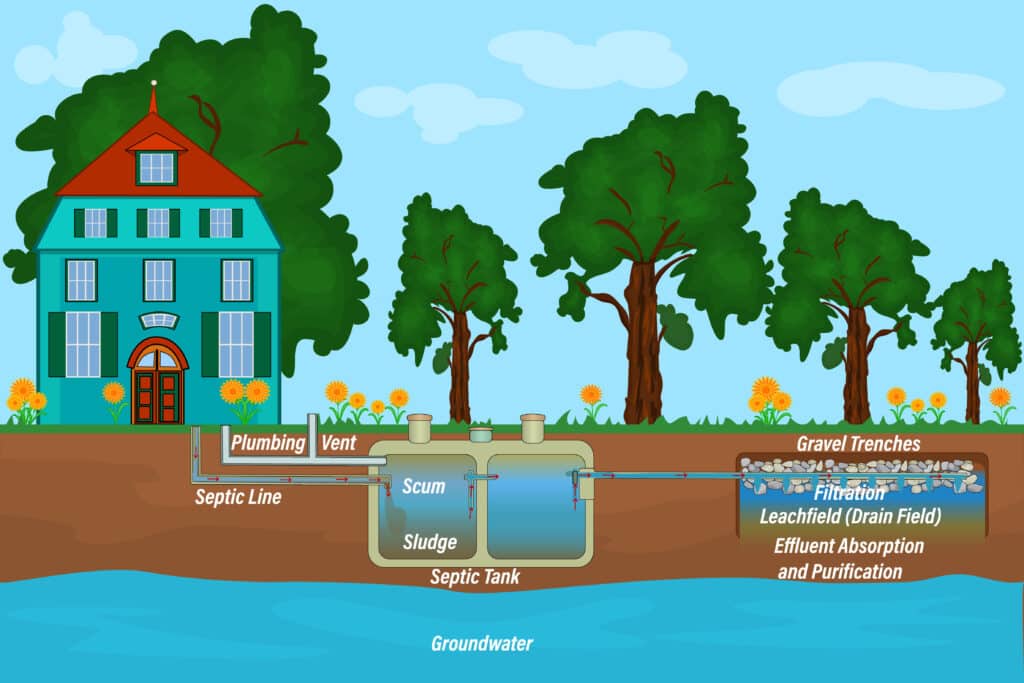
Inside, solids settle at the bottom, forming sludge. Grease and oils float to the top, creating scum. The liquid in the middle flows out into a drain field for further treatment.
How Septic Tanks Operate
Wastewater enters the septic tank from the house pipes. Solids separate from liquids by gravity. Bacteria in the tank break down some solids.
The remaining liquid flows into a drain field through perforated pipes. Soil naturally filters this liquid before it reaches groundwater. Proper tank size and soil type affect system efficiency.
Typical Applications Of Septic Tanks
Septic tanks are common in rural and suburban homes. They work well where public sewer lines do not exist. Many small businesses use septic tanks, too.
They are suitable for areas with enough land for a drain field. Septic tanks help reduce pollution by treating wastewater on-site. They offer a low-cost, low-maintenance sewage solution.
Construction And Design Differences
Understanding the construction and design differences between cesspools and septic tanks helps in choosing the right system. These two systems manage wastewater but work in different ways. Their materials, layout, and size vary a lot. This affects their performance and maintenance needs.
Materials Used
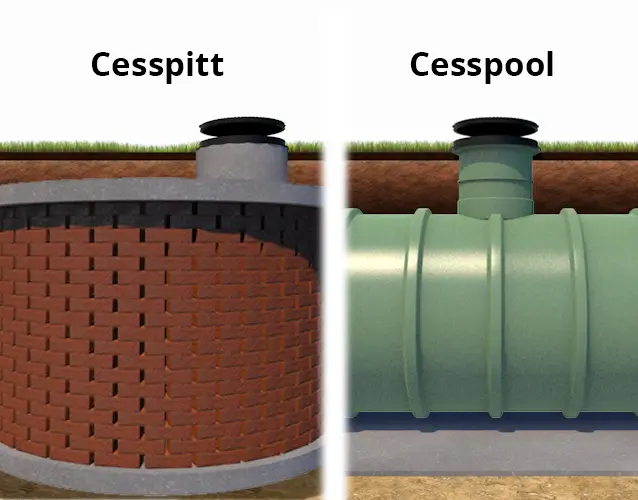
Cesspools are often made from concrete, brick, or stone. These materials allow liquid waste to seep into the ground. Septic tanks are usually made from concrete, fiberglass, or plastic. These materials create a sealed tank to hold waste and allow solids to settle.
Structural Layout
A cesspool is a simple hole dug into the ground with open sides or holes. It lets wastewater drain directly into the soil. A septic tank has two chambers inside a sealed container. Wastewater flows through and separates into solids and liquids for treatment.
Size And Capacity
Cesspools are smaller and designed to hold less waste. They rely on soil absorption, so size depends on soil type. Septic tanks are larger and built to handle more waste volume. Their size depends on the number of users and water usage.
Credit: www.jdpipes.co.uk
Functionality And Waste Treatment
The way cesspools and septic tanks handle waste differs a lot. Each system has a unique method for breaking down and managing waste. Understanding their functionality helps homeowners decide what fits best. Waste treatment is key to keeping homes safe and the environment clean. The following sections explain how both systems work.
Waste Processing Methods
A cesspool is a simple pit that collects all waste. It does not treat or break down waste effectively. Waste stays in the pit and can cause problems over time. A septic tank has a sealed container where solids settle at the bottom. Bacteria inside the tank break down solids into simpler substances. This process reduces waste volume and odor significantly.
Effluent Management
Cesspools allow liquid waste to seep directly into the ground. This can contaminate nearby soil and groundwater. Septic tanks separate solids from liquids. The liquid, called effluent, flows into a drain field for natural filtering. This system protects soil and water from pollution better than cesspools.
Environmental Impact
Cesspools pose a higher risk to the environment due to poor waste treatment. They can pollute water sources and harm plant and animal life. Septic tanks offer safer waste management with controlled treatment. Properly maintained septic systems reduce pollution and protect public health. Choosing the right system helps keep the environment cleaner and safer.
Installation And Maintenance
Understanding the installation and maintenance of cesspools and septic tanks is important. It helps in choosing the right system for your home. Both systems have different needs and care routines. This section explains the key points about their installation and upkeep.
Installation Requirements
Cesspools need a deep hole dug into the ground. The hole must be lined to prevent collapse. They require soil that allows water to drain quickly. Septic tanks need a watertight container buried underground. They also need a drain field to spread the liquid waste. Septic tanks demand more space than cesspools. Proper permits and inspections are necessary for both systems.
Routine Maintenance Tasks
Cesspools require frequent pumping to remove solid waste. They need regular checks for leaks or blockages. Septic tanks also need pumping, but less often than cesspools. Inspecting the drain field for damage is important. Avoid flushing harmful chemicals to protect both systems. Proper maintenance keeps them working efficiently and prevents costly repairs.
Lifespan And Durability
Cesspools usually have a shorter lifespan, around 10 to 15 years. They can fail faster if not maintained well. Septic tanks often last 20 to 30 years or more. Durable materials like concrete or plastic improve septic tank life. Soil conditions and usage affect how long both systems last. Regular care extends their durability and performance.
Cost Comparison
Comparing costs between cesspools and septic tanks helps homeowners make smart choices. Both systems handle waste differently, and their expenses vary greatly. Understanding these costs can prevent surprises later.
Costs include installation fees, upkeep charges, and long-term expenses. Each factor plays a big role in total spending over time.
Initial Installation Costs
Cesspools usually cost less to install than septic tanks. The materials and work involved are simpler and cheaper. Septic tanks need more digging, concrete, and parts, raising the price. Installation prices depend on soil type and property size too.
Maintenance Expenses
Cesspools require frequent emptying and repairs. Waste builds up faster because there is no filtration. This leads to higher maintenance bills over time. Septic tanks need pumping every few years, which costs less overall. They also last longer with fewer repairs.
Long-term Financial Considerations
Cesspools can cause environmental problems and may need replacement sooner. This can mean costly fixes or upgrades later. Septic tanks are more durable and eco-friendly, saving money in the long run. Investing more upfront often reduces future expenses.
Regulations And Environmental Concerns
Understanding the rules and environmental effects of cesspools and septic tanks is important. These systems handle waste in homes without city sewer connections. Rules help protect water and soil from contamination. They also guide how to install and maintain these systems safely.
Legal Requirements
Local laws often regulate cesspools and septic tanks. Many areas ban new cesspools due to pollution risks. Septic tanks usually need permits for installation and inspection. Homeowners must follow these laws to avoid fines. Proper records and inspections are often required.
Environmental Risks
Cesspools can leak harmful bacteria and chemicals into groundwater. This pollution can affect drinking water and nearby plants. Septic tanks treat waste better but can still fail. Overflow or poor maintenance causes contamination. Both systems impact the environment if not managed well.
Compliance Tips
Check local rules before installing any system. Use licensed professionals for installation and repairs. Schedule regular inspections to catch issues early. Replace old cesspools with safer septic tanks if possible. Keep records of maintenance and inspections for proof.
Credit: www.bridgewaterenviro.com
Choosing Between Cesspool And Septic Tank
Choosing between a cesspool and a septic tank affects your home’s waste management. Both handle wastewater but work differently. Picking the right system depends on several important factors. Consider your land, budget, and daily needs carefully. The right choice helps avoid costly repairs and health risks. Here are key points to think about before deciding.
Factors To Consider
Think about the size of your property and local laws. Check if the system meets environmental rules in your area. Maintenance needs also matter. Septic tanks require regular pumping and inspection. Cesspools may need less frequent cleaning but can cause pollution if damaged. Consider how long you plan to stay in your home. Long-term use favors septic tanks due to better durability.
Location And Soil Conditions
Soil type affects how well each system works. Sandy or loose soil allows better drainage for septic tanks. Clay or dense soil may cause problems with seepage. A cesspool might work better in these conditions but risks groundwater contamination. Also, check the water table level. High water tables can flood cesspools and septic tanks. A professional soil test helps determine the best option.
Budget And Lifestyle Needs
Installation costs vary between cesspools and septic tanks. Septic tanks usually cost more upfront but save money over time. Maintenance and repair costs also differ. Consider how many people live in your home. Larger households produce more wastewater, needing bigger or more efficient systems. Think about your lifestyle and how often you want to maintain the system. Choose the option that fits your budget and daily life easily.
Frequently Asked Questions
What Is The Main Difference Between Cesspool And Septic Tank?
A cesspool is a simple pit that collects sewage, while a septic tank separates solids from liquids. Septic tanks treat waste better and reduce pollution risks.
How Does A Septic Tank Work Compared To A Cesspool?
A septic tank uses bacteria to break down solids, allowing clean water to drain out. Cesspools only hold waste without treatment, risking leaks and contamination.
Which System Is Safer For The Environment, Cesspool Or Septic Tank?
Septic tanks are safer because they treat wastewater before releasing it. Cesspools can leak harmful waste into the ground and water sources.
Can A Cesspool Be Converted Into A Septic Tank?
Yes, a cesspool can be upgraded to a septic tank by installing a proper tank and drainage system. This improves waste treatment and protects health.
How Often Should You Maintain A Septic Tank Versus A Cesspool?
Septic tanks need pumping every 3 to 5 years to remove sludge. Cesspools require more frequent cleaning to avoid overflow and bad odors.
What Are The Costs Differences Between Cesspool And Septic Tank Systems?
Cesspools usually cost less to install but can be expensive to maintain due to frequent repairs. Septic tanks cost more upfront but save money over time with less upkeep.
Which System Is More Common In Modern Homes, Cesspool Or Septic Tank?
Septic tanks are more common in modern homes because they meet health and environmental standards. Cesspools are older technology and rarely used today.
Conclusion
Choosing between a cesspool and a septic tank depends on your needs. Cesspools collect waste without treatment, while septic tanks treat waste on-site. Septic tanks are usually better for the environment and health. They need regular cleaning and care. Cesspools may be cheaper but can cause pollution.
Think about your budget, land, and local rules. Knowing the difference helps you make a smart decision. Keep your system working well to avoid problems later. Simple care goes a long way.