
Are you thinking about adding a shower to your basement but worried about the space and plumbing challenges? A step up shower for basement might be the perfect solution you didn’t know you needed.
It lets you enjoy a full, comfortable shower without major construction or costly changes to your home’s plumbing. You’ll discover how a step up shower can transform your basement into a practical and stylish bathroom space. Keep reading to find out how easy it can be to create a fresh, functional shower area right below your main living space.
Benefits Of Step Up Showers In Basements
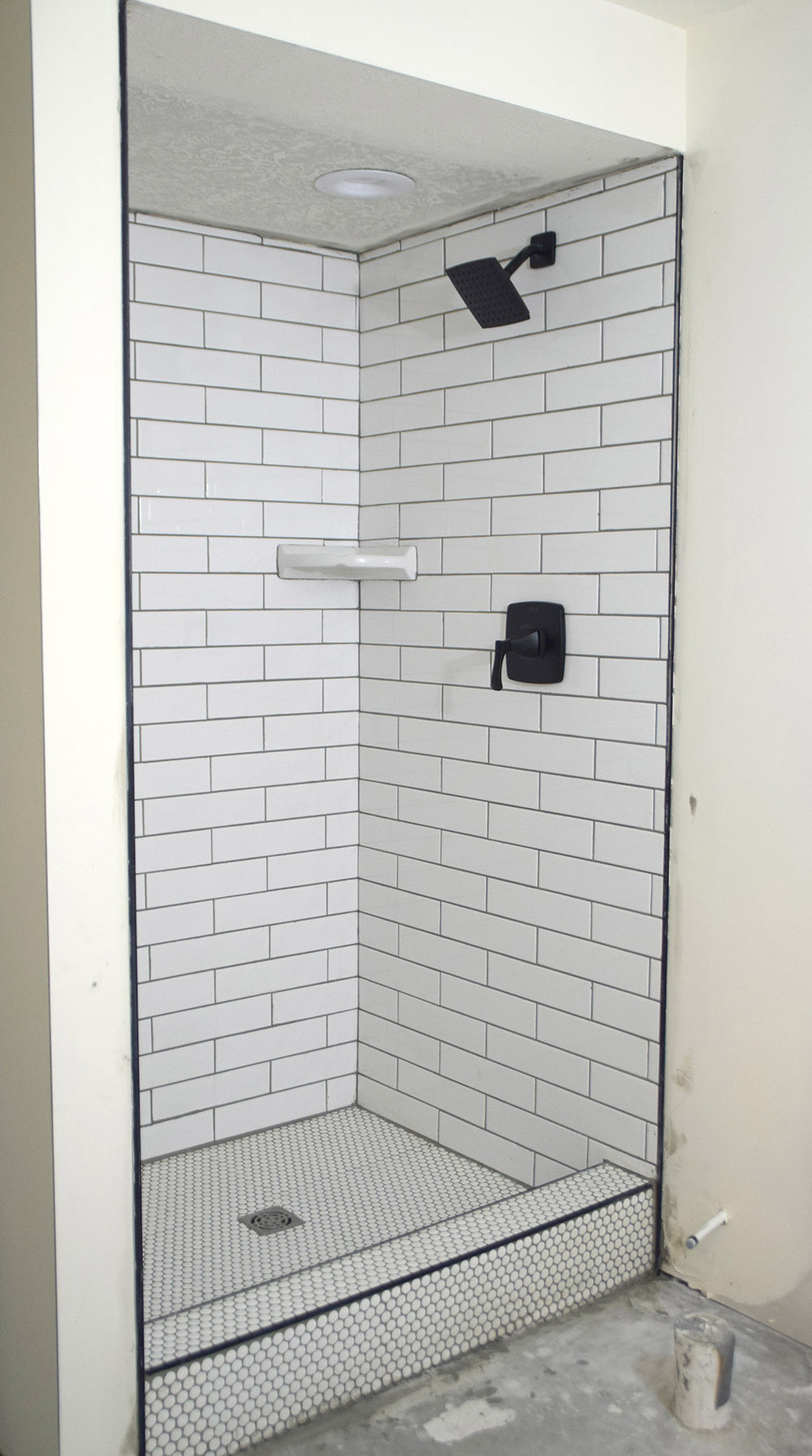
Step up showers in basements offer several benefits that make them a smart choice. These showers help use space smartly, protect the basement from water damage, and add value to the home. They fit well in basements where space and moisture control matter most.
Maximizing Limited Space
Basements often have tight spaces. Step up showers take up less room than traditional showers. They fit easily into corners or small areas. This design frees up floor space for other uses. It makes the basement feel less crowded and more open. Using a step up shower helps you get the most from limited space.
Preventing Water Damage
Water damage is a big risk in basements. Step up showers have raised bases that keep water inside the shower. This stops water from leaking into the basement floor. It helps avoid costly repairs from mold and dampness. The raised design also improves drainage, keeping the area dry and safe.
Enhancing Basement Value
Adding a step up shower can boost your home’s value. It makes the basement more usable and attractive. Buyers often like having a bathroom in the basement. It adds convenience and can turn the space into a guest room or rental. A step up shower shows smart design and care for your home.
Credit: www.homedepot.com
Design Styles For Basement Step Up Showers
Design styles play a big role in shaping a basement step up shower. The right style can make the space feel open, fresh, and inviting. Basement showers often have limited space and light. Choosing a design that fits these limits helps create a comfortable shower area. Styles range from sleek and simple to warm and rustic. Each style adds a unique look and feel to your basement shower.
Modern Minimalist Looks
Modern minimalist designs focus on clean lines and simple shapes. These showers use neutral colors like white, grey, and black. Tiles are usually large and smooth. Fixtures have a sleek, smooth finish with little detail. Minimal clutter keeps the space tidy. This style makes small basements appear larger and brighter. It suits homeowners who prefer a neat and elegant shower space.
Rustic And Industrial Themes
Rustic and industrial styles bring warmth and character to basement showers. Wood-look tiles or reclaimed wood panels add a natural feel. Exposed pipes and metal fixtures create an industrial vibe. Darker colors and textured surfaces give a cozy touch. This style works well in basements with rough or unfinished walls. It offers a unique look that contrasts with common bathroom designs.
Glass Enclosures And Frameless Doors
Glass enclosures open up the basement shower space visually. Frameless doors add a modern, clean look without bulky frames. Clear glass allows light to flow through, brightening the shower area. These doors are easy to clean and maintain. They give a sense of openness, perfect for small basements. Glass enclosures blend well with many design styles and add a touch of elegance.
Materials Best Suited For Basement Showers
Choosing the right materials for a basement shower is very important. Basements often have more moisture and less natural light. This creates special challenges for building a shower. Using the best materials helps keep the space dry, safe, and long-lasting.
Materials must resist water damage and mold. They should also be easy to clean and maintain. Comfort and safety matter too. The right materials make the shower a pleasant place to use every day.
Waterproof Wall Panels
Wall panels in basement showers need to block water well. Fiberglass and acrylic panels are popular choices. They stop water from seeping into walls. These panels are also easy to wipe clean. Vinyl panels work well too and come in many colors. They resist mold and mildew growth. Installing panels tightly prevents leaks and damage.
Non-slip Flooring Options
Flooring must keep you safe on wet surfaces. Textured tiles are a good choice for basement showers. They provide grip and reduce slips. Rubber flooring is soft and non-slip too. It also handles moisture well. Avoid smooth, shiny floors that get slippery. Proper drainage under the floor is important to keep water moving away fast.
Durable Fixtures And Fittings
Fixtures in basement showers face more moisture than usual. Choose metal fixtures with rust-resistant finishes. Stainless steel and brass last longer in damp areas. Plastic fixtures resist corrosion and are budget-friendly. Showerheads, faucets, and handles should be strong and easy to use. Secure fittings tightly to avoid leaks and water damage.
Safety Features To Include
Safety is a top priority for a step-up shower in a basement. Wet surfaces and limited space can increase the risk of slips and falls. Including key safety features ensures a secure and comfortable shower experience. These features protect users and prevent accidents.
Slip-resistant Surfaces
Slip-resistant surfaces reduce the chance of falling inside the shower. Use textured tiles or slip-proof mats on the floor. These materials provide better grip even when wet. They help keep feet steady and stable during use. Avoid smooth, shiny tiles that become slippery when wet.
Proper Drainage Systems
Good drainage prevents water from pooling inside the shower. Standing water can cause slips and mold growth. Install a floor slope that directs water to the drain quickly. Choose drains that handle water efficiently and stay clear. Proper drainage keeps the shower dry and safe.
Accessible Grab Bars
Grab bars offer support for entering and exiting the shower. Place them at reachable heights and strong anchor points. They help maintain balance and prevent falls. Choose bars with a non-slip finish for better grip. Grab bars add confidence and safety for all users.
Installation Tips And Considerations
Installing a step-up shower in a basement needs careful planning. Basements have unique challenges like moisture and limited light. Knowing the right steps helps avoid common problems. Focus on moisture control, plumbing, and lighting to make your shower safe and comfortable.
Dealing With Basement Moisture
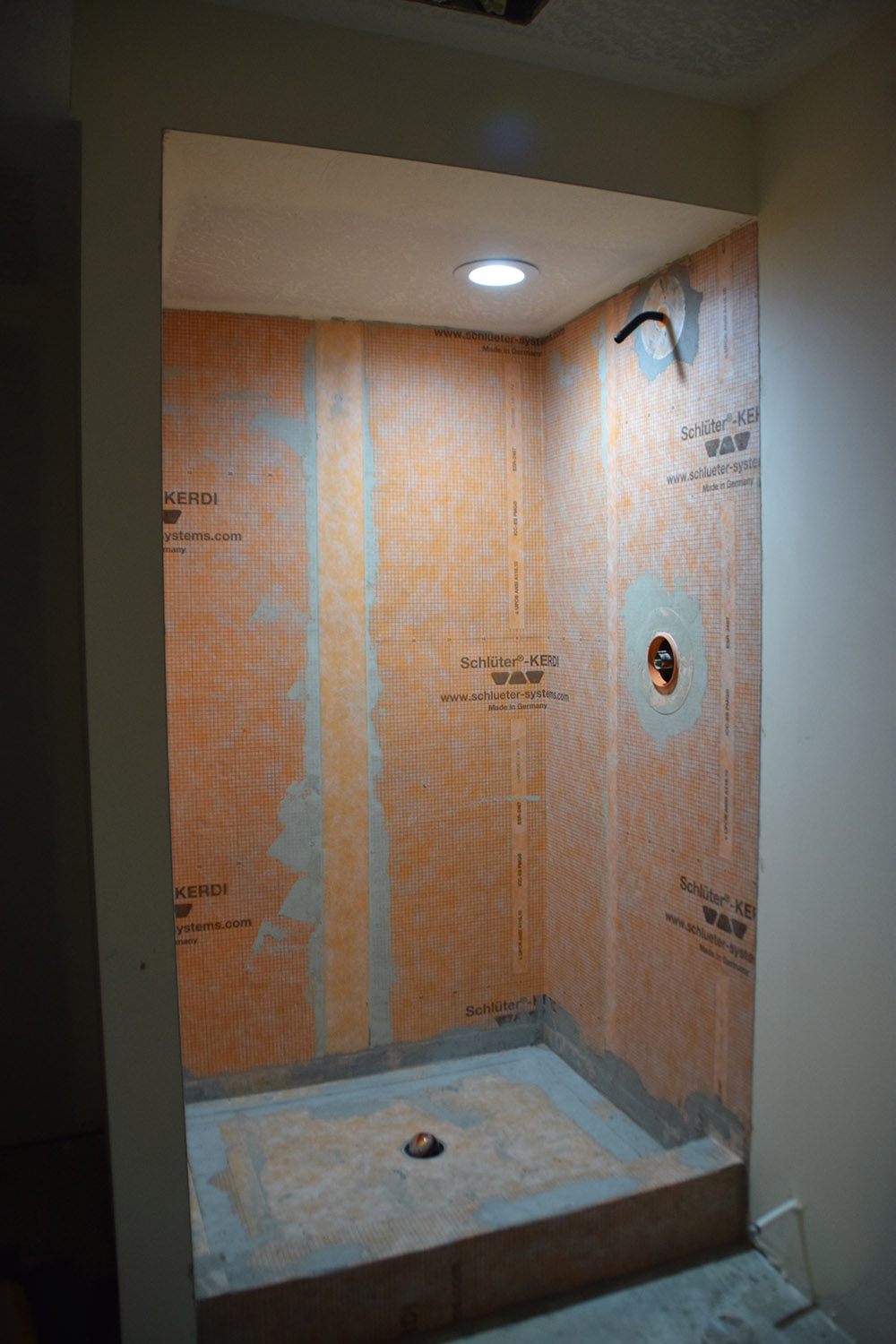
Basements often have high moisture levels. This can cause mold and damage. Use waterproof materials for walls and floors. Install a good ventilation system to remove damp air. A dehumidifier helps keep the space dry. Seal any cracks where water might enter. Proper moisture control protects your shower and basement.
Plumbing Requirements
Basement plumbing can be tricky. Pipes need to connect to the main drain line. You might need a sump pump or drain pit for water removal. Check local codes for plumbing rules. Use durable pipes that resist corrosion. Plan pipe placement to avoid future repairs. Proper plumbing prevents leaks and flooding in your basement shower.
Lighting Solutions
Basements have little natural light. Bright, waterproof lighting is essential. Use LED lights with warm tones for comfort. Install ceiling lights above the shower area. Consider wall sconces for extra brightness. Choose fixtures rated for damp or wet locations. Good lighting makes the shower inviting and safe to use.
Credit: terrylove.com
Maintenance And Cleaning Advice
Keeping a step-up shower in your basement clean is very important. Dirt and moisture can cause problems fast. Regular care helps the shower last longer and stay fresh. Simple cleaning and checks can stop big issues.
Preventing Mold And Mildew
Mold grows in damp, dark places like basements. Use a fan or open a window to keep air moving. After showering, dry the area with a towel. Clean grout and corners often. Use a mildew-resistant spray once a week. These steps stop mold before it starts.
Routine Inspection Checklist
Check the shower drain for clogs. Look for cracks in tiles or walls. Make sure the step-up barrier is secure. Test the water pressure and temperature. Look under the shower for leaks. Fix small problems early to avoid big repairs.
Best Cleaning Products
Choose gentle, non-abrasive cleaners. Use mild soap or vinegar solutions. Avoid harsh chemicals that can damage surfaces. A soft sponge or cloth works best. Clean once a week to keep the shower bright. Use a squeegee to remove water after each use.
Budgeting And Cost Factors
Planning a step up shower for your basement involves careful budgeting. Knowing the costs helps you avoid surprises. You can decide how much to spend on materials and labor. Understanding long-term savings also guides your choices.
Material Costs Breakdown
Materials include shower pans, tiles, and waterproofing. Prices vary by quality and brand. Basic shower pans cost less but may wear out faster. Tiles come in many styles and prices. Waterproofing is essential to prevent leaks and damage. Buying materials in bundles can save money.
Labor And Installation Expenses
Hiring professionals ensures proper installation. Labor costs depend on the job’s complexity and location. Installing a step up shower needs plumbing and tiling skills. Some contractors charge by the hour, others by project. Get multiple quotes to compare prices. DIY can lower costs but risks mistakes.
Long-term Savings
Good materials last longer and need less repair. Proper installation reduces water damage risk. Energy-efficient fixtures save on water and electricity bills. Avoiding leaks prevents costly basement repairs. Spending more upfront can save money over time. Think of your shower as a long-term investment.
Popular Accessories For Style And Function
Popular accessories can boost both style and function in a basement step-up shower. These additions make showers safer, more comfortable, and visually pleasing. Choosing the right accessories changes the entire shower experience.
Shower Seats And Benches
Shower seats and benches provide comfort and support. They help people sit while washing or resting. Built-in or foldable seats save space in small showers. Materials like teak or waterproof plastic resist water damage. A sturdy bench adds a spa-like feel to your basement shower.
Storage And Shelving Ideas
Storage keeps shower essentials organized and easy to reach. Corner shelves use space efficiently without crowding the shower. Wall-mounted racks hold bottles and soap neatly. Waterproof baskets and trays prevent clutter. Choosing the right storage enhances both style and cleanliness.
Smart Shower Controls
Smart shower controls offer precise water temperature and flow settings. Digital panels can remember personal preferences for every user. Some models include timers to save water. These controls add convenience and modern style to basement showers. They make daily routines smoother and safer.
Credit: www.homedepot.com
Frequently Asked Questions
What Is A Step Up Shower For Basement Use?
A step up shower raises the shower floor above the basement floor. It helps prevent water damage and keeps the area dry. This design suits basements with low plumbing.
How Does A Step Up Shower Prevent Basement Flooding?
The raised shower base stops water from spilling into the basement floor. It creates a barrier that directs water to the drain. This reduces the risk of leaks and flooding.
Can I Install A Step Up Shower In Any Basement?
Most basements can have a step up shower installed. It depends on space and plumbing setup. A professional plumber can assess your basement’s suitability.
What Materials Are Best For Step Up Shower Construction?
Waterproof and durable materials like tile, acrylic, or fiberglass work well. They resist moisture and are easy to clean. Choose materials that fit your budget and style.
How Much Space Does A Step Up Shower Need In A Basement?
A step up shower usually requires at least 3 feet by 3 feet. The step adds extra height, so ceiling clearance is important too. Measuring your basement carefully is key.
Does A Step Up Shower Increase Basement Remodeling Costs?
Yes, it can add to costs due to plumbing and construction needs. The step requires precise building to avoid leaks. Still, it helps protect your basement investment.
Are Step Up Showers Safe And Easy To Use?
Yes, they are safe with proper design and non-slip surfaces. The step is not high, making entry simple. Adding grab bars can improve safety further.
Conclusion
A step up shower in your basement adds style and function. It helps keep water contained and the floor dry. This design fits well in tight spaces. It also makes cleaning easier and safer. Choose materials that resist moisture and mold.
Proper installation ensures long-lasting use and comfort. A step up shower improves your basement’s value and feel. Simple changes can make a big difference. Your basement bathroom can look fresh and work well.