
Are you wondering if your chlorinator should be full of water? It’s a simple question, but the answer can make a big difference in how well your pool stays clean and safe.
If you’ve ever noticed your chlorinator acting up or you’re unsure about how to maintain it, understanding the role water plays inside can save you time and money. Keep reading, because knowing this one key fact could be the secret to a sparkling pool all season long.
How A Chlorinator Works
A chlorinator is a device used to keep pool water clean and safe. It adds chlorine, which kills germs and bacteria. Understanding how a chlorinator works helps maintain your pool better. It also ensures water stays clear and healthy for swimming.
Types Of Chlorinators
There are different types of chlorinators for pools. Salt chlorinators use salt to create chlorine. They are popular because they need less manual chlorine added. Tablet chlorinators hold chlorine tablets that slowly dissolve over time. This type is simple and affordable. Liquid chlorinators dose liquid chlorine directly into the pool. They work fast but need careful handling. Each type has its own way to keep chlorine levels steady.
Role Of Water In Chlorination
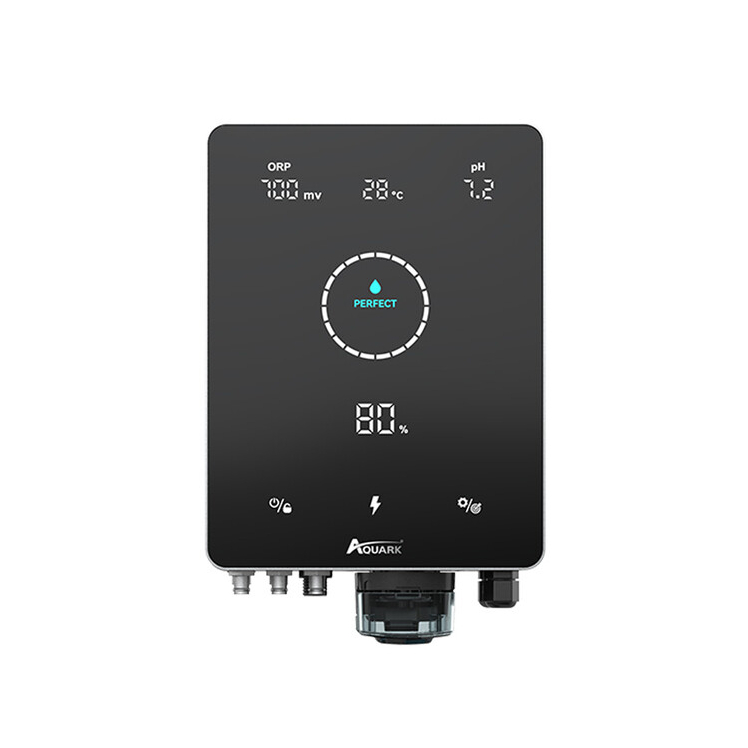
Water plays a key role in chlorination. It carries chlorine throughout the pool evenly. Chlorine needs water to dissolve and activate. Without enough water, chlorine tablets or salt may not work well. Water also helps spread chlorine to all pool areas. This keeps the pool clean and safe for swimmers.
Credit: www.pool.shop
Signs Your Chlorinator Needs Water
Knowing when your chlorinator needs water helps keep your pool safe. A chlorinator without enough water cannot work properly. This can lead to poor water quality and damage to the equipment. Watch for clear signs that water levels are low.
These signs are easy to spot and can save you money on repairs. Keep your chlorinator running smoothly by checking it often. Pay attention to any changes in how it looks or sounds.
Common Indicators
Your chlorinator may show signs like noisy operation or unusual smells. You might see bubbles or dry patches inside the unit. Water flow may slow down or stop completely. The chlorinator might also overheat or shut off by itself. These clues mean it needs water quickly.
Effects Of Low Water Levels
Low water can cause the chlorinator to work harder than normal. This puts stress on the parts and may cause damage. Without enough water, chlorine won’t be made properly. This leads to weak or uneven pool sanitation. Over time, the chlorinator can break down, costing you more to fix.
Risks Of Running A Dry Chlorinator
Running a chlorinator without water can cause serious problems. The unit is designed to work with water inside it. Without water, the chlorinator can overheat and break down. Pool owners often overlook this risk, leading to costly repairs. Understanding these risks helps protect your pool and equipment.
Damage To The Unit
A dry chlorinator can overheat quickly. Water cools the unit and keeps it running safely. Without water, parts inside can melt or warp. The salt cell can also suffer damage. This damage reduces the lifespan of your chlorinator. Repairing or replacing parts can be expensive. Avoid running the unit dry to save money and time.
Impact On Pool Water Quality
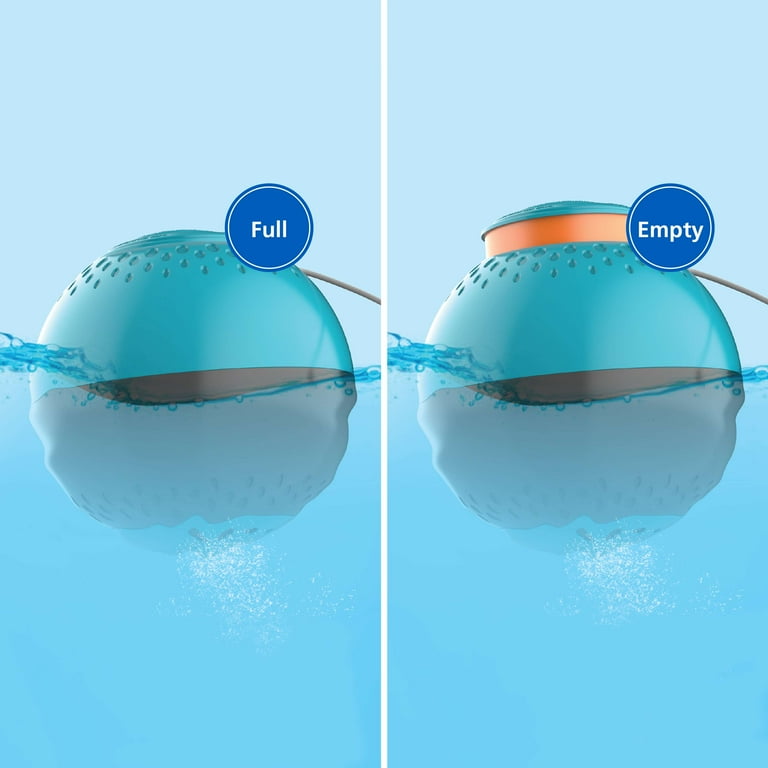
A dry chlorinator stops producing chlorine properly. Chlorine is essential to kill bacteria and keep water clean. Without enough chlorine, algae and germs grow fast. The pool water can become cloudy and unsafe. Poor water quality can cause skin and eye irritation. Keeping your chlorinator full of water ensures safe swimming conditions.
Credit: www.walmart.com
Maintaining Proper Water Levels
Keeping the right water level in your chlorinator is very important. Water helps the chlorinator work well and stops damage. Too little water can cause the unit to break. Too much water can stop it from working properly. Checking and adjusting water levels keeps the pool clean and safe.
Regular care of your chlorinator saves money and time. It also helps your pool stay ready for swimming. The right water level supports chlorine flow and protects the chlorinator parts.
Checking Water Levels Regularly
Look at the water level in the chlorinator often. It should be just right, not too high or low. Use the sight glass or a water level indicator if your unit has one. Check more often in hot weather because water evaporates faster.
Write down the water levels to see any changes over days. This helps catch problems early. Spot leaks or blockages before they get worse.
Adjusting Water Levels Safely
Turn off the chlorinator before adding or removing water. This prevents damage and keeps you safe. Use clean water to refill the unit. Avoid overfilling the chlorinator to stop leaks and spills.
Add small amounts of water at a time. Wait and check the level again. Keep the water level steady for the best results. Follow your chlorinator’s manual for exact water level needs.
Tips For Chlorinator Care
Proper care helps your chlorinator work well and last longer. Simple steps keep chlorine flowing and water clean. These tips help you maintain your chlorinator easily.
Routine Cleaning
Clean your chlorinator regularly to stop clogs. Turn off power before cleaning. Remove the cell and rinse with fresh water. Use a soft brush to clear calcium build-up. Avoid harsh chemicals that can damage the cell. Check for debris inside the unit. Clean every few weeks during the swimming season.
Winterizing Your Chlorinator
Prepare your chlorinator for cold months to avoid damage. Turn off the system and drain all water. Remove the cell and store it in a dry place. Protect the unit from freezing temperatures. Cover the chlorinator housing to keep out dirt. Start the system again in spring with a clean cell. This process prevents cracks and costly repairs.

Credit: www.amazon.com
When To Call A Professional
Knowing when to call a professional for your chlorinator can save you time and prevent damage. Some problems need expert skills and tools. Avoid trying complex fixes alone. Professionals can diagnose and fix issues safely and effectively. They ensure your chlorinator works well and lasts longer.
Troubleshooting Complex Issues
Some chlorinator problems are hard to spot. Electrical faults and internal blockages require special tools. Professionals have the knowledge to find these problems. They can repair parts or replace damaged components. This prevents further damage and keeps your pool safe.
Regular Service Schedules
Scheduling regular service helps avoid unexpected breakdowns. Experts check all parts and clean the system. They catch small issues before they grow. A well-maintained chlorinator keeps your pool water clean. Regular care saves money by extending the life of your equipment.
Frequently Asked Questions
Should A Chlorinator Tank Always Be Full Of Water?
Yes, the chlorinator tank should stay full to ensure proper chlorine flow. Water helps dissolve chlorine tablets evenly for effective pool sanitation.
What Happens If My Chlorinator Is Not Full Of Water?
If the tank is low, chlorine tablets won’t dissolve properly. This can cause uneven chlorination and poor pool water quality.
Can A Chlorinator Work Without Water Inside?
No, a chlorinator needs water to dissolve chlorine tablets. Without water, the chlorine won’t distribute into the pool system.
How Often Should I Check Water Level In Chlorinator?
Check the water level weekly to keep it full. Regular checks prevent low water issues that affect chlorine flow.
Does Water Level Affect Chlorine Tablet Dissolution Speed?
Yes, water level controls how fast tablets dissolve. Too little water slows dissolving; too much may waste chlorine.
What Type Of Water Should Fill The Chlorinator?
Use clean pool water to fill the chlorinator. Avoid tap water with chemicals that may affect chlorine effectiveness.
Can Low Water In Chlorinator Damage The System?
Low water may cause chlorine tablets to clog or damage parts. Keeping water full protects the chlorinator and pool health.
Conclusion
A chlorinator should have the right amount of water inside. Too little water can cause damage or poor chlorine flow. Too much water might dilute the chlorine, making it less effective. Check the water level regularly to keep your pool clean and safe.
Proper water levels help the chlorinator work well and last longer. Simple care makes a big difference in pool maintenance. Keep an eye on your chlorinator, and your pool will stay sparkling.