
Are you considering a rock salt concrete finish for your next project? It’s a popular choice because of its unique texture and natural look.
But before you dive in, you need to know about the common problems that can come with it. Ignoring these issues could cost you time, money, and frustration. You’ll discover what can go wrong with rock salt concrete finishes and how to avoid these pitfalls.
Keep reading to make sure your project turns out just the way you want it.
Credit: www.concretenetwork.com
Common Rock Salt Concrete Issues
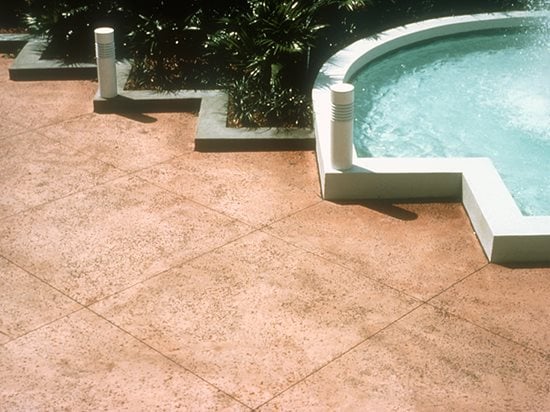
Rock salt concrete finish is popular for its decorative look and texture. Yet, it comes with some common problems that affect its appearance and durability. These issues can reduce the life of the surface and require extra maintenance. Understanding these problems helps in better care and repair.
Surface Discoloration
Surface discoloration happens when the color of the concrete changes unevenly. Sunlight and rain can fade the color over time. Salt crystals may also cause patches that look lighter or darker. This makes the surface look old and worn out.
Uneven Texture
Uneven texture occurs when the salt is not spread evenly. Some areas feel rough, while others are smooth. This can happen if the salt dissolves too fast or is removed during cleaning. The result is a patchy, inconsistent surface.
Salt Residue Buildup
Salt residue buildup leaves a white, powdery film on the concrete. This happens when salt crystals remain on the surface after washing. The residue can make the concrete slippery and unattractive. It may also attract dirt and grime.
Cracking And Flaking
Cracking and flaking appear when the concrete expands and contracts with weather changes. Salt crystals can weaken the surface, causing small cracks. Over time, pieces of the finish may flake off. This damages the look and structure.
Poor Salt Adhesion
Poor salt adhesion means the salt does not stick well to the concrete. This can happen if the surface is dirty or wet during application. Salt may fall off easily, reducing the texture and visual effect. The finish looks incomplete and dull.
Causes Of Rock Salt Concrete Problems
Rock salt concrete finish problems often arise due to specific causes. Understanding these causes helps prevent common issues. Problems affect durability, appearance, and safety. Identifying root causes is key to a strong, lasting finish.
Improper Mixing Ratios
Incorrect ratios of cement, water, and aggregates weaken the concrete. Too much water reduces strength and causes cracks. Too little water makes the mix hard to work with. Proper mixing ensures the right balance for durability.
Inadequate Curing Time
Concrete needs enough time to cure and harden properly. Rushing this process leads to weak, brittle surfaces. Moisture loss during curing causes cracks and surface damage. Proper curing helps the concrete reach full strength.
Environmental Factors
Weather conditions affect the finish quality. Extreme heat dries concrete too fast, causing cracks. Cold temperatures slow curing and weaken the surface. Rain or wind during finishing can cause uneven textures.
Incorrect Application Techniques
Applying rock salt concrete finish the wrong way leads to issues. Overworking the surface damages the texture and exposes salt unevenly. Not embedding the salt properly causes poor adhesion and flaking. Skilled application ensures a smooth, durable finish.
Preventing Rock Salt Finish Issues
Preventing problems with rock salt concrete finish is key to lasting beauty. Small mistakes can cause cracks, uneven texture, or salt stains. Taking simple steps helps avoid these issues and keeps the surface strong and attractive.
Proper planning and care during application improve the final look. Follow guidelines closely to prevent common problems.
Choosing The Right Salt Type
Select coarse rock salt for a better finish. Fine salt can dissolve too fast and leave uneven spots. Avoid using table salt or any salt with additives. Pure rock salt provides the best texture and durability for concrete finishes.
Preparing The Concrete Surface
Clean the concrete thoroughly before applying rock salt. Remove dust, dirt, and debris to help salt stick properly. Make sure the surface is slightly wet but not soaked. A clean, damp surface allows salt to embed well and prevents flaking later.
Optimal Weather Conditions For Application
Apply rock salt finish in mild, dry weather. Avoid very hot or rainy days. High heat causes quick drying and weak bonding. Rain washes away salt and damages the finish. Aim for temperatures between 50°F and 80°F for best results.
Using Sealants Effectively
Seal the concrete after the rock salt finish dries completely. Use a breathable sealant to protect the surface without trapping moisture. Apply sealant evenly with a brush or sprayer. Proper sealing prevents salt loss and enhances concrete strength.
Credit: www.concretedecor.net
Fixing Common Rock Salt Concrete Problems
Fixing common problems with rock salt concrete finish can restore its beauty and strength. Small issues often start with salt residue or surface damage. Addressing these problems early helps keep the concrete looking fresh and lasting longer.
This guide covers easy steps to clean, repair, and refresh your rock salt concrete finish. Follow these methods to maintain a smooth and attractive surface.
Cleaning And Removing Salt Residue
Salt residue makes concrete look dull and uneven. Use a stiff brush to scrub the surface gently. Rinse with clean water to wash away loose salt and dirt. For tough stains, mix a mild detergent with water. Apply the solution and scrub lightly. Rinse well to avoid leaving soap on the surface. Let the concrete dry completely before moving to repairs.
Repairing Cracks And Chips
Cracks and chips weaken the concrete and spoil its appearance. Clear loose debris from the damaged area first. Use a concrete patch mix to fill cracks and chips. Press the mix firmly and smooth it with a trowel. Allow the patch to dry as per the product’s instructions. Small repairs prevent bigger damage and keep the finish intact.
Restoring Color And Texture
Faded color and worn texture reduce the concrete’s charm. Clean the surface thoroughly before applying any restoration product. Use a concrete stain or color enhancer made for rock salt finishes. Follow the directions carefully for even coverage. Add a sealant to protect the color and texture from weather damage. This step brings back the original look and feel.
Reapplying Rock Salt Finish
Over time, the rock salt finish may wear off or become patchy. Remove loose particles by sweeping or washing the area. Mix the rock salt finish according to the instructions. Spread the mixture evenly using a trowel or brush. Press the salt crystals lightly into the surface for a natural look. Let it dry and cure fully before use. Reapplication keeps the unique texture and style alive.
Maintenance Tips For Rock Salt Concrete
Rock salt concrete adds texture and style to your surfaces but needs care. Proper maintenance keeps it looking good and lasting longer. Follow these simple tips to avoid common problems.
Regular Cleaning Practices
Clean rock salt concrete often to remove dirt and debris. Use a broom or leaf blower for loose particles. Wash with mild soap and water to clear stains. Avoid harsh chemicals that can damage the surface. Rinse well to prevent residue buildup.
Seasonal Inspection And Repairs
Check the concrete every season for cracks or chips. Early repairs stop damage from spreading. Fill small cracks with concrete patch products. Replace damaged sections if needed to keep the surface strong. Regular checks save money on big repairs later.
Protecting Against Freeze-thaw Damage
Freeze-thaw cycles cause cracking and surface wear. Clear snow and ice quickly to reduce freeze damage. Avoid using rock salt or harsh deicers directly on the concrete. Use safer alternatives like sand or kitty litter for traction.
Reapplying Protective Coatings
Apply sealers to protect the concrete from moisture and stains. Reapply coatings every one to two years depending on wear. Choose a sealer made for textured concrete surfaces. Proper sealing extends the life and beauty of the rock salt finish.

Credit: www.brickform.com
Frequently Asked Questions
What Causes Rock Salt Concrete Finish To Peel?
Rock salt can cause the concrete surface to peel if not sealed properly. Water seeps in and weakens the bond between salt and concrete. Poor curing and harsh weather also increase peeling risks.
How Does Rock Salt Affect Concrete Durability?
Rock salt can damage concrete by creating tiny cracks and holes over time. These cracks let water in, which freezes and expands. This cycle weakens concrete and reduces its lifespan.
Can Rock Salt Finish Cause Concrete Discoloration?
Yes, rock salt finish may cause discoloration on concrete surfaces. Salt can leave white or gray stains that are hard to remove. This happens especially if the concrete isn’t sealed well.
Why Does Rock Salt Concrete Finish Become Slippery?
The salt crystals in the finish can make the surface smooth and slick when wet. This increases the risk of slips and falls. Adding non-slip additives helps improve safety.
How To Prevent Damage From Rock Salt Concrete Finish?
Sealing the concrete properly before applying rock salt finish helps protect it. Avoid using too much salt and clean the surface regularly. Proper drainage also prevents water buildup.
What Maintenance Is Needed For Rock Salt Concrete Finish?
Regular cleaning with mild soap and water keeps the surface in good shape. Reseal the concrete every few years to protect against salt damage. Check for cracks and repair them promptly.
Is Rock Salt Concrete Finish Suitable For All Climates?
Rock salt finish works best in mild climates without extreme freeze-thaw cycles. In very cold areas, salt damage and cracking are more likely. Consider alternative finishes for harsher weather.
Conclusion
Rock salt concrete finish has some common problems to watch for. Cracking and uneven texture often appear without proper care. Salt can leave white spots that affect the look. Moisture may cause the salt to dissolve or damage the surface.
Regular cleaning and sealing help protect your concrete. Knowing these issues helps you decide if this finish suits your needs. Choose wisely to keep your concrete strong and attractive over time.