
Choosing the right water heater can make a big difference in your home’s comfort and energy bills. If you’re stuck between Rinnai and Takagi, you’re not alone.
Both brands offer reliable options, but which one truly fits your needs? You’ll discover the key differences, benefits, and drawbacks of each. By the end, you’ll feel confident about making the best choice for your home and budget. Keep reading—you’re closer to finding the perfect water heater than you think.
Brand History And Reputation
Understanding the brand history and reputation helps you trust your choice. It shows how each company built its name. Both Rinnai and Takagi have strong backgrounds. Their reputations come from years of service and customer satisfaction. This section explores their origins and what customers say about them.
Rinnai Background
Rinnai started in Japan in 1920. The company began by making gas appliances. It grew into a global brand known for quality and innovation. Rinnai focuses on energy-efficient products. Their water heaters are popular worldwide. The company values safety and durability in every product.
Takagi Background
Takagi was founded in Japan in 1951. It began with gas appliance manufacturing. Takagi now leads in tankless water heaters. The company aims for eco-friendly and space-saving designs. Takagi products often have advanced technology. They serve both residential and commercial markets.
Customer Reviews And Feedback
Customers praise Rinnai for reliability and easy use. Many like the quiet operation and energy savings. Some mention strong customer support. Takagi users enjoy fast hot water delivery. Reviews highlight Takagi’s compact size and efficiency. Both brands receive positive feedback on build quality.
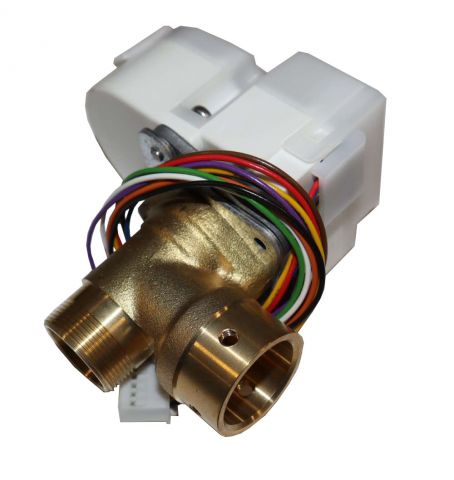
Credit: www.tanklessparts.com
Product Range And Models
Choosing the right tankless water heater depends on the available product range and model options. Both Rinnai and Takagi offer a variety of models designed for different needs. Understanding their offerings helps make a better choice.
Rinnai Tankless Water Heaters
Rinnai has a broad selection of tankless water heaters. Their products suit homes and businesses. They offer both gas and electric models. Some models provide indoor installation, others outdoor. Rinnai units focus on energy efficiency and durability.
Takagi Tankless Water Heaters
Takagi specializes in gas-powered tankless water heaters. They offer models for residential and commercial use. Most Takagi units are compact and easy to install. They emphasize fast hot water delivery and long-lasting performance. Takagi also provides outdoor and indoor options.
Model Features And Variations
Both brands offer models with different flow rates. This helps match water demand precisely. Some Rinnai models include smart controls and Wi-Fi capabilities. Takagi models often highlight simple controls and reliability. Energy efficiency ratings vary by model in both brands. Safety features like freeze protection and overheat sensors are common. Options for natural gas or propane fuel exist with both brands.
Performance And Efficiency
Performance and efficiency are key when choosing a tankless water heater. Both Rinnai and Takagi offer strong options, but their strengths differ. Understanding their flow rates, energy use, and temperature control helps pick the right unit.
These factors affect your water supply, energy bills, and comfort daily. Let’s explore how each brand performs in these areas.
Flow Rate Comparison
Flow rate means how much hot water the heater can deliver per minute. Rinnai models usually offer 6 to 11 gallons per minute. Takagi units range from 6 to 10 gallons per minute. Both brands cover typical household needs well.
Rinnai often has a slight edge in high-demand situations. Larger homes with many bathrooms may benefit from Rinnai’s higher flow rates. Takagi still meets needs for smaller to medium homes comfortably.
Energy Efficiency Ratings
Energy efficiency shows how well the heater uses fuel to make hot water. Rinnai units often score around 0.82 to 0.94 Uniform Energy Factor (UEF). Takagi models also fall within this range, offering efficient performance.
Both brands use condensing technology to save energy. This means they recycle heat from exhaust gases. The result is less wasted fuel and lower utility bills. Choosing either brand means good energy savings over time.
Temperature Control
Precise temperature control improves comfort and safety. Rinnai heaters provide digital controls with easy temperature adjustments. Users can set the water temperature within one degree accuracy.
Takagi units offer manual and digital control options. Their systems maintain steady water temperature even if water demand changes. This prevents sudden hot or cold bursts during use.
Both brands ensure a consistent hot water supply with reliable temperature control.

Credit: www.amazon.sa
Installation And Maintenance
Installation and maintenance are key factors to consider when choosing between Rinnai and Takagi tankless water heaters. Easy installation saves time and money. Low maintenance means fewer headaches and longer device life. Understanding these aspects helps you pick the right unit for your home.
Installation Process
Rinnai units often require a professional plumber for installation. The process is straightforward but needs careful venting and gas line setup. Rinnai offers detailed manuals and customer support to guide installers.
Takagi units also need expert installation. They may require more space due to larger venting needs. Takagi provides clear instructions and recommends certified installers for best results.
Maintenance Requirements
Both brands need regular maintenance to keep working well. Flushing the system once a year removes scale and buildup. Checking for leaks and inspecting vents helps avoid problems.
Rinnai models have easy access panels, making maintenance quicker. Takagi units may need more time due to design differences. Both brands suggest professional inspections every 12 months.
Warranty And Support
Rinnai offers warranties that cover parts and labor for several years. Their customer service is reachable by phone and online chat. They help with troubleshooting and parts replacement.
Takagi also provides solid warranties, often with long coverage periods. Their support team responds quickly to questions and issues. Both brands aim to keep customers satisfied and units running smoothly.
Cost And Value
Cost and value are key factors for anyone choosing between Rinnai and Takagi water heaters. Understanding both the upfront price and long-term expenses helps make a smart decision. Value depends on how much you pay first and how much you spend later.
Both brands offer quality products, but their costs and savings vary. Knowing these differences can help you find the best fit for your budget and needs.
Initial Purchase Price
Rinnai models usually cost less to buy. Their prices suit most household budgets. Takagi units often have a higher price tag. This is due to advanced features and technology. The choice depends on your budget and preferences.
Long-term Operating Costs
Energy efficiency affects how much you pay over time. Rinnai heaters are quite efficient, saving on gas bills. Takagi units often use less fuel, cutting costs further. Maintenance expenses are similar for both brands. Regular service keeps them working well and lasting longer.
Return On Investment
Choosing a water heater that saves money over years is smart. Rinnai offers good value with lower initial cost and steady savings. Takagi may cost more upfront but can save more in the long run. Think about your energy use and how long you plan to keep the heater.
Safety And Certifications
Safety is a key factor in choosing a tankless water heater. Both Rinnai and Takagi focus on protecting users. Their products include features to prevent accidents and ensure reliable operation. Understanding their safety measures helps make a smart choice for your home.
Built-in Safety Features
Rinnai models have sensors to detect overheating and gas leaks. They shut off automatically in unsafe conditions. Takagi units also use flame failure devices and water flow sensors. These stop the heater if flames go out or water pressure drops. Both brands aim to avoid risks like fires or gas leaks.
Industry Certifications
Rinnai water heaters carry certifications from recognized safety organizations. These include CSA and UL marks, showing they meet safety tests. Takagi products also have similar certifications. They meet strict guidelines required for safe home use. Certifications prove the heaters are tested and reliable.
Compliance With Standards
Rinnai complies with national and local safety codes. Their heaters follow standards for emissions and energy efficiency. Takagi also meets these safety and environmental rules. Both brands ensure their products work safely and efficiently. Compliance means fewer worries about hazards or legal issues.
User Experience And Ease Of Use
User experience and ease of use are key factors when choosing a tankless water heater. Both Rinnai and Takagi offer strong options. Understanding their control interfaces, noise levels, and customer support helps make a smart choice.
Control Interface
Rinnai units have simple digital controls. The buttons are easy to press and read. Users can adjust temperature quickly. The display shows clear information about settings.
Takagi also features digital controls but with fewer buttons. It can feel less intuitive for some users. The screen is smaller but still readable. Both brands allow remote control with apps on some models.
Noise Levels
Rinnai heaters operate quietly during use. Most users report low background noise. The sound is similar to a soft fan. It rarely disturbs daily activities.
Takagi models are also quiet but may be slightly louder. Some users notice a faint humming sound. It is not usually distracting but can be heard in very quiet rooms.
Customer Support
Rinnai offers strong customer support with many service centers. Help is easy to get by phone or online. Their website has clear guides and FAQs.
Takagi provides good customer service too. Their support team responds well to questions. Service centers are fewer but still accessible. Online resources cover common issues and maintenance tips.
Environmental Impact
Environmental impact plays a key role in choosing water heaters. Both Rinnai and Takagi design products with eco-friendliness in mind. Comparing their impact helps buyers make smart choices.
Energy Consumption
Rinnai units typically use less energy during operation. Their technology focuses on high efficiency and quick heating. Takagi models also perform well but may use slightly more energy on average. Energy use affects your utility bills and the environment.
Emissions
Rinnai water heaters release fewer greenhouse gases. They meet strict standards for low emissions. Takagi machines also comply with emissions rules but sometimes produce more nitrogen oxides. Lower emissions mean less air pollution and a cleaner environment.
Sustainability Initiatives
Rinnai invests in eco-friendly manufacturing and recycling programs. They aim to reduce waste and carbon footprints. Takagi supports sustainability too, focusing on durable products and energy-saving features. Both brands work to protect the planet through innovation and care.
Which One Suits Your Needs?
Choosing between Rinnai and Takagi depends on your home’s size and water needs. Both brands offer quality tankless water heaters. Each has strengths that fit different situations. Understanding these can help you pick the right one for your home or business.
Best For Small Homes
Rinnai models are compact and easy to install in small spaces. They provide enough hot water for one or two people. Their energy efficiency helps save on utility bills. If your home has low to moderate hot water use, Rinnai is a solid choice. The units heat water quickly and maintain a steady flow.
Best For Large Families
Takagi offers powerful units that handle higher water demand. These models can supply hot water to several taps at once. They work well in homes with many people. Takagi water heaters keep water temperature consistent during heavy use. If your family uses a lot of hot water daily, Takagi fits better.
Commercial Applications
Takagi specializes in durable models for commercial spaces. Their units support large buildings and businesses. They deliver high volumes of hot water nonstop. Rinnai also has commercial options but suits smaller operations more. For restaurants, gyms, or offices, Takagi’s robust systems perform well.

Credit: www.amazon.sg
Frequently Asked Questions
What Are The Main Differences Between Rinnai And Takagi Water Heaters?
Rinnai models focus on energy efficiency and smart controls. Takagi units often emphasize compact size and easy installation. Both brands offer reliable performance but vary in features.
Which Brand Offers Better Energy Efficiency, Rinnai Or Takagi?
Rinnai water heaters usually have higher energy efficiency ratings. They save more on gas or electricity bills. Takagi models are efficient but slightly less so than Rinnai.
How Do Rinnai And Takagi Compare In Price?
Takagi units tend to be more affordable upfront. Rinnai heaters may cost more but offer advanced features. Overall, both brands provide good value for their price.
Are Rinnai Or Takagi Water Heaters Easier To Install?
Takagi water heaters are known for simpler, quicker installation. Rinnai units may require professional setup due to advanced tech. Installation ease depends on your home’s plumbing.
Which Brand Has Better Customer Support, Rinnai Or Takagi?
Rinnai provides extensive customer support and longer warranties. Takagi’s customer service is good but less widespread. Support quality varies by location and dealer.
Can Rinnai And Takagi Water Heaters Handle Large Families?
Both brands offer high-capacity models suitable for big families. Rinnai’s units often support higher flow rates. Takagi also provides reliable options for multiple bathrooms.
Are Rinnai Or Takagi Water Heaters More Durable?
Rinnai water heaters generally last longer with proper care. Takagi models are durable but may need more maintenance. Both brands use quality materials for lasting performance.
Conclusion
Choosing between Rinnai and Takagi depends on your needs and budget. Both brands offer reliable water heaters with good features. Rinnai tends to have a wider product range. Takagi is known for energy efficiency and compact designs. Think about your home size and hot water demand.
Also, consider installation and maintenance costs. Either choice can provide comfort and savings. Take your time to compare models carefully. This helps find the best fit for your home.