
Choosing the right water heater can feel overwhelming, especially when you’re stuck between two big names: Rinnai and Rheem. You want a system that’s reliable, energy-efficient, and fits your home’s needs perfectly.
But how do you decide which brand will give you the best value and performance? This article breaks down the key differences between Rinnai and Rheem so you can make a confident choice without the guesswork. Keep reading to find out which option suits your lifestyle and budget the best.
Brand Backgrounds
Understanding the background of a brand helps in making a smart choice. Both Rinnai and Rheem are well-known names in water heating. Their histories show their expertise and how they earned trust over time.
Rinnai History And Reputation
Rinnai started in Japan in 1920. It quickly gained a strong reputation for quality and innovation. The company focuses on making efficient, reliable water heaters. Rinnai is famous for its tankless water heaters. These models save energy and provide endless hot water. Customers appreciate Rinnai for durability and advanced technology. The brand often leads in energy-efficient solutions.
Rheem History And Reputation
Rheem began in 1925 in the United States. It grew to become a top choice for residential and commercial water heating. Rheem offers a wide range of products, including traditional tank and tankless models. The brand is known for solid performance and value. Rheem invests in new technology to improve efficiency. It holds a strong place in the American market. Many customers trust Rheem for consistent and dependable water heaters.
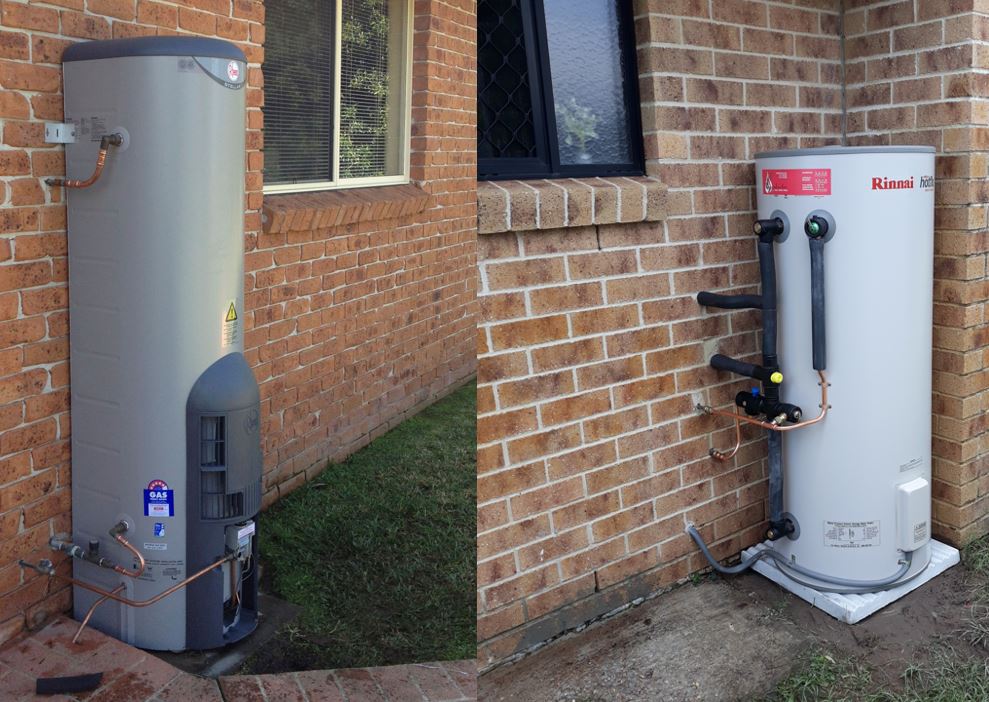
Credit: hotwaterrepairsmelbourne.com
Product Range And Types
Choosing the right water heater involves knowing the product range and types each brand offers. Both Rinnai and Rheem provide various models to meet different household needs. Their product lines include tankless, traditional tank, and hybrid water heaters. Each type has unique benefits and suits different water usage patterns.
Understanding their product range helps you pick a model that fits your home size, energy preference, and budget.
Rinnai Water Heater Models
Rinnai mainly focuses on tankless water heaters. Their models deliver hot water on demand without storing it. This design saves energy and space. Popular models include the Rinnai V65iN and Rinnai RUR98iN. These units offer high efficiency and digital controls. Rinnai also offers some tank models, but they are less common. Their tankless systems come in various sizes to serve small apartments or large homes.
Rheem Water Heater Models
Rheem provides a wide range of water heaters. Their lineup includes traditional tank heaters, tankless models, and hybrid heaters. The Rheem Performance Platinum series is popular for tanks. Their tankless models, like the Rheem RTGH, offer energy savings. Rheem’s hybrid heaters combine heat pump technology with traditional heating. These models reduce electricity use while providing steady hot water. Rheem’s variety suits many households and budgets.
Energy Efficiency
Energy efficiency plays a big role in choosing a water heater. It affects your utility bills and the environment. Both Rinnai and Rheem offer models with high energy efficiency. Understanding their ratings helps you pick the best option for your needs.
Rinnai Energy Ratings
Rinnai water heaters often have Energy Star certification. This means they meet strict energy-saving standards. Many Rinnai models use condensing technology. It captures heat that other heaters lose. This process boosts efficiency up to 95% or higher. High efficiency means less gas or electricity used. It lowers your monthly bills. Rinnai units also adjust the flame to match hot water demand. This reduces energy waste during low use periods. Their continuous flow design avoids standby heat loss. It only heats water when needed.
Rheem Energy Ratings
Rheem also offers Energy Star rated water heaters. Their products include both tank and tankless models. Rheem’s tankless models reach efficiency ratings up to 94%. They use advanced burners and heat exchangers. This improves fuel use and heat transfer. Rheem’s hybrid heat pump models use less electricity. They work by moving heat instead of creating it. This design can save up to 60% energy compared to traditional tanks. Rheem’s water heaters often have programmable settings. This allows better control and energy savings.

Credit: www.cylinderdirect.nz
Performance And Reliability
Performance and reliability are key factors in choosing a water heater. Both Rinnai and Rheem offer solid options. Understanding how they perform and last helps you make the right choice.
Heating speed and consistency affect your daily comfort. Durability and lifespan determine the long-term value of the unit.
Heating Speed And Consistency
Rinnai heats water quickly with its efficient technology. It delivers a steady flow of hot water without sudden drops in temperature. Rheem also heats water fast but may take a bit longer than Rinnai. Its temperature stays fairly stable during use. Both brands provide reliable heat, but Rinnai is often faster and more consistent for continuous use.
Durability And Lifespan
Rinnai units are built with durable materials designed to last many years. They often come with strong warranties covering parts and labor. Rheem also produces long-lasting water heaters with robust construction. Its products usually have good warranty coverage, too. Proper maintenance helps both brands extend their lifespan, making them reliable choices for your home.
Installation And Maintenance
Installation and maintenance play key roles in choosing the right water heater. This section compares Rinnai and Rheem in these areas. Understanding the ease of installation and maintenance needs helps you make a smart choice. Both brands have different features that affect these factors.
Ease Of Installation
Rinnai water heaters often come with clear instructions. They offer flexible installation options, fitting small or tight spaces. Many models are designed for wall mounting, saving floor space. Rheem units also provide straightforward installation. Some Rheem models include all necessary parts, making setup quicker. Both brands usually require a professional for gas or electric connections. Still, Rinnai’s compact design can simplify the process. Rheem’s widespread availability means many installers know their systems well.
Maintenance Requirements
Rinnai water heaters need regular checks to keep running smoothly. Flushing the system yearly helps prevent mineral buildup. Their filters require cleaning to avoid clogging. Rheem models also need yearly flushing and filter cleaning. Many Rheem units have self-diagnostic features to spot issues early. Both brands recommend annual professional servicing. Proper maintenance extends the heater’s life and saves money. Simple tasks like checking vents and pressure relief valves keep systems safe and efficient.
Cost Comparison
Comparing costs between Rinnai and Rheem water heaters helps buyers make smart choices. Understanding both upfront and long-term expenses reveals the true value of each brand. This section breaks down these costs clearly.
Upfront Pricing
Rinnai water heaters usually cost more at purchase. Their advanced technology and features add to the price. Rheem models tend to have a lower starting price. They offer simpler designs without many extras. Both brands have options for different budgets. Picking the right model depends on your initial spending limit.
Long-term Operating Costs
Rinnai water heaters often save money over time. They use energy efficiently, which lowers monthly bills. Rheem units may use more energy, increasing costs. Maintenance expenses vary between brands too. Rinnai models may require less frequent service. Rheem parts and repairs might cost less. Calculating total expenses helps find the best option for your wallet.
Customer Support And Warranty
Customer support and warranty play a big role in choosing between Rinnai and Rheem. Good support can solve problems fast. A strong warranty protects your purchase and gives peace of mind.
Rinnai Warranty Coverage
Rinnai offers a limited warranty on its products. The coverage usually lasts 5 to 12 years, depending on the model. The warranty covers parts and some labor costs. It protects against defects in materials and workmanship. Some models come with extended warranties for added security.
Rheem Warranty Coverage
Rheem provides a limited warranty that varies by product type. Most water heaters have 6 to 12 years of coverage. The warranty covers parts and some repairs. It promises to fix issues caused by factory defects. Rheem also offers extended warranty plans for extra protection.
Customer Service Experience
Rinnai has a reputation for helpful and responsive customer service. Their support team is available by phone and online. They assist with installation questions and troubleshooting. Rheem also offers good customer support through multiple channels. Many customers praise Rheem’s quick response and clear guidance. Both brands aim to provide friendly and effective help.
User Reviews And Feedback
User reviews and feedback offer real insights into Rinnai and Rheem products. They reveal what users like and dislike. These opinions help buyers make smart choices. Both brands have many users sharing their experiences online. Let’s explore the common praises and frequent complaints for each brand.
Common Praises
Rinnai receives praise for its energy efficiency. Many users say their water heaters save on utility bills. Customers also like Rinnai’s quiet operation. The compact design fits well in small spaces. Rheem is known for its easy installation. Users find Rheem units reliable and long-lasting. The brand’s strong customer support gets many positive mentions. Both brands earn compliments for fast hot water delivery.
Frequent Complaints
Some Rinnai users mention a higher initial cost. A few report issues with the digital display. Maintenance can be tricky for first-time users. Rheem users sometimes face leaking problems after long use. Occasional reports of noisy operation appear in reviews. Some find Rheem’s warranty terms unclear. Both brands have isolated cases of delayed customer service responses.
Which Water Heater Fits Your Needs
Choosing the right water heater depends on your household size and climate. Both Rinnai and Rheem offer strong options. Each brand suits different needs. Understanding these can help you pick the best fit for your home.
Consider the size of your family and the weather you live in. These factors affect water heater performance and efficiency. This guide breaks down which model fits your needs.
Best For Small Households
Rinnai water heaters work well for small homes. They heat water quickly without using much energy. Tankless models from Rinnai save space and provide endless hot water. Rheem also has compact models but uses more space. Small families benefit from Rinnai’s on-demand heating style.
Ideal For Large Families
Rheem suits large families with high water needs. Their tank water heaters store more hot water at once. This is good for multiple showers and appliances running at the same time. Rheem units often have larger tanks than Rinnai. Families with many members find Rheem reliable for steady hot water supply.
Suitability For Different Climates
Rinnai performs well in colder climates due to its efficient heating technology. It heats water fast even in low temperatures. Rheem works best in moderate to warm climates where water heating is less demanding. Both brands have models designed for energy savings. Choosing by climate helps maintain comfort and lower bills.
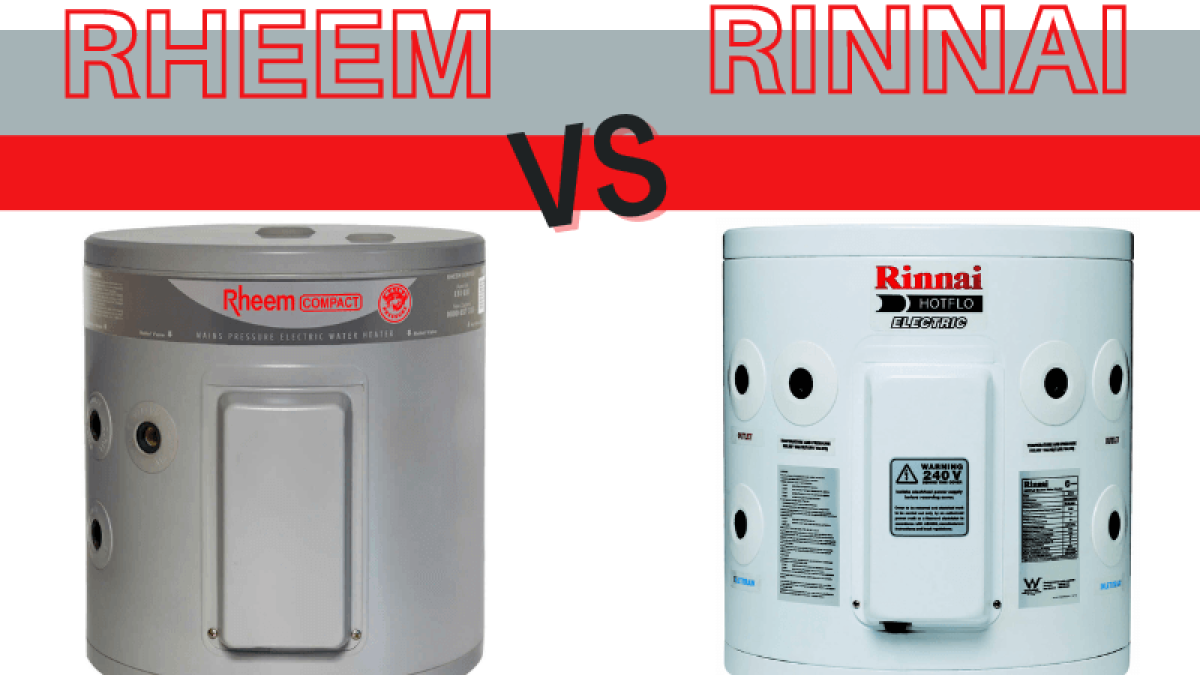
Credit: www.samedayhotwaterservice.com.au
Frequently Asked Questions
What Are The Main Differences Between Rinnai And Rheem Water Heaters?
Rinnai mainly offers tankless water heaters, while Rheem provides both tank and tankless models. Rinnai focuses on energy efficiency, and Rheem offers a wider price range. Both brands have good quality products but serve different needs.
Which Brand Is More Energy-efficient, Rinnai Or Rheem?
Rinnai water heaters are generally more energy-efficient because they use tankless technology. Rheem’s tankless models also save energy, but their tank models use more power. Choosing tankless models from either brand helps reduce energy bills.
How Do Rinnai And Rheem Compare On Price?
Rheem water heaters are usually cheaper, especially their tank models. Rinnai’s tankless systems cost more upfront but save money over time. Budget and long-term savings should guide your choice.
Are Rinnai Or Rheem Water Heaters Easier To Install?
Rheem’s traditional tank water heaters are easier and faster to install. Rinnai’s tankless units need more complex installation and sometimes extra venting. Professional help is recommended for both brands.
Which Brand Offers Better Warranty And Customer Support?
Both Rinnai and Rheem provide solid warranties, typically 5 to 12 years. Rinnai’s warranty often covers parts longer for tankless models. Customer support is good for both, but Rinnai has a strong reputation.
Can Rinnai And Rheem Water Heaters Handle Large Households?
Rinnai tankless heaters can supply continuous hot water, ideal for large families. Rheem offers high-capacity tank models that store hot water for big homes. Your choice depends on your household size and water use.
Are There Any Maintenance Differences Between Rinnai And Rheem Units?
Rinnai tankless heaters need yearly flushing to prevent buildup. Rheem tank models require less frequent care but may need regular tank cleaning. Both brands recommend routine maintenance for best performance.
Conclusion
Choosing between Rinnai and Rheem depends on your needs and budget. Both brands offer reliable and efficient water heaters. Rinnai focuses on advanced technology and energy savings. Rheem provides a wide range of models at various price points. Think about your home’s size and water usage.
Consider installation and maintenance costs too. Either choice can deliver hot water when you need it. Take time to compare features carefully. Your decision should fit your lifestyle and wallet.