
When it comes to choosing the right PVC pipe for your project, you might find yourself stuck between PVC SDR 35 and Schedule 40. Both options seem similar, but the differences can impact your work’s success, cost, and durability.
If you want to make sure you pick the best pipe for your needs, keep reading. This guide will clear up the confusion and help you understand exactly what sets these two types apart—so you can make a smart, confident choice every time.
Credit: mygutterguy.com
Pvc Pipe Basics
Understanding the basics of PVC pipes helps in choosing the right type for your project. PVC pipes come in different styles and thicknesses. Two popular types are SDR 35 and Schedule 40. Knowing what PVC is and how it is used will guide you in making a good choice. Here is a simple introduction to PVC pipe basics.
What Is Pvc?
PVC stands for polyvinyl chloride. It is a type of plastic that is strong and durable. PVC pipes are lightweight and easy to handle. They resist corrosion and chemicals well. These pipes last a long time without cracking or breaking. PVC is also affordable compared to metal pipes. This material is safe for carrying water and other liquids. It is popular for both indoor and outdoor use.
Common Uses Of Pvc Pipes
PVC pipes serve many purposes in homes and industries. They carry water for drinking, irrigation, and drainage. Many people use PVC pipes for sewer systems and waste disposal. They also appear in irrigation systems for gardens and farms. PVC pipes help in electrical wiring as protective conduits. These pipes are common in construction and plumbing jobs. Their versatility makes them a top choice in many fields.
Understanding Sdr 35
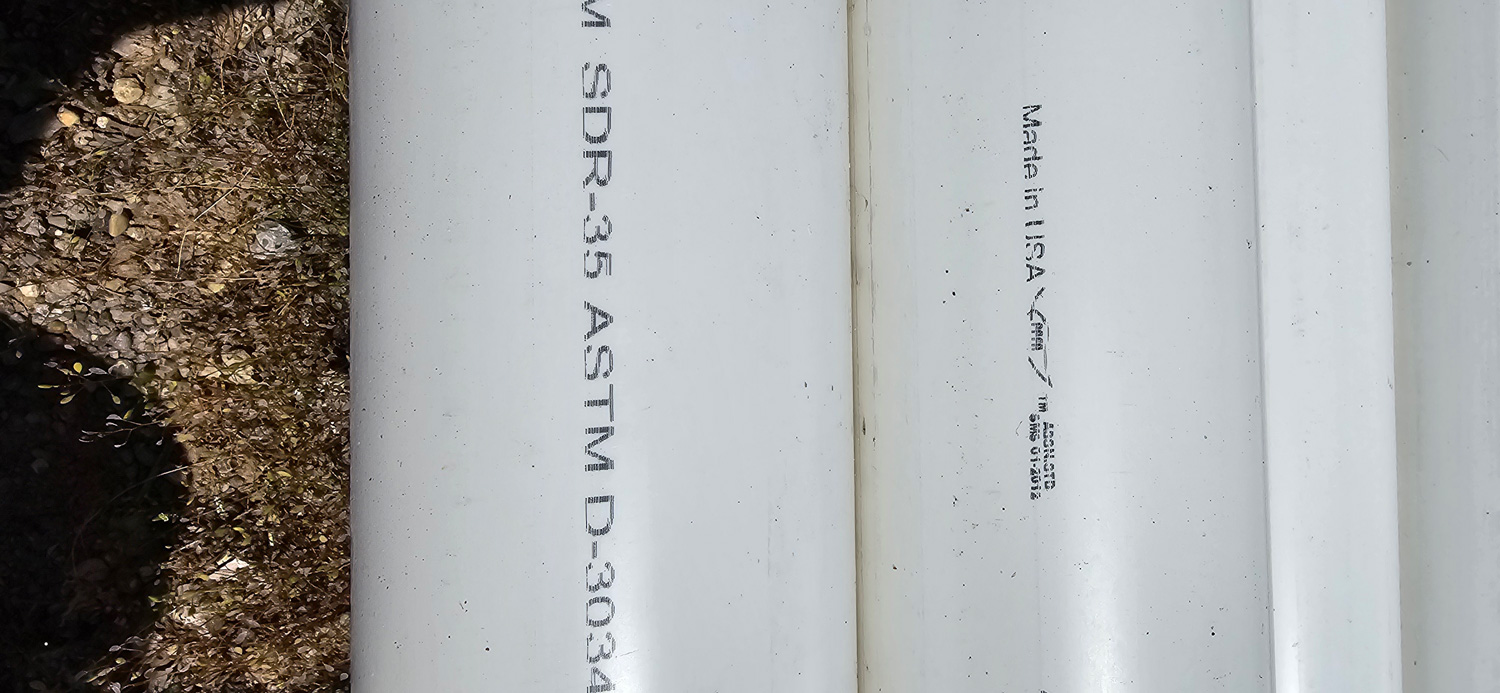
Understanding SDR 35 is important for choosing the right PVC pipe. SDR stands for Standard Dimension Ratio. It compares the pipe’s diameter to its wall thickness. This ratio helps decide how strong the pipe is under pressure. SDR 35 means the pipe’s diameter is 35 times its wall thickness. This ratio affects the pipe’s durability and flexibility.
Design And Dimensions
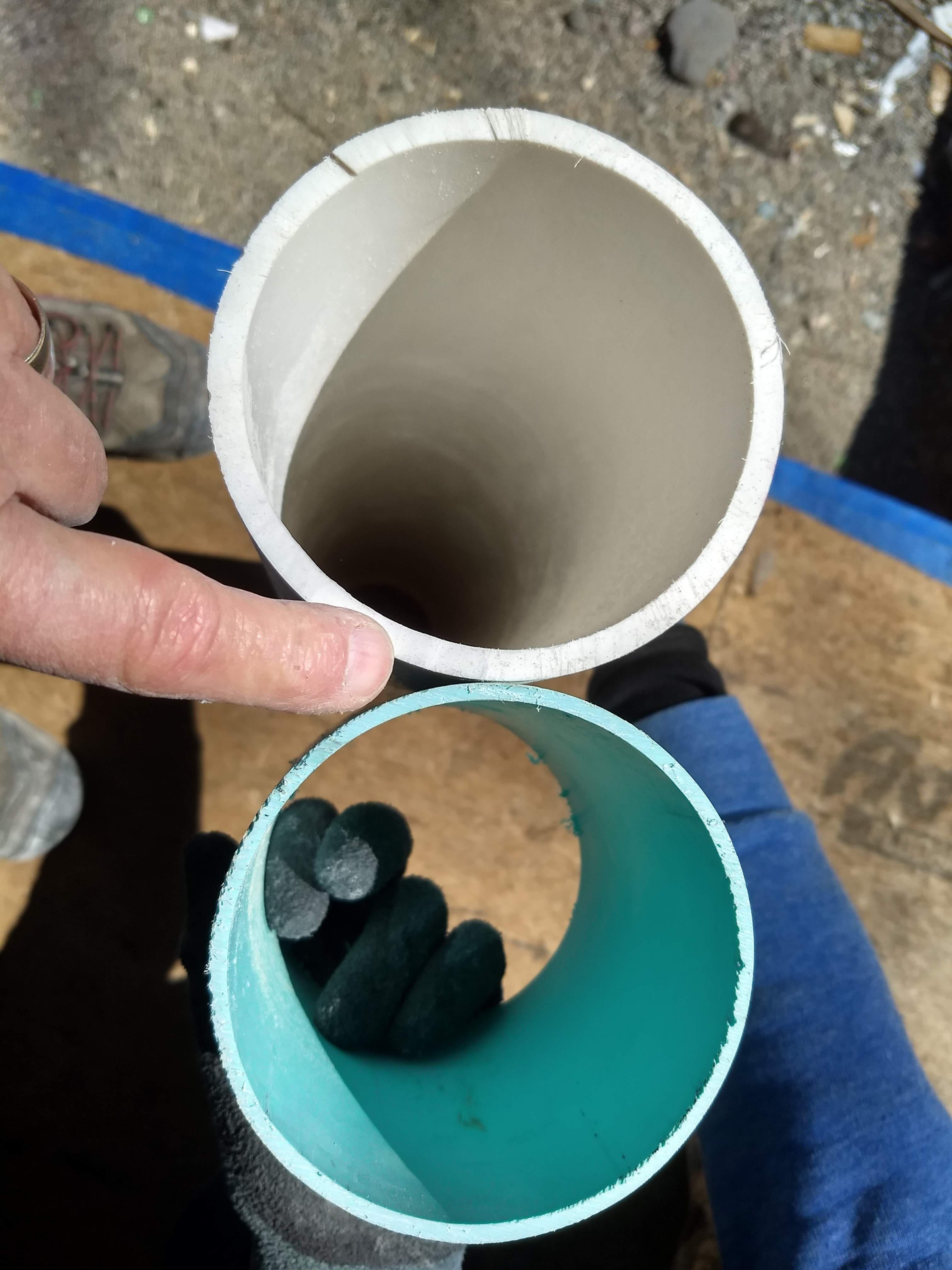
SDR 35 pipes have thinner walls compared to some other types. The thinner walls make the pipe lighter and easier to handle. These pipes have a balance between strength and flexibility. Their design allows them to handle moderate pressure well. The dimensions follow strict standards to ensure consistency and quality.
Typical Applications
SDR 35 pipes are often used in drainage and irrigation systems. They work well for underground water transport. These pipes handle low to moderate pressure without issues. Many builders choose SDR 35 for sewer and stormwater systems. Their cost-effectiveness and durability make them a popular choice.
Exploring Schedule 40
Schedule 40 is a common type of PVC pipe used in many projects. It has a specific thickness and strength that makes it reliable for various tasks. This pipe type is popular due to its balance of durability and cost-effectiveness.
Understanding Schedule 40 helps to choose the right pipe for plumbing, irrigation, and other needs. It is important to know where it fits best and why it is often preferred over other pipe types.
Pipe Thickness And Strength
Schedule 40 pipes have thicker walls than some other PVC pipes. This thickness adds strength and pressure resistance. The pipe can handle higher water pressure without damage.
The thicker wall also means Schedule 40 pipes last longer in tough conditions. They resist cracking and breaking better than thinner pipes. This makes them ideal for underground and exposed installations.
Where Schedule 40 Is Used
Schedule 40 PVC pipes are used in many places. They work well for residential water supply and irrigation systems. These pipes also handle drainage and waste lines efficiently.
Many construction projects rely on Schedule 40 due to its strength. It is suitable for both indoor and outdoor plumbing. The pipe’s durability makes it a safe choice for home and commercial use.
Comparing Sdr 35 And Schedule 40
Comparing SDR 35 and Schedule 40 pipes helps in choosing the right one for your project. Both types serve different needs based on pressure, strength, and cost. Understanding these differences makes your choice easier. Below are key points to consider.
Pressure Ratings
SDR 35 pipes have a pressure rating based on their thinner walls. They handle moderate pressure well but are not for very high-pressure systems. Schedule 40 pipes have thicker walls and can hold higher pressure. This makes Schedule 40 better for heavy-duty uses.
Durability And Performance
Schedule 40 pipes are more durable due to their thickness. They resist damage and last longer under tough conditions. SDR 35 pipes are lighter and easier to install. They work well in less demanding environments but may wear faster in harsh settings.
Cost Differences
SDR 35 pipes usually cost less because they use less material. This can save money on large projects. Schedule 40 pipes cost more but offer better strength and durability. The choice depends on your budget and the project’s needs.
Choosing The Right Pipe
Choosing the right pipe is important for any plumbing or construction project. The choice affects durability, cost, and ease of installation. PVC SDR 35 and Schedule 40 pipes are common options. Each has unique features. Understanding these differences helps you pick the best pipe for your needs.
Factors To Consider
Think about pressure needs. Schedule 40 pipes handle higher pressure than SDR 35. Check pipe size and wall thickness. Schedule 40 has thicker walls. Consider the pipe’s application. For underground or drainage, SDR 35 may work well. For water supply, Schedule 40 is often better. Cost matters too. SDR 35 pipes usually cost less. Weight is also a factor. SDR 35 pipes are lighter and easier to move.
Environmental Impact
Both pipes are made from PVC, a plastic material. PVC production uses fossil fuels. This affects the environment. Look for pipes with recycled content. Proper disposal is important to reduce waste. PVC pipes last long, which lowers the need for replacements. Longer life means less environmental harm over time.
Installation Tips
Handle pipes carefully to avoid cracks. Use the right tools for cutting and joining. Clean pipe ends before gluing. Allow proper drying time for glue. Avoid bending pipes too much. Support pipes well to prevent sagging. Follow local codes for pipe depth and spacing. Good installation ensures a lasting system.
Credit: www.spokesman.com
Maintenance And Longevity
Maintenance and longevity are key factors when choosing between PVC SDR 35 and Schedule 40 pipes. Both types serve different needs but require care to last long. Understanding common problems and ways to extend pipe life helps keep your plumbing system reliable and efficient.
Common Issues
Cracking and warping happen due to temperature changes. PVC SDR 35 pipes are thinner, so they may crack faster under pressure. Schedule 40 pipes have thicker walls, reducing the risk of damage.
Exposure to sunlight causes PVC pipes to degrade over time. Both types need protection from UV rays. Chemical exposure can also weaken pipes and cause leaks.
Extending Pipe Life
Regular inspections catch small problems before they grow. Clean pipes prevent blockages and buildup inside. Use pipe insulation to protect against temperature extremes.
Applying UV-resistant paint or wrapping pipes in sunlight areas helps. Avoid harsh chemicals near pipes. Proper installation reduces stress and extends lifespan.

Credit: www.youtube.com
Frequently Asked Questions
What Is The Main Difference Between Pvc Sdr 35 And Schedule 40?
PVC SDR 35 has thinner walls and a higher pressure rating than Schedule 40. Schedule 40 pipes are thicker and commonly used for general plumbing. This affects strength and durability.
Which Pipe Is Better For Water Pressure, Sdr 35 Or Schedule 40?
SDR 35 pipes handle higher water pressure better due to thinner walls and stronger material. Schedule 40 suits lower pressure needs and everyday water flow. Choose based on your pressure requirements.
Can Pvc Sdr 35 And Schedule 40 Pipes Be Used Interchangeably?
They can be used in some cases but are not always interchangeable. Check pressure, diameter, and wall thickness before substituting one for the other. Always follow local plumbing codes.
What Are The Typical Applications For Pvc Sdr 35 Pipes?
SDR 35 pipes are used in irrigation, drainage, and pressure water systems. They work well where higher pressure and lighter weight matter. Good for underground and outdoor use.
Are Schedule 40 Pipes Suitable For Underground Water Lines?
Yes, Schedule 40 pipes are often used for underground water lines. Their thicker walls offer good protection against damage. Make sure to bury them at the right depth.
How Does The Wall Thickness Affect Pvc Pipe Performance?
Thicker walls in Schedule 40 pipes provide more strength but add weight. Thinner SDR 35 walls reduce weight but can handle higher pressure. Wall thickness impacts durability and flexibility.
What Factors Influence Choosing Between Sdr 35 And Schedule 40 Pvc Pipes?
Pressure rating, application type, budget, and local codes affect pipe choice. SDR 35 suits high-pressure needs; Schedule 40 fits general plumbing. Always assess your project needs carefully.
Conclusion
Choosing between PVC SDR 35 and Schedule 40 depends on your project needs. SDR 35 pipes are thinner and lighter, saving space and weight. Schedule 40 pipes are thicker and stronger, ideal for high-pressure uses. Both types offer good durability and resistance to corrosion.
Think about pressure requirements and pipe size before buying. This helps ensure you pick the right pipe for safety and cost. Understanding these differences makes your plumbing work easier and more efficient.