
Is your pool water looking cloudy or not flowing like it used to? Your pool filter might be the culprit.
When your filter isn’t working right, it can turn your relaxing swim spot into a frustrating mess. But don’t worry—you don’t have to call a pro just yet. In this guide, you’ll discover simple, effective ways to troubleshoot your pool filter and get your water sparkling clear again.
Keep reading, and you’ll learn how to spot common problems, fix them quickly, and keep your pool in perfect shape all season long.
Credit: bestwayusa.com
Common Pool Filter Issues
Pool filters keep your pool water clean and safe. They remove dirt, leaves, and small particles. Sometimes, filters face issues that stop them from working well. Knowing common problems helps fix them quickly. This saves money and keeps your pool ready for swimming.
Low Water Flow
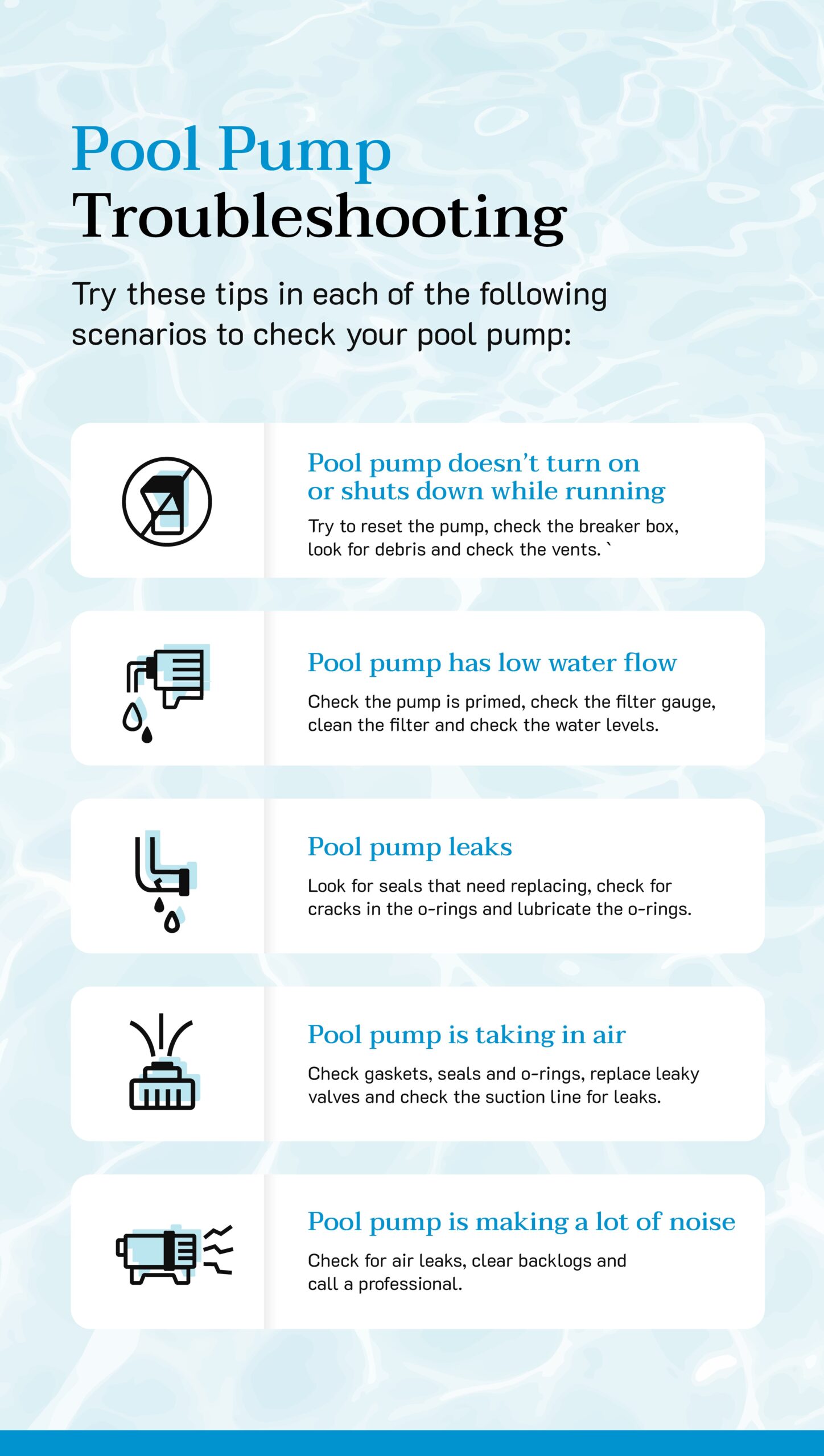
Low water flow means less water moves through the filter. This reduces cleaning power. Causes include clogged filter media, blocked pump basket, or closed valves. Check the pump and clean any debris. Also, inspect the filter for dirt buildup. Fixing these restores normal water flow.
Cloudy Water
Cloudy water signals a filter issue. It may not remove tiny particles well. Causes include dirty filter media or a broken filter system. Backwash or clean the filter regularly. Test pool chemicals and balance them. Clear water means the filter works correctly.
High Filter Pressure
High pressure means the filter is clogged or blocked. It can harm the pump and reduce flow. Look for dirt in the filter or closed valves. Backwash or clean the filter to lower pressure. Monitor pressure gauges to avoid damage.
Leaks Around The Filter
Leaks waste water and lower filter efficiency. They can come from loose fittings, cracked parts, or worn seals. Check all connections and tighten them. Replace damaged parts or seals quickly. Fixing leaks keeps your filter working well.
Identifying Filter Types
Knowing your pool filter type helps fix problems faster. Each filter cleans water differently. Identifying the filter can save time and money. It also helps keep your pool water clear and safe.
Sand Filters
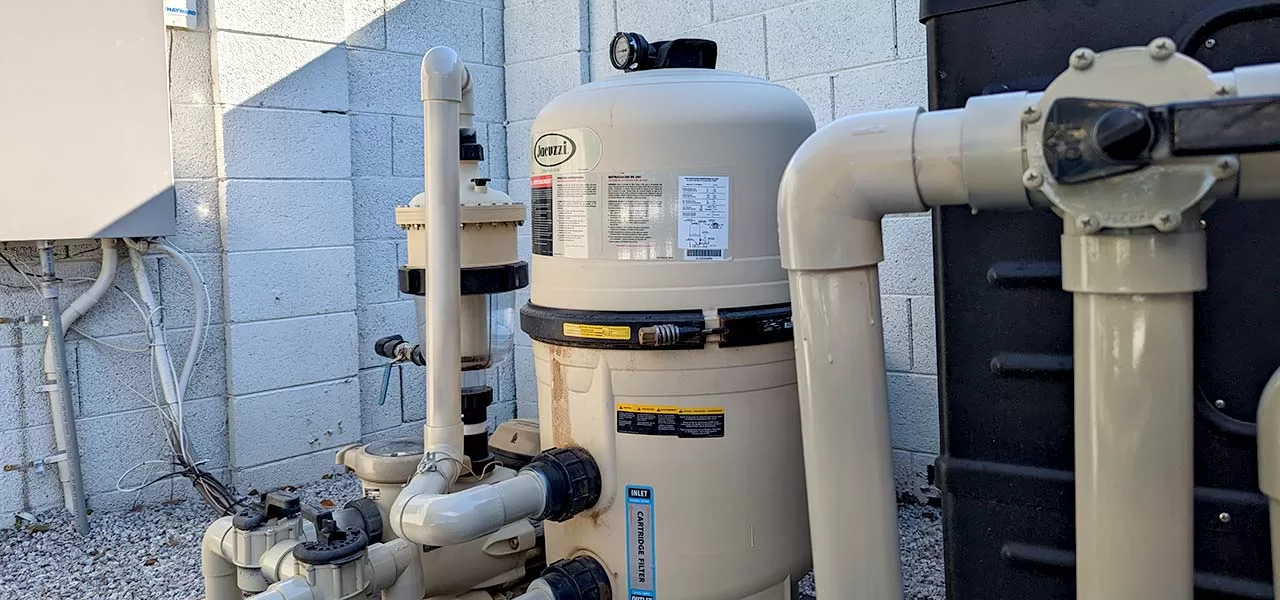
Sand filters use sand to catch dirt and debris. Water flows through the sand bed, trapping particles. These filters need backwashing to clean the sand. Sand filters are common and easy to use. They work well for most pools.
Cartridge Filters
Cartridge filters use a paper-like element to trap dirt. Water passes through the cartridge, filtering out debris. These filters need cleaning by removing and rinsing the cartridge. Cartridge filters save water compared to sand filters. They provide fine filtration for clear water.
Diatomaceous Earth (de) Filters
DE filters use a powder made from fossilized algae. The powder coats a grid inside the filter. Water passes through the coated grid, capturing tiny particles. DE filters provide the best water clarity. They require regular cleaning and adding new powder.
Quick Fixes For Low Water Flow
Low water flow in your pool filter can cause poor water circulation. This leads to cloudy water and less effective cleaning. Fixing low water flow quickly helps keep your pool clean and safe. Simple steps often solve the problem without costly repairs.
Cleaning The Skimmer And Pump Baskets
Skimmer and pump baskets catch leaves and debris. When clogged, water flow drops sharply. Remove the baskets from the skimmer and pump. Empty all debris and rinse with a hose. Check baskets weekly during heavy pool use. Clean baskets help water move freely through the system.
Backwashing Sand And De Filters
Sand and DE filters trap dirt inside the filter media. Over time, this dirt blocks water flow. Backwashing reverses water flow to flush out dirt. Follow your filter’s instructions for backwashing. Do this when the pressure gauge rises 8-10 psi above normal. Regular backwashing keeps your filter working efficiently.
Replacing Or Cleaning Cartridges
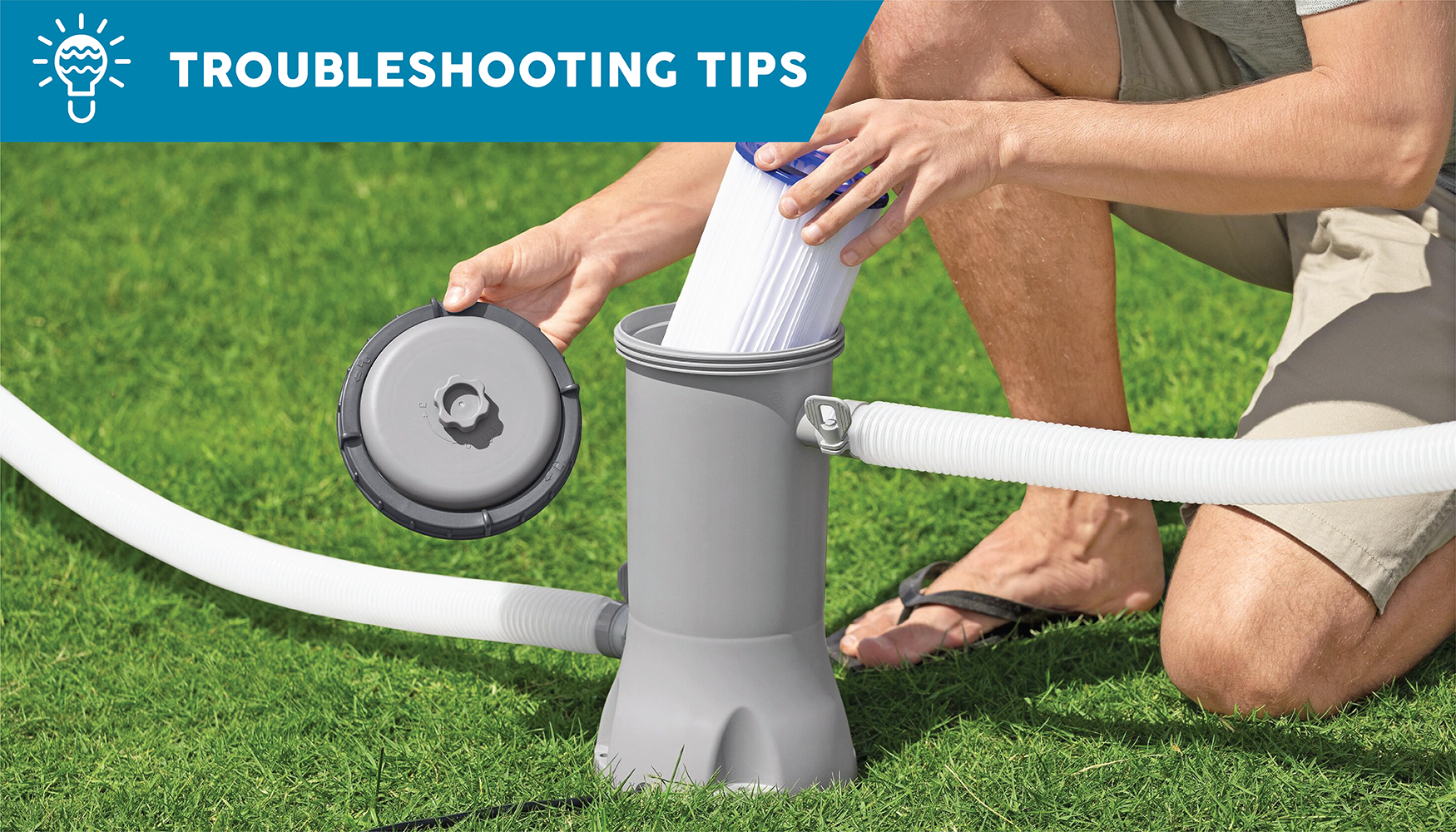
Cartridge filters use pleated fabric to catch debris. Dirt builds up and clogs the cartridge, reducing flow. Remove the cartridge and rinse it thoroughly with a hose. For stubborn dirt, soak the cartridge in filter cleaner. Replace cartridges every few years or if damaged. Clean cartridges ensure good water flow and clear pool water.
Credit: intheswim.com
Clearing Cloudy Water Fast
Cloudy pool water can ruin your swimming fun and cause concern. Clearing it fast helps keep your pool safe and inviting. This guide shows simple steps to fix cloudy water using your pool filter system.
Checking Chemical Balance
Start by testing your pool’s chemical levels. Check pH, chlorine, and alkalinity. Balanced chemicals keep water clear and healthy. Adjust chemicals slowly to avoid sudden changes. Use a reliable test kit for accurate results.
Running The Filter Longer
Run your pool filter more hours each day. This helps remove tiny particles that cause cloudiness. Aim for at least 8 to 12 hours of filtration daily. Clean or backwash the filter if it looks dirty or clogged.
Using Flocculants Or Clarifiers
Flocculants gather small particles into clumps that sink to the pool floor. Clarifiers help the filter catch tiny debris. Use these products according to the instructions on the label. After applying, vacuum the pool floor to remove settled dirt.
Managing High Filter Pressure
High filter pressure is a common issue in pool maintenance. It signals that your pool filter is working harder than it should. This can reduce water flow and cleaning efficiency. Managing high pressure is vital to keep your pool clean and safe.
When To Backwash
Backwashing helps clear dirt from sand or DE filters. Check your pressure gauge regularly. If the pressure rises 8-10 psi above normal, it’s time to backwash. This process flushes trapped debris out of the filter. It restores normal pressure and improves water flow.
Inspecting For Blockages
Blockages can cause high filter pressure. Look for clogs in the skimmer basket and pump strainer. Debris like leaves or hair can block water flow. Remove any visible dirt or objects. Also, check the pool’s return lines for obstructions. Clearing these improves filter performance.
Cleaning Filter Grids And Cartridges
Grids and cartridges trap tiny particles. Over time, they get clogged and raise pressure. Remove the cartridge or grids carefully. Rinse them with a garden hose to remove dirt. For stubborn grime, soak them in a filter cleaner solution. Clean parts ensure efficient filtration and lower pressure.
Fixing Filter Leaks
Fixing filter leaks is key to keeping your pool clean and safe. Leaks cause water loss and reduce filter efficiency. Finding and fixing leaks early saves money and effort.
Leaks often happen around connections, seals, or cracks. Checking these areas helps spot problems fast. Use simple tools and parts to fix most leaks yourself.
Tightening Connections
Loose connections cause many filter leaks. Check all nuts, bolts, and clamps around the filter. Use a wrench to tighten them carefully. Don’t overtighten, or you might break parts. Tight connections stop water from escaping and improve filter function.
Replacing O-rings And Gaskets
Worn O-rings and gaskets cause leaks at joints and lids. Remove the old rings carefully. Clean the area to remove dirt and debris. Fit new O-rings or gaskets that match your filter model. Apply a thin layer of silicone lubricant to seal better. This fix prevents water from leaking at seals.
Sealing Cracks And Damages
Cracks in the filter tank or pipes cause leaks. Inspect the filter body and plumbing for visible cracks. Use waterproof epoxy or pool patch kits to seal small cracks. For larger damage, replace the damaged part. Proper sealing stops leaks and protects your filter system.
Routine Maintenance Tips
Routine maintenance keeps your pool filter working well. It helps avoid common problems and saves money on repairs. Simple care steps make a big difference. Follow these tips to keep your pool water clear and healthy all year.
Regular Cleaning Schedule
Clean your pool filter regularly to stop dirt build-up. Remove debris like leaves and hair from the filter basket. Backwash sand or DE filters as recommended by the manufacturer. For cartridge filters, rinse them with water every few weeks. Clean filters let water flow easily and trap dirt better.
Monitoring Filter Pressure
Check the filter pressure gauge often. High pressure means the filter is clogged and needs cleaning. Low pressure may show a pump or pipe problem. Keep a log of pressure readings to spot changes fast. Maintaining proper pressure helps your pool run smoothly.
Seasonal Filter Care
Adjust your filter care with the seasons. In summer, clean filters more often due to heavy use. Winter requires thorough cleaning and covering the filter to protect it. Remove and store cartridge filters indoors if possible. Seasonal care extends the life of your filter system.
When To Call A Professional
Knowing when to call a professional for pool filter problems can save time and money. Some issues need expert skills to fix correctly. Trying to handle tough problems alone might cause more damage. A professional can spot hidden faults and fix them safely.
Persistent Problems
Some filter issues keep coming back no matter what you do. Low water flow or dirty water might mean a deeper problem. Professionals have tools and knowledge to find the cause. They can fix problems that simple cleaning cannot solve.
Complex Repairs
Broken parts inside the filter often need special care. Fixing a cracked filter tank or motor issues requires experience. Incorrect repair can lead to leaks or bigger failures. A professional knows how to handle complex parts safely and quickly.
Upgrading Old Filters
Old filters may not work well with modern pool systems. Upgrading to a new filter improves water quality and efficiency. Professionals help choose the right filter for your pool size. They install it correctly to avoid future problems.
Credit: lotuspools.com
Frequently Asked Questions
How Do I Know If My Pool Filter Needs Cleaning?
A dirty pool filter reduces water flow and clarity. Check for cloudy water or high pressure on the gauge.
Why Is My Pool Filter Pressure Too High?
High pressure means the filter is clogged with dirt or debris. Cleaning or backwashing the filter usually fixes this.
What Causes Low Water Flow In A Pool Filter?
Low flow can result from a blocked skimmer, pump issues, or a dirty filter. Inspect these parts for clogs or damage.
How Often Should I Backwash A Pool Filter?
Backwash when the pressure gauge reads 8-10 psi above normal. This keeps the filter clean and efficient.
Can A Pool Filter Pump Run Without Water?
Running the pump dry can damage it quickly. Always ensure the pump is filled with water before starting.
What Materials Can Clog A Pool Filter?
Leaves, dirt, hair, sunscreen, and algae commonly clog filters. Regular cleaning prevents buildup and keeps water clear.
How Do I Fix A Leaking Pool Filter?
Leaks often come from loose fittings or damaged O-rings. Tighten connections or replace worn parts to stop leaks.
When Should I Replace My Pool Filter Cartridge?
Replace the cartridge if it has tears, cracks, or won’t clean after thorough washing. Usually every 1-2 years.
Conclusion
Troubleshooting your pool filter does not have to be hard. Check the filter regularly for dirt and clogs. Clean or replace parts as needed to keep water clear. Small problems can cause big issues if ignored. Stay on top of maintenance to enjoy a clean pool.
Simple steps save time and money. Keep your pool safe and sparkling all season long.